Ottawa Trip
Long before it became Canada’s capital, the area now known as Ottawa was home to Indigenous peoples, particularly the Algonquin Anishinaabe, who lived along the Ottawa River for thousands of years. The river was a vital travel and trade route connecting the interior of the continent with the St. Lawrence River system.
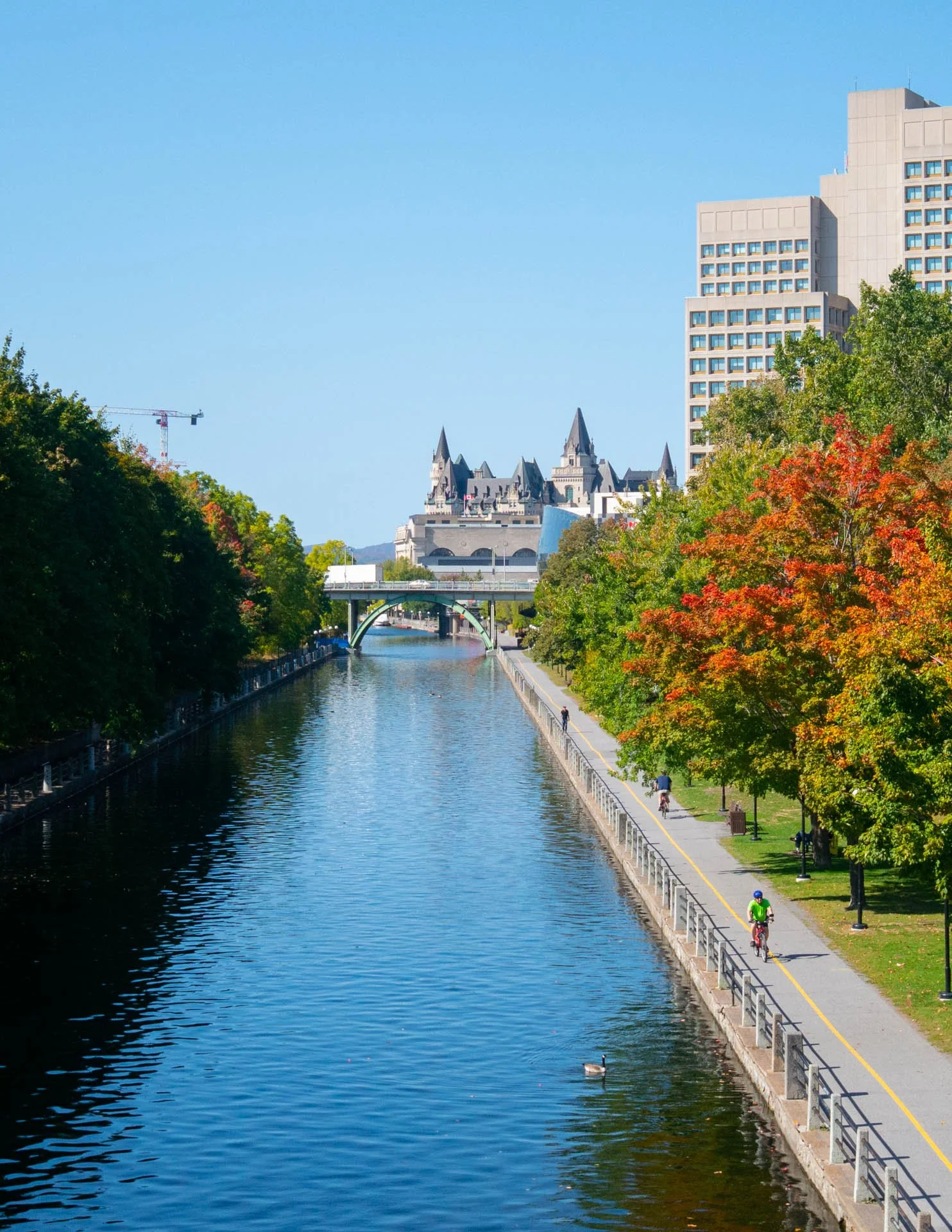
European settlement began in the early 19th century when British military engineer John By oversaw construction of the Rideau Canal between 1826 and 1832. Built as a strategic military supply route following the War of 1812, the canal connected the Ottawa River to Lake Ontario and led to the founding of a settlement called Bytown around the construction site.
Bytown quickly grew as a rough-and-tumble lumber town, driven by the booming timber industry that shipped logs down the Ottawa River to markets in Montreal and beyond. In 1855, the settlement was officially renamed Ottawa.
Just two years later, in 1857, Queen Victoria selected Ottawa as the capital of the Province of Canada, partly because its location was safely inland between the English and French populations of the colony. Following Canadian Confederation, Ottawa became the capital of the new country.
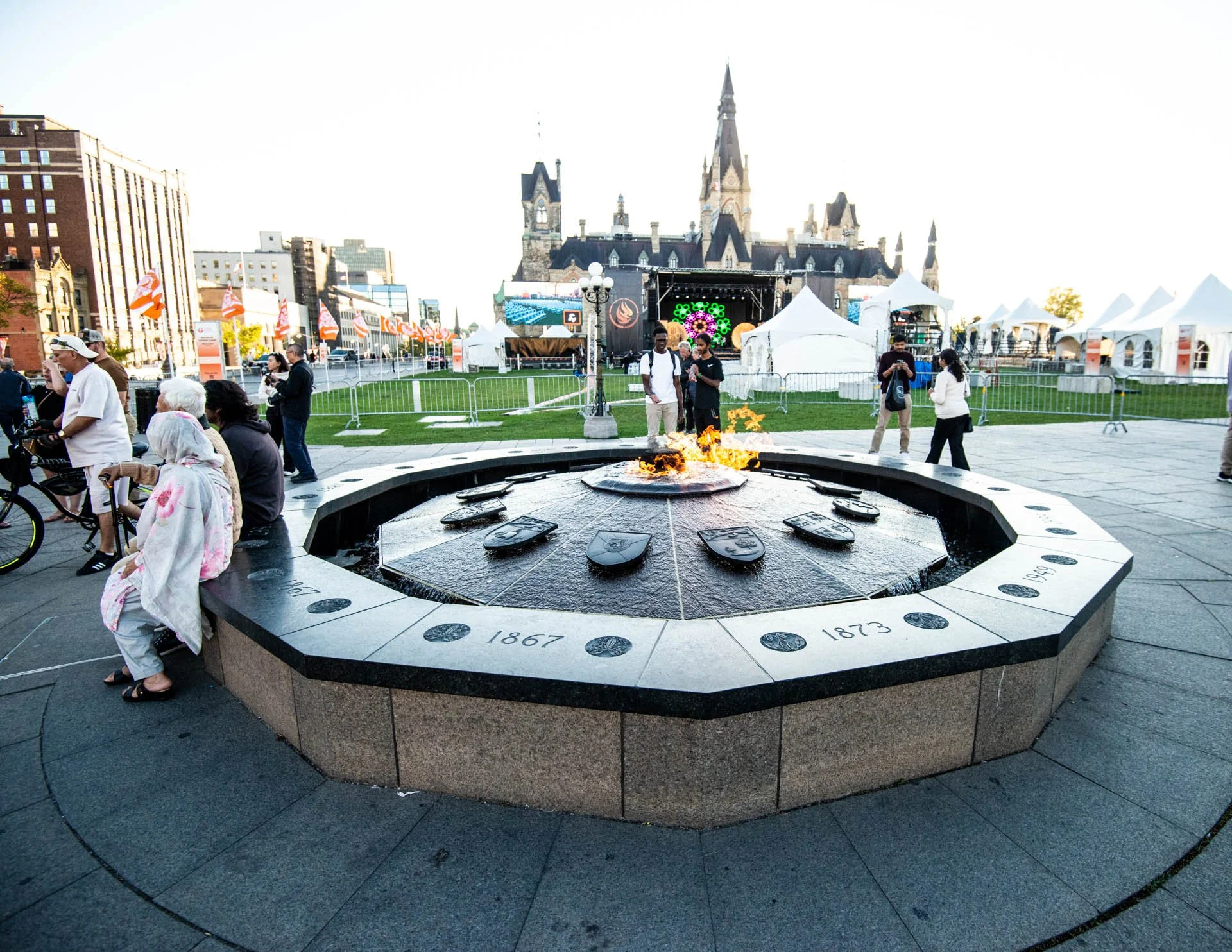
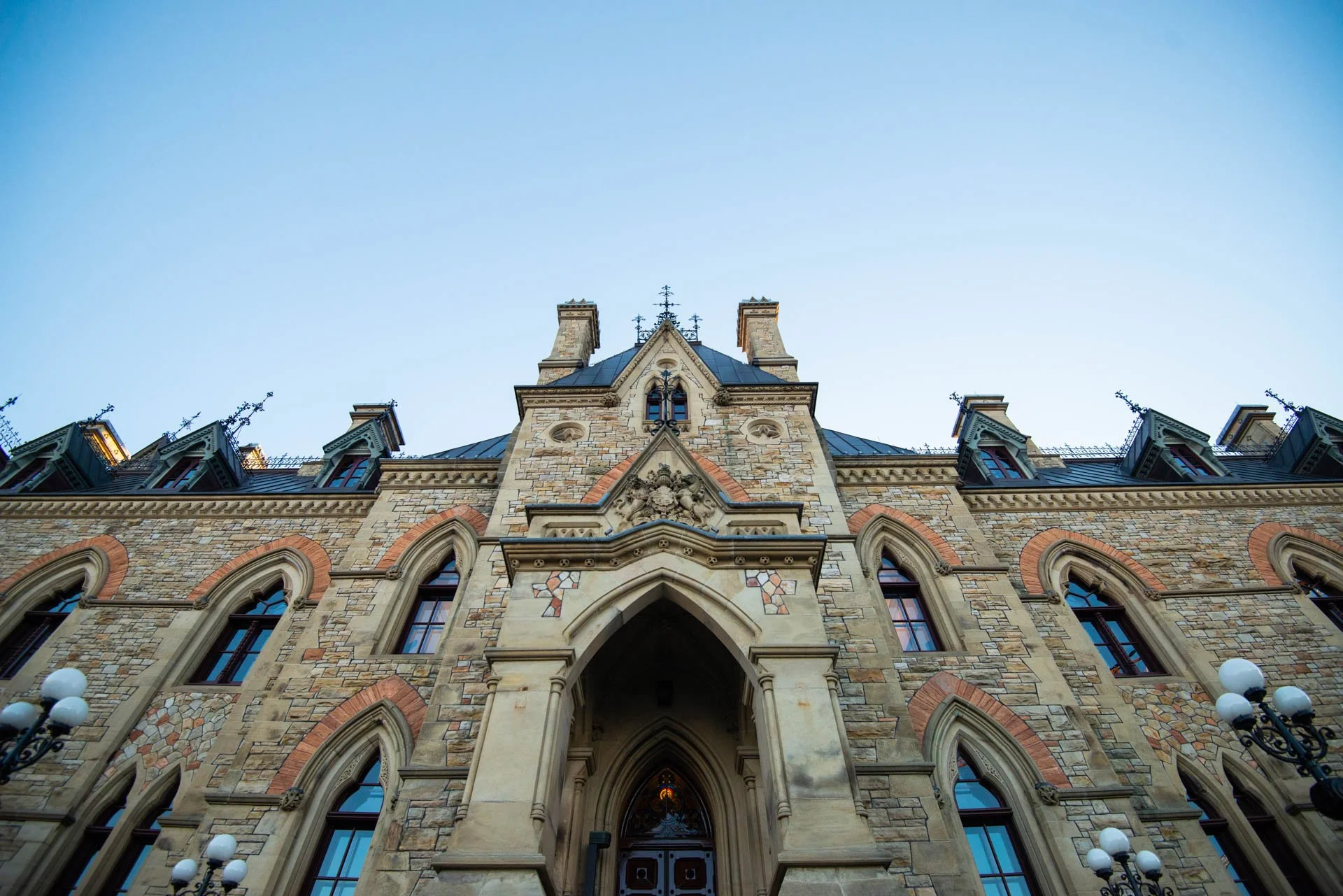
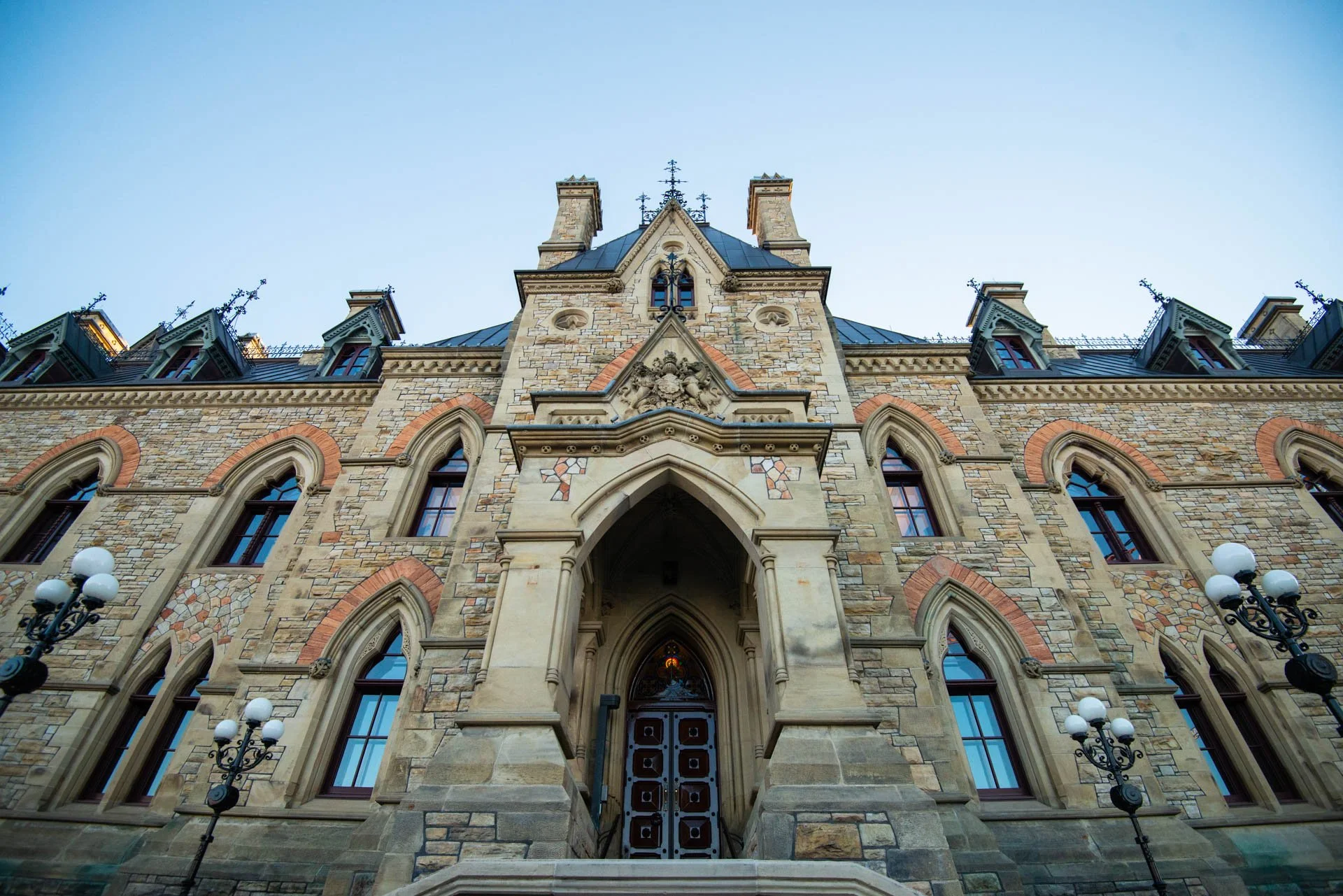
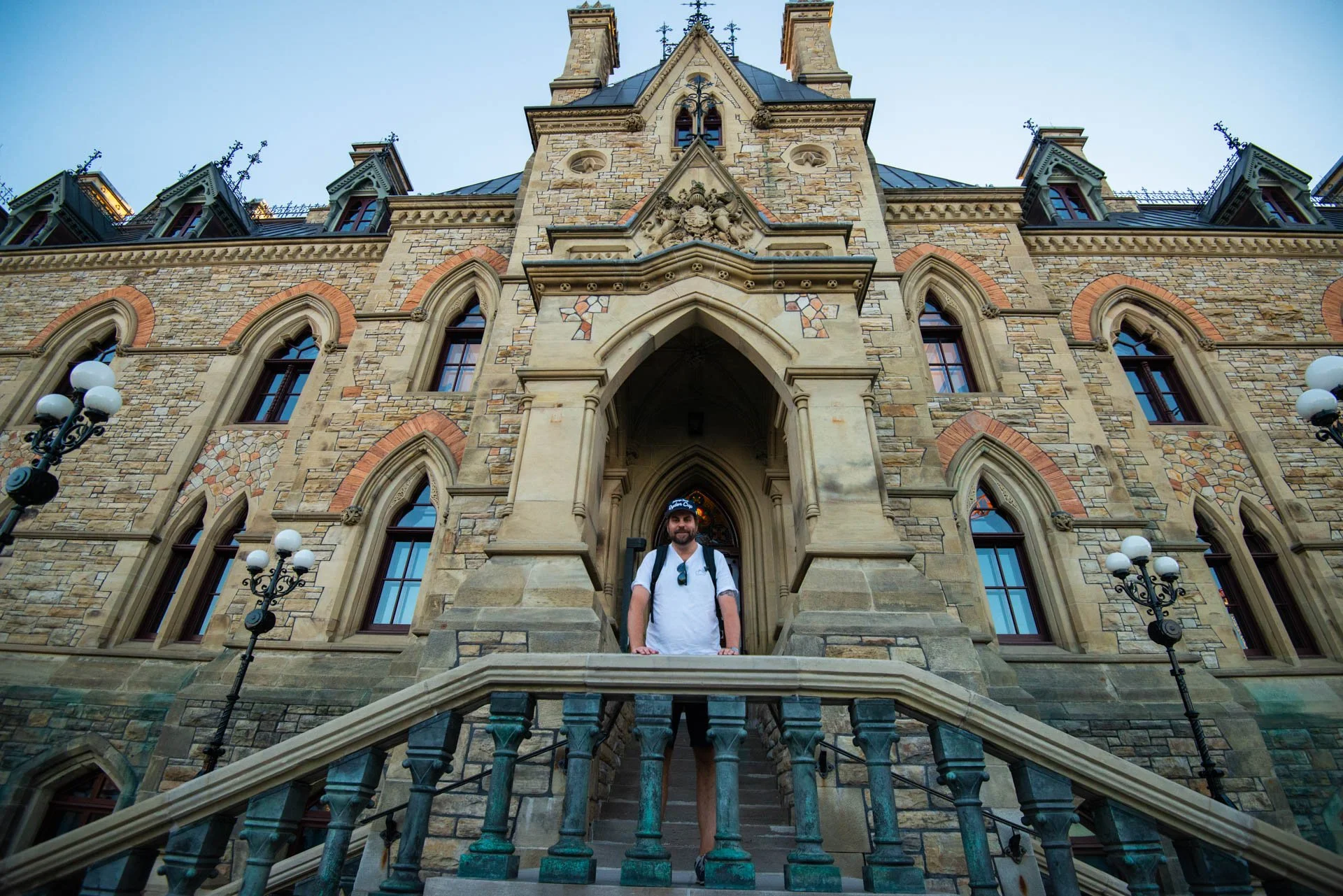
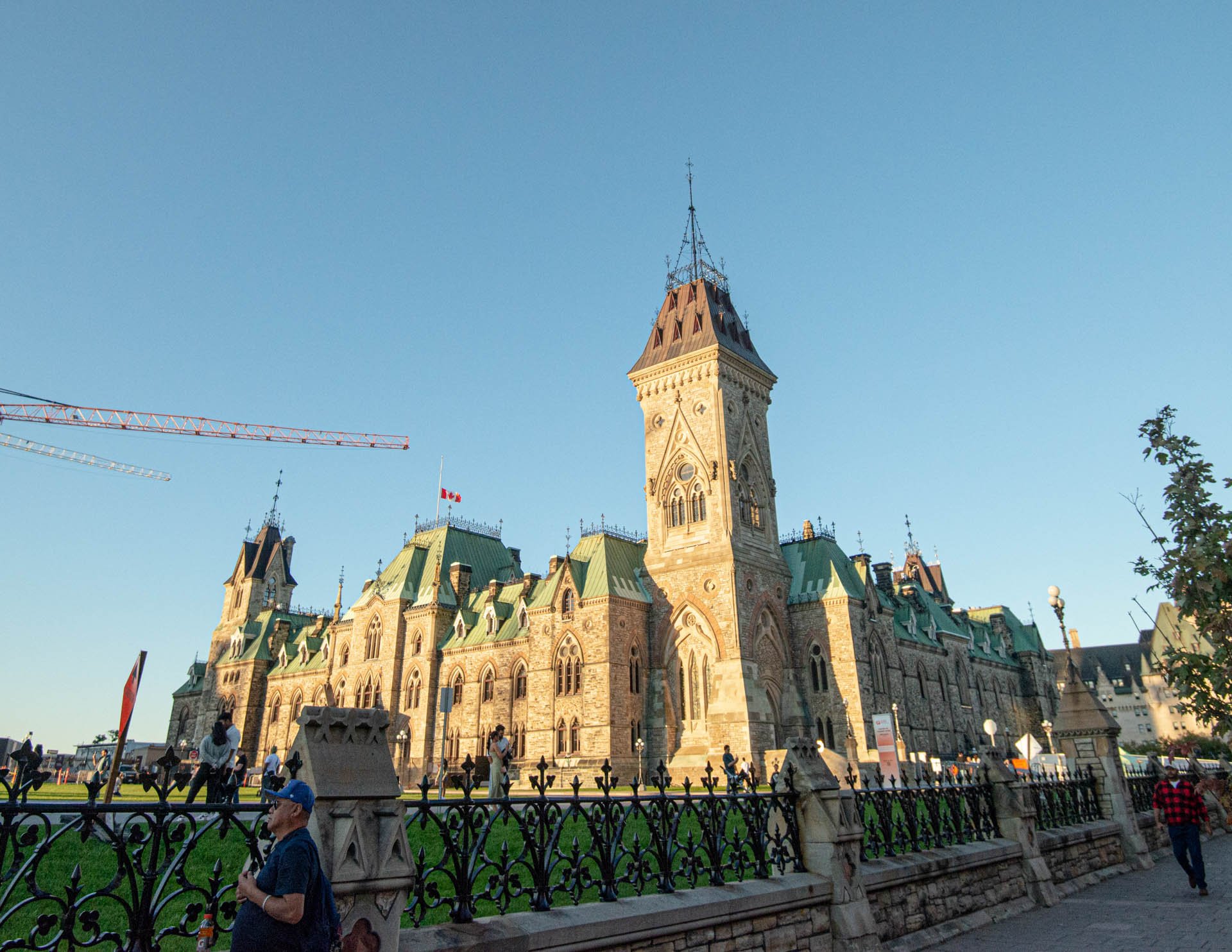
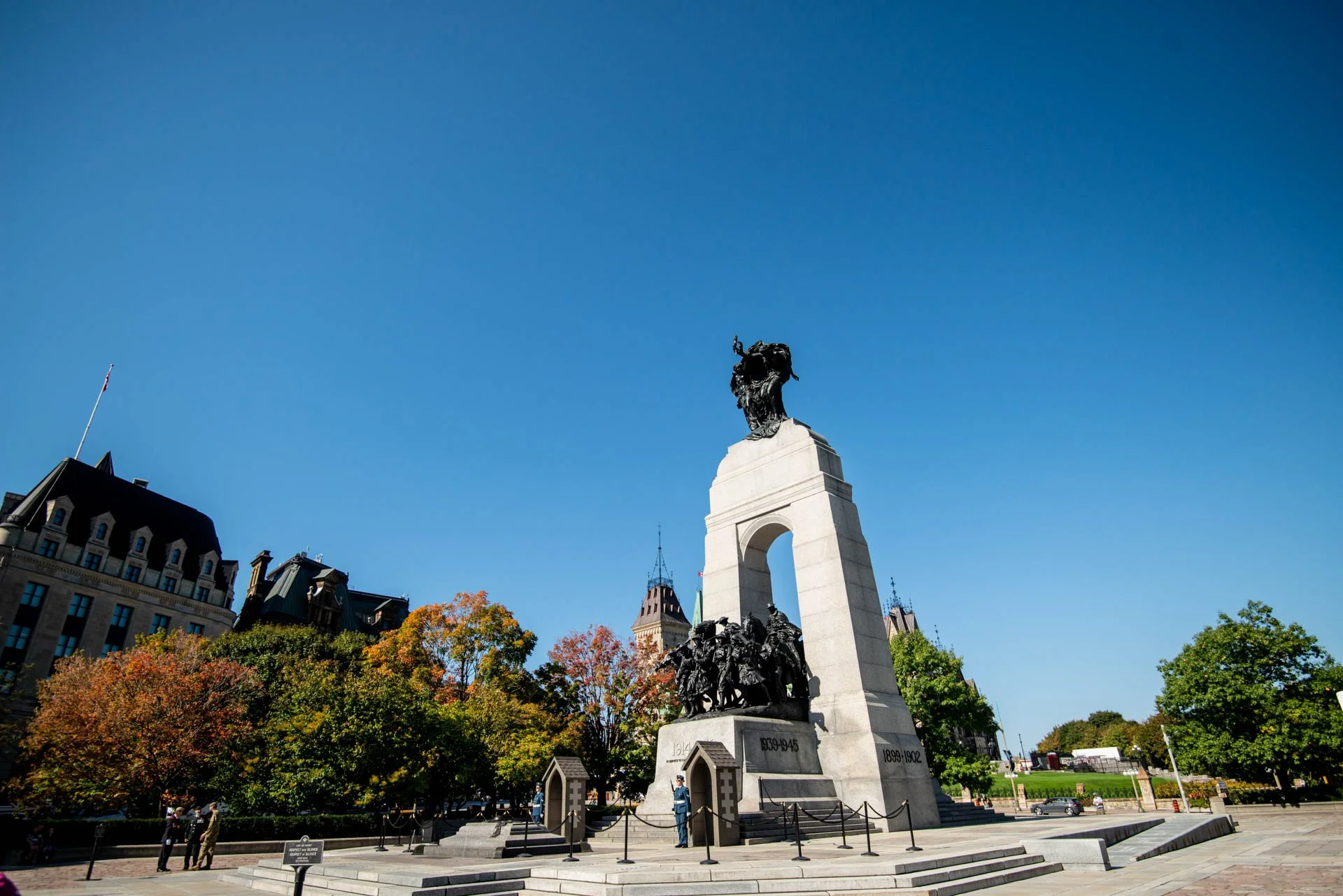
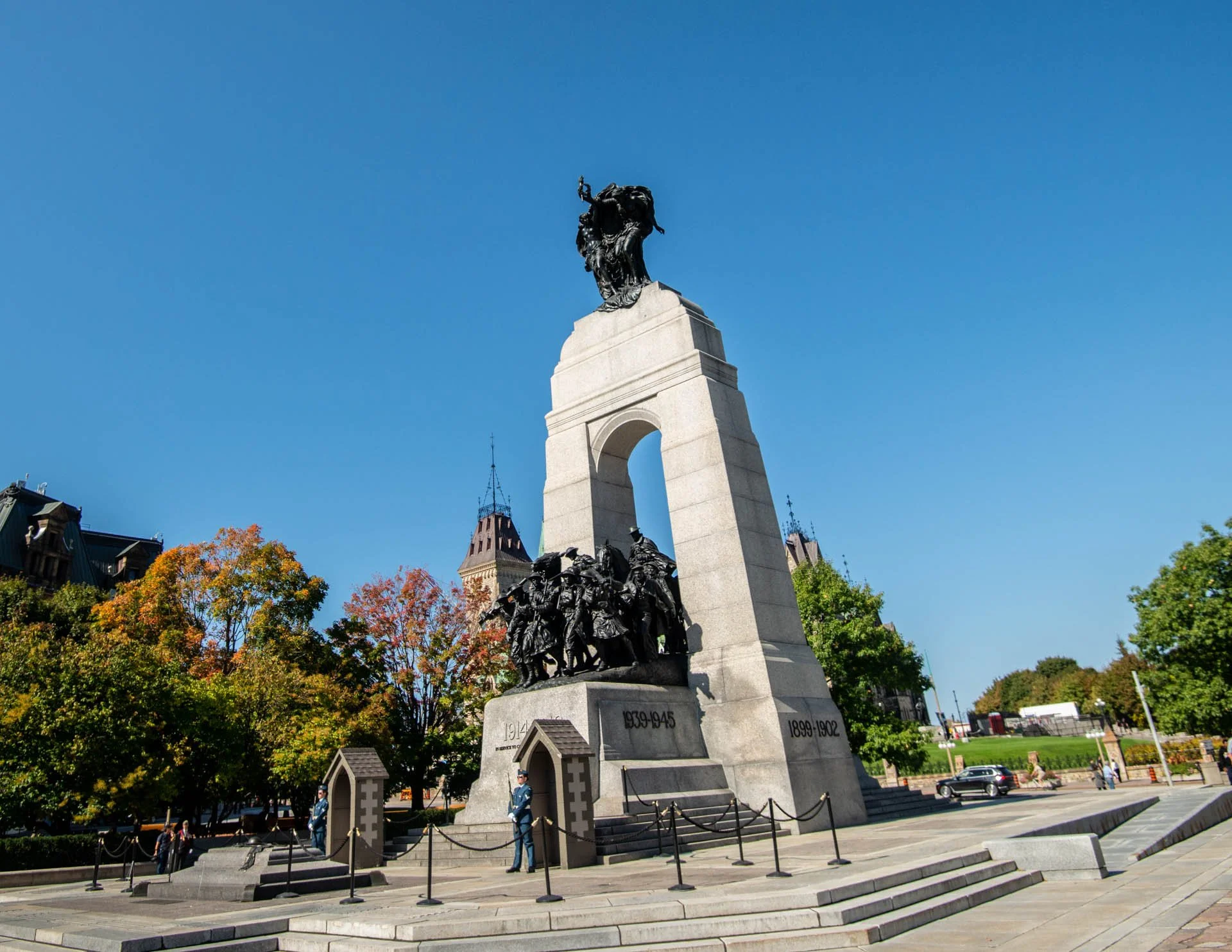
During the late 19th and early 20th centuries, Ottawa evolved from a lumber town into a government city. Grand buildings such as Parliament Hill became the centre of Canadian political life. A devastating fire in 1916 destroyed the original Centre Block of Parliament, which was later rebuilt along with the iconic Peace Tower.
Throughout the 20th century, Ottawa continued to expand, developing into a hub for government, technology, and culture. Today, the city is known for its historic sites, national institutions, and landmarks like the Rideau Canal, which in winter becomes the world’s largest skating rink, and serves as the political heart of Canada.
Ottawa now stands as a bilingual capital where history, government, and culture meet along the banks of the Ottawa River.