New Orleans Trip
Founded in 1718 by French colonists under Jean-Baptiste Le Moyne de Bienville, New Orleans was established as a strategic port along the Mississippi River. Named after Philippe II, Duke of Orléans, the settlement quickly became an important hub for trade in the French colony of Louisiana.
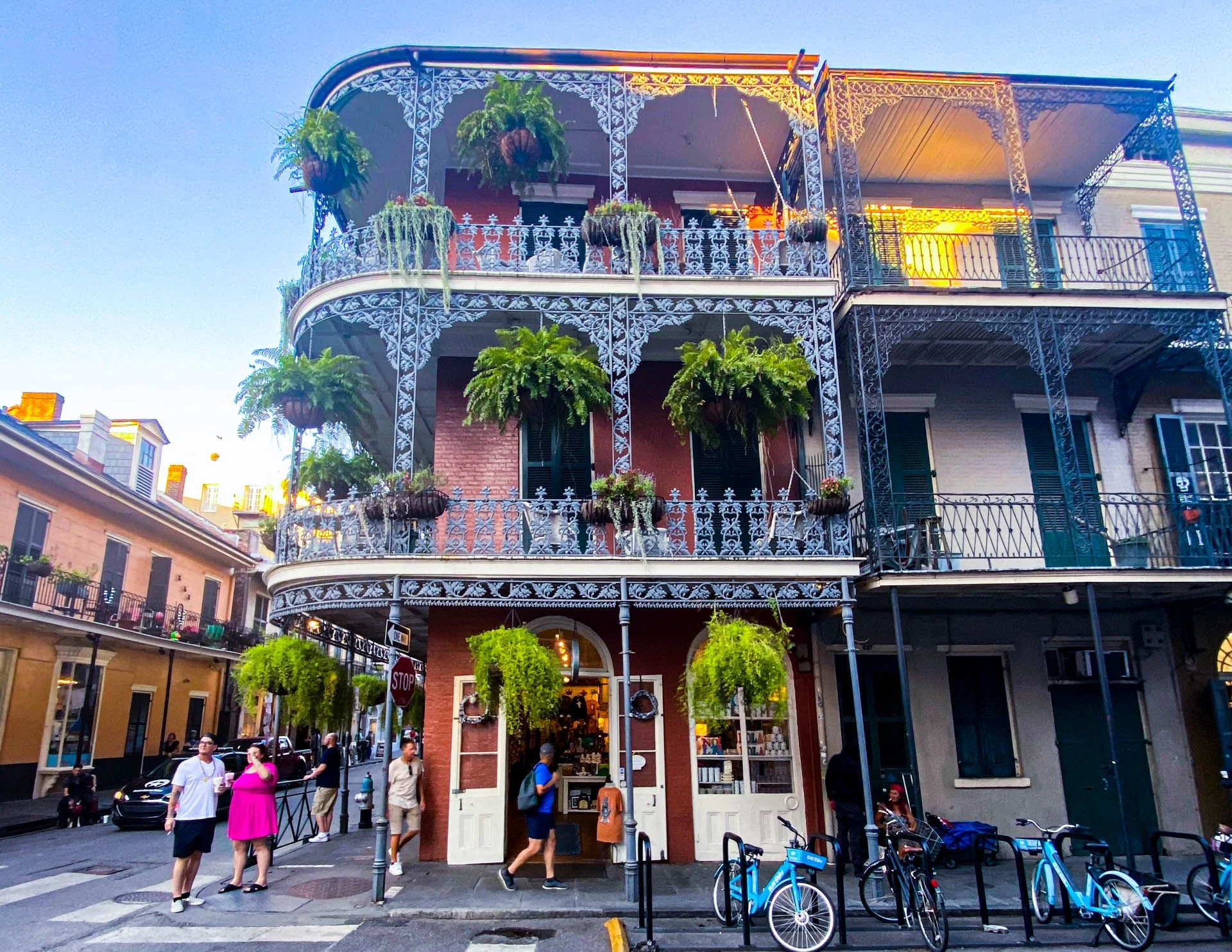
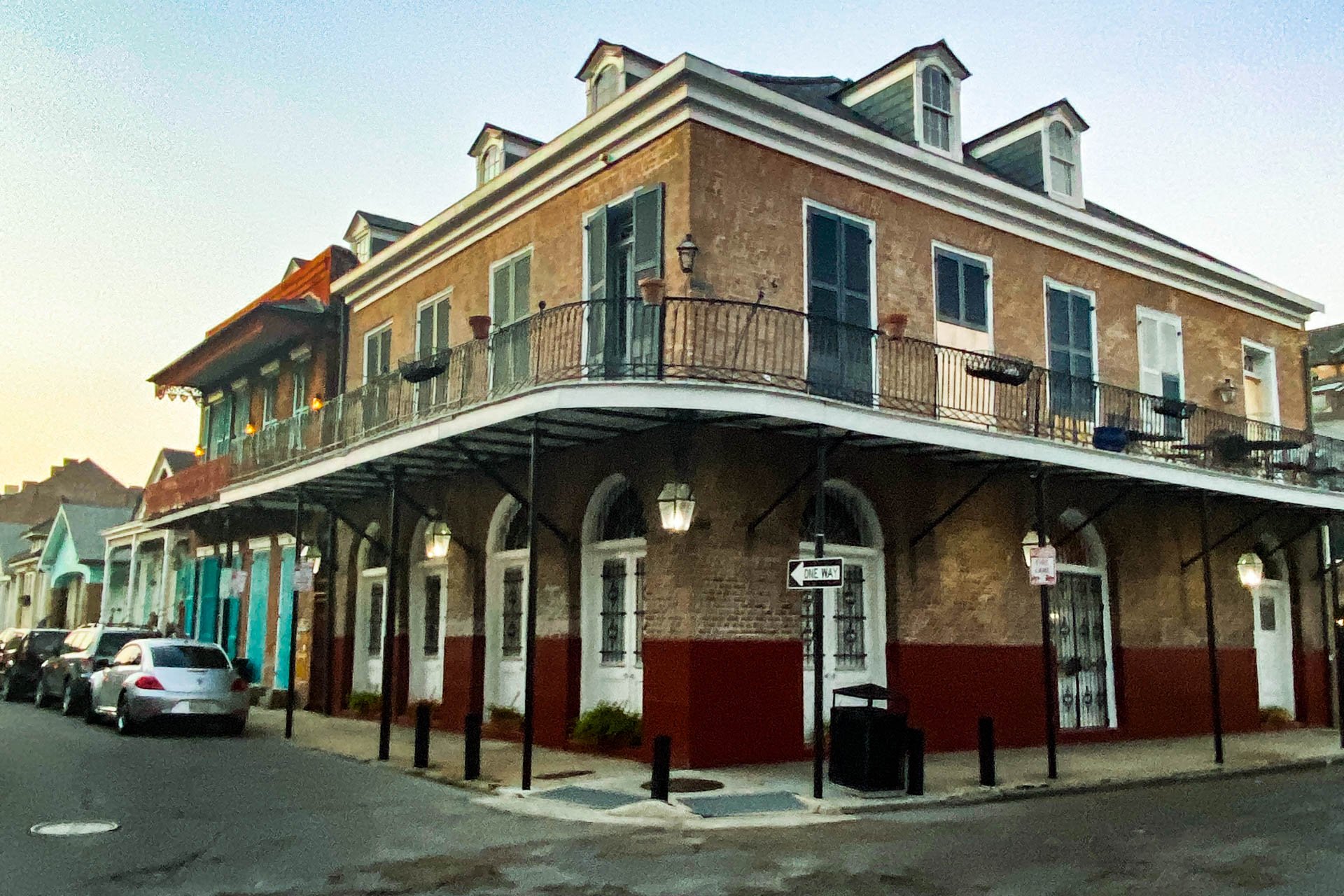
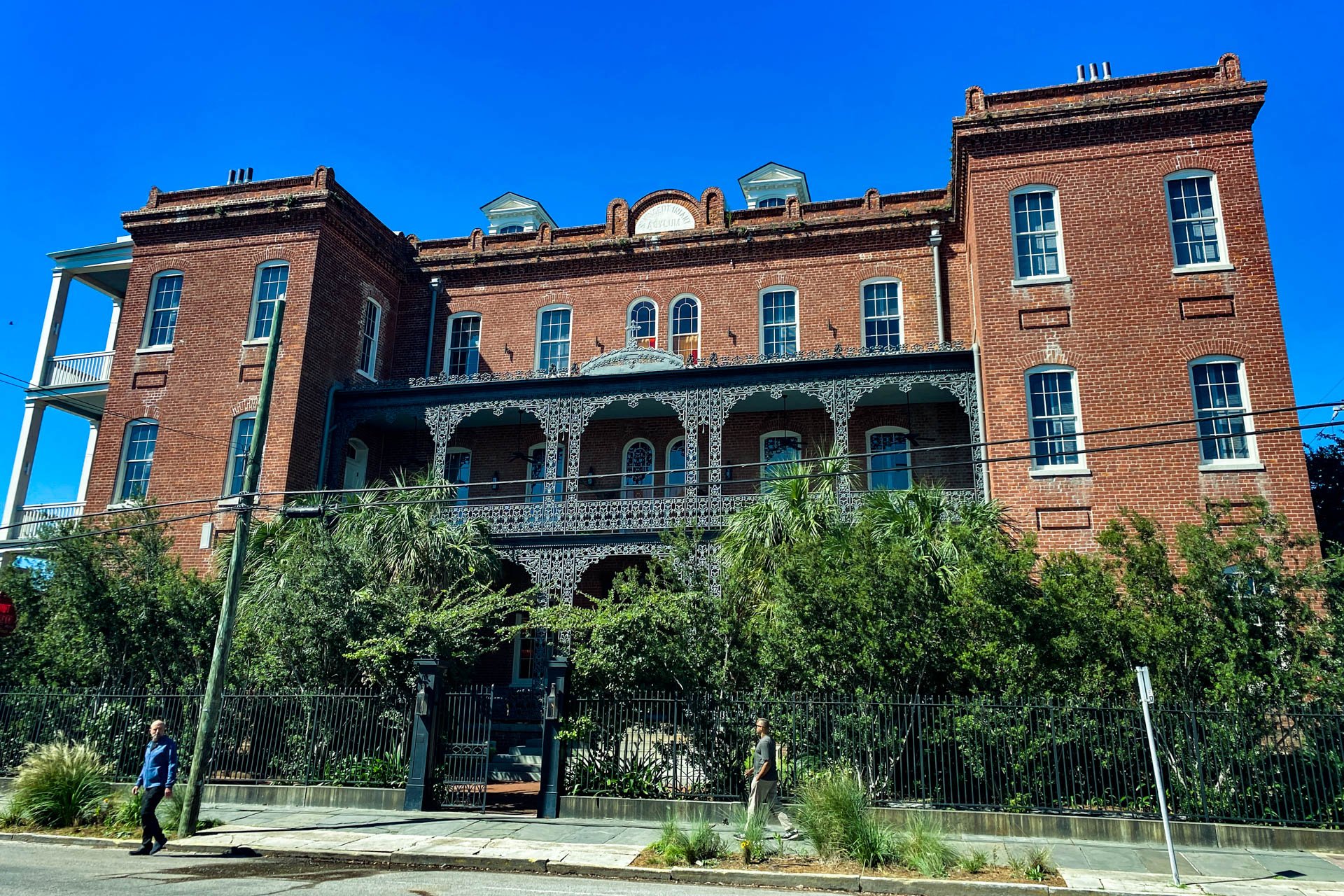
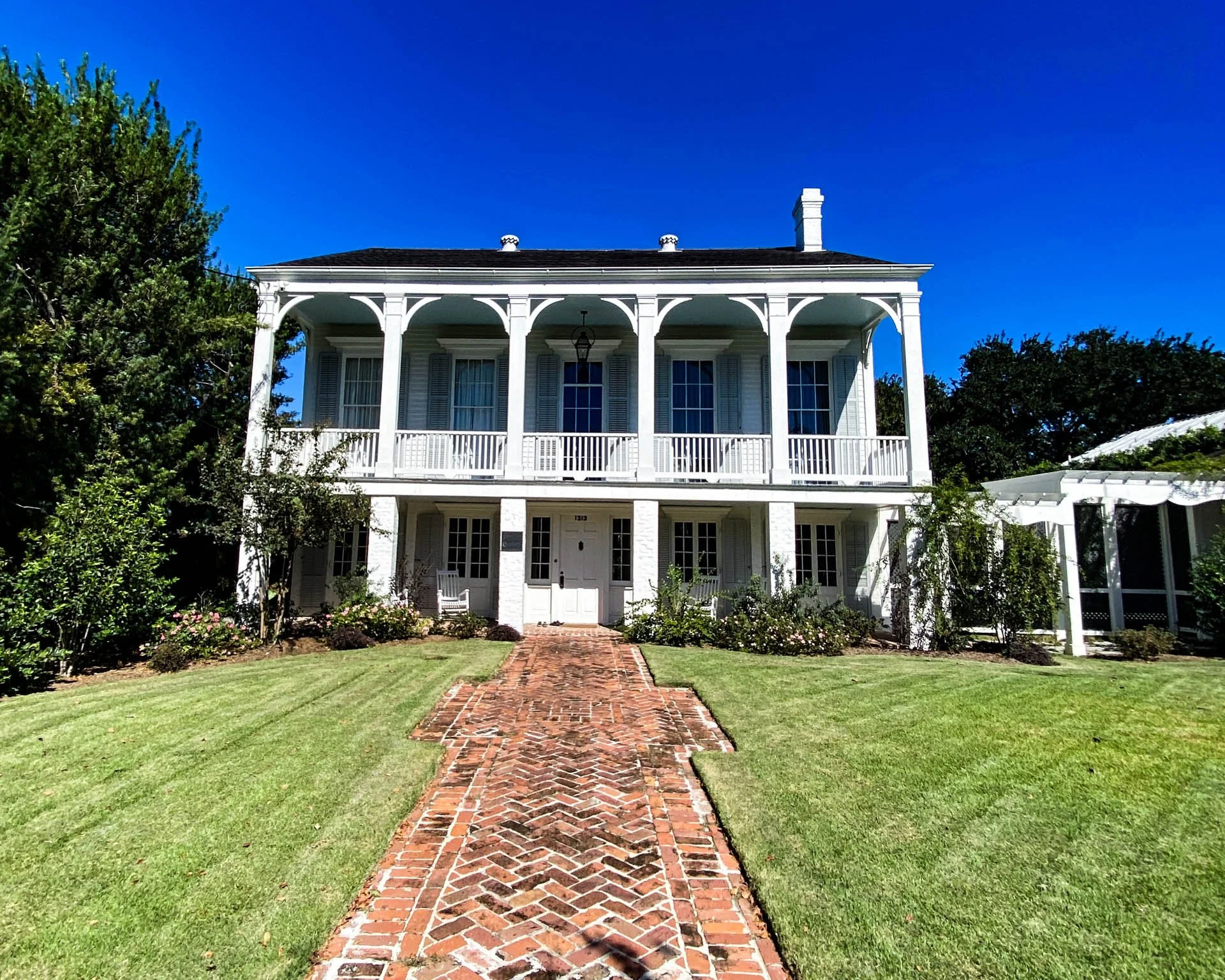
Control of the city changed hands several times in the 18th century. After the Seven Years' War, France ceded Louisiana to Spain in 1763. Spanish rule lasted for nearly four decades and left a lasting mark on the city’s architecture and culture—much of the historic French Quarter seen today was rebuilt during this period after devastating fires in 1788 and 1794. In 1800, the territory briefly returned to France before being sold to the United States in the Louisiana Purchase.
New Orleans soon became one of the most important ports in North America, exporting cotton, sugar, and other goods from the interior of the continent. The city’s strategic value was highlighted during the Battle of New Orleans, where American forces led by Andrew Jackson defeated the British in a decisive victory.
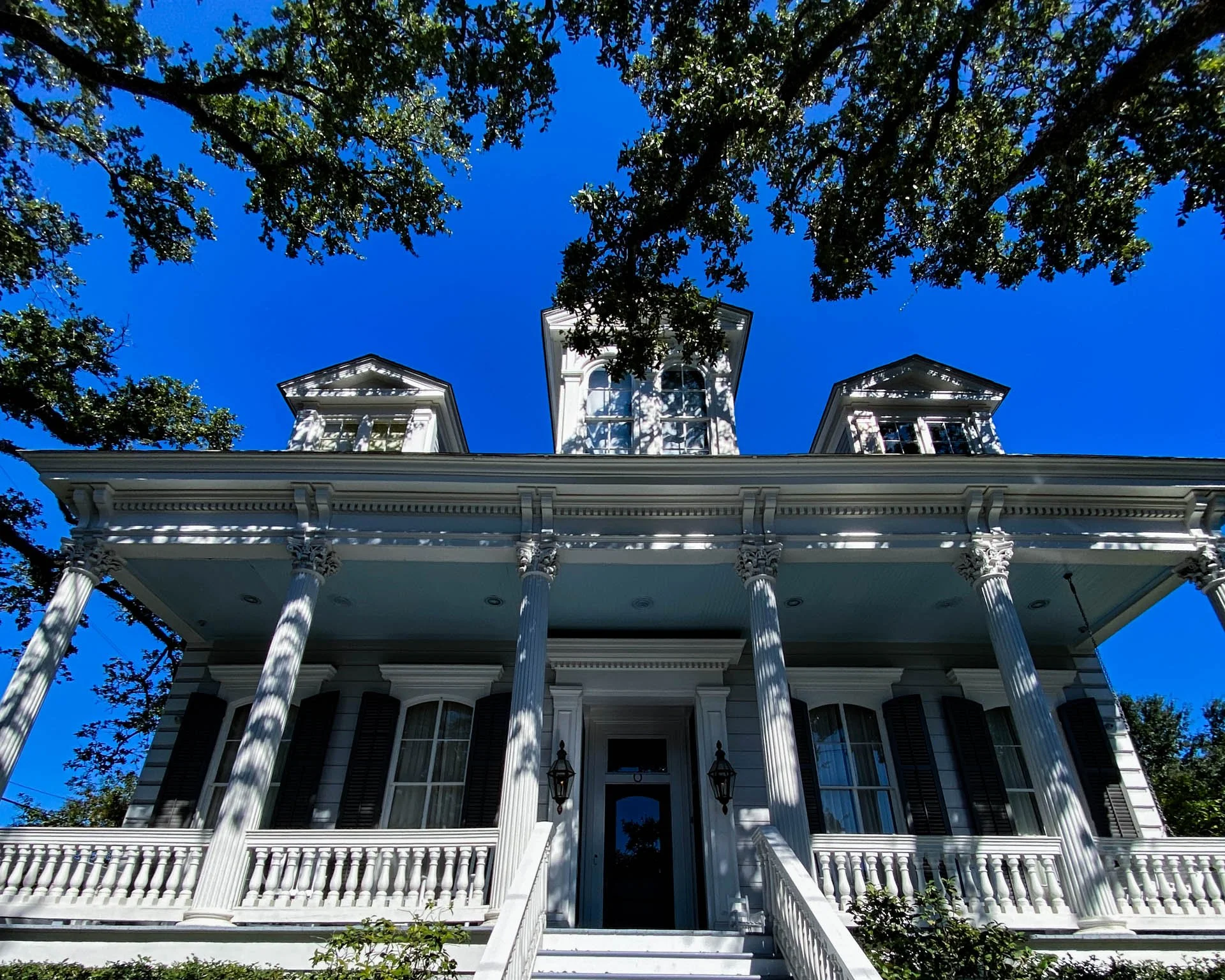
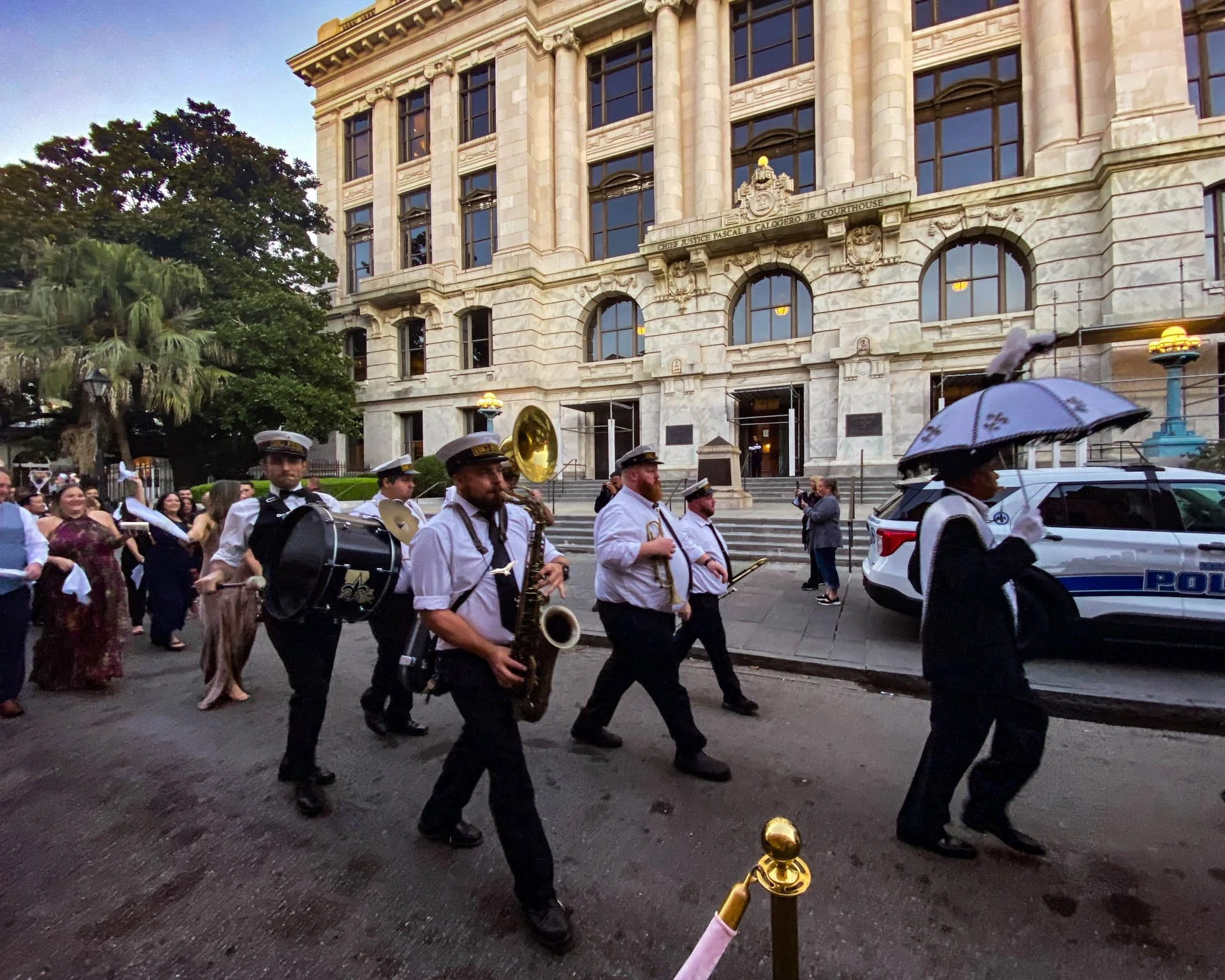
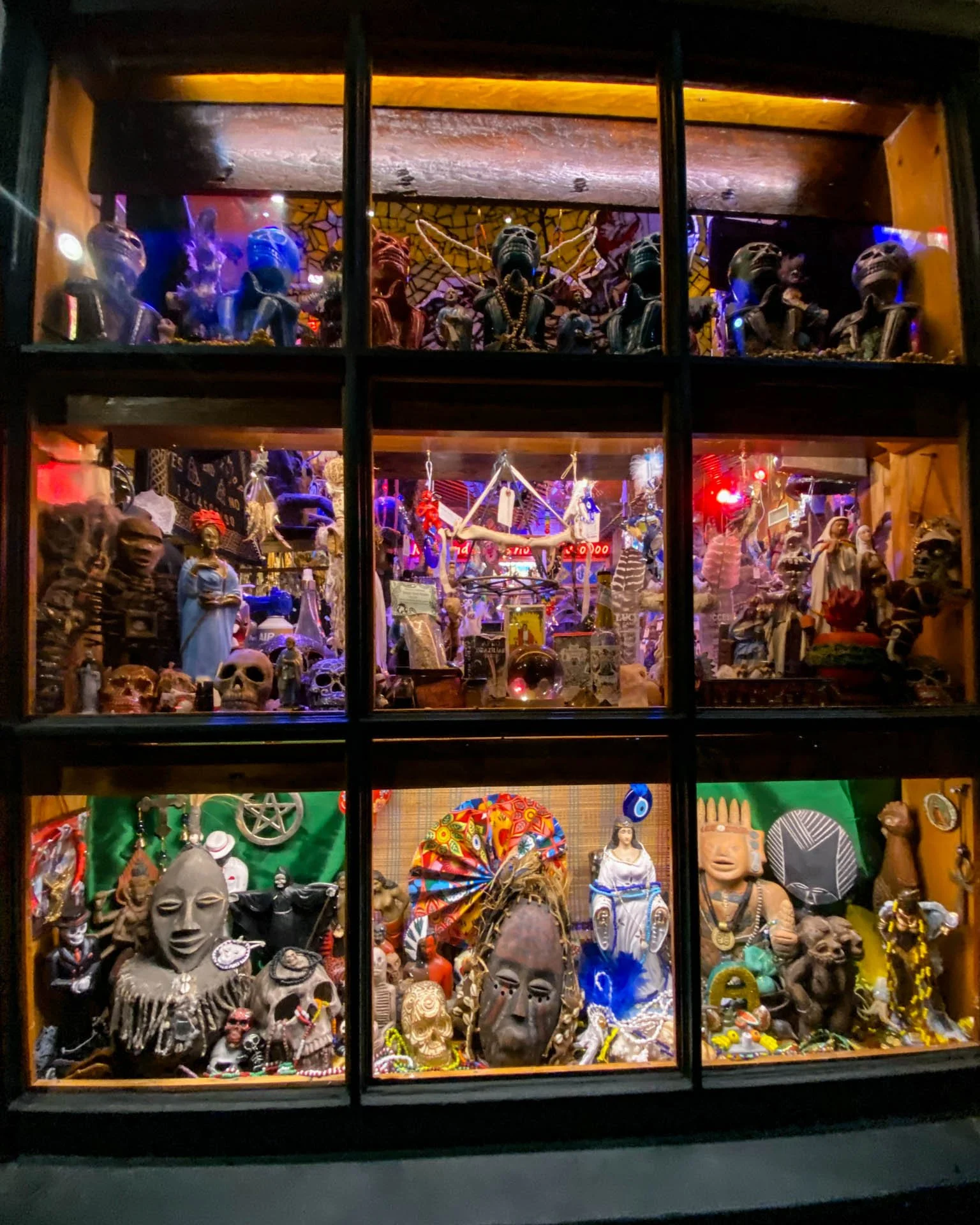
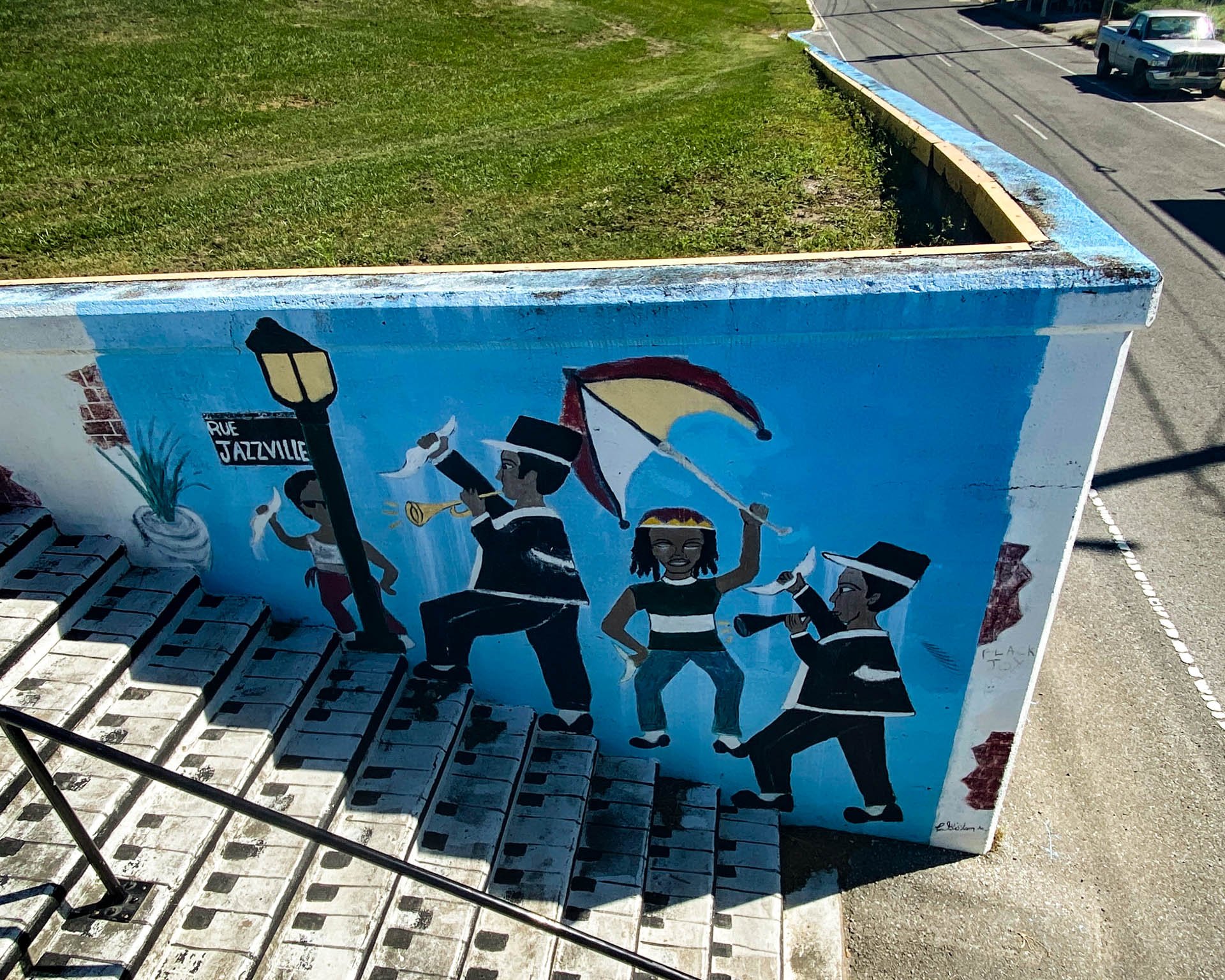
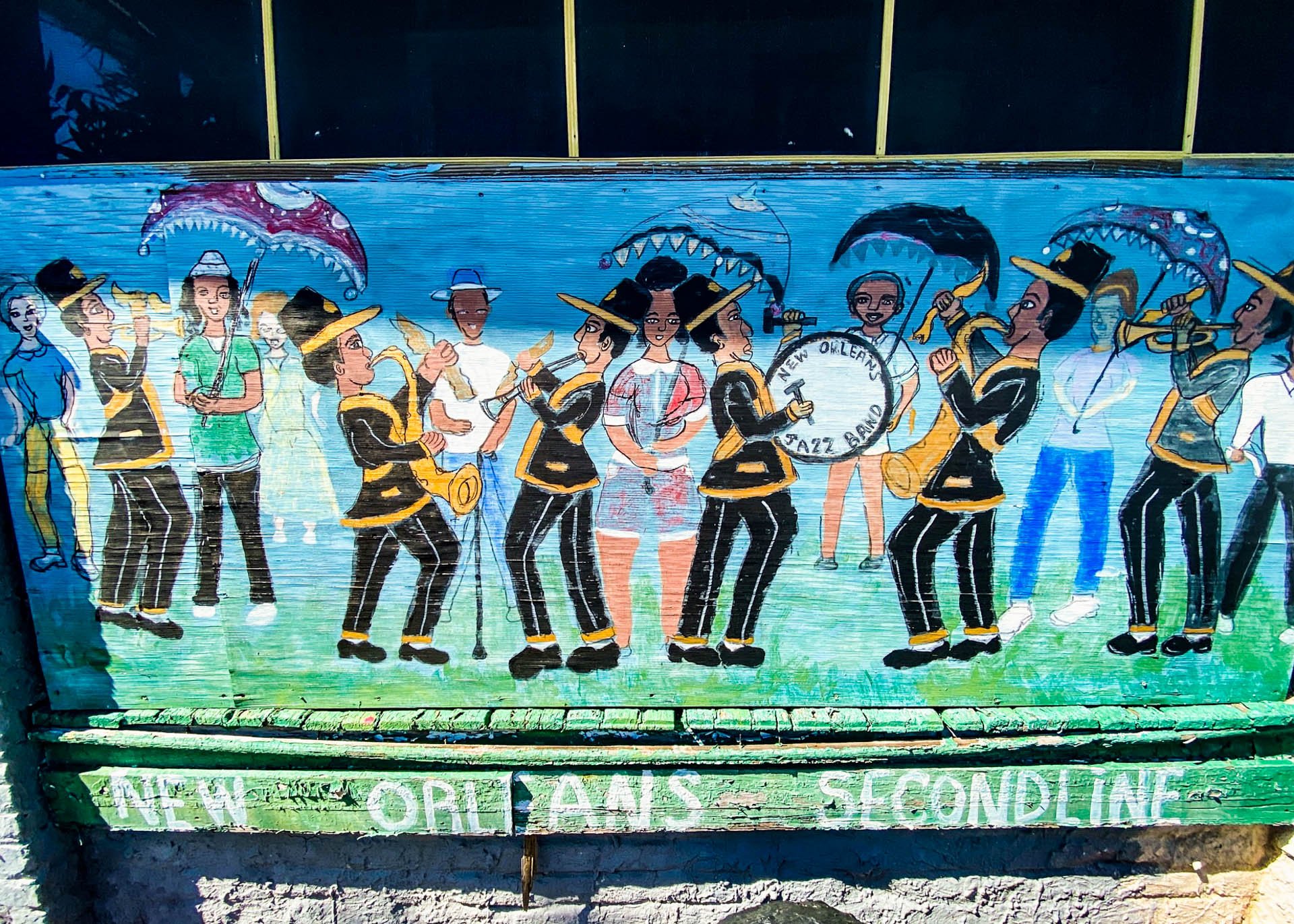
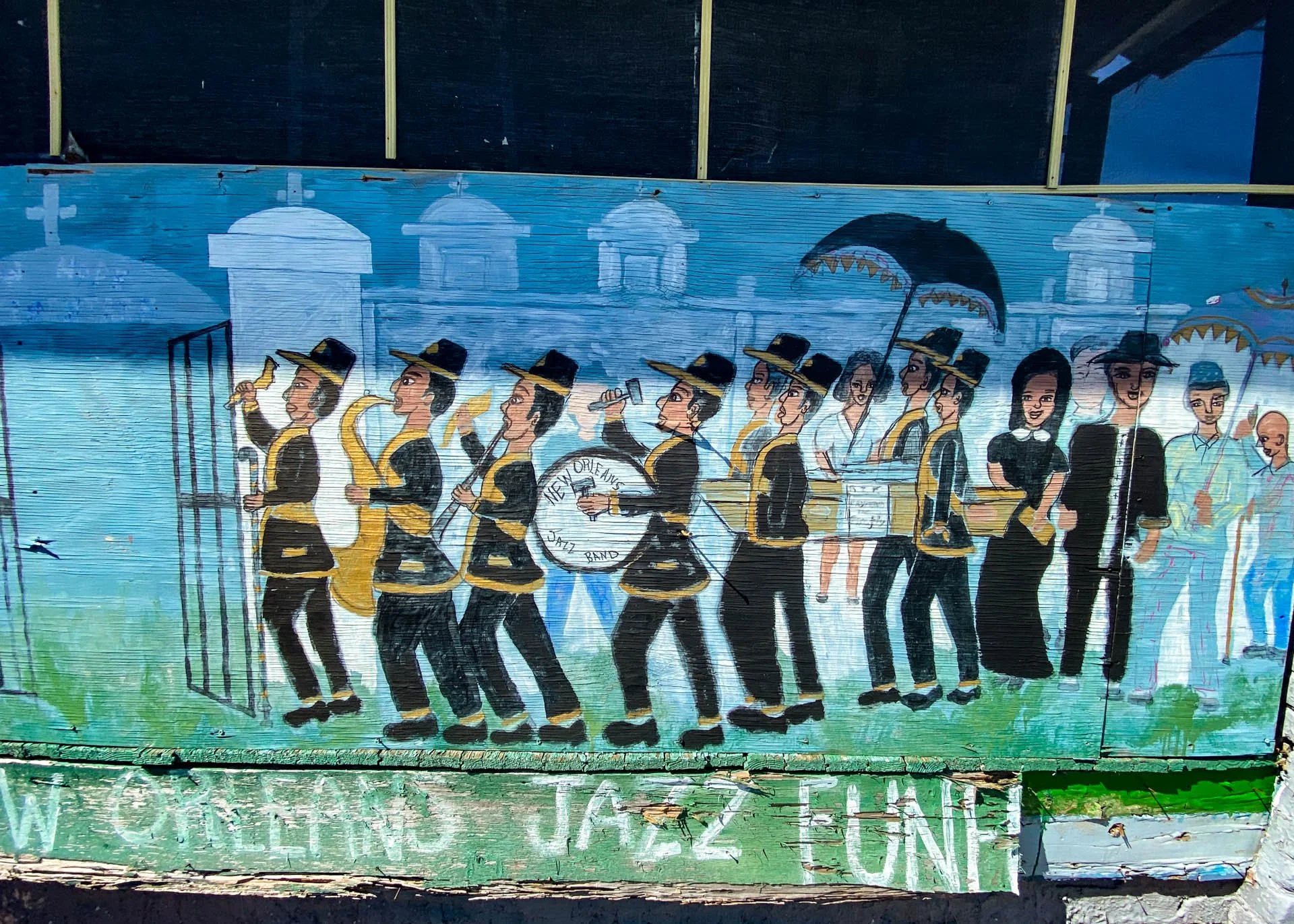
Throughout the 19th century, New Orleans developed a unique cultural identity shaped by French, Spanish, African, Caribbean, and American influences. This blend of cultures gave rise to traditions that still define the city today, including vibrant cuisine, Creole and Cajun culture, and the birth of jazz—associated with legendary musicians such as Louis Armstrong.
The city has also faced significant challenges, most notably Hurricane Katrina, which caused catastrophic flooding and widespread devastation. In the years since, New Orleans has rebuilt and remains internationally celebrated for its resilience and cultural life, especially events like Mardi Gras.
Today, New Orleans stands as one of the most culturally distinctive cities in the United States—where music, food, and history blend into a vibrant identity shaped by more than three centuries along the Mississippi River.