Las Vegas Trip
Long before the famous casinos and neon lights, the Las Vegas area was a desert oasis used by Indigenous peoples for thousands of years, including the Southern Paiute. The name “Las Vegas,” meaning “the meadows” in Spanish, was given in 1829 by Mexican explorer Antonio Armijo who encountered natural springs that supported grasses and vegetation in the otherwise arid region.
The modern city began to take shape in 1905 when land near the railroad was auctioned to create a townsite along the San Pedro, Los Angeles and Salt Lake Railroad. Las Vegas quickly became an important stop for trains traveling between Los Angeles and Salt Lake City.
Two key developments in the early 1930s dramatically changed the city’s future. First, the state of Nevada legalized gambling in 1931. Around the same time, construction began on Hoover Dam, bringing thousands of workers and visitors to the area. Las Vegas became the main entertainment hub for the dam’s workforce.
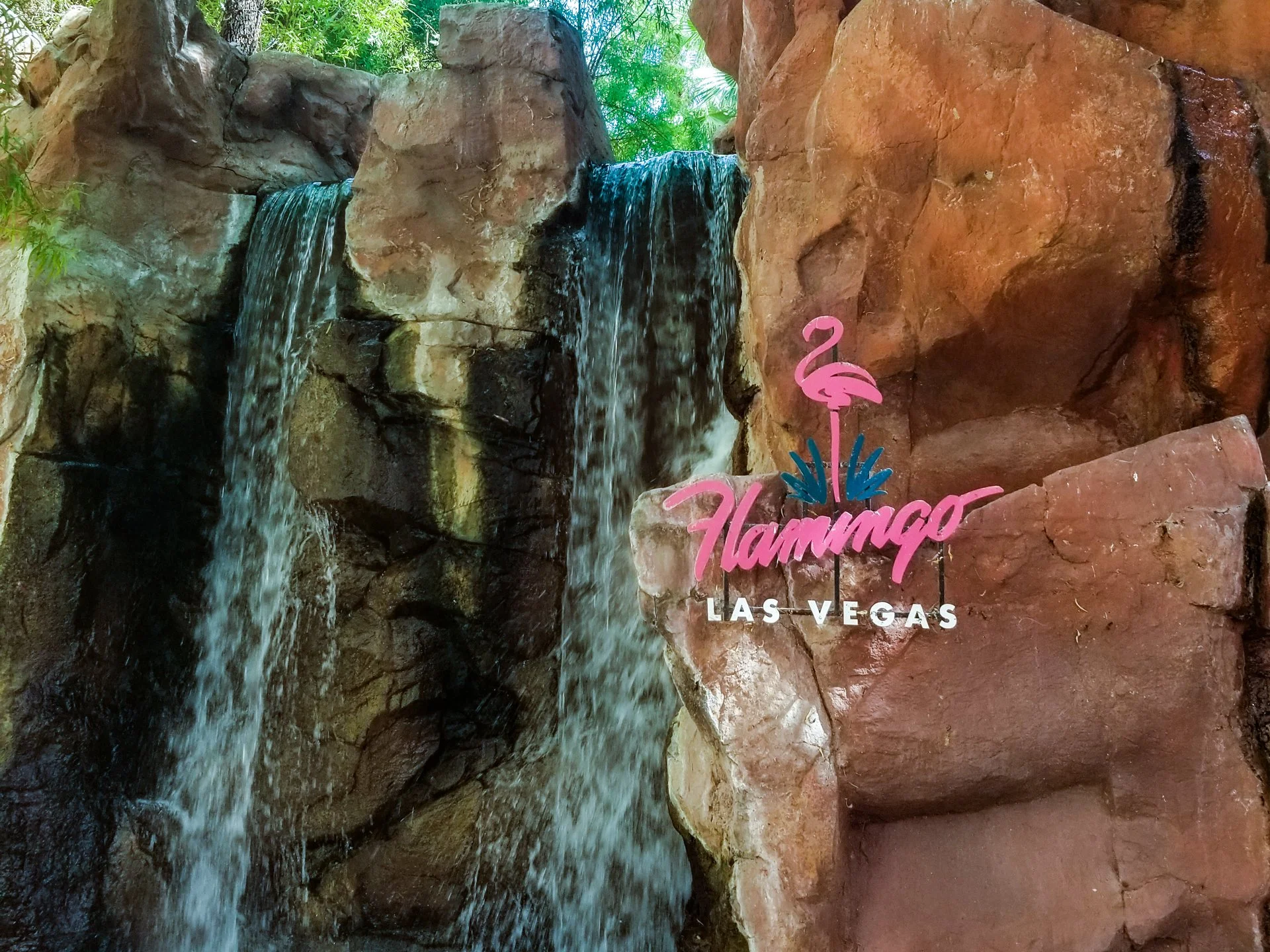
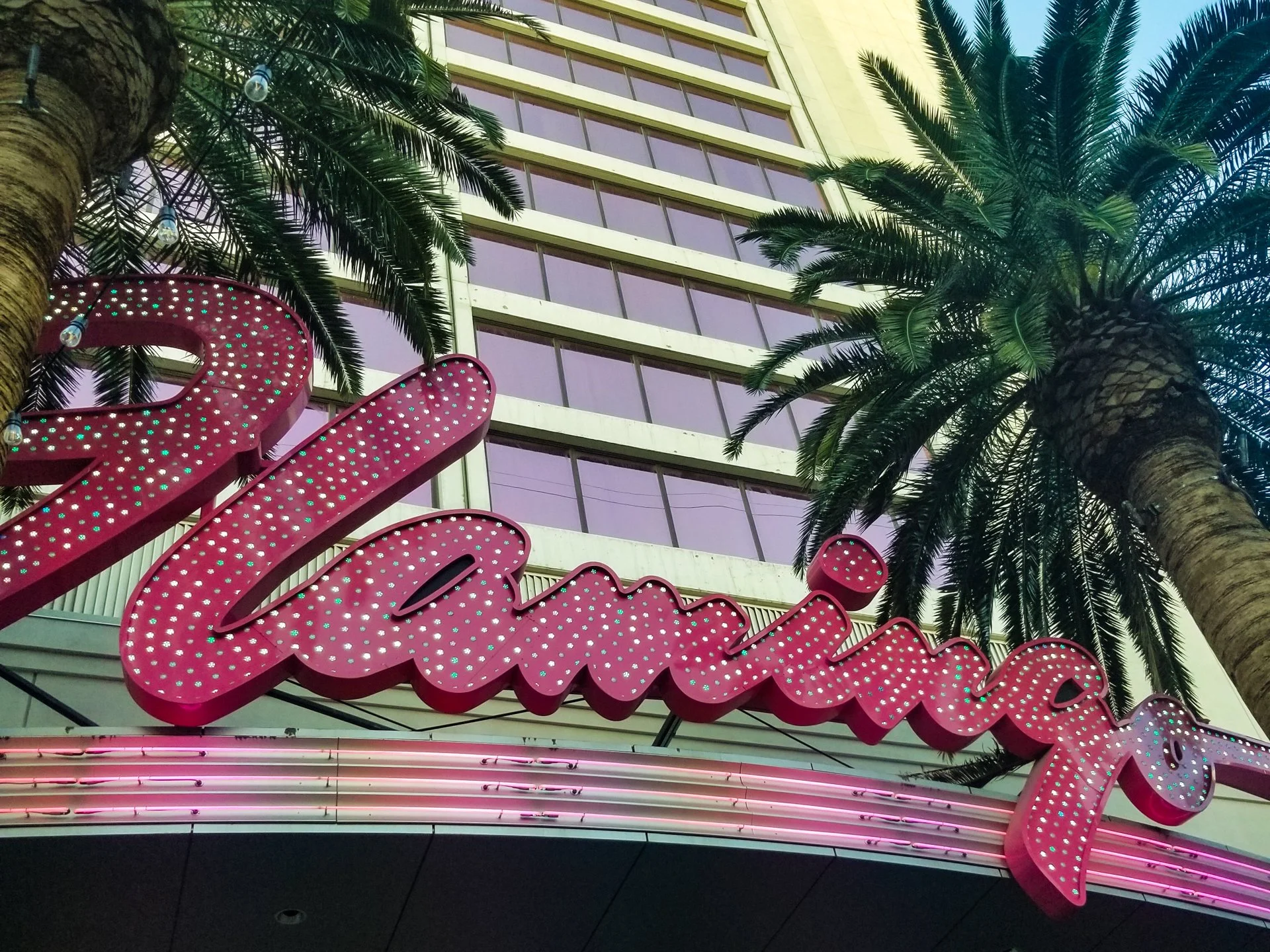
After World War II, Las Vegas expanded rapidly as resort-style casinos appeared along what became known as the Las Vegas Strip. Early resorts such as Flamingo Las Vegas helped establish the city’s reputation for glamorous entertainment, attracting performers like Frank Sinatra and other members of the Rat Pack.
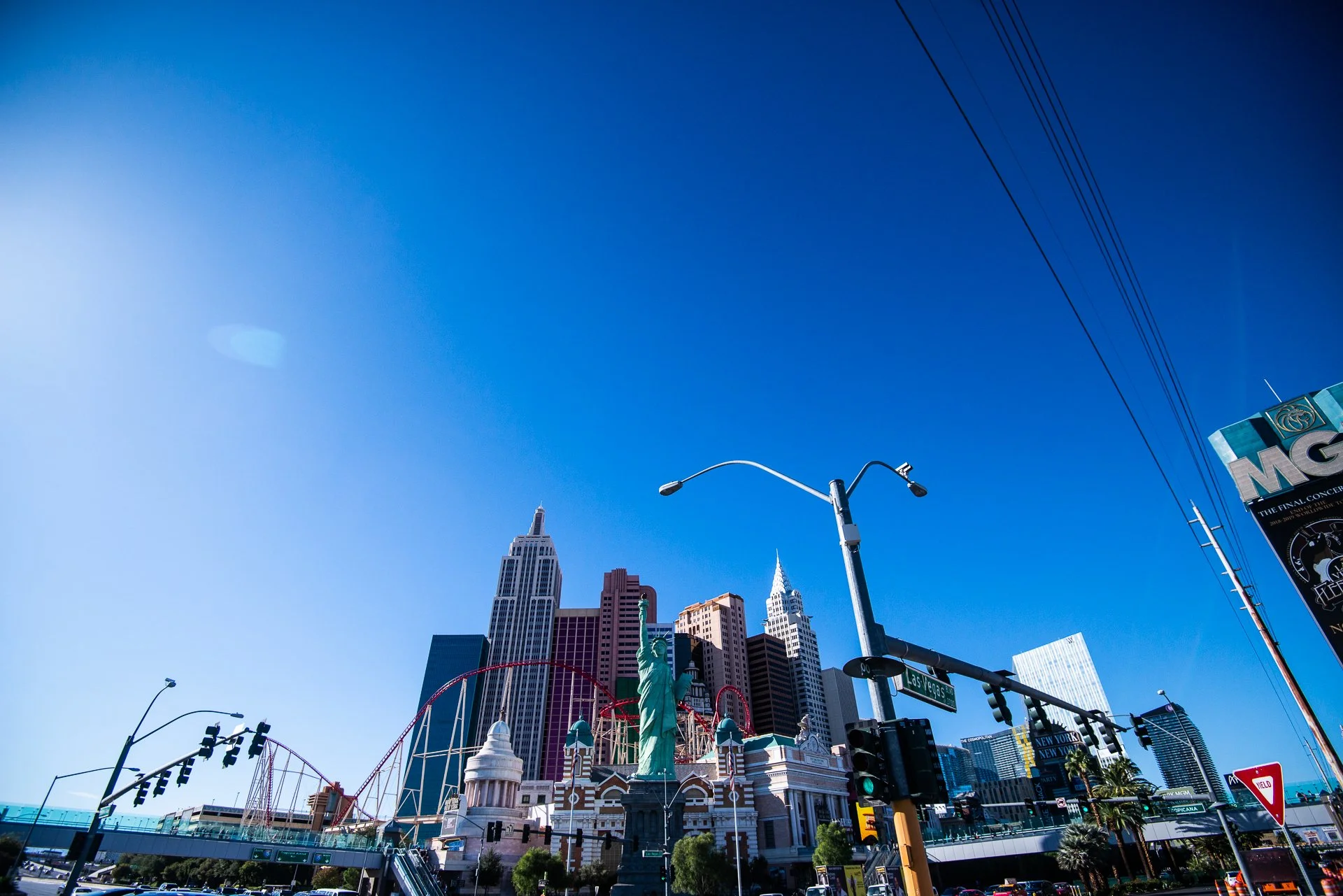
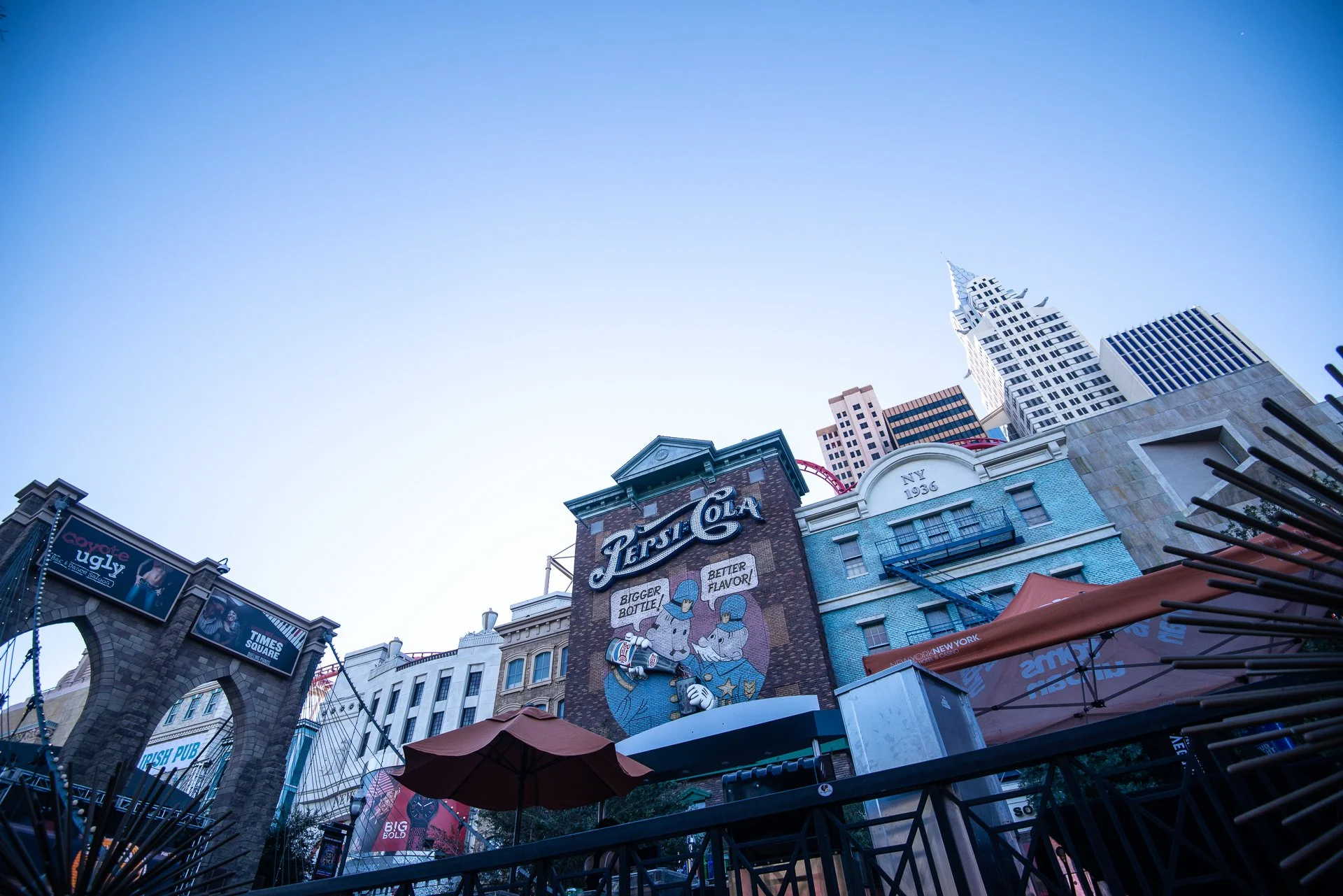
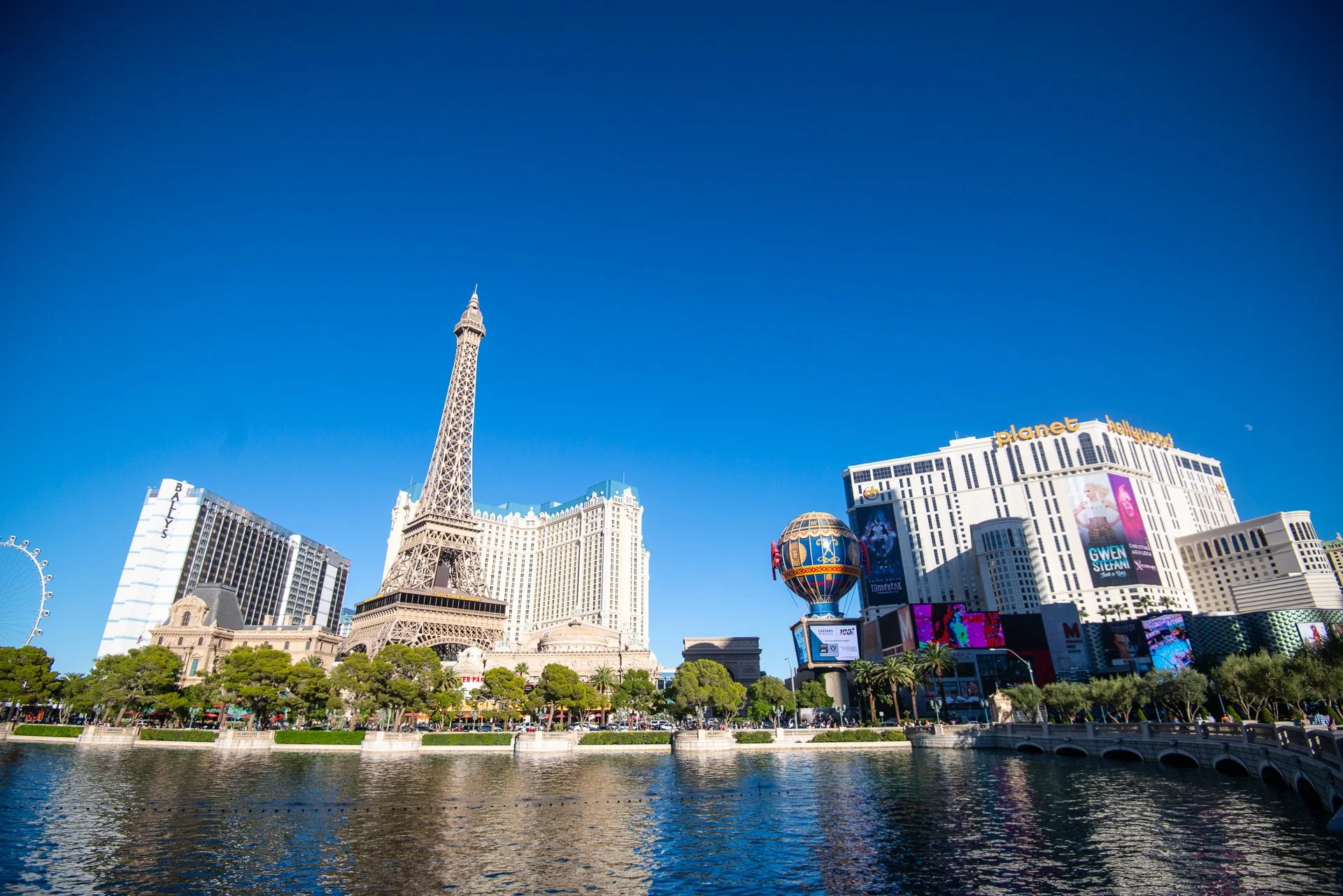
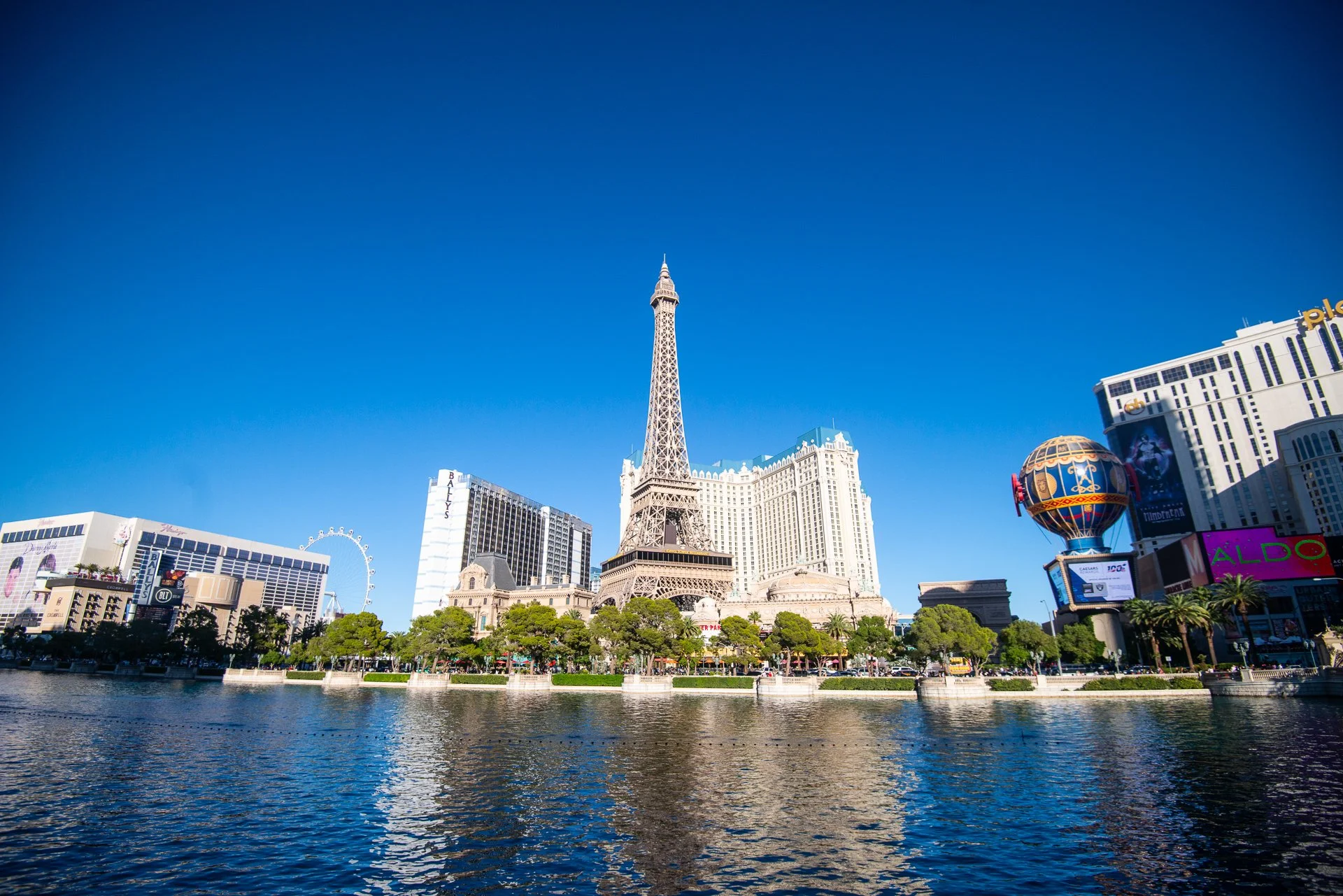
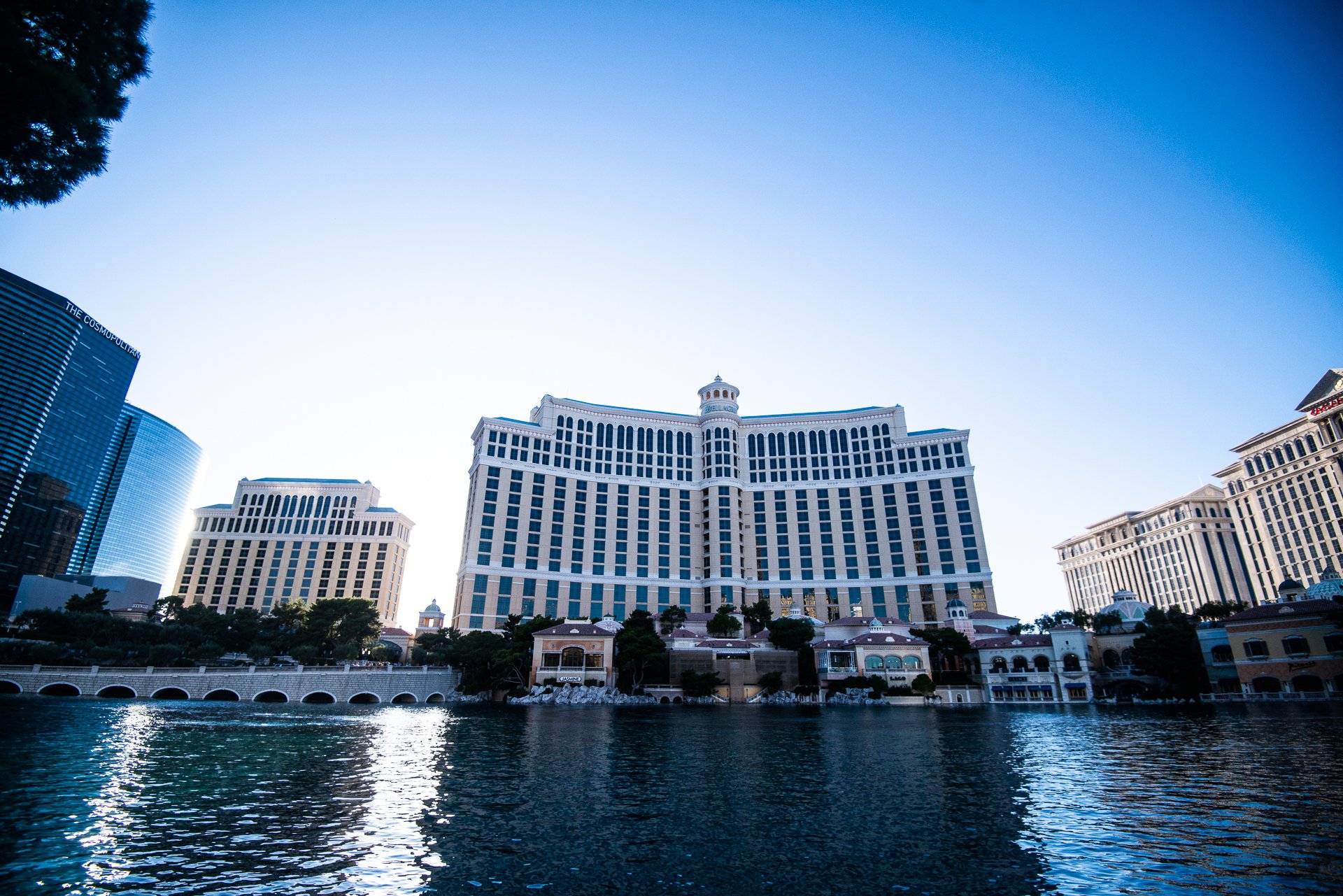
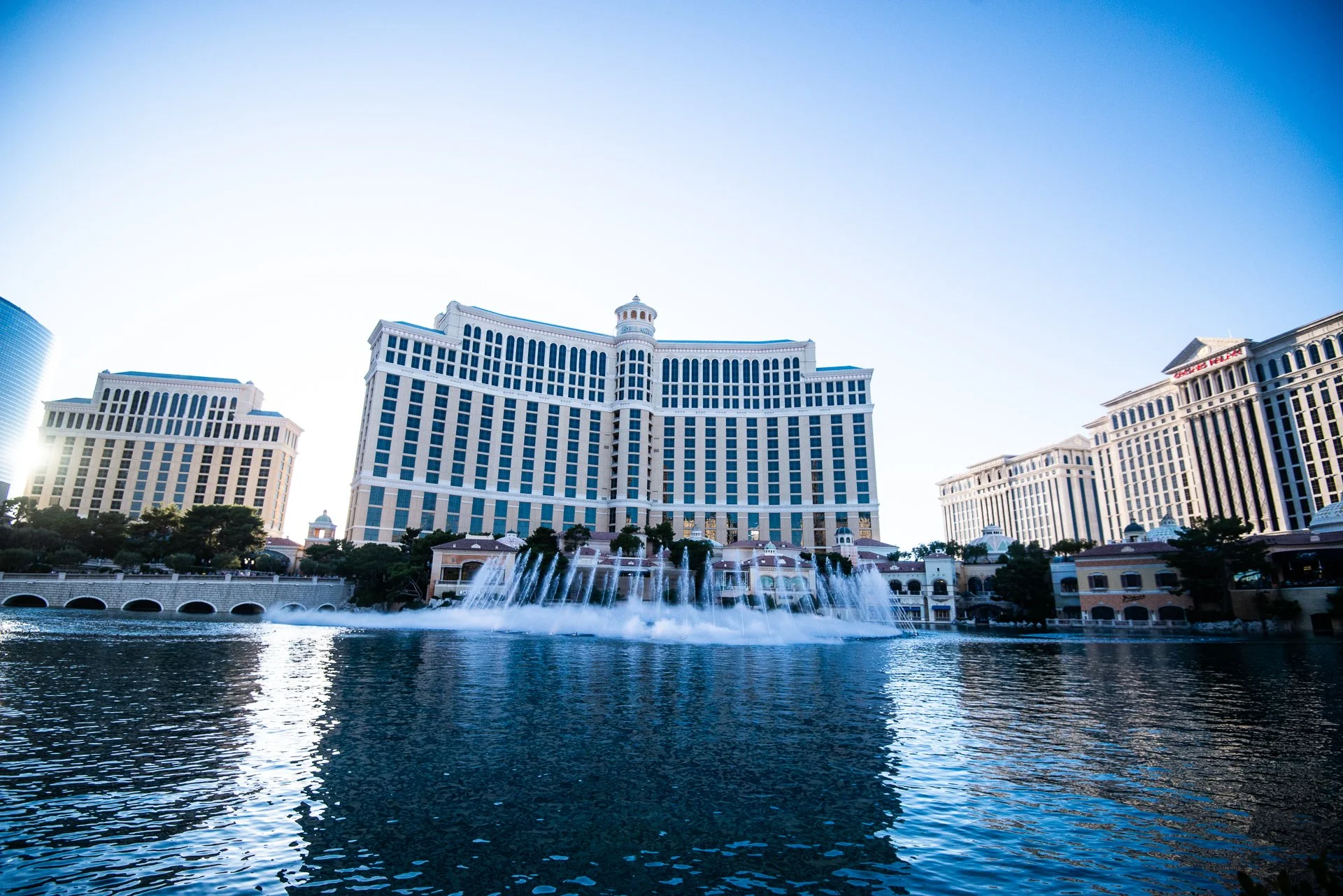
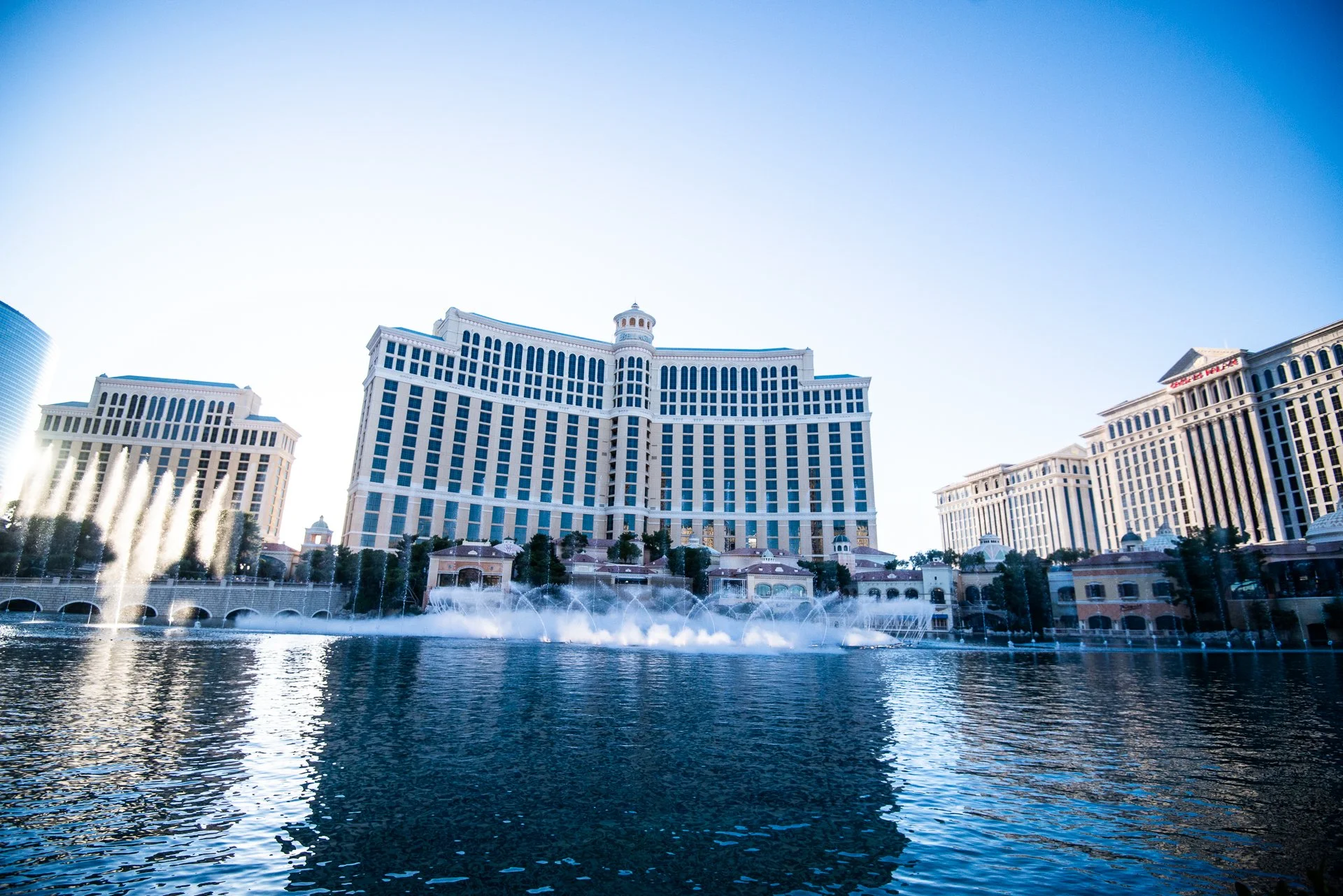
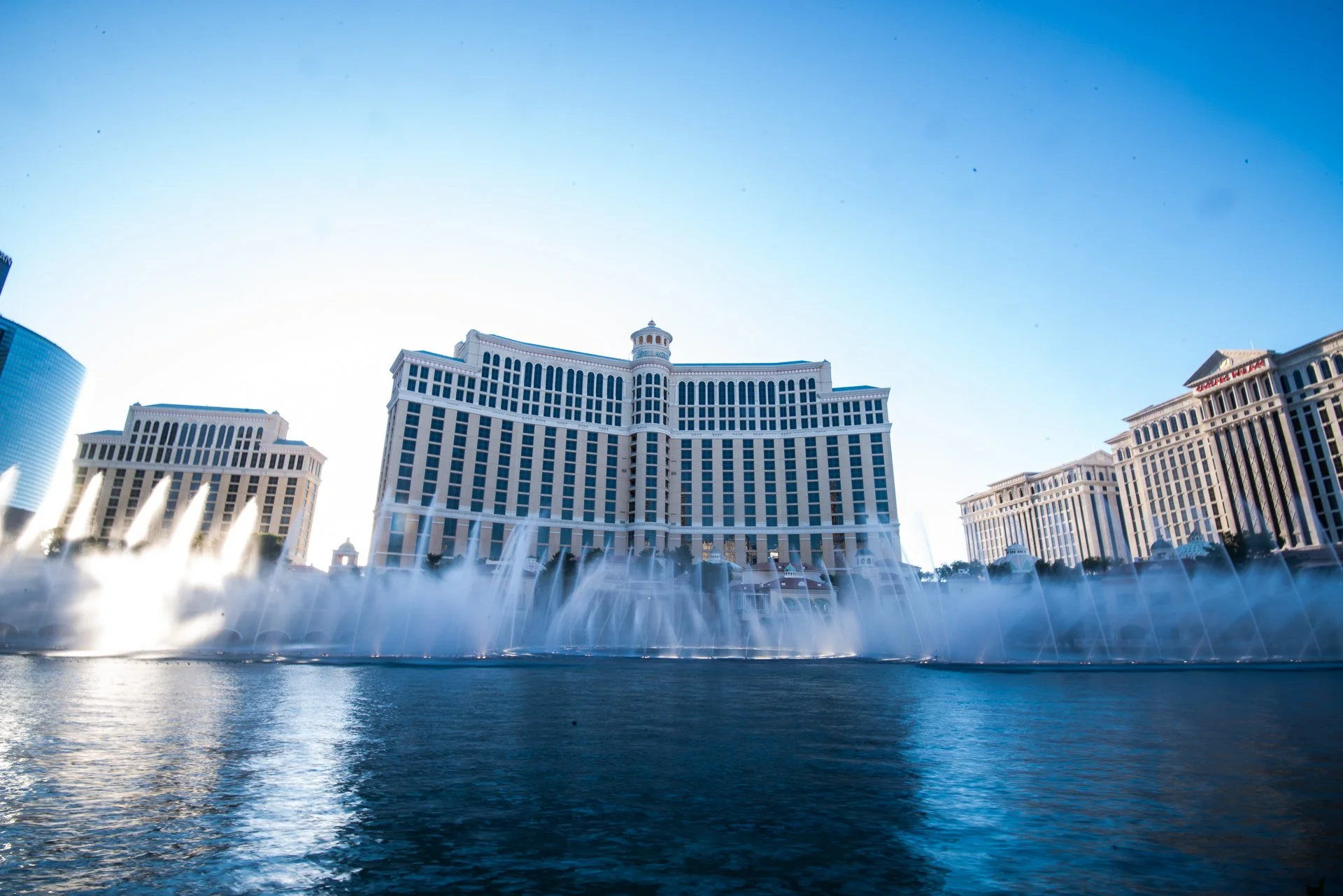
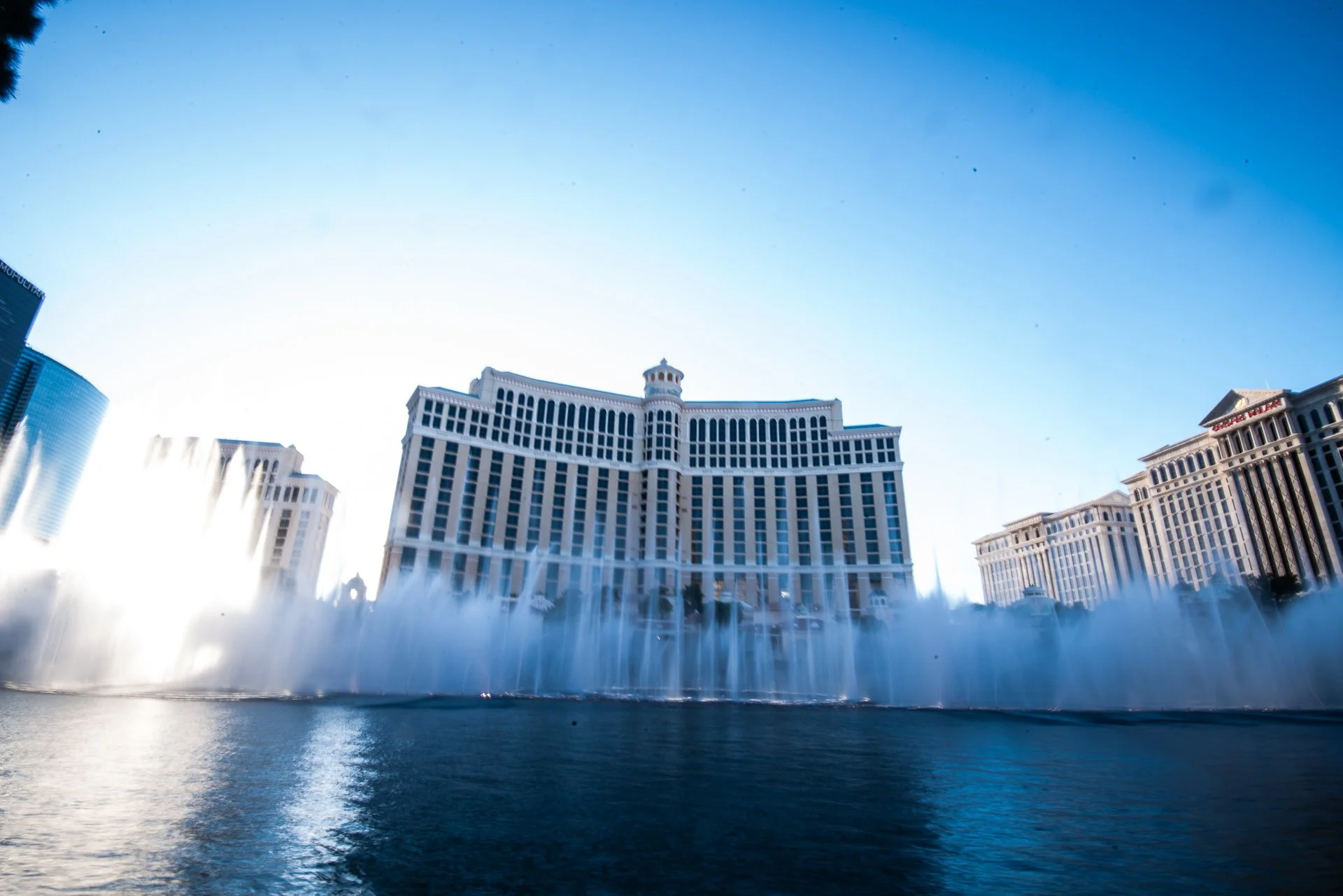
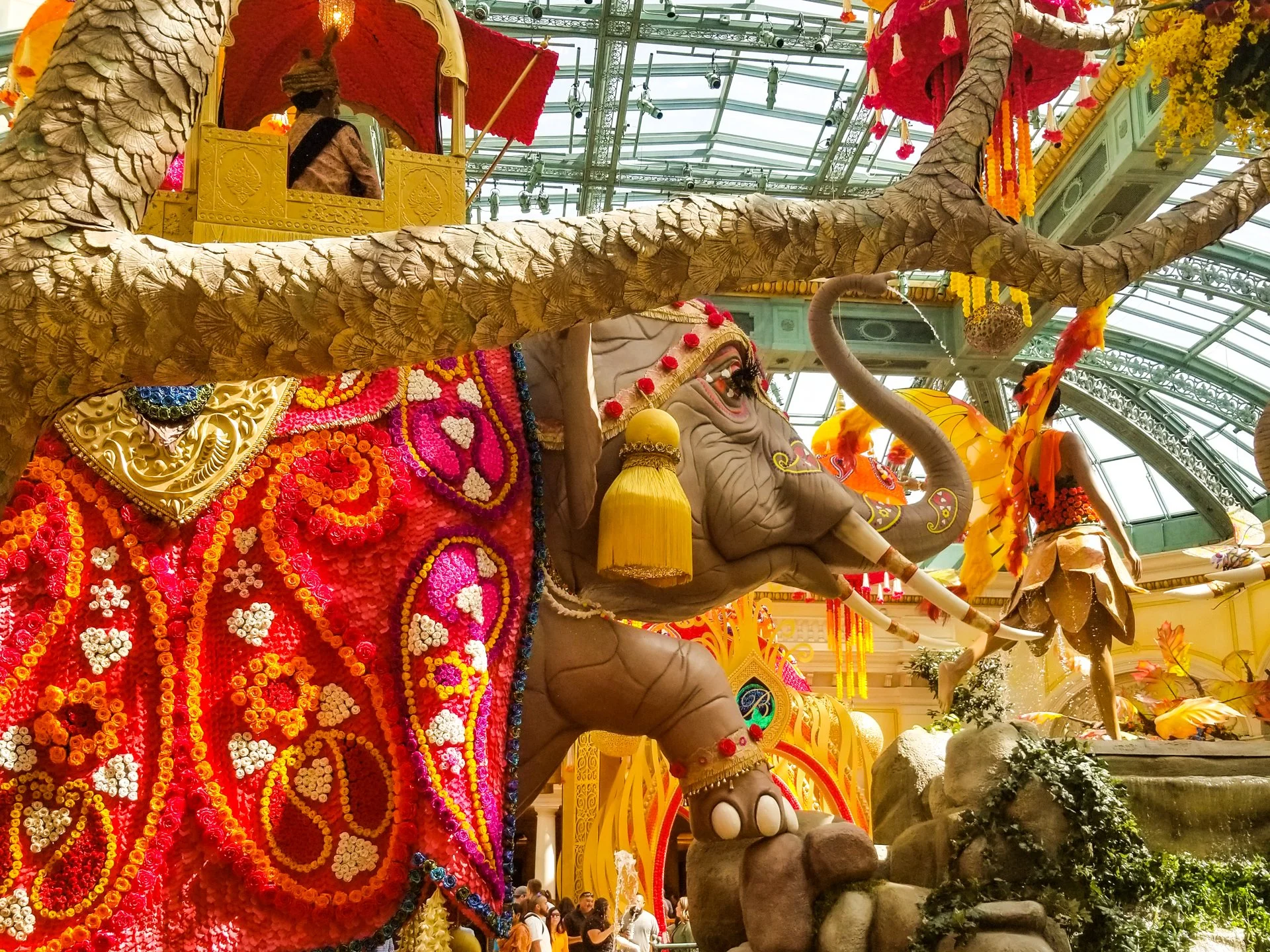
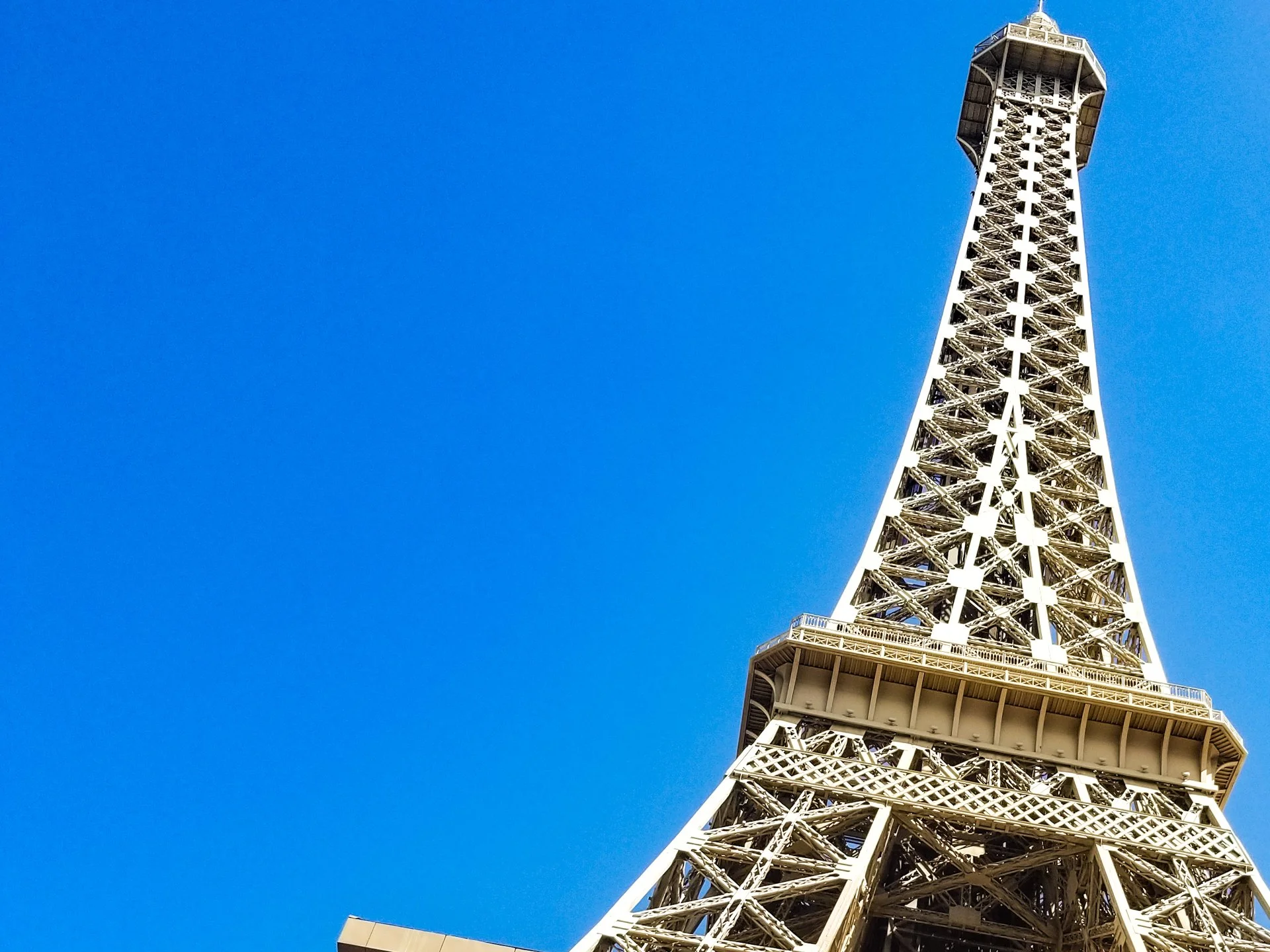
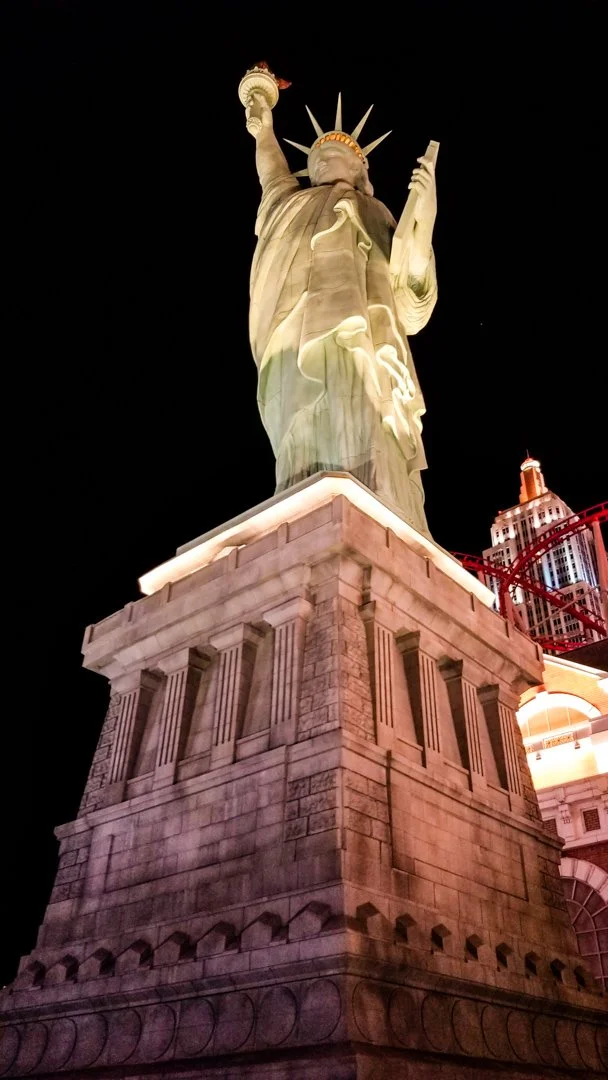
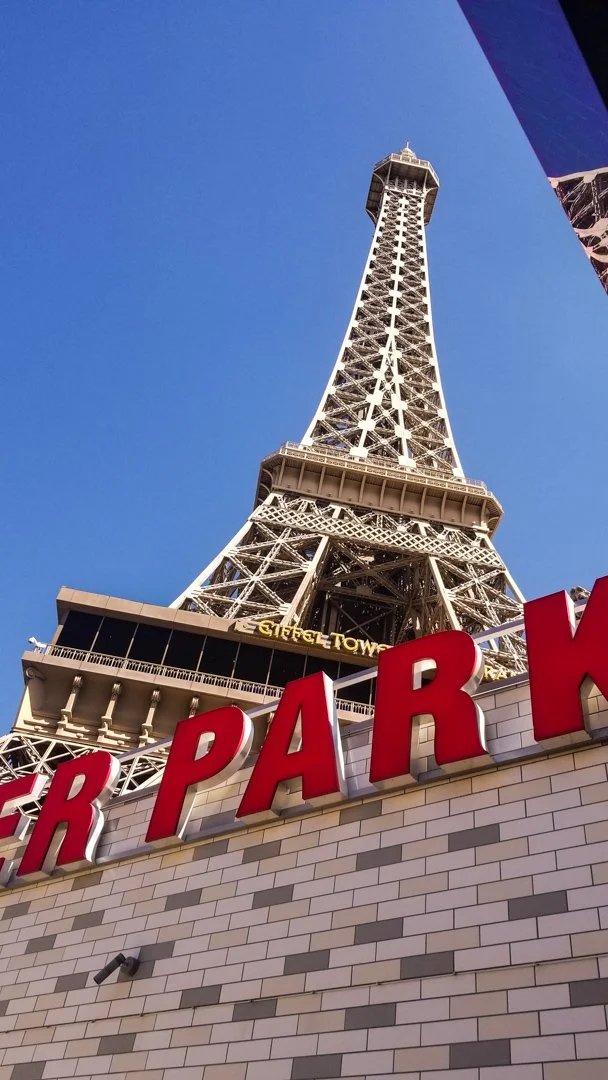
By the late 20th century, Las Vegas transformed again with the arrival of massive themed resorts, including landmarks like Bellagio and The Venetian Resort Las Vegas. The city evolved from a gambling destination into a global entertainment capital known for concerts, conventions, nightlife, and world-class dining.
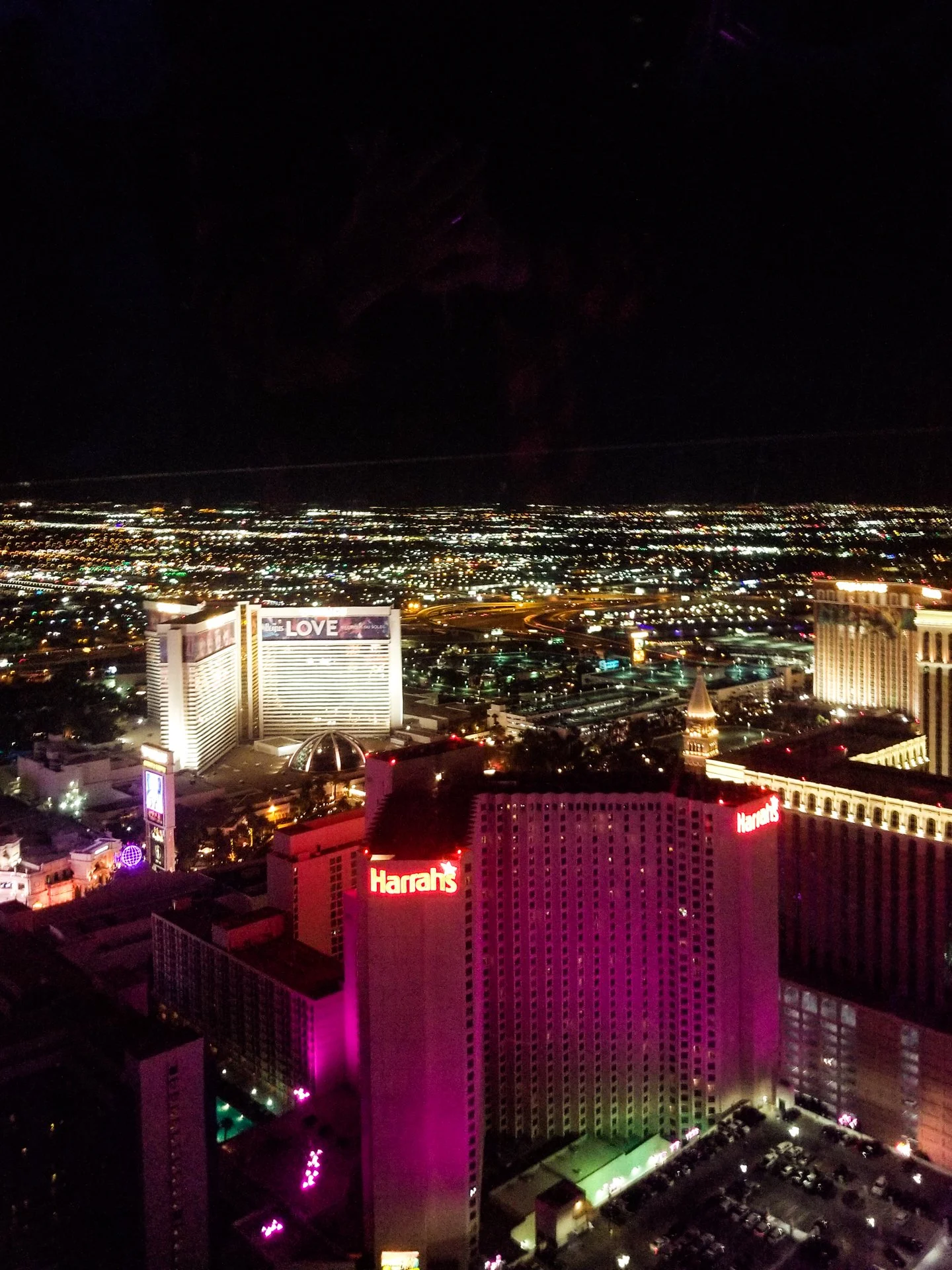
Today, Las Vegas welcomes tens of millions of visitors each year and remains one of the most recognizable entertainment destinations in the world—famous for its casinos, shows, and the ever-changing spectacle of the Las Vegas Strip.