Costa Rica Trip
A Brief History of Costa Rica
Long before European contact, the region now known as Costa Rica was inhabited by diverse Indigenous peoples, including groups such as the Bribri and Cabécar. These communities developed complex societies connected through trade networks that linked Mesoamerican and South American cultures.
The first recorded European contact occurred in 1502 when Christopher Columbus arrived on his fourth voyage to the Americas. Spanish colonization followed in the 16th century, and the region became part of the Captaincy General of Guatemala. Despite its name—meaning “Rich Coast”—Costa Rica lacked the gold and large Indigenous labour forces found elsewhere, which led to smaller settlements and a more agricultural society.
Costa Rica declared independence from Spain in 1821 along with other Central American territories. For a short time it became part of the First Mexican Empire and later the Federal Republic of Central America before becoming a fully independent republic in the mid-19th century.
Coffee production became the foundation of the country’s economy in the 1800s, helping develop trade ties with Europe and shaping the nation’s early political and social institutions. In the 20th century, a brief but significant conflict—the Costa Rican Civil War—led to major reforms under leader José Figueres Ferrer, including the abolition of the national army in 1948.
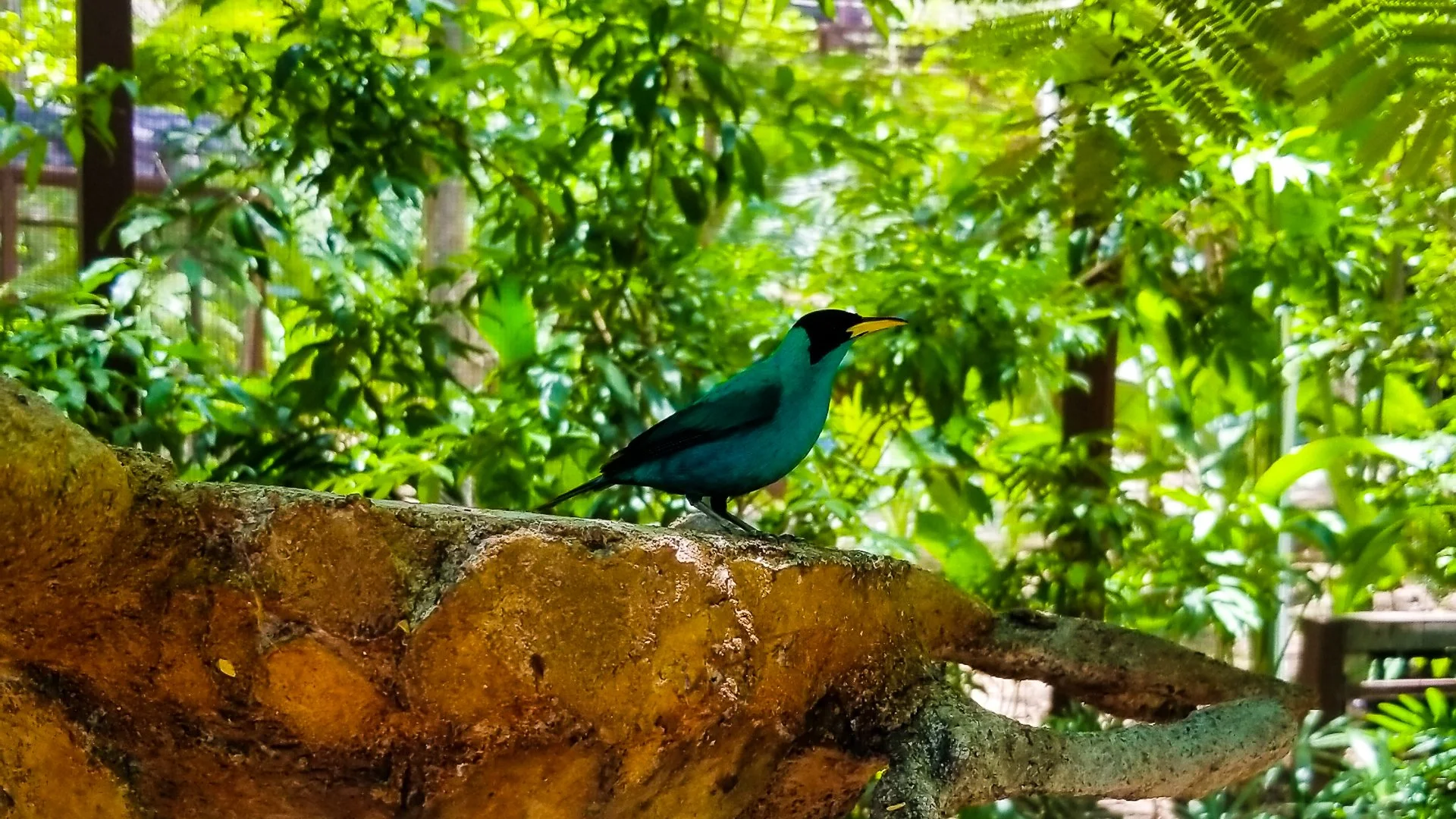
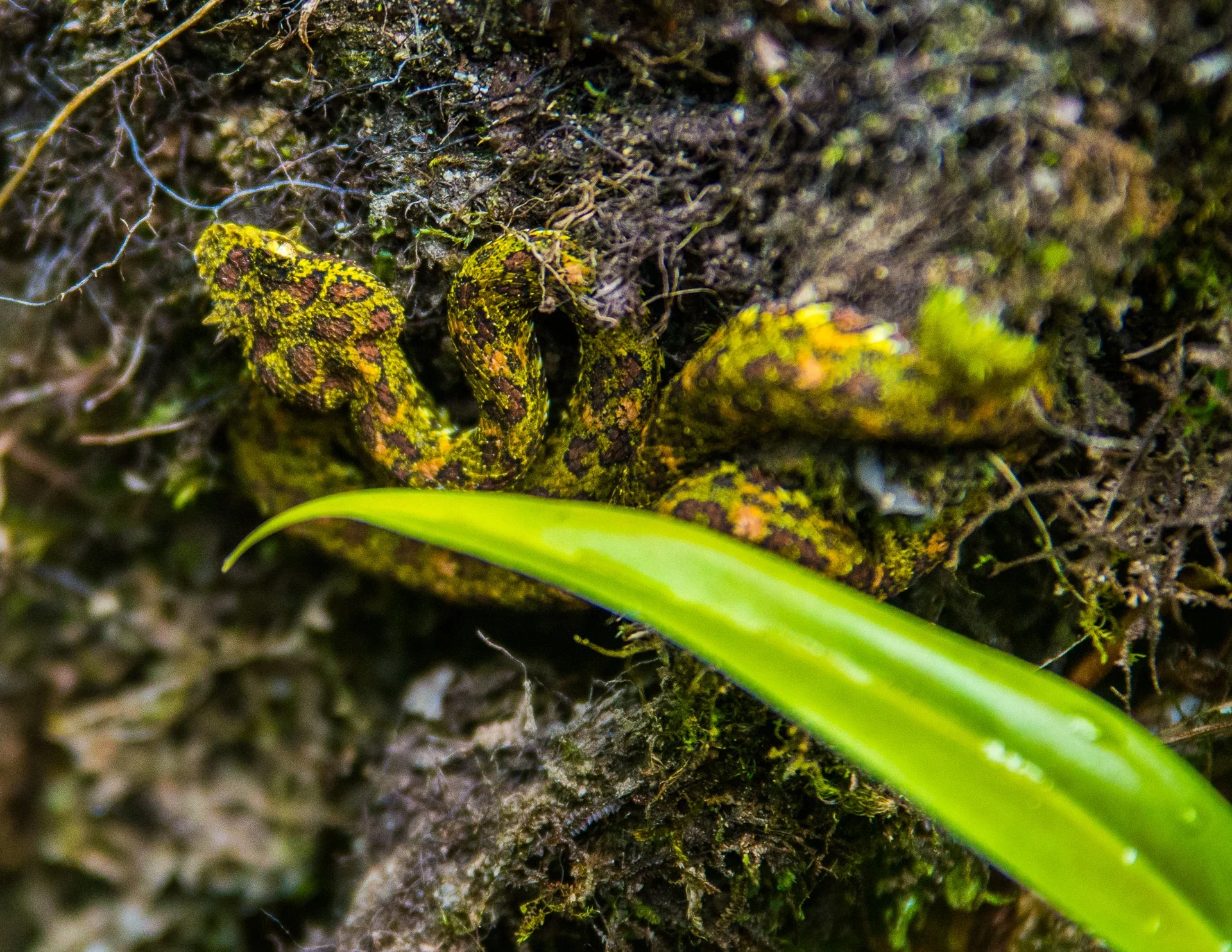
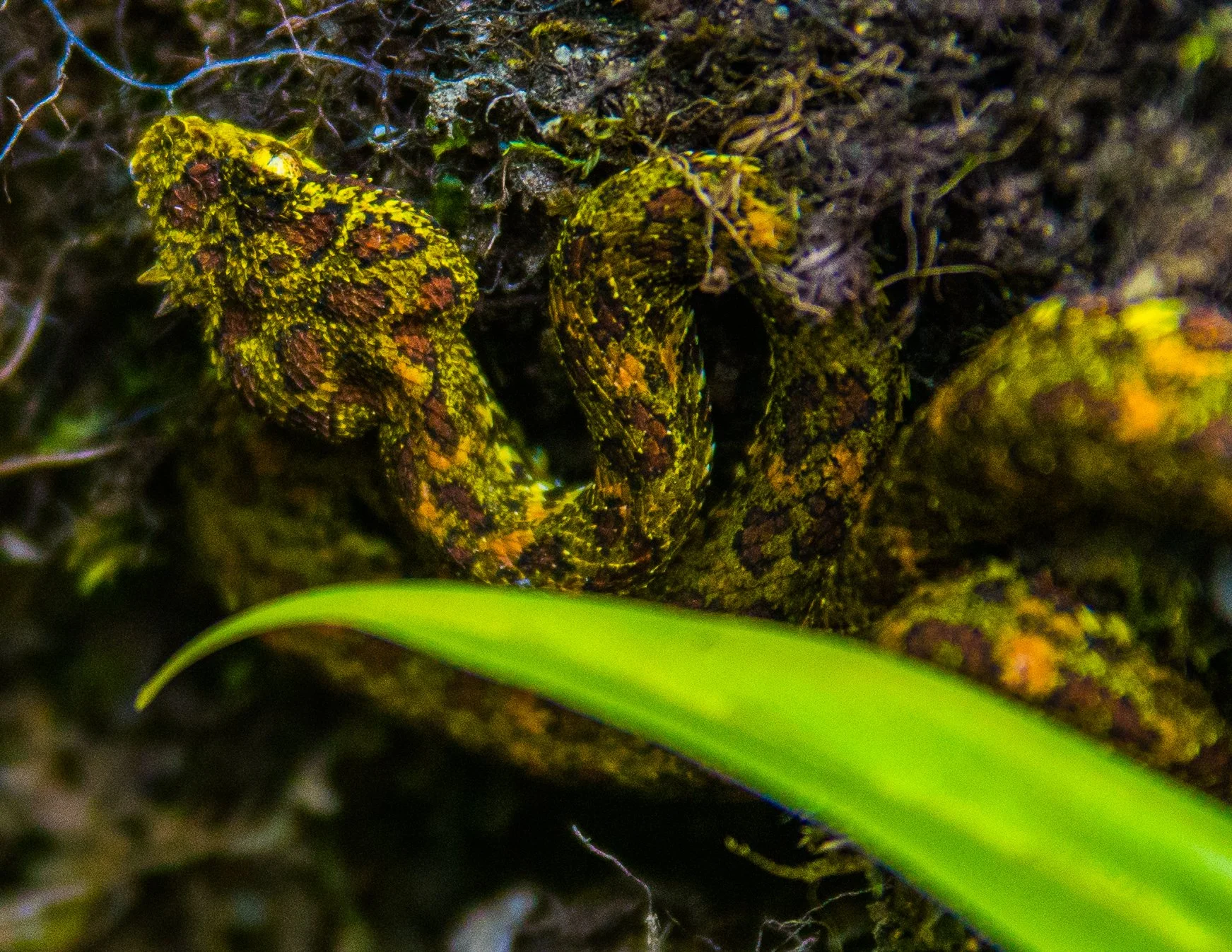
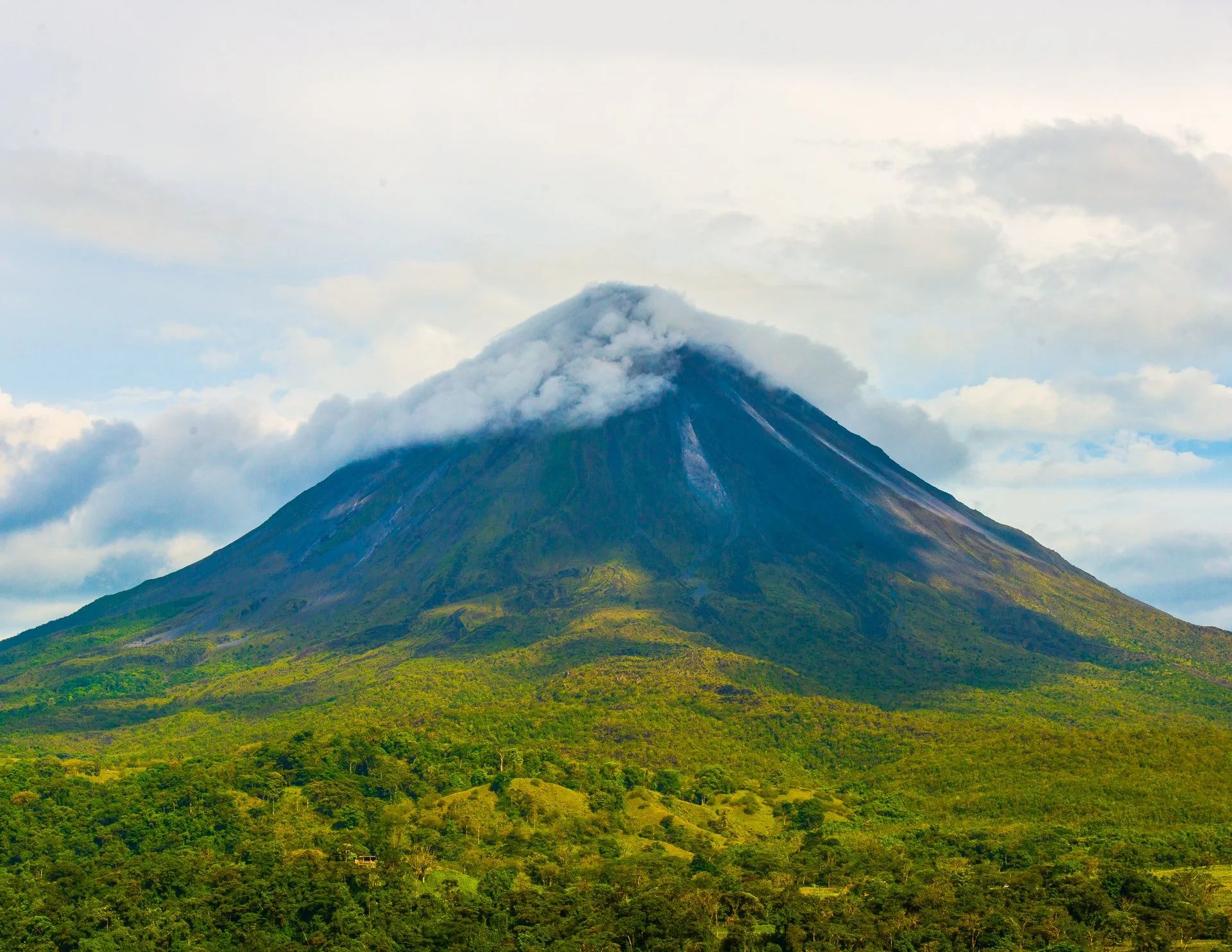
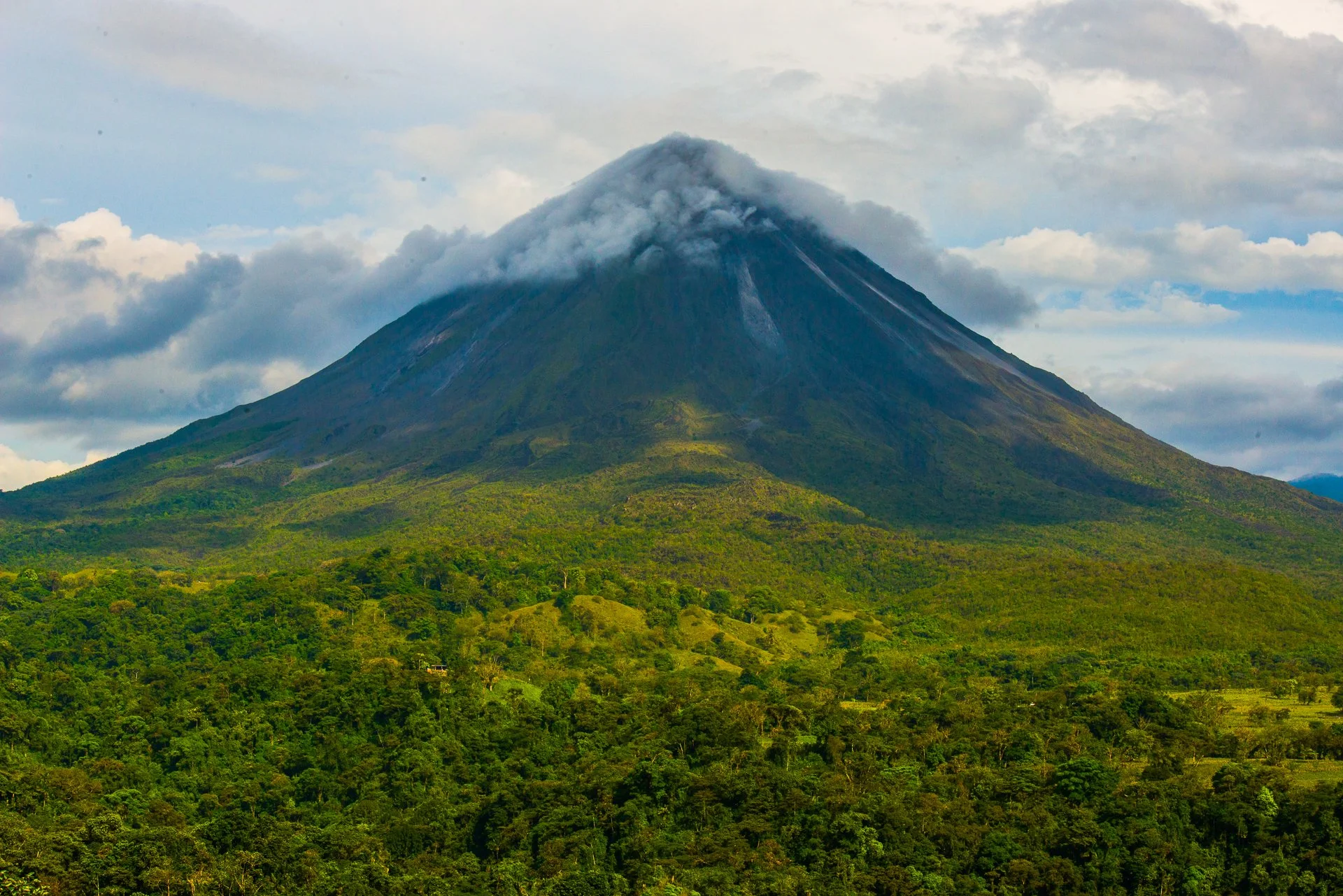
In the decades since, Costa Rica has developed a reputation for political stability, strong democratic institutions, and environmental protection. The country is now famous for its biodiversity and national parks, including places like Corcovado National Park and Manuel Antonio National Park.
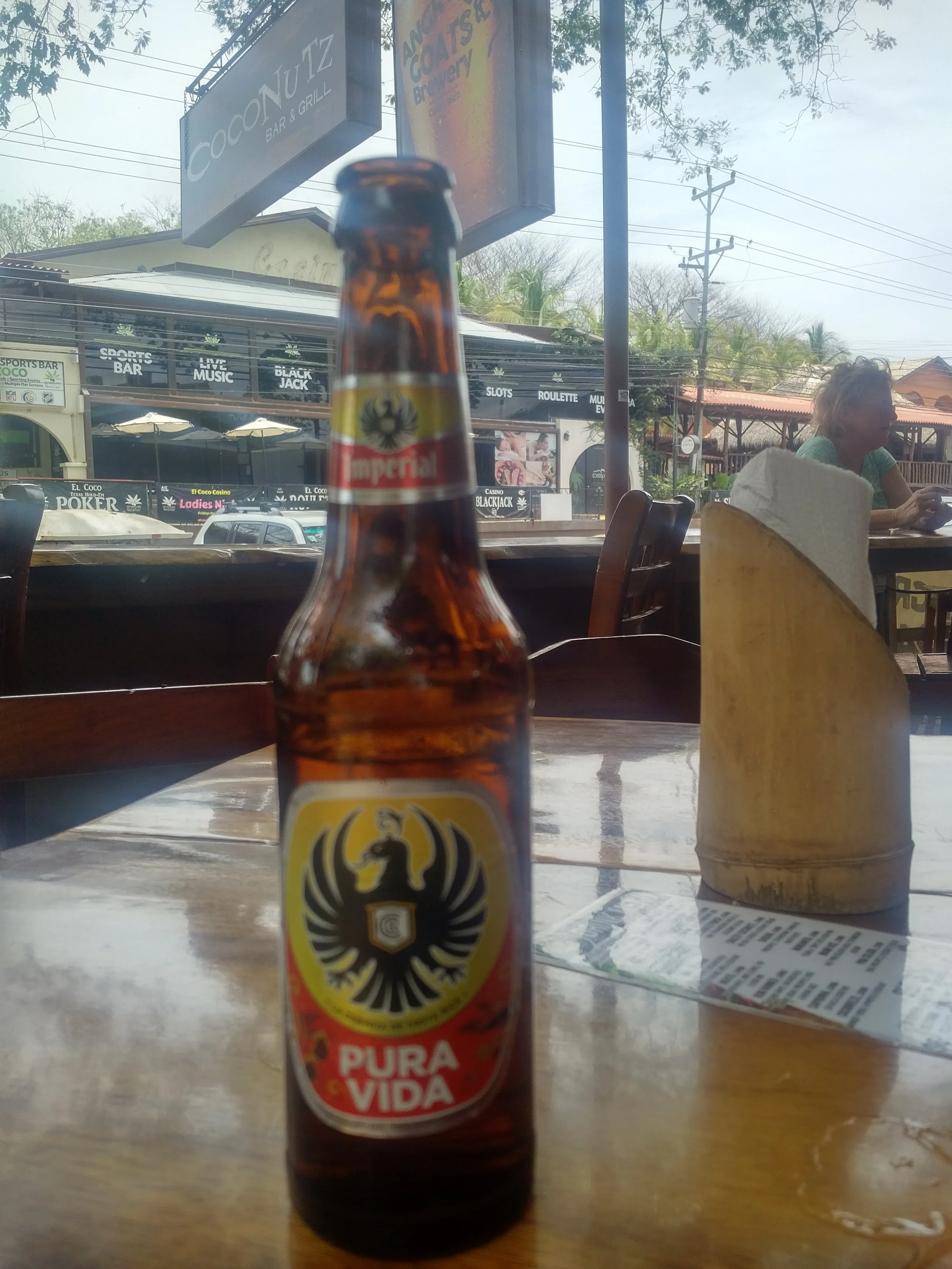
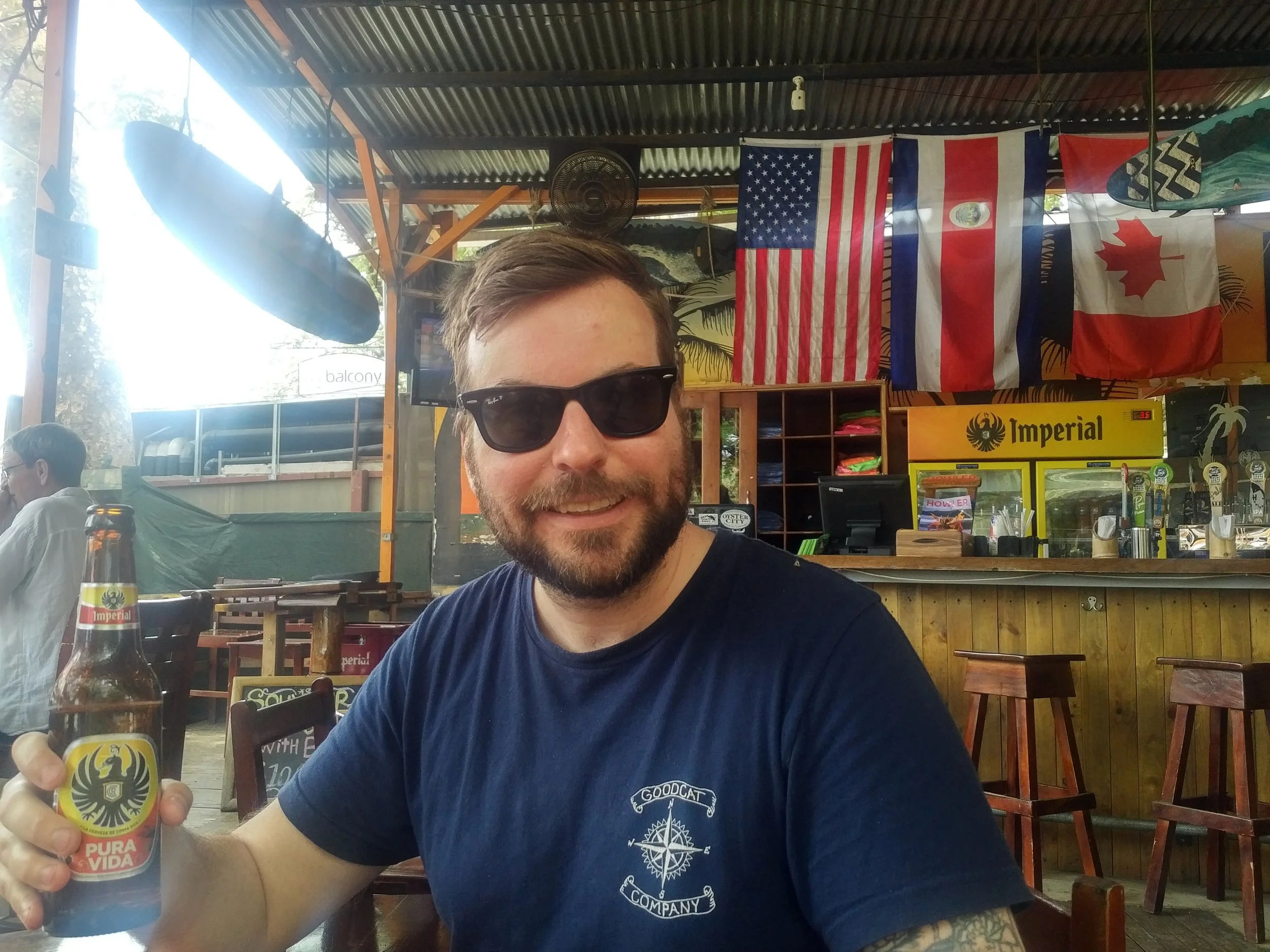
Today, Costa Rica is widely known for its eco-tourism, commitment to conservation, and the national motto “pura vida,” reflecting a culture centered on quality of life and connection to nature.