Prince Edward Island Trip
A Brief History of Prince Edward Island
Long before European settlement, Prince Edward Island was home to the Mi'kmaq, who called the island Epekwitk, meaning “cradled on the waves.” The island was an important seasonal gathering place used for fishing, hunting, and travel throughout the Gulf of St. Lawrence.
European exploration began in 1534 when French explorer Jacques Cartier visited the region. France later established settlements on the island in the 1700s, naming it Île Saint-Jean and administering it as part of the colony of Acadia. Many settlers were Acadians who farmed the fertile land along the coast.
During the Seven Years' War, Britain captured the island from France in 1758. Thousands of Acadians were deported during this period, and in 1769 Britain renamed the colony Prince Edward Island in honour of Prince Edward, Duke of Kent and Strathearn.
The island played an important symbolic role in Canadian history when leaders from several British North American colonies gathered in Charlottetown for the Charlottetown Conference. Although the conference helped launch the process that created Canada, Prince Edward Island did not initially join the new country in 1867. Instead, it entered Confederation in 1873 after financial pressures from railway construction made union with Canada more attractive.
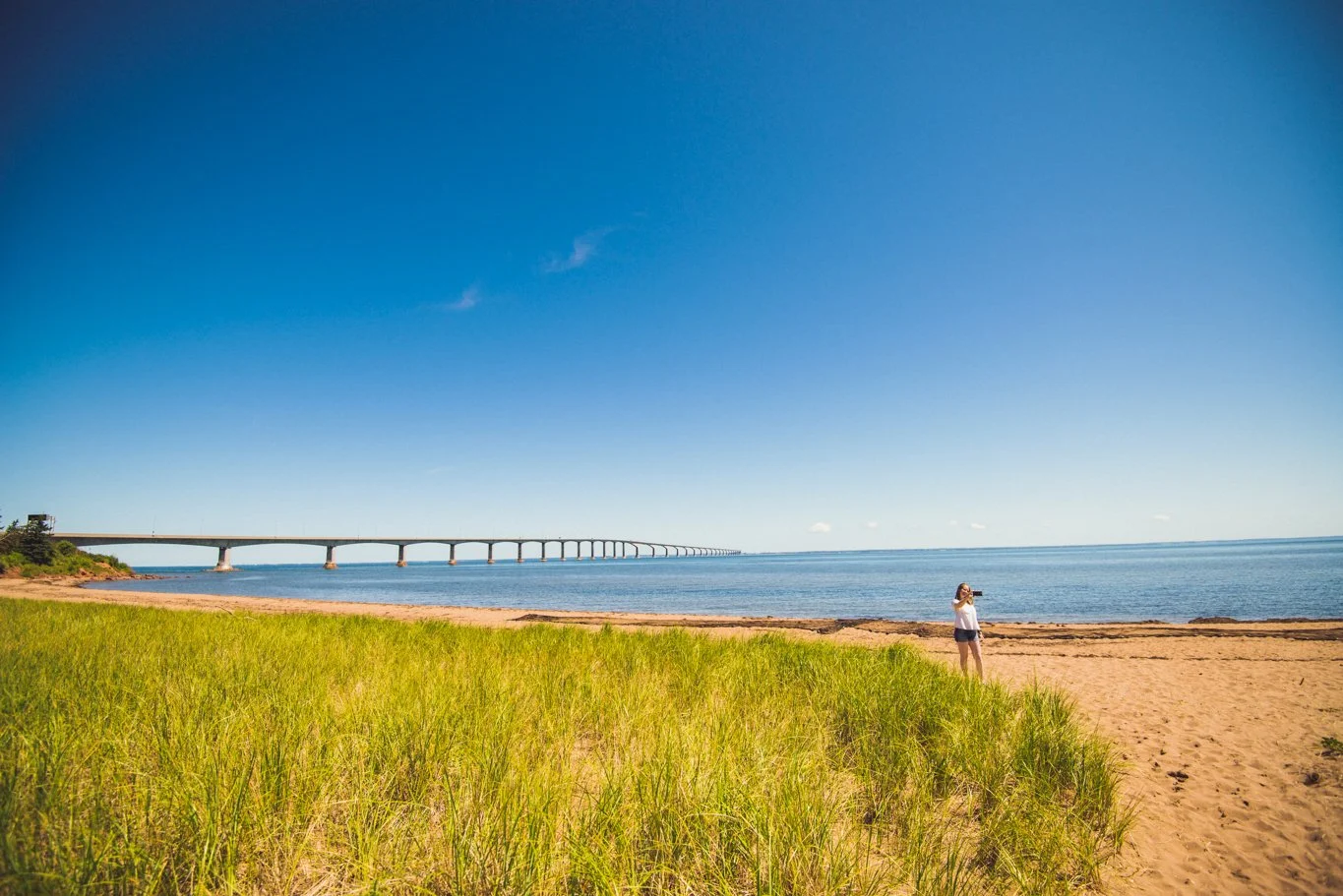
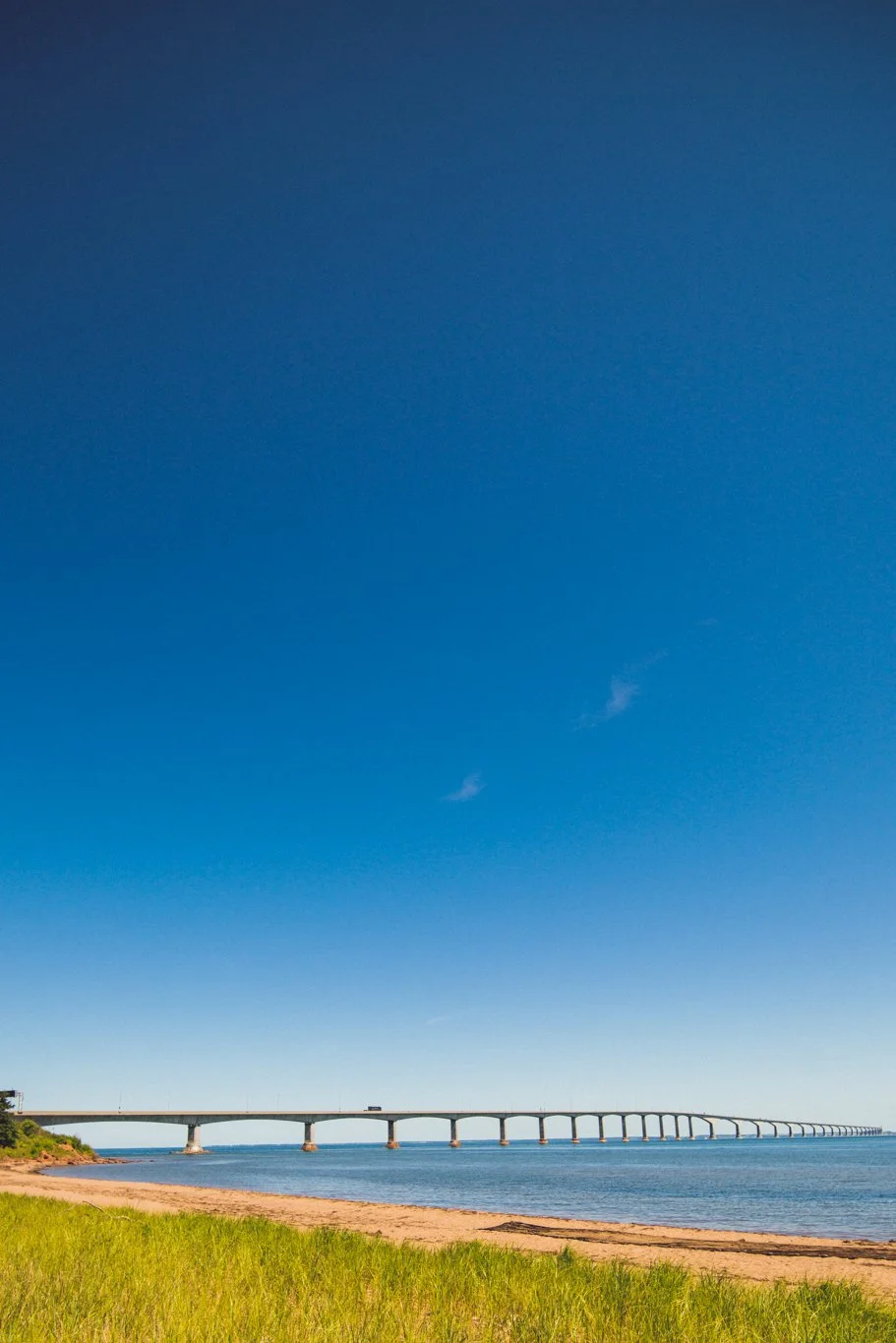
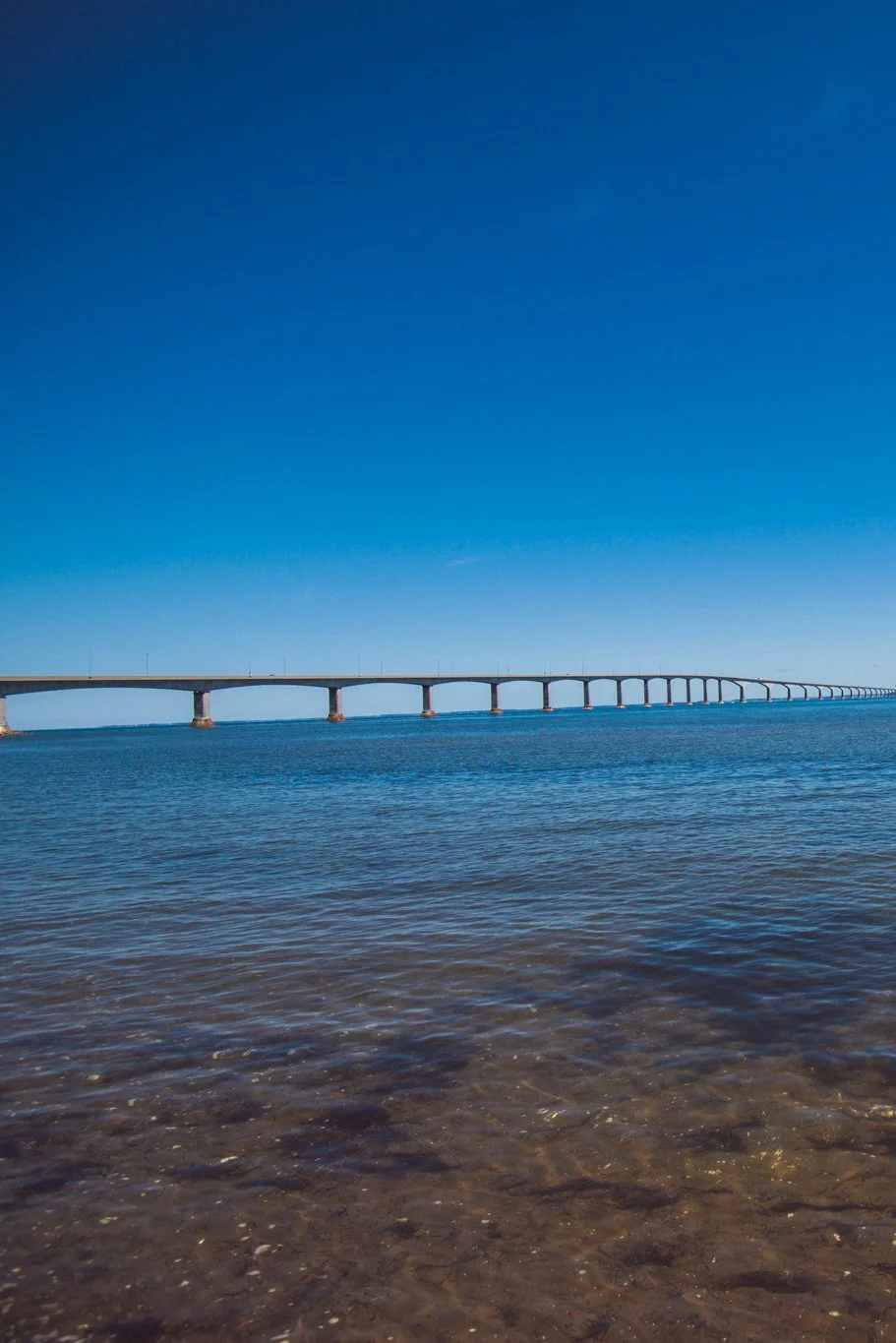
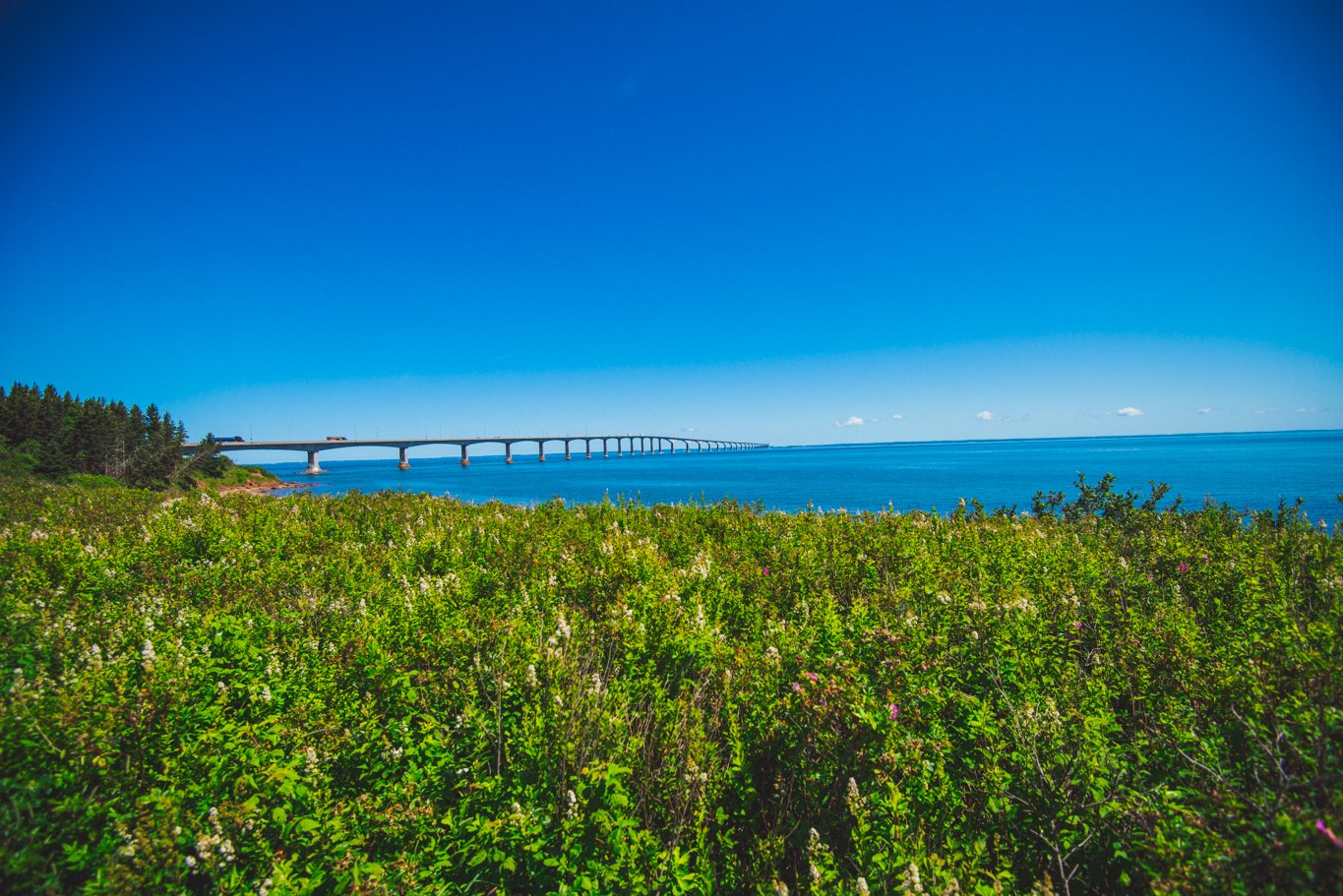
Agriculture—especially potato farming—became the backbone of the island’s economy, alongside fishing and shipbuilding in earlier centuries. In the late 20th century, tourism also grew dramatically, helped by landmarks like the Confederation Bridge, which opened in 1997 and provided a permanent road link to the mainland.
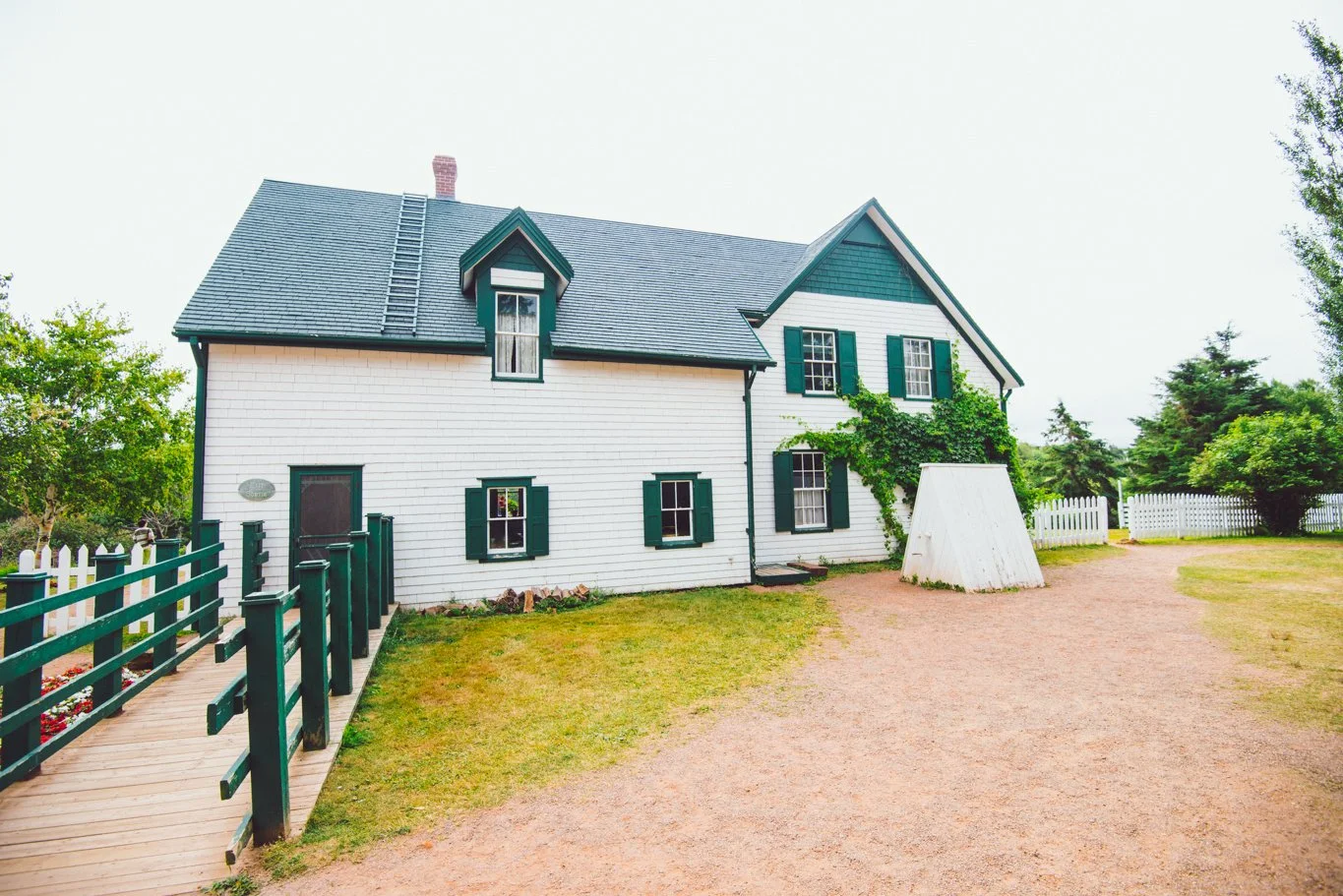
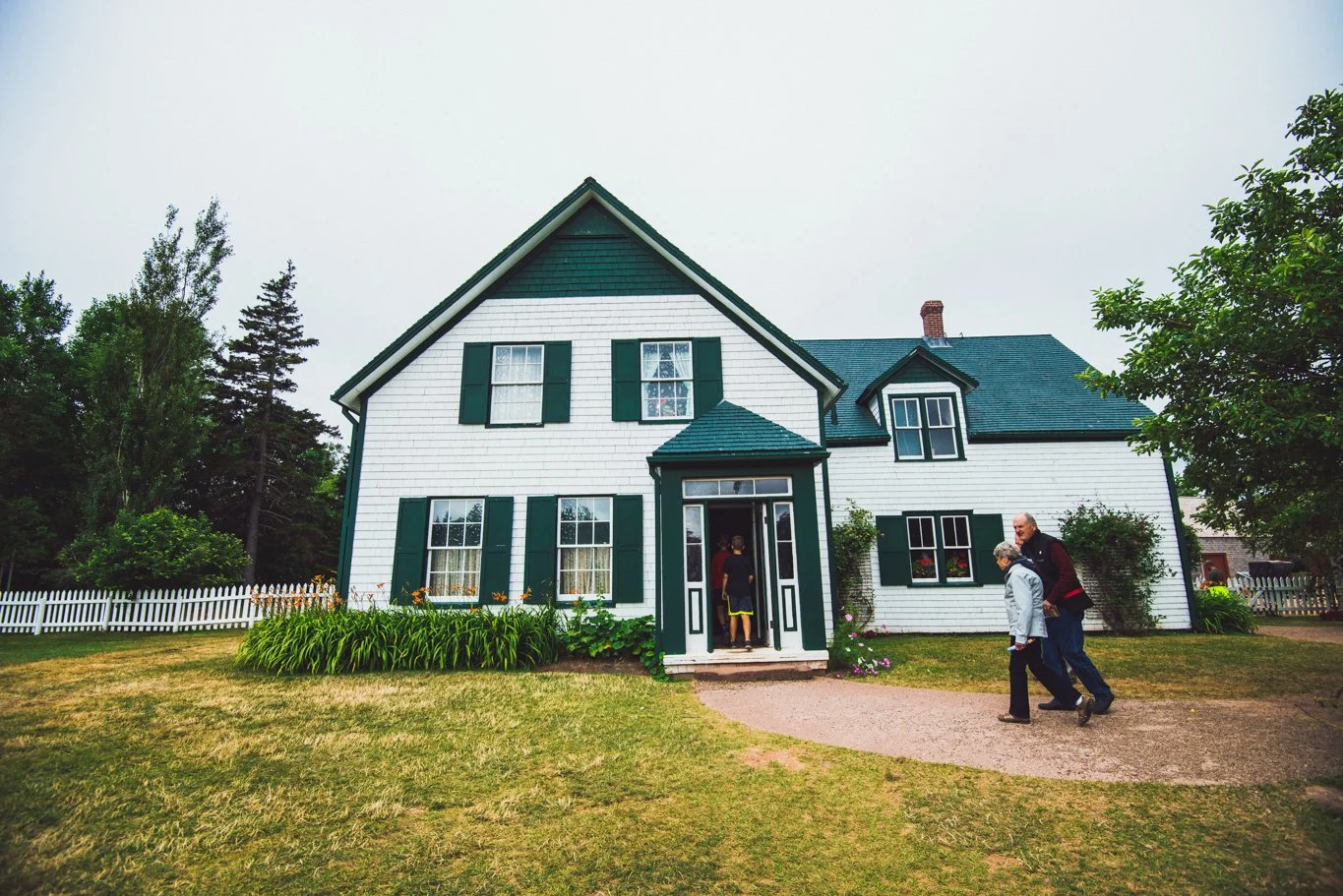
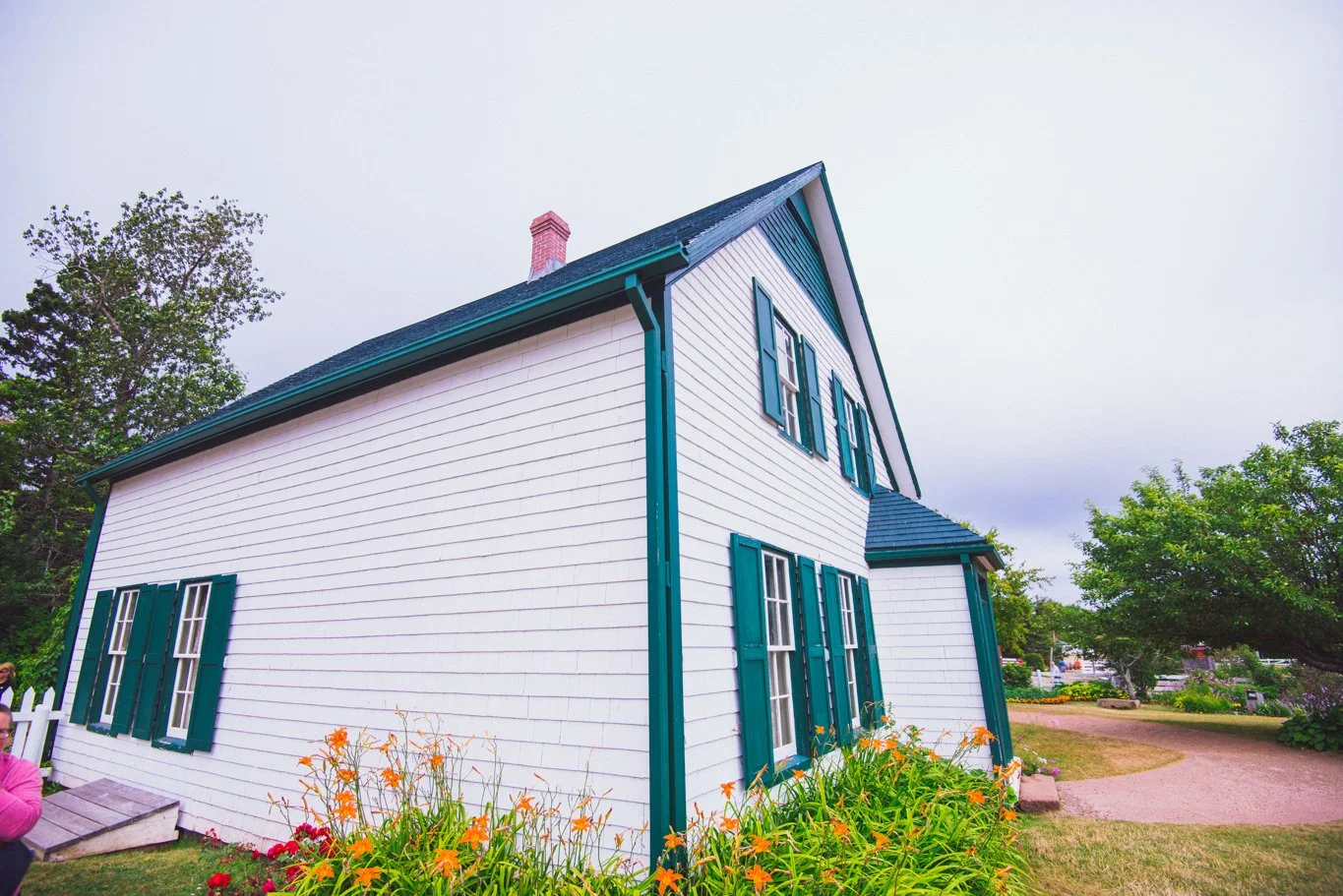
Prince Edward Island is also widely known through literature, especially the beloved novel Anne of Green Gables by Lucy Maud Montgomery, which helped make the island famous around the world.
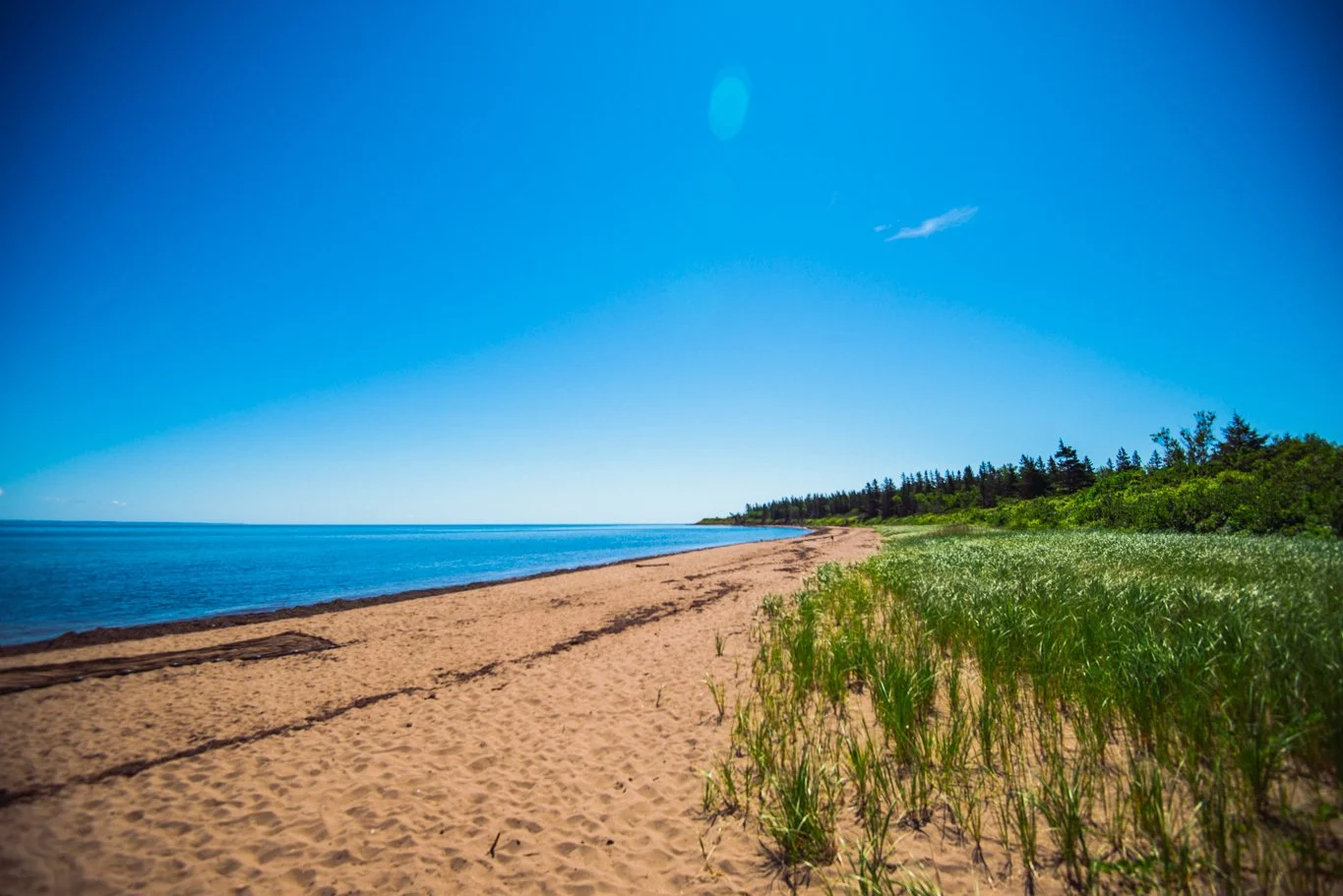
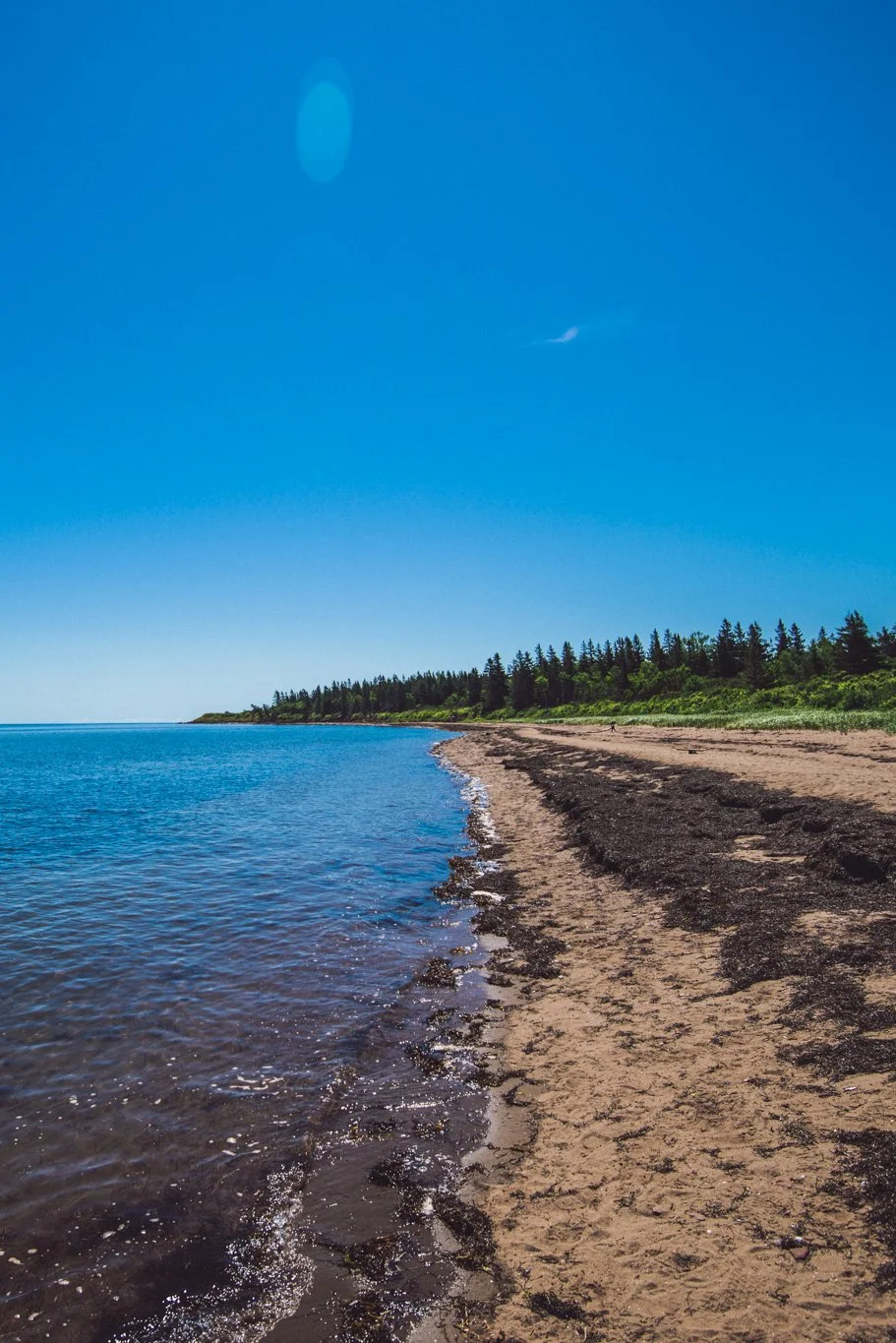
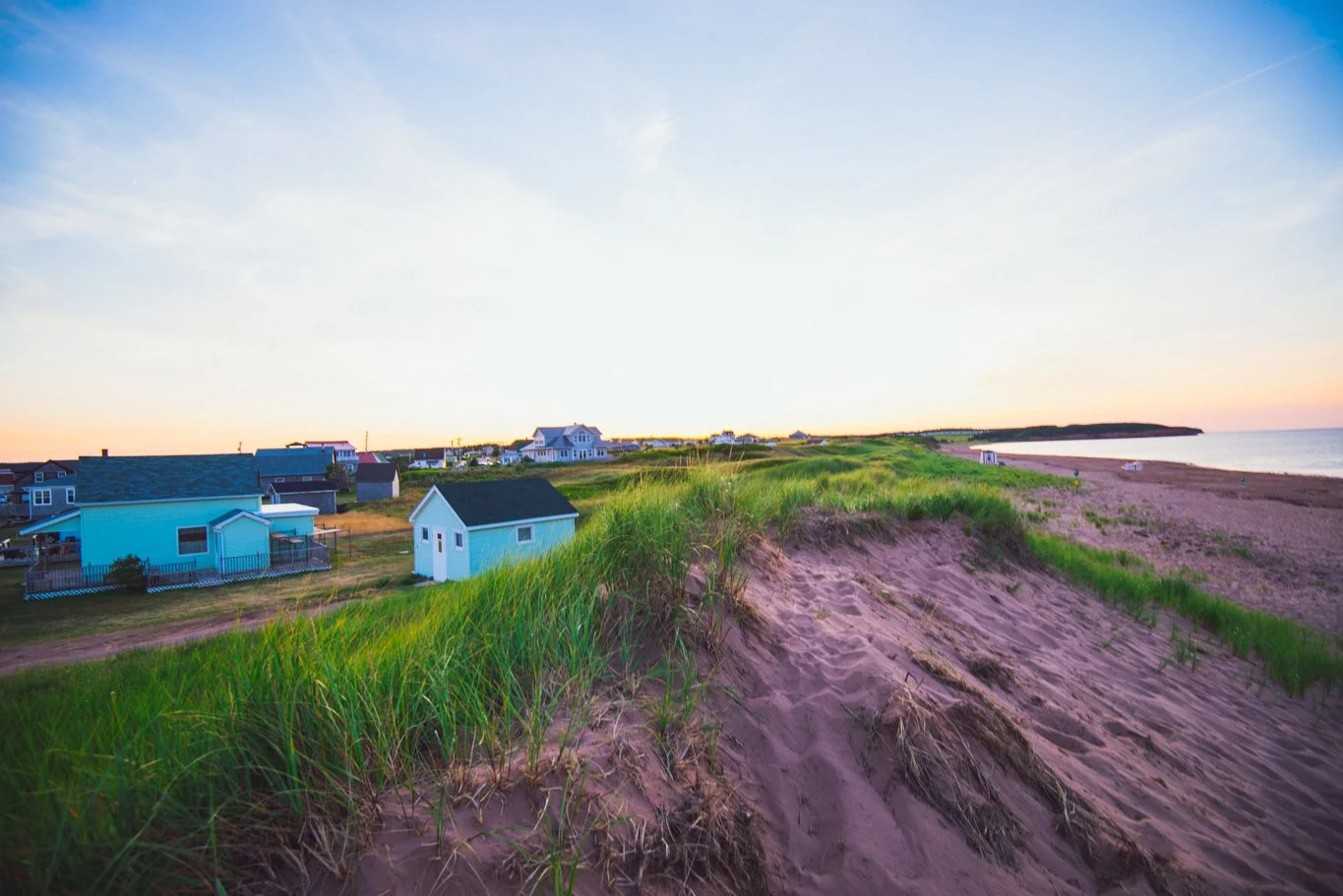
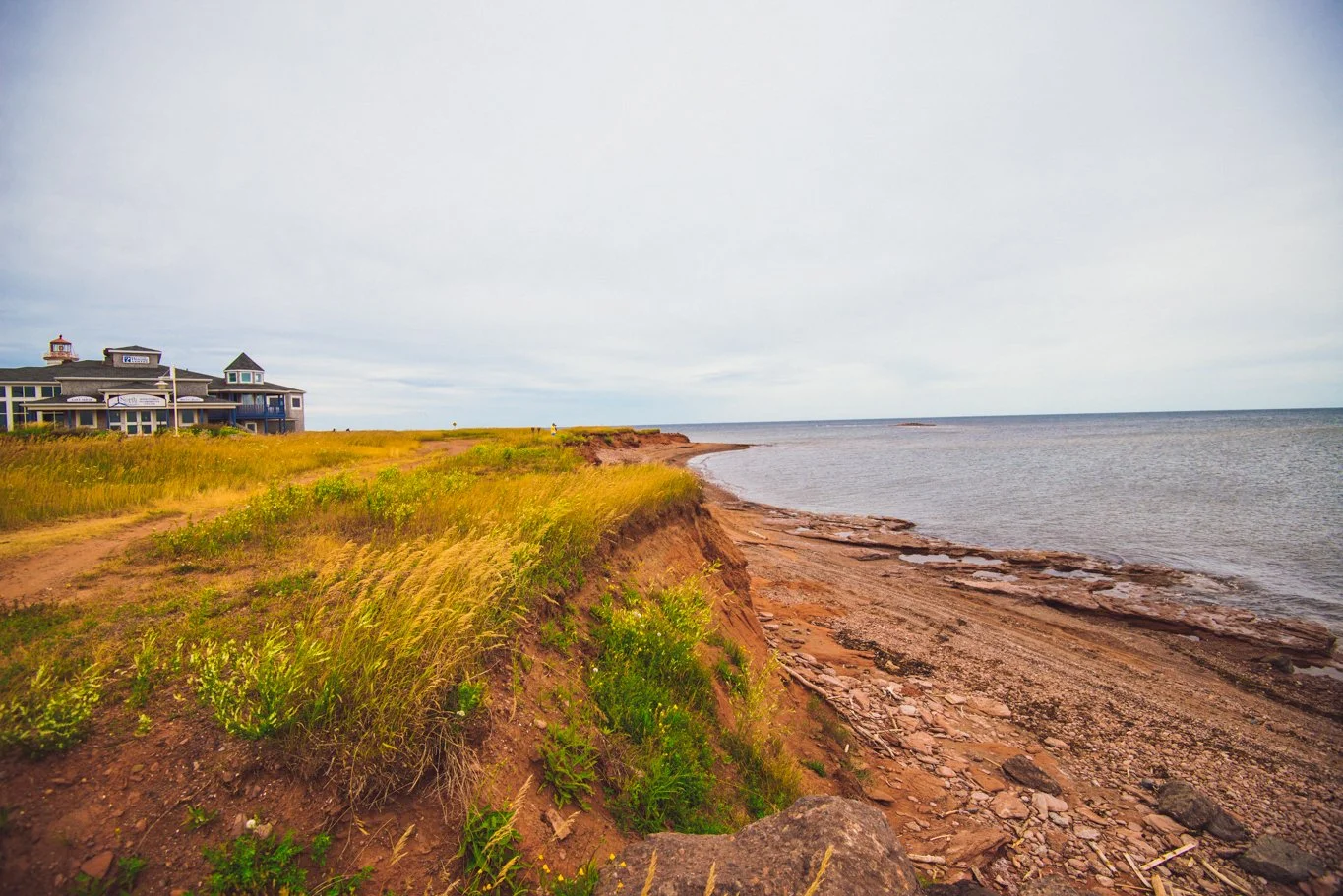
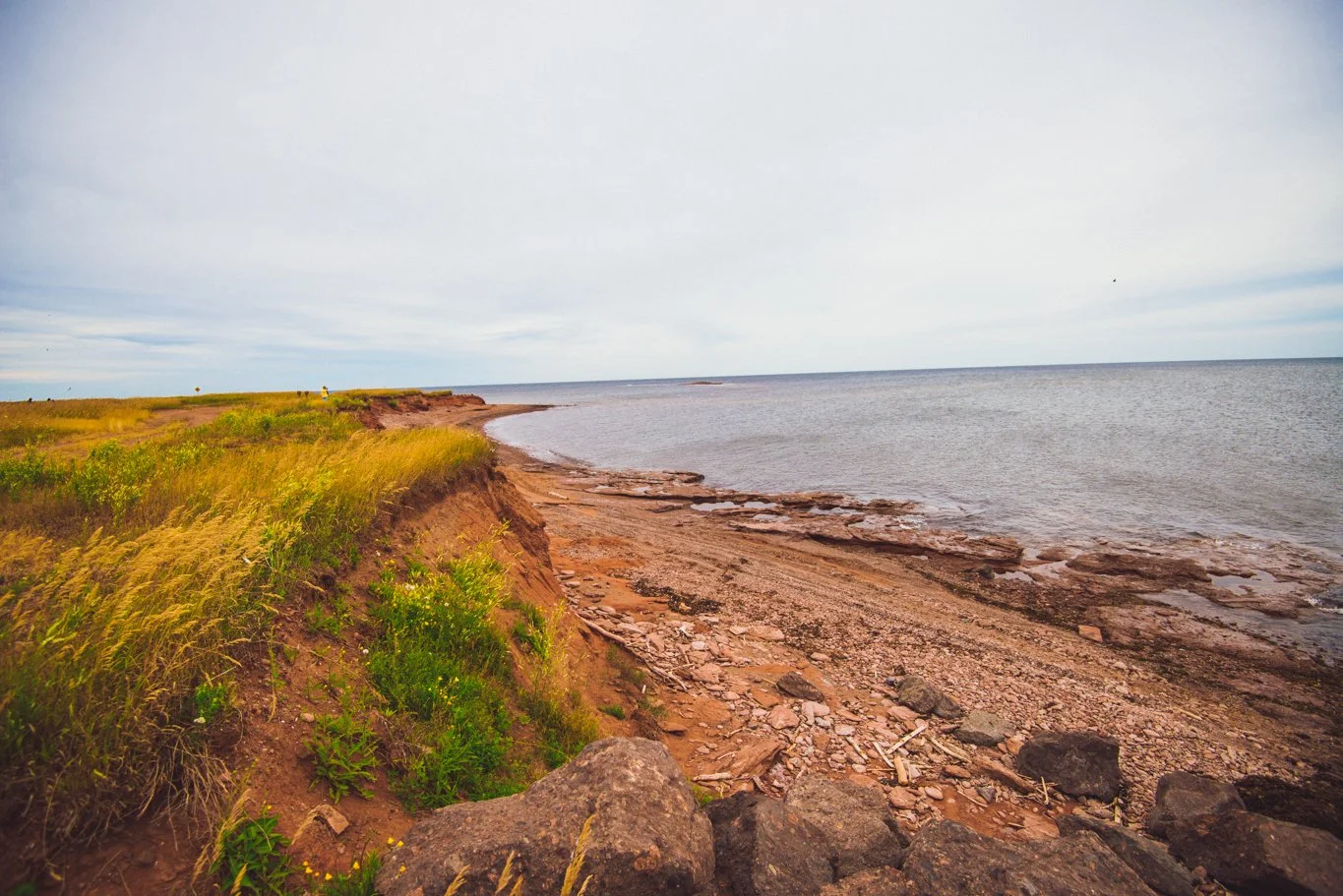
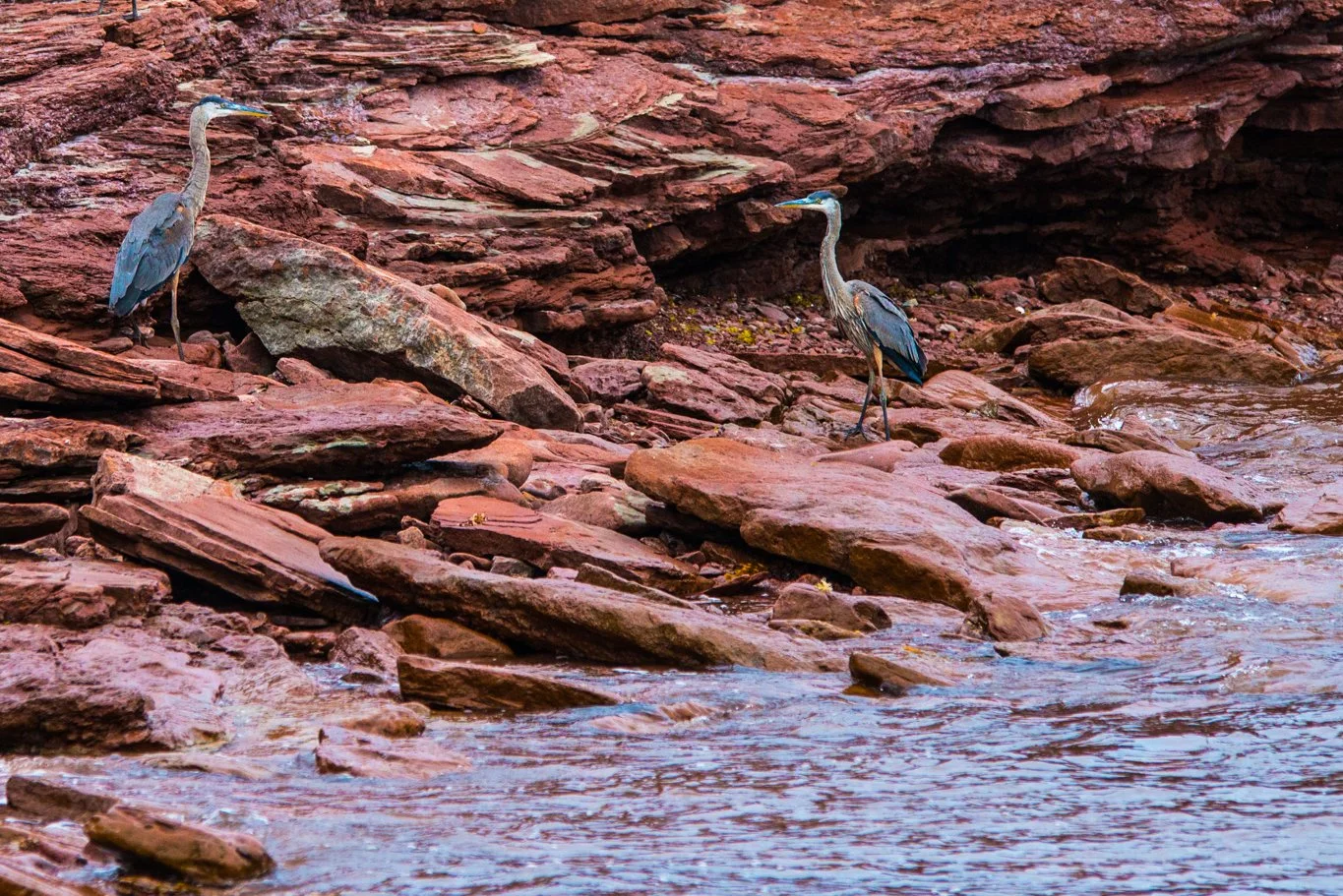
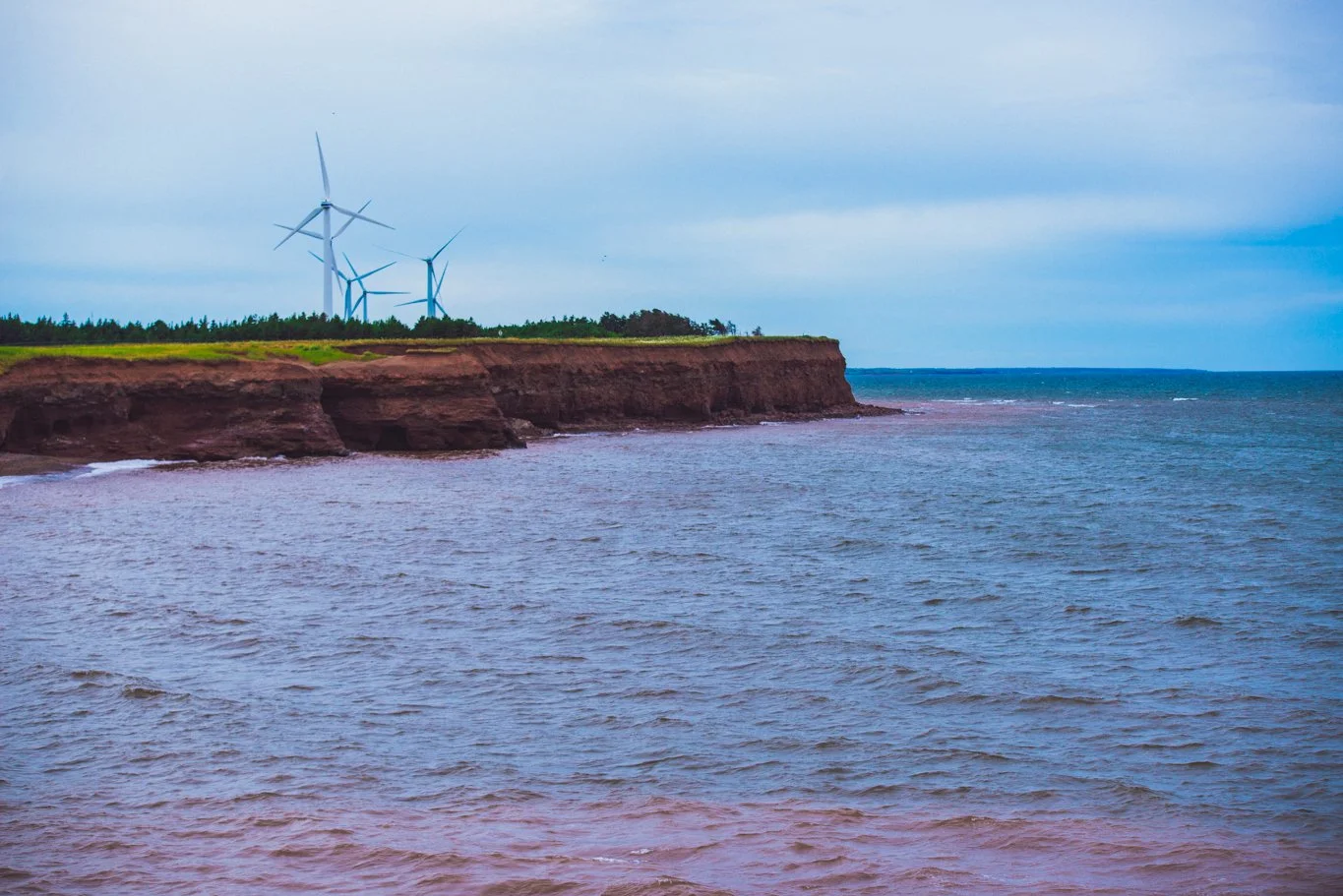
Today, Prince Edward Island is Canada’s smallest province but remains one of its most culturally distinctive—known for its red sand beaches, farming communities, and deep connections to both Indigenous and Acadian heritage.