Fredericton Trip
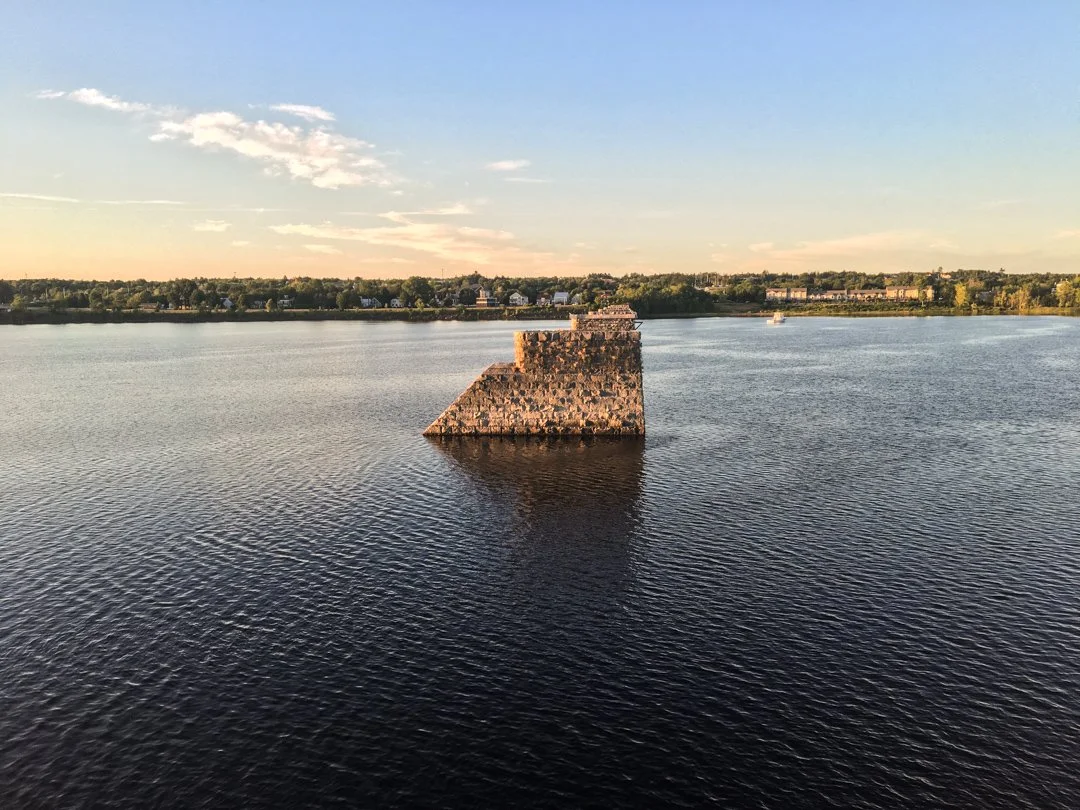
Long before European settlement, the area along the Saint John River was home to the Wolastoqiyik (also known as the Maliseet). The river—called Wolastoq, meaning “beautiful and bountiful river”—was central to their culture, travel, and sustenance.
French settlers arrived in the 17th century, establishing small farming communities as part of Acadia. However, control of the region shifted to Britain after the Seven Years' War.
Fredericton’s modern development began after the American Revolution, when thousands of United Empire Loyalists fled north to British territory. In 1785, the settlement was established as the capital of New Brunswick and named in honour of Prince Frederick.
As a colonial capital, Fredericton became a centre for government, military presence, and education. The founding of University of New Brunswick in 1785 (one of the oldest universities in Canada) helped shape the city’s intellectual and cultural identity.
Throughout the 19th century, the city remained relatively small but important administratively, with the surrounding region relying on forestry and river transport. Unlike many other Canadian cities, Fredericton did not industrialize heavily, which helped preserve its character and natural surroundings.
In the 20th and 21st centuries, Fredericton has grown as a government, education, and technology hub. Today, it is known for its universities, cultural institutions, and scenic riverfront, blending historic charm with a vibrant arts and innovation scene.
Fredericton remains one of Canada’s quieter provincial capitals—defined by its strong ties to the river, its Loyalist roots, and its role as a centre of learning and governance in New Brunswick.