Denver Trip
Long before it became a major American city, the Denver area was inhabited by Indigenous peoples including the Arapaho and Cheyenne, who lived and traveled across the plains and foothills near the Rocky Mountains.
Denver was founded in 1858 during the Pikes Peak Gold Rush, when prospectors flooded the region searching for gold. A settlement was established along the South Platte River and named after James W. Denver in an effort to gain political favor—though he had already left office by then.
In its early years, Denver was a rough frontier town, but it quickly grew into a supply and service hub for miners throughout the region. The arrival of the railroad in the 1870s transformed the city into a key transportation and distribution centre for the American West.
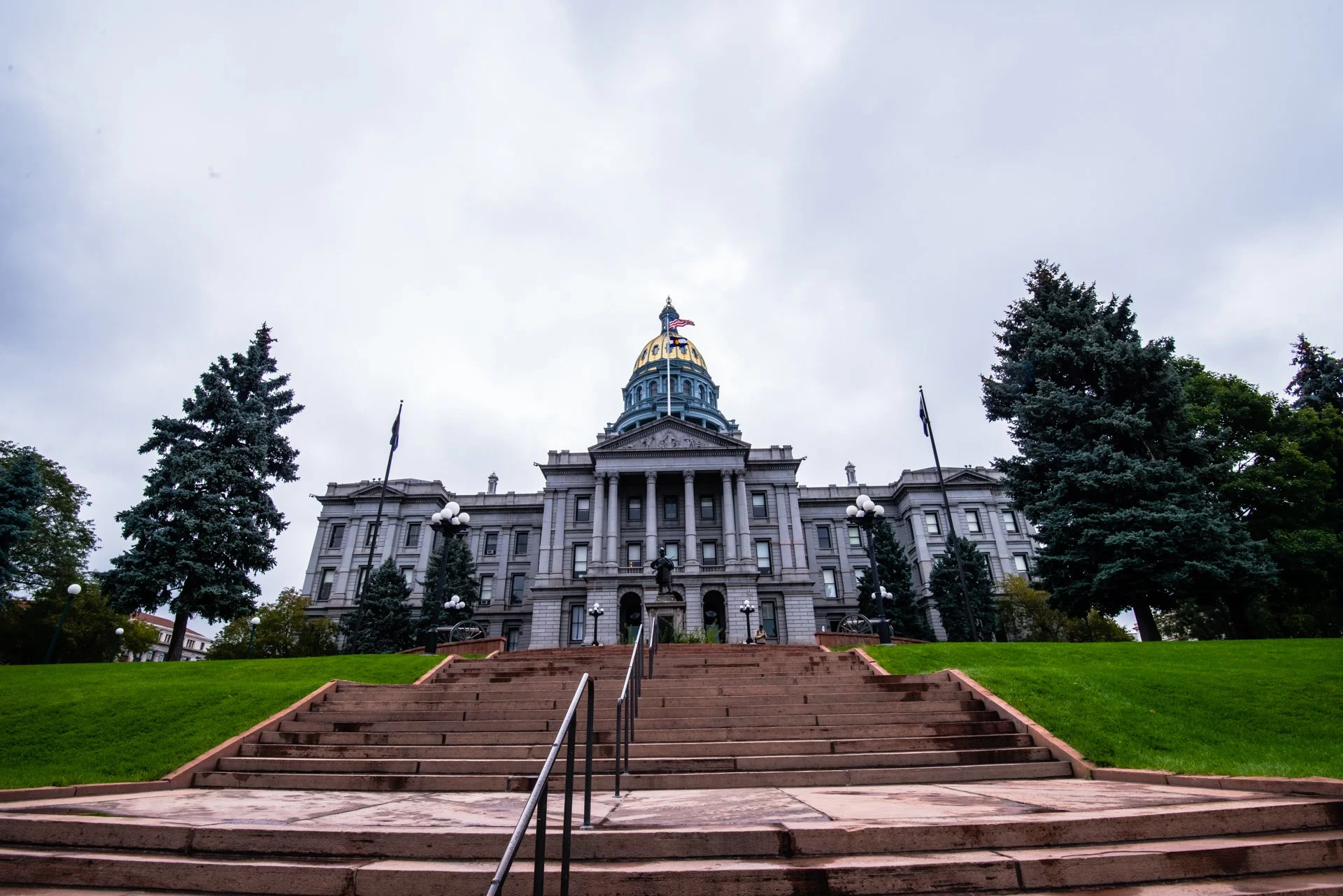
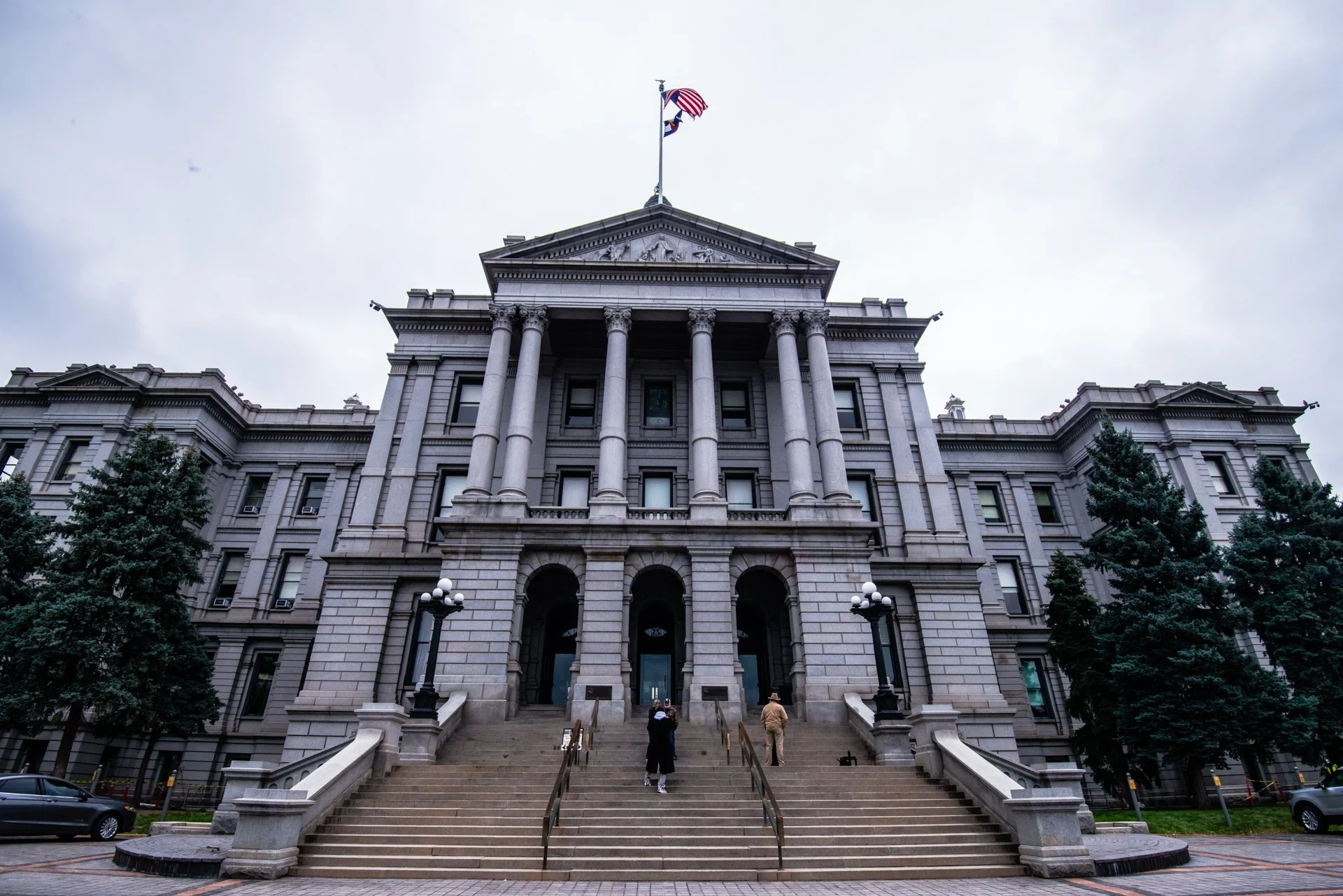
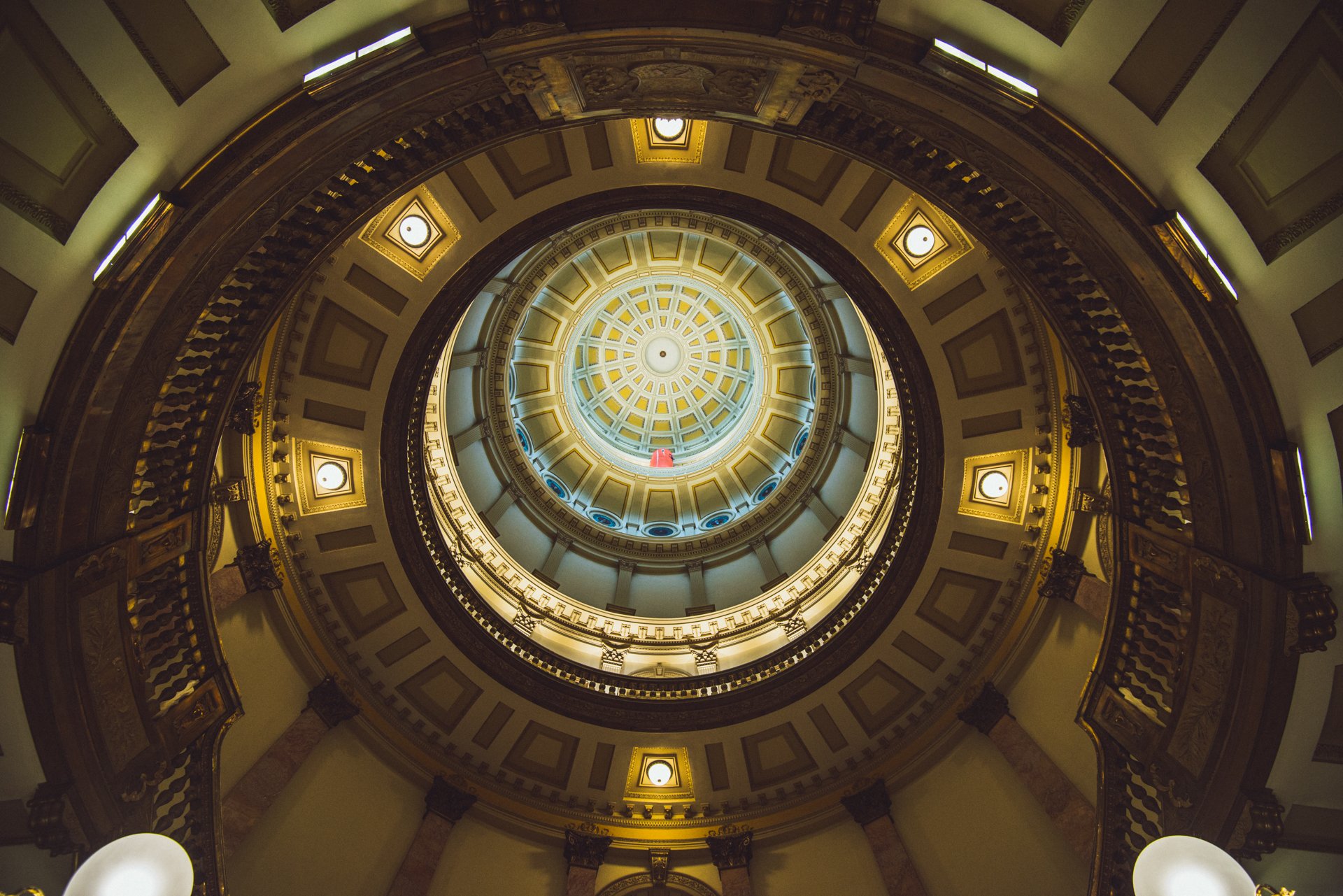
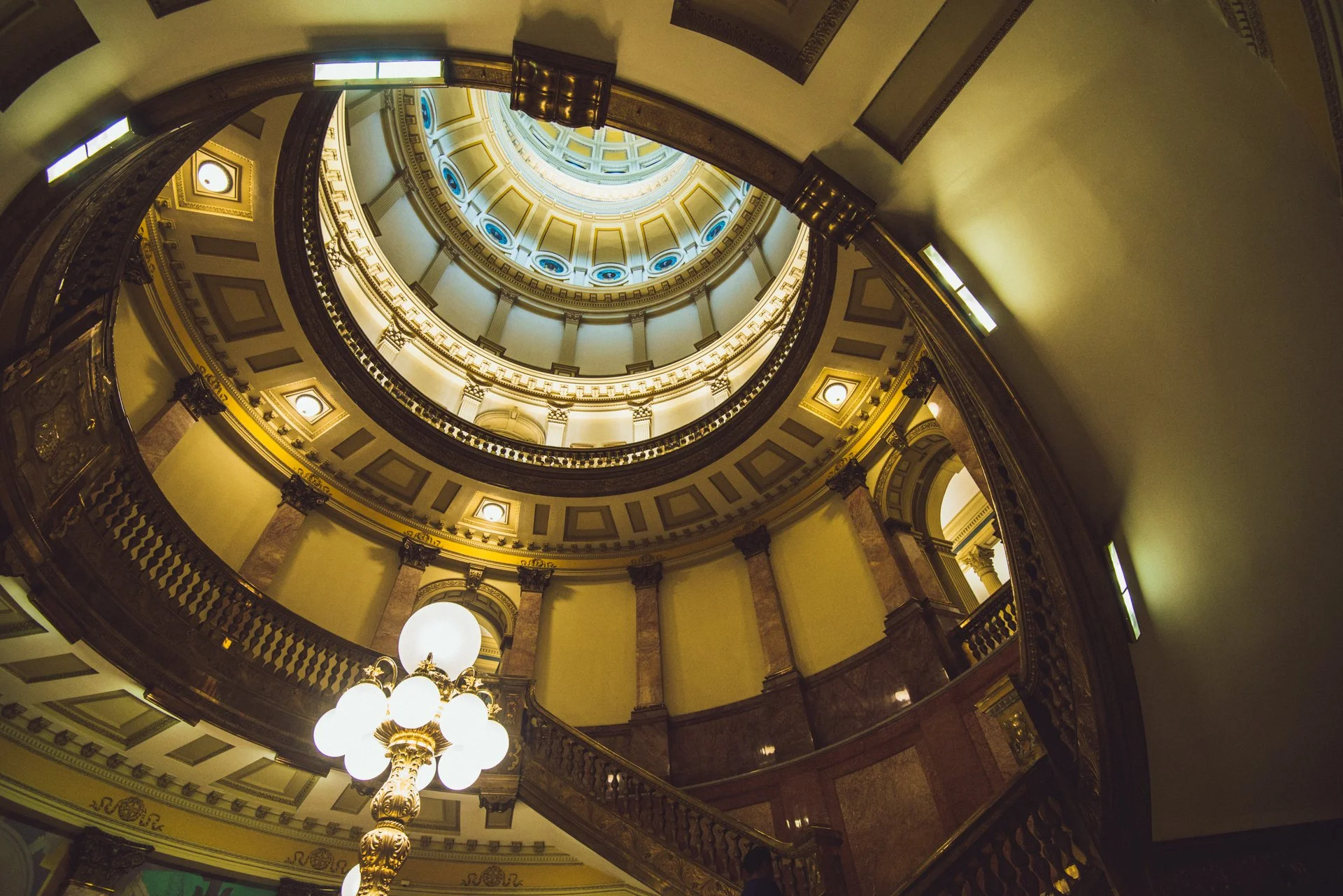
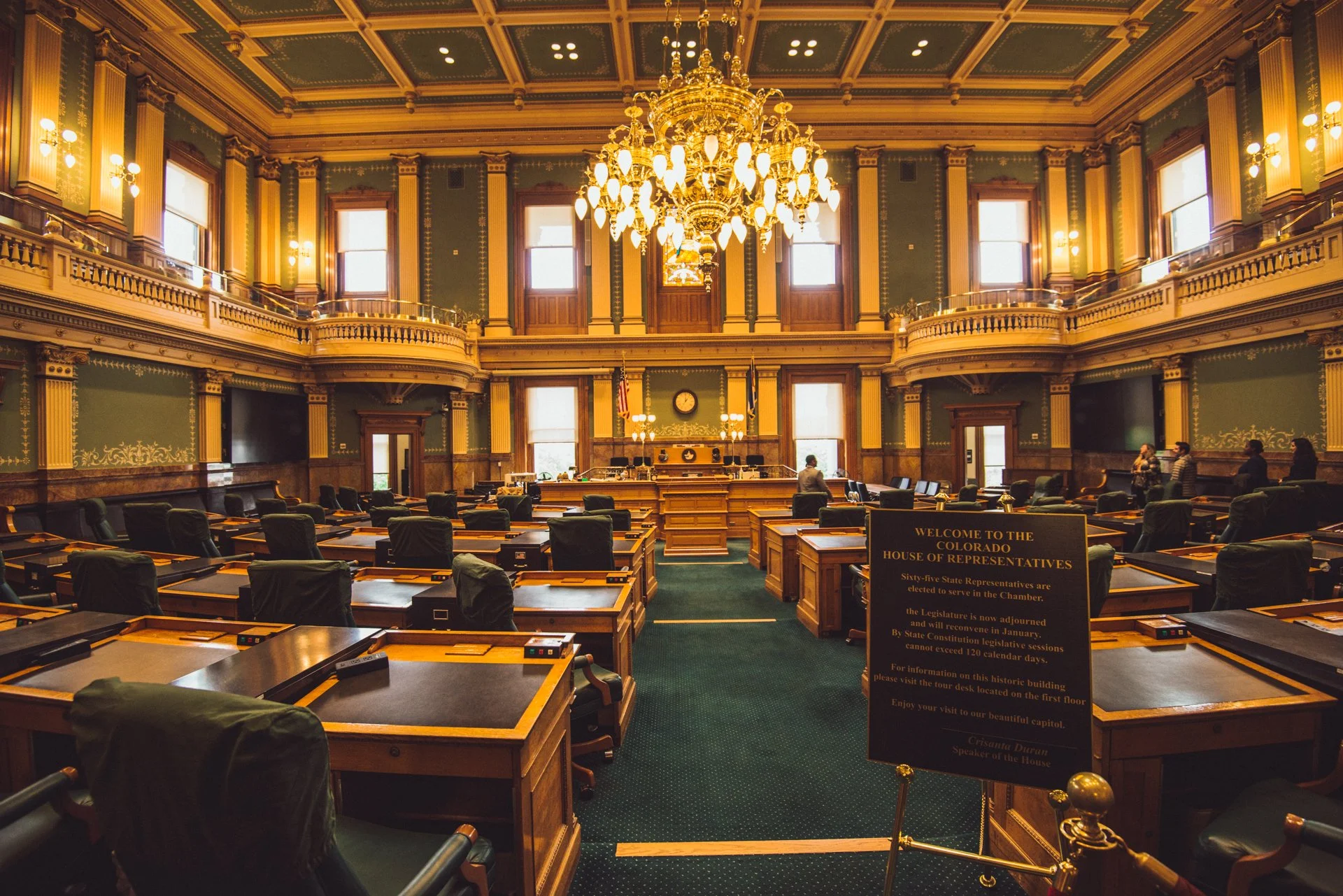
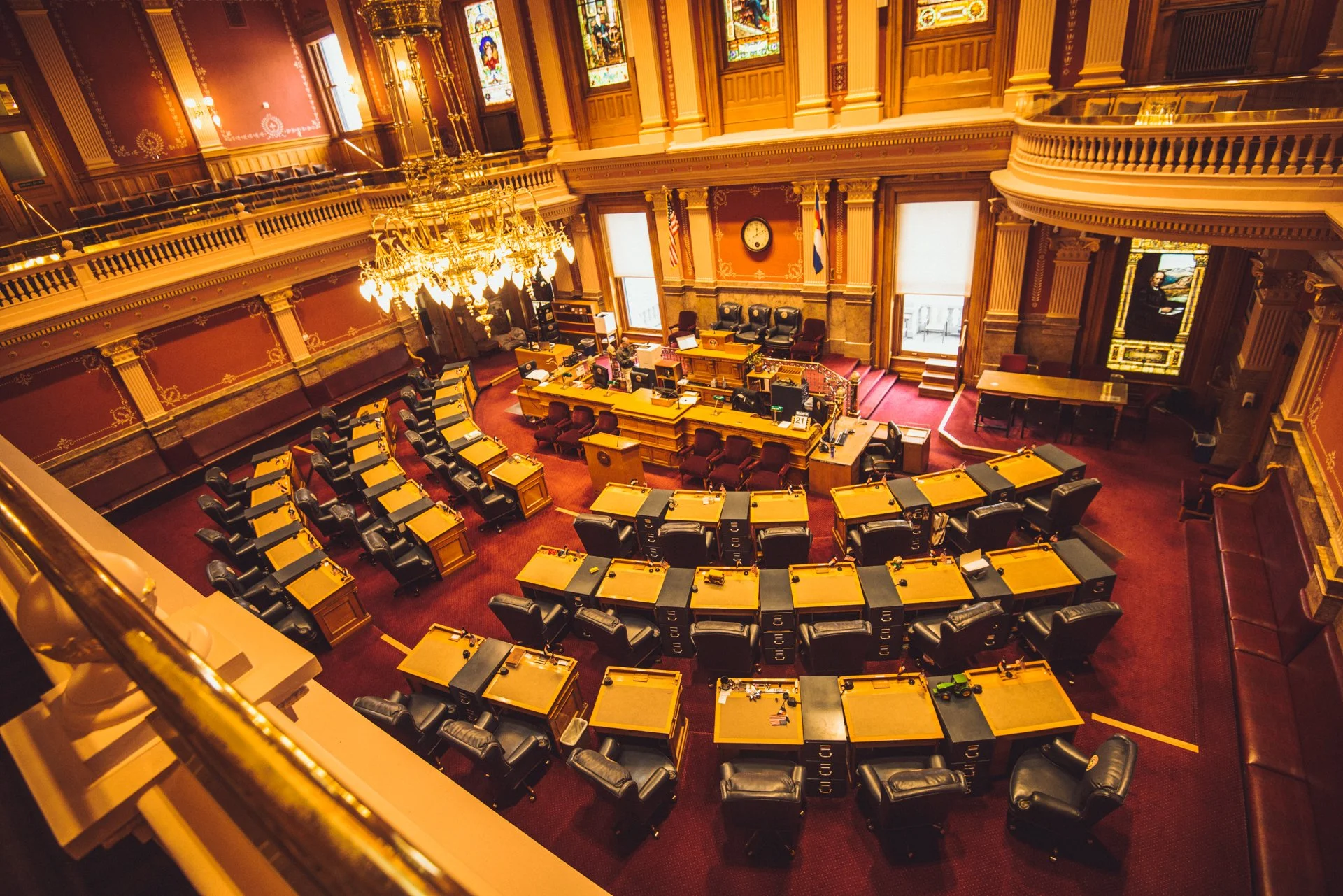
By the late 19th century, Denver had earned the nickname “Queen City of the Plains” and became the capital of Colorado when the state joined the Union in 1876. The city continued to grow through industries like rail, cattle, and later energy and manufacturing.
In the 20th century, Denver diversified its economy and expanded rapidly, especially after World War II, when military and federal investments boosted development. The city also became known for its proximity to outdoor recreation in the Rockies, shaping its modern identity.
Today, Denver is a thriving metropolitan centre known for its mix of urban culture and access to nature. With a growing population, strong economy, and vibrant arts and food scenes, it serves as one of the key cities of the American West—where its frontier past meets a modern, fast-growing future.