Newport Beach and Balboa Island
Long before development, the coastal area that is now Newport Beach was inhabited by Indigenous peoples including the Tongva and Acjachemen. They lived off the rich marine and coastal resources for thousands of years.
European exploration began in the 1500s, but the area remained largely undeveloped during the Spanish and Mexican periods, used mainly for ranching under large land grants. After California became part of the United States in 1848, the region slowly began to attract settlers.
The modern development of Newport Beach began in the early 20th century, when real estate promoters recognized the potential of its natural harbour—one of the best along the Southern California coast. The arrival of the Pacific Electric Railway in the early 1900s made the area more accessible, helping transform it into a seaside destination.
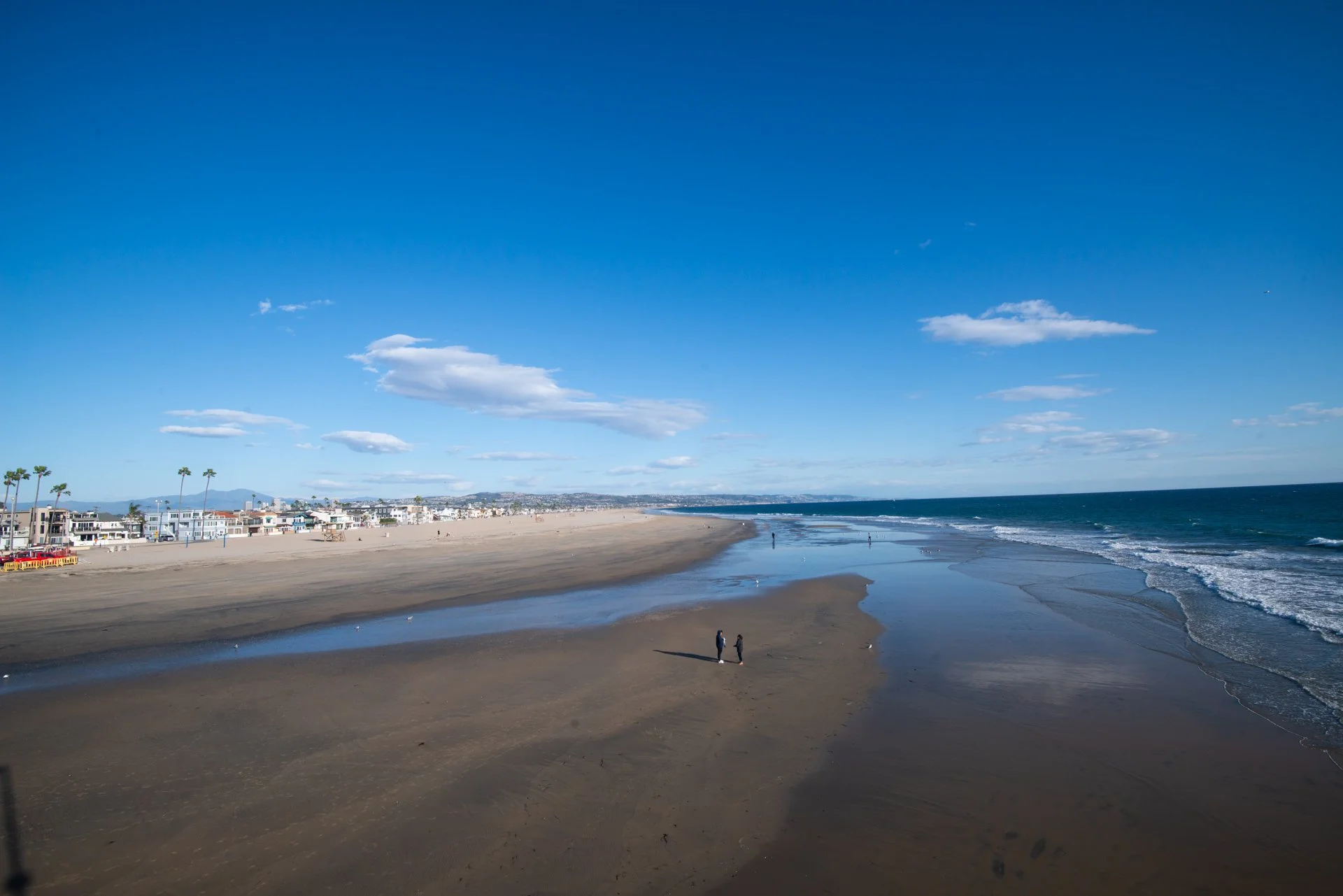
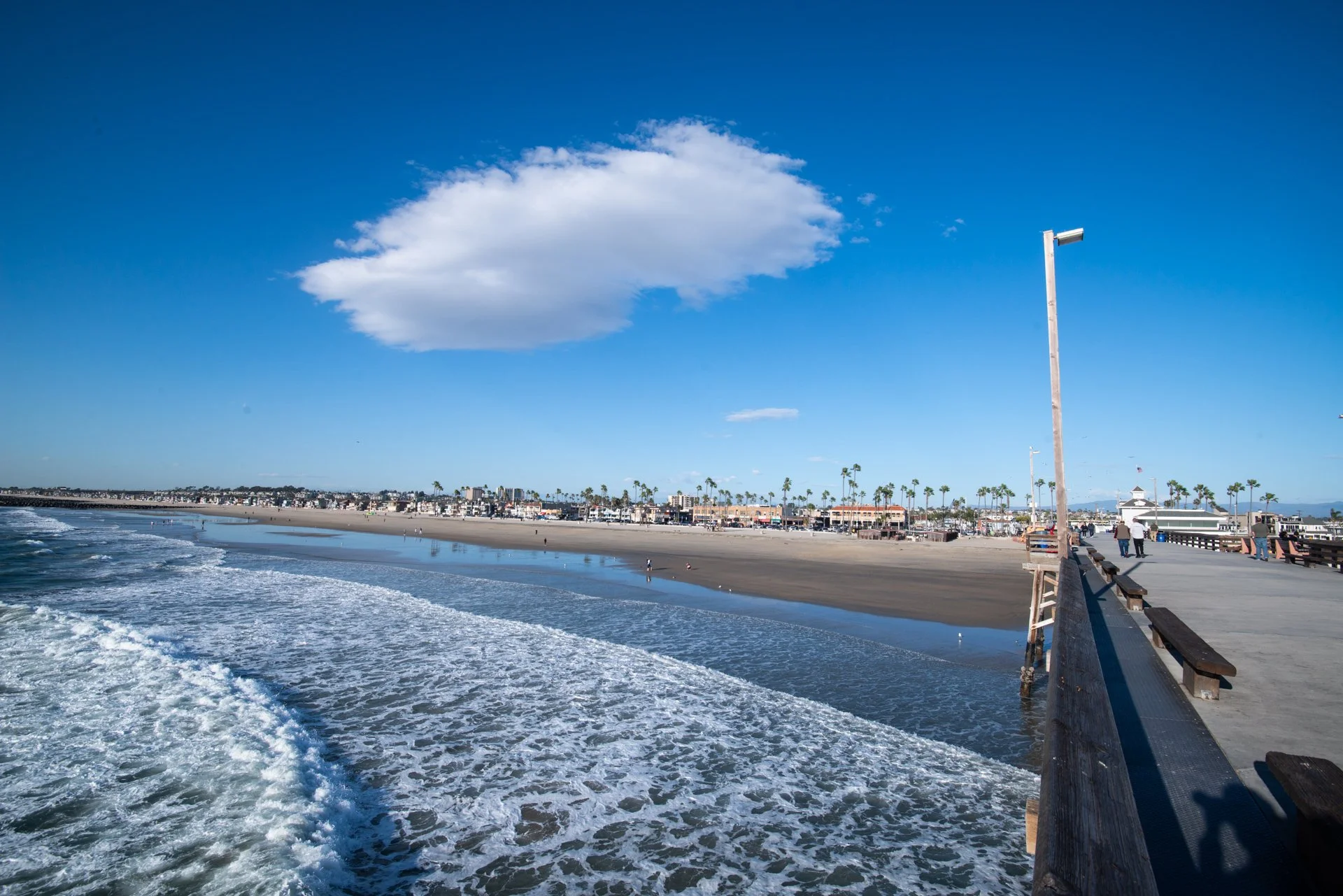
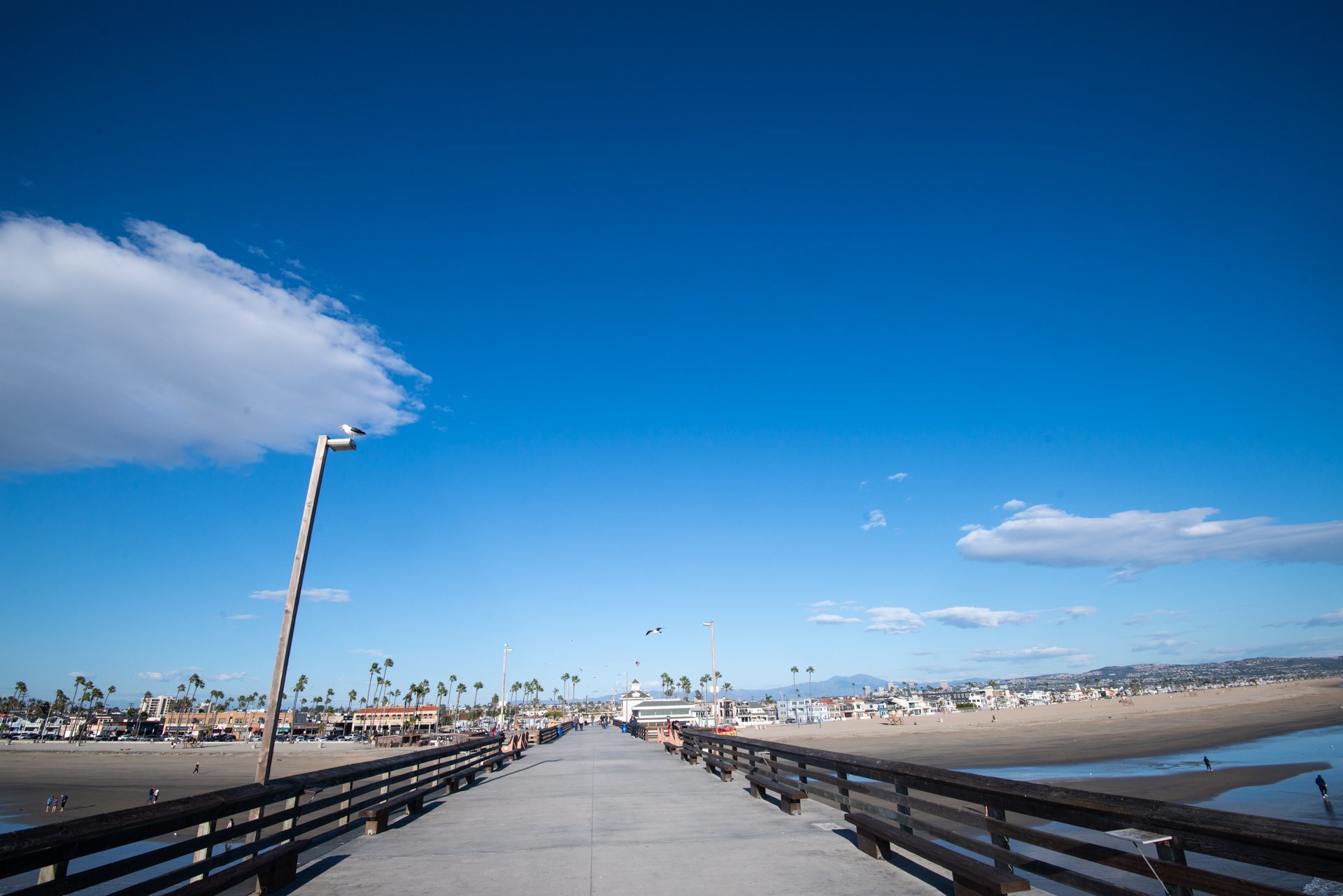
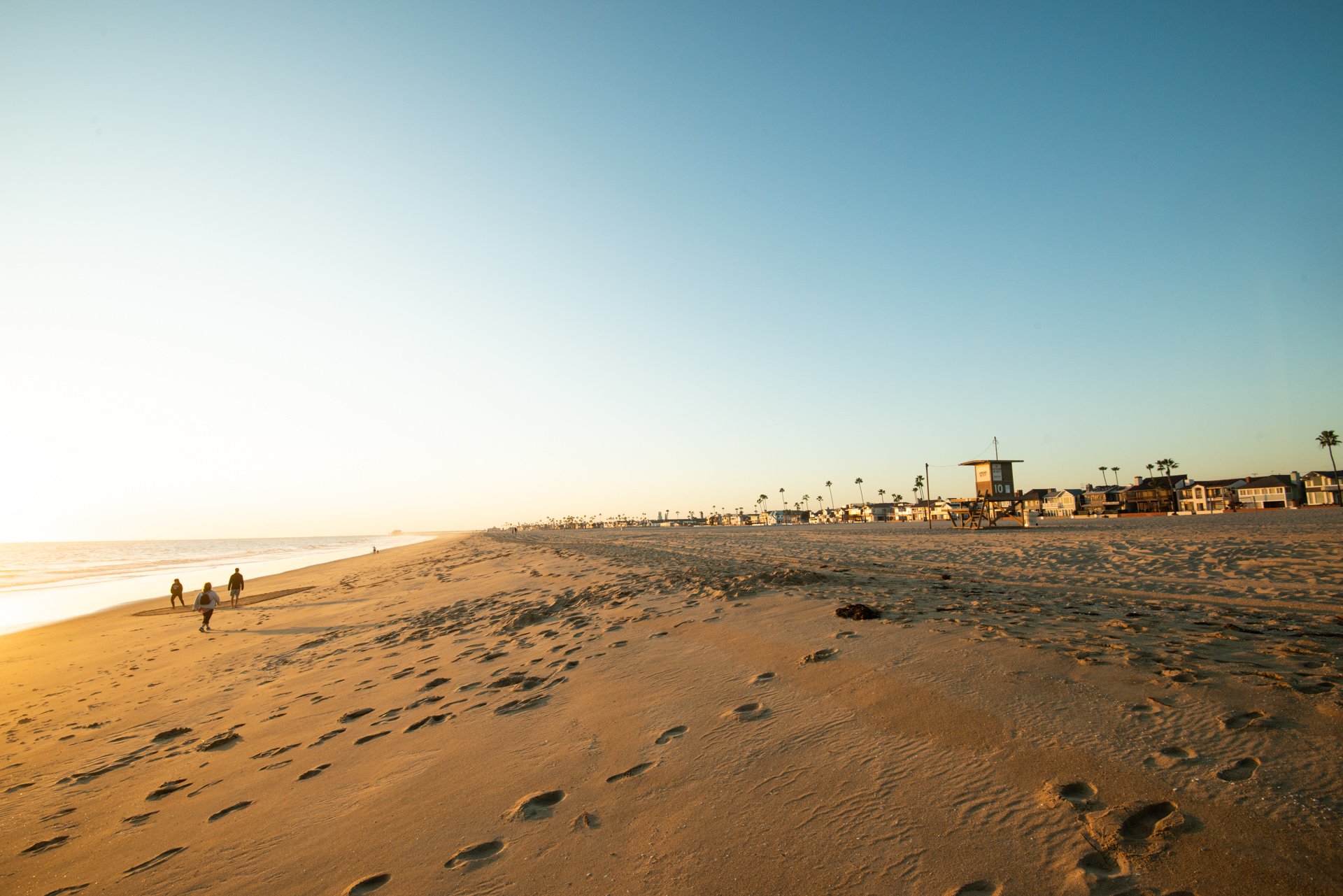
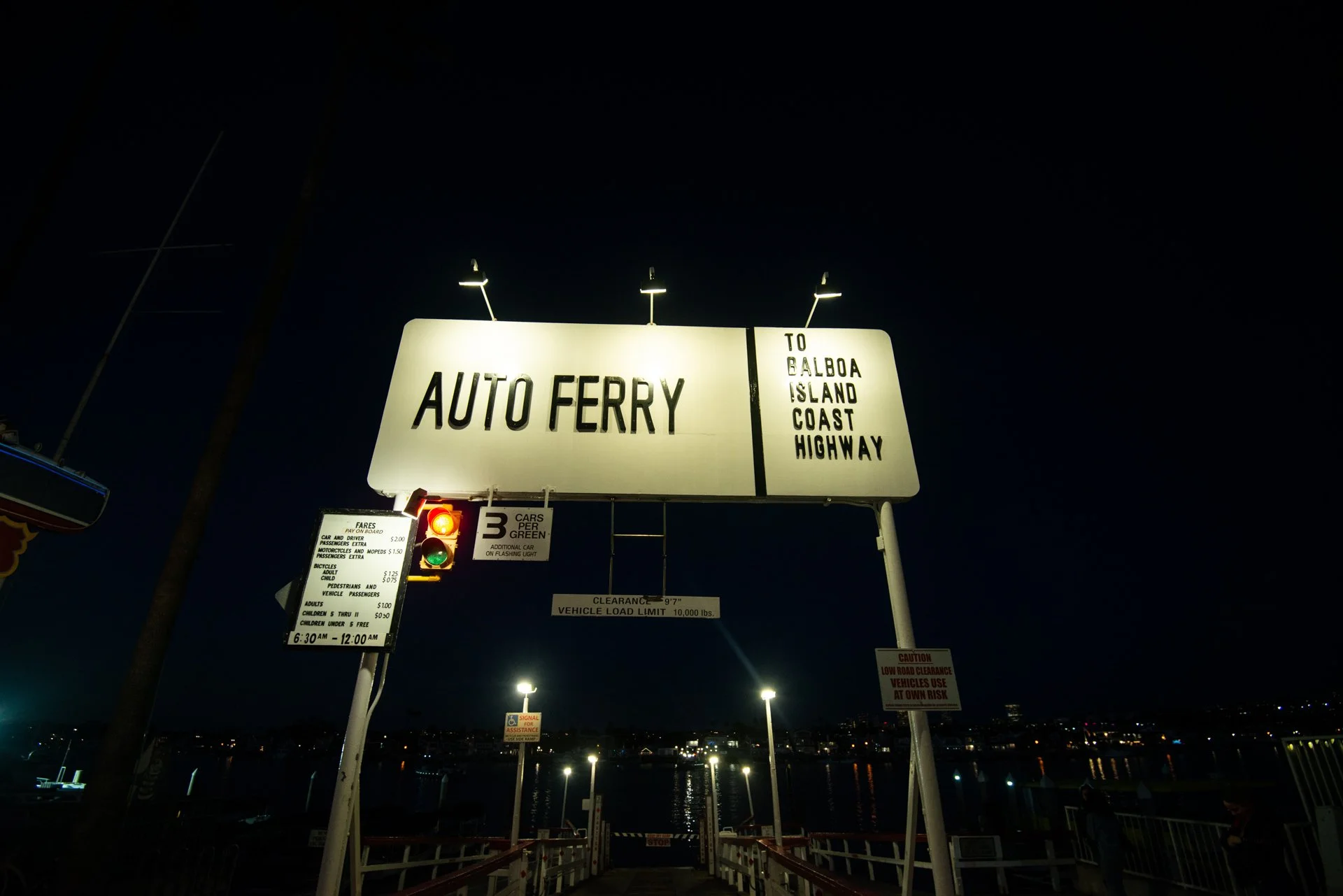
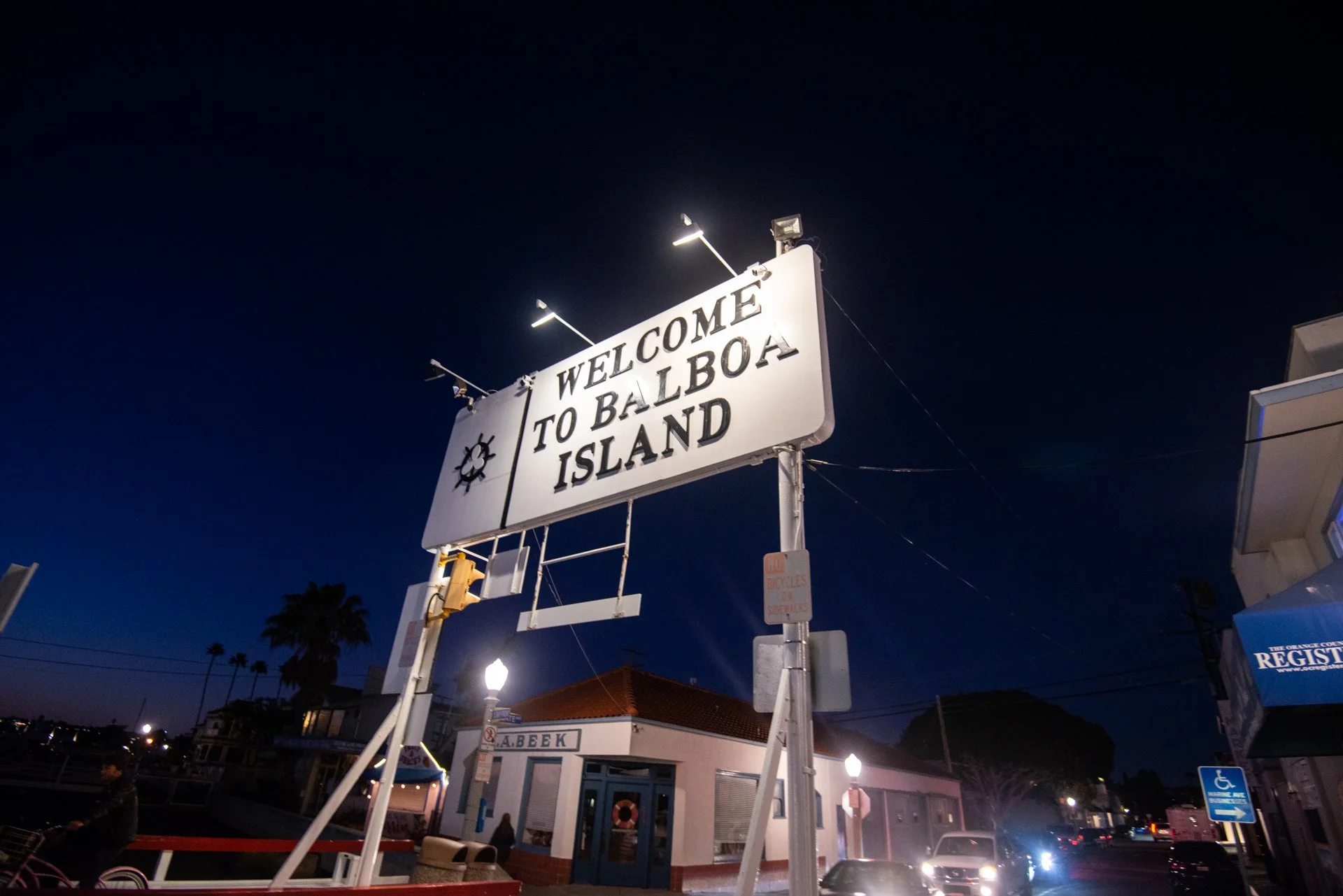
Balboa Island itself is largely man-made, created in the early 1900s by dredging sand from the harbour floor. Initially marketed as a resort and vacation community, it quickly became known for its charming cottages, boardwalks, and relaxed coastal lifestyle. The nearby Balboa Peninsula also developed into a popular beach destination with piers, amusement areas, and boating culture.
Throughout the 20th century, Newport Beach evolved into an affluent coastal city known for its marinas, yachting culture, and scenic shoreline. Newport Harbor became one of the largest recreational harbours in the United States, central to the area’s identity.
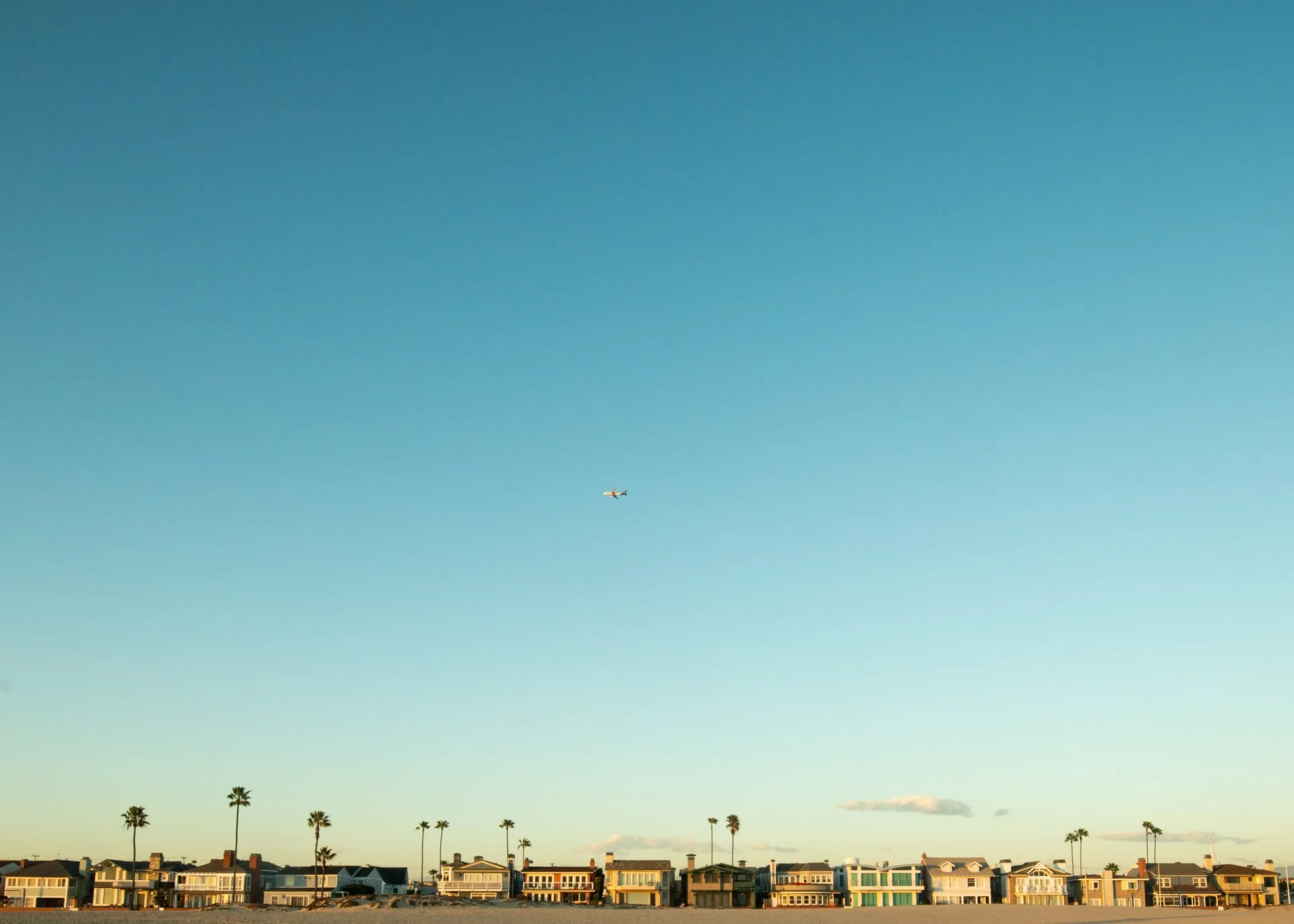
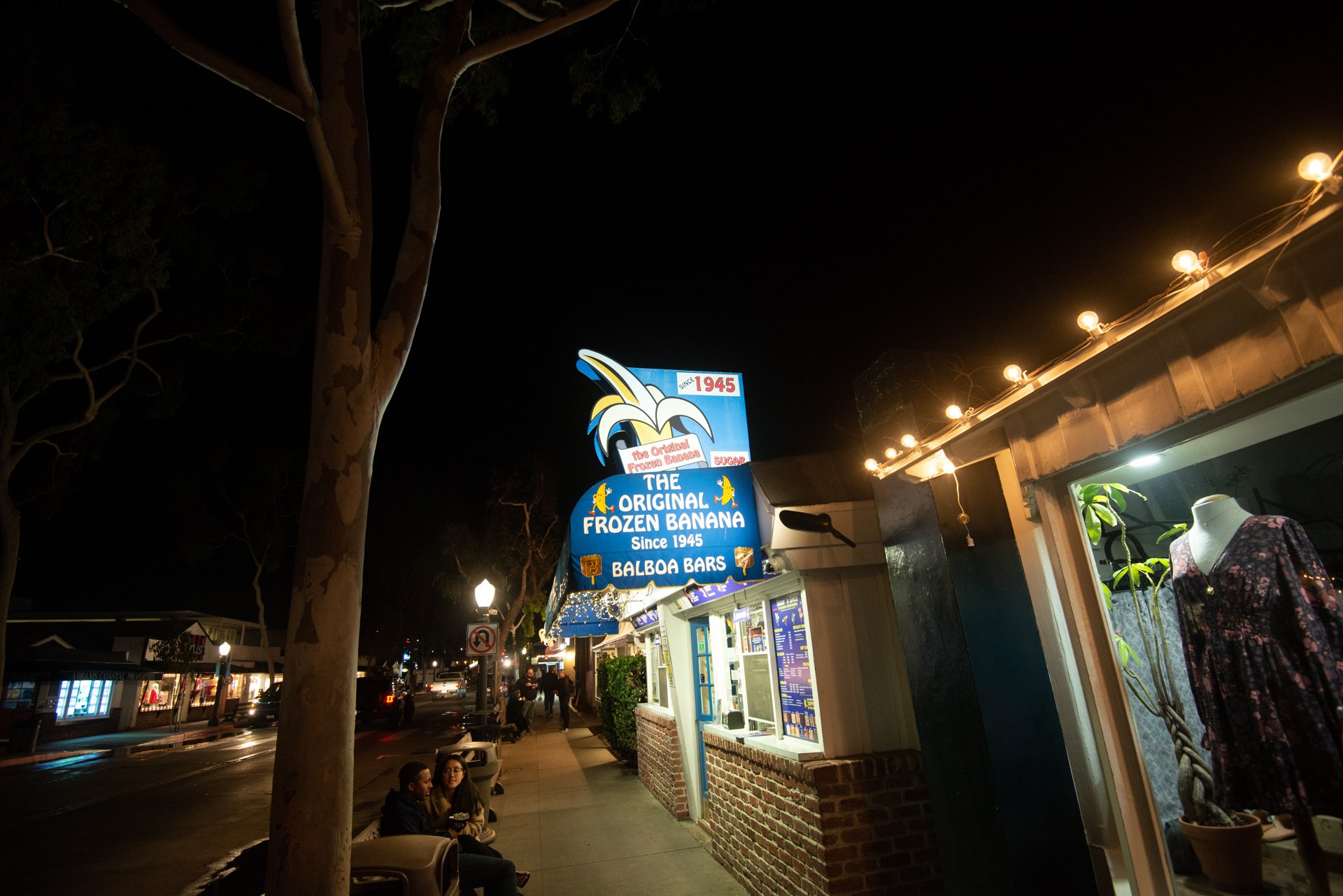
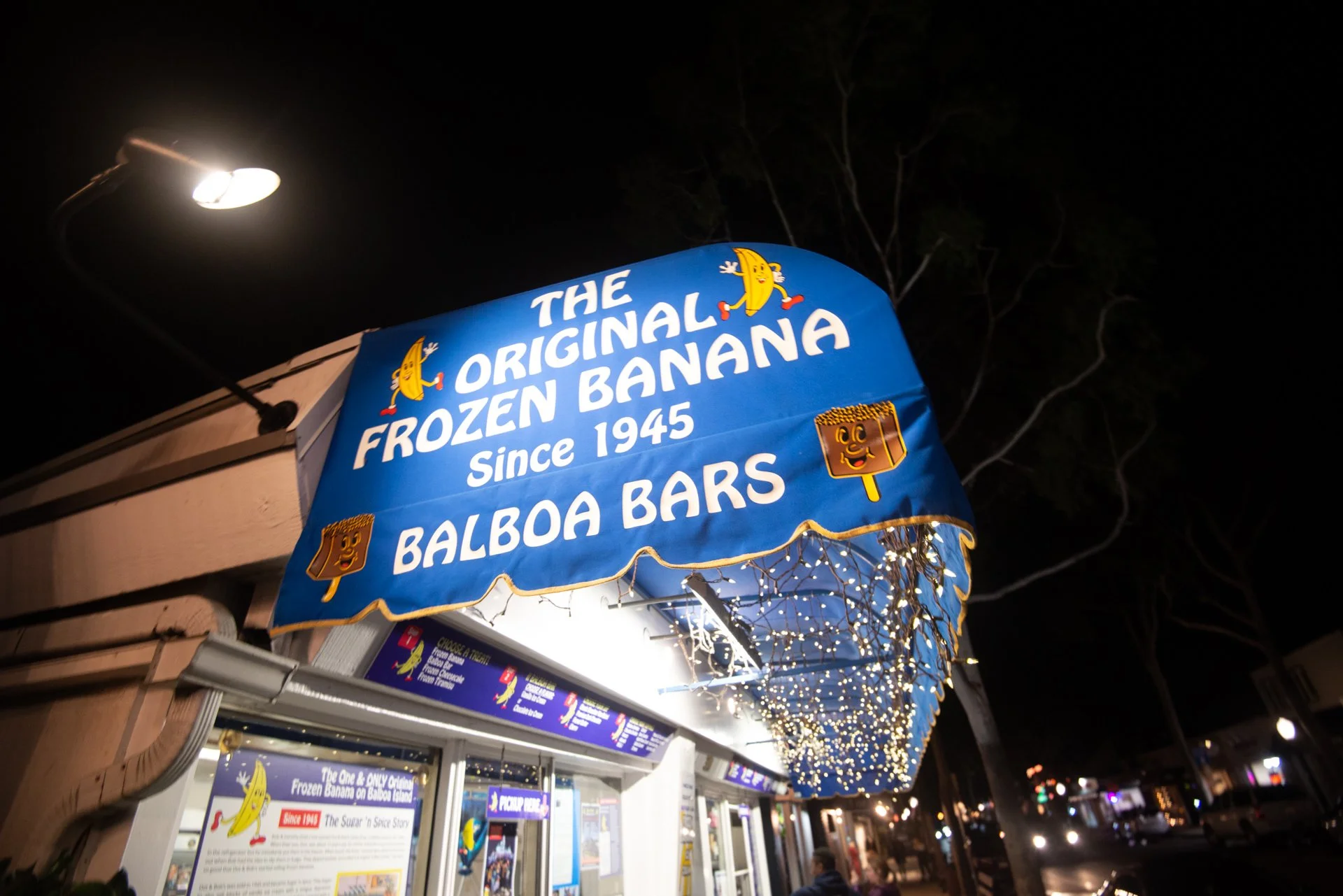
Today, Newport Beach and Balboa Island are known for their blend of luxury and laid-back beach culture—featuring waterfront homes, sailing, and iconic treats like frozen bananas and Balboa Bars—while still reflecting their origins as a carefully developed coastal resort community.