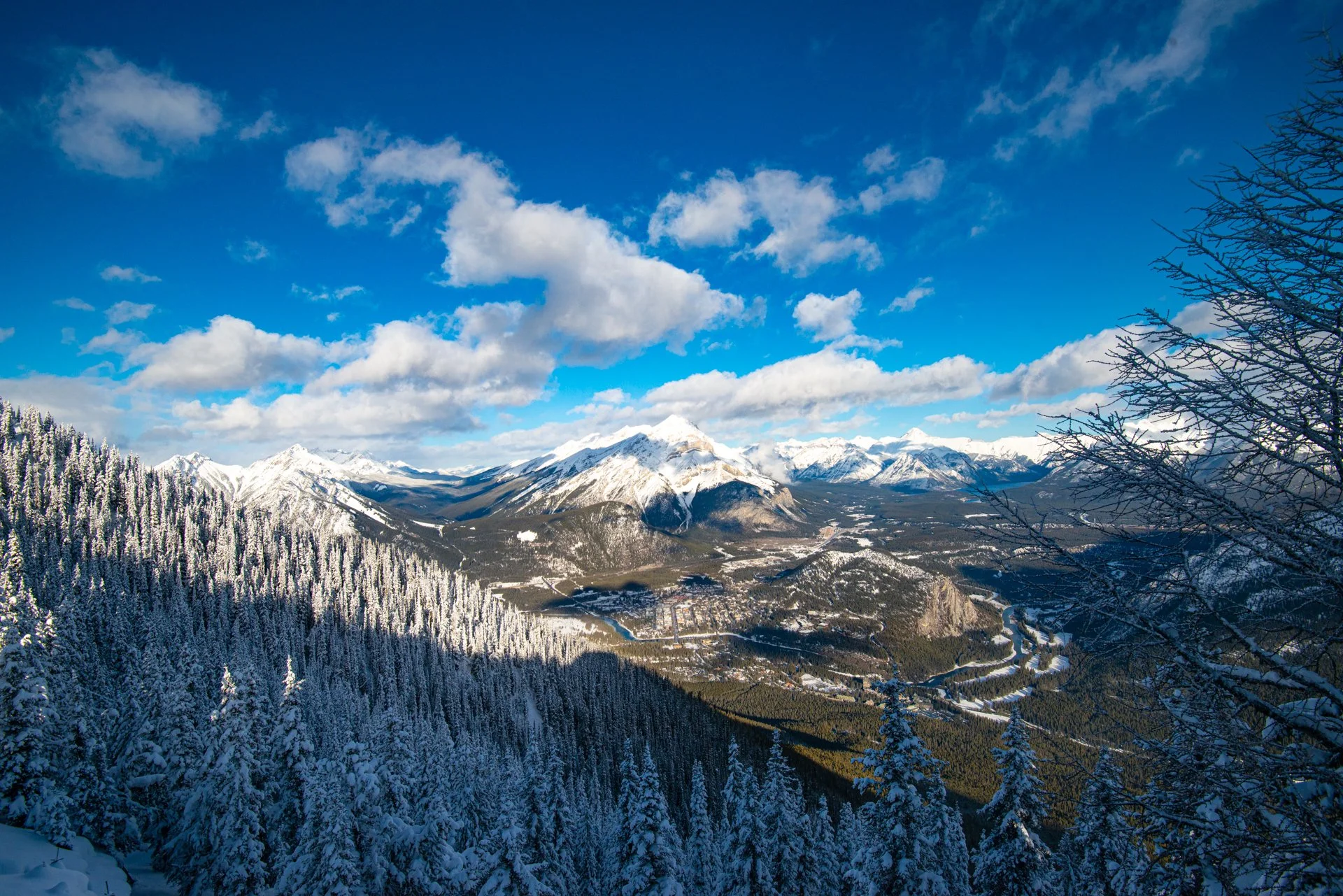
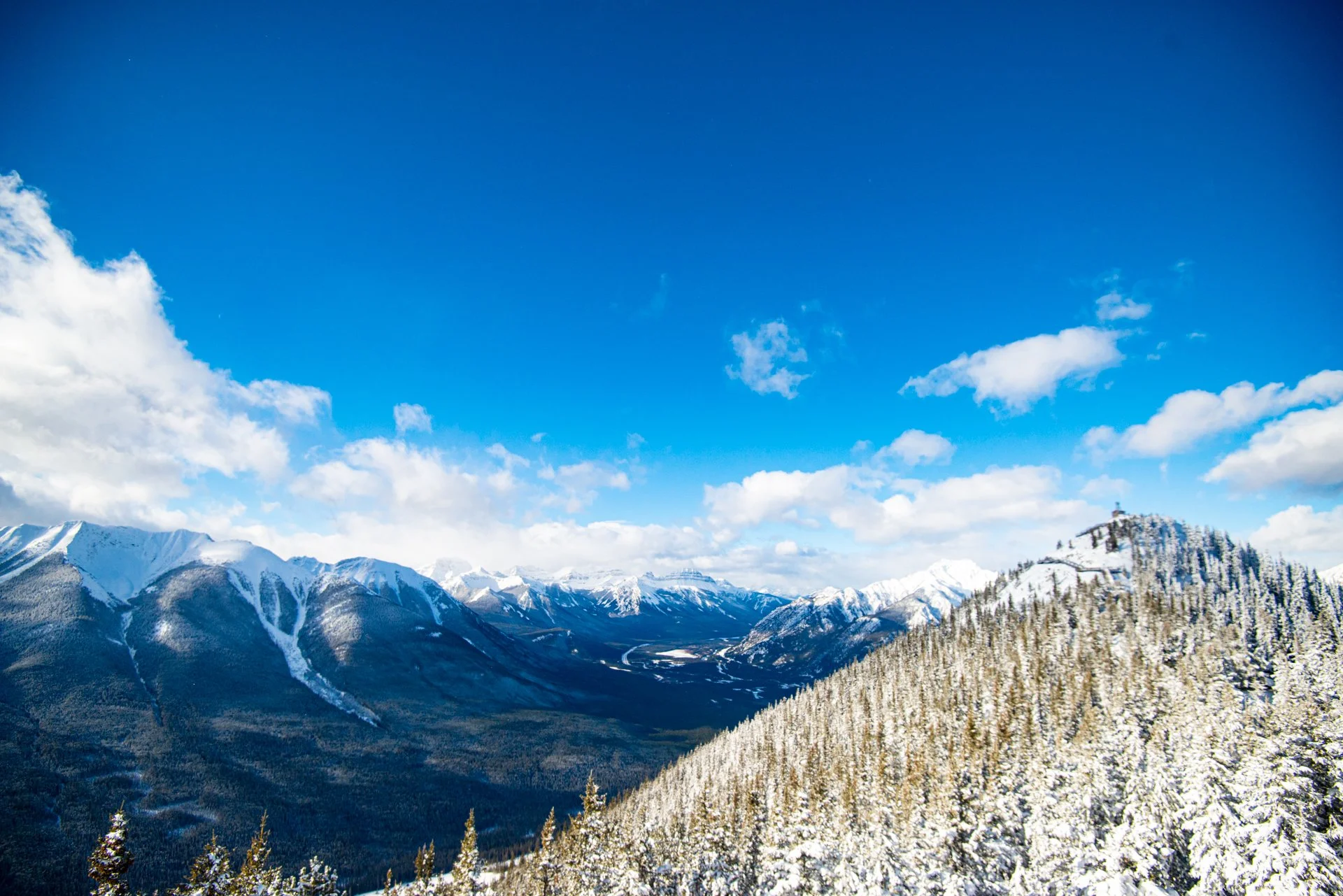
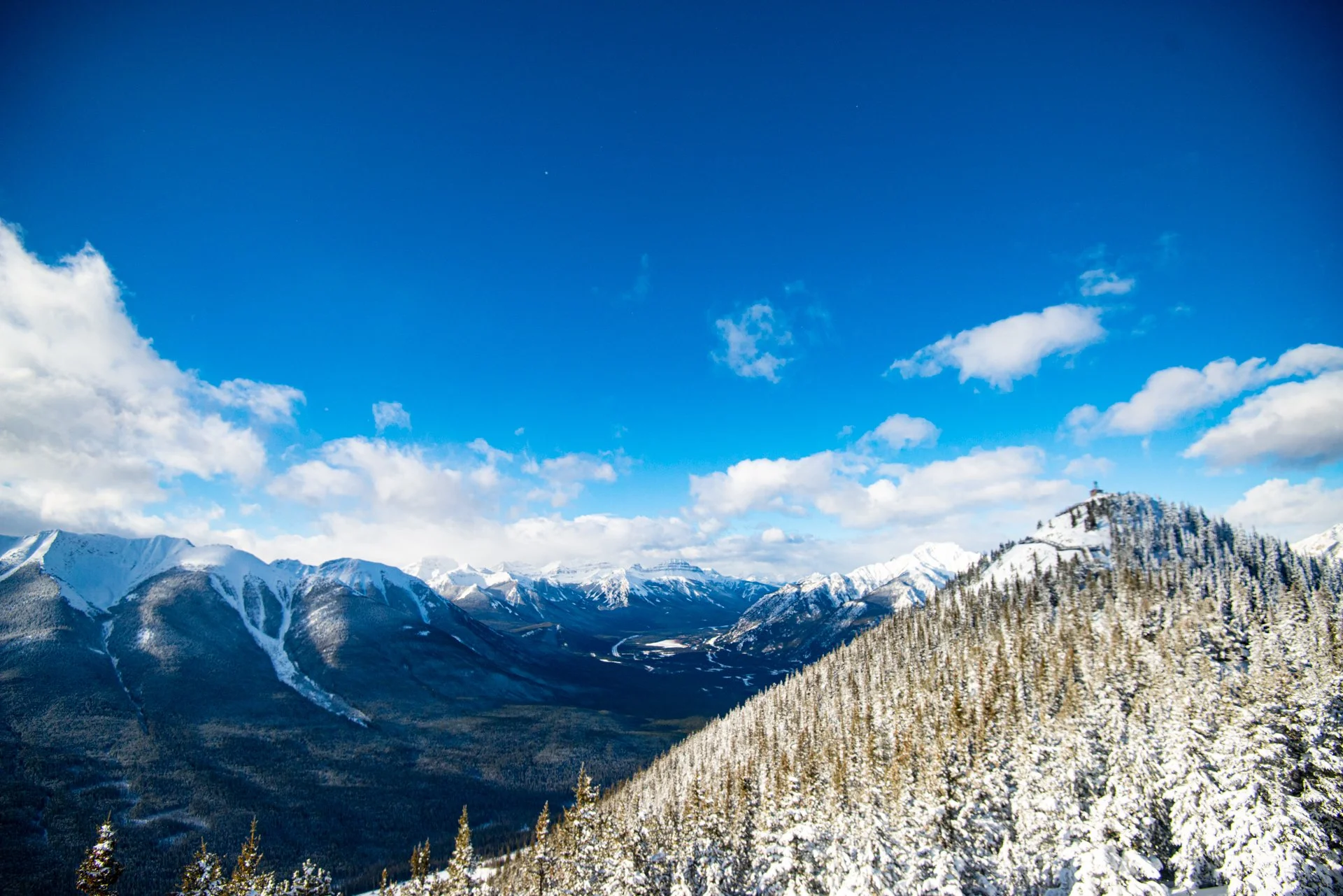
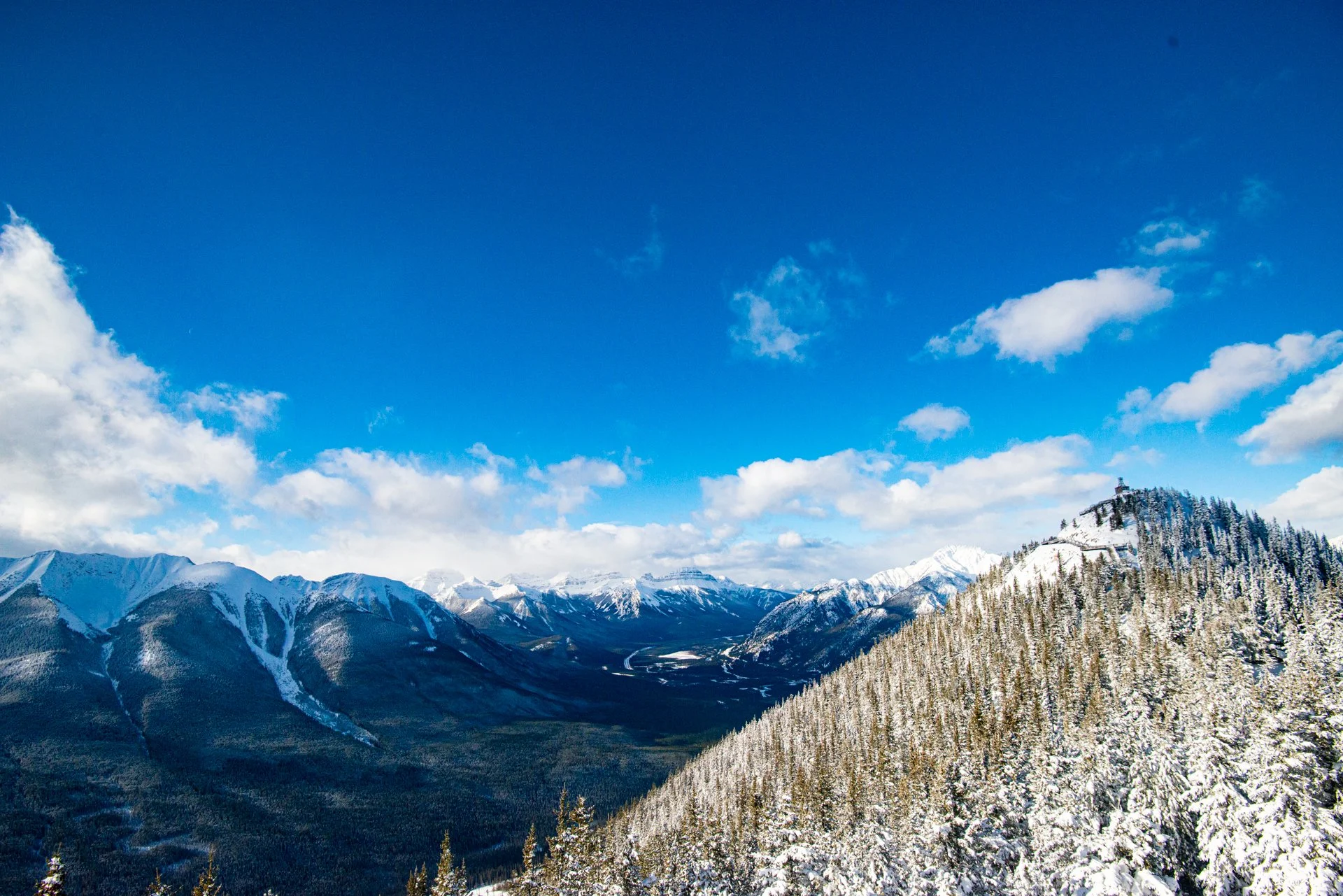
Banff Trip
Long before it became one of Canada’s most famous mountain towns, the area around Banff was used by Indigenous peoples for thousands of years, including the Stoney Nakoda Nation, the Blackfoot Confederacy, and other nations who travelled through the region for hunting, trade, and spiritual purposes. The natural hot springs in the area were particularly significant gathering places.
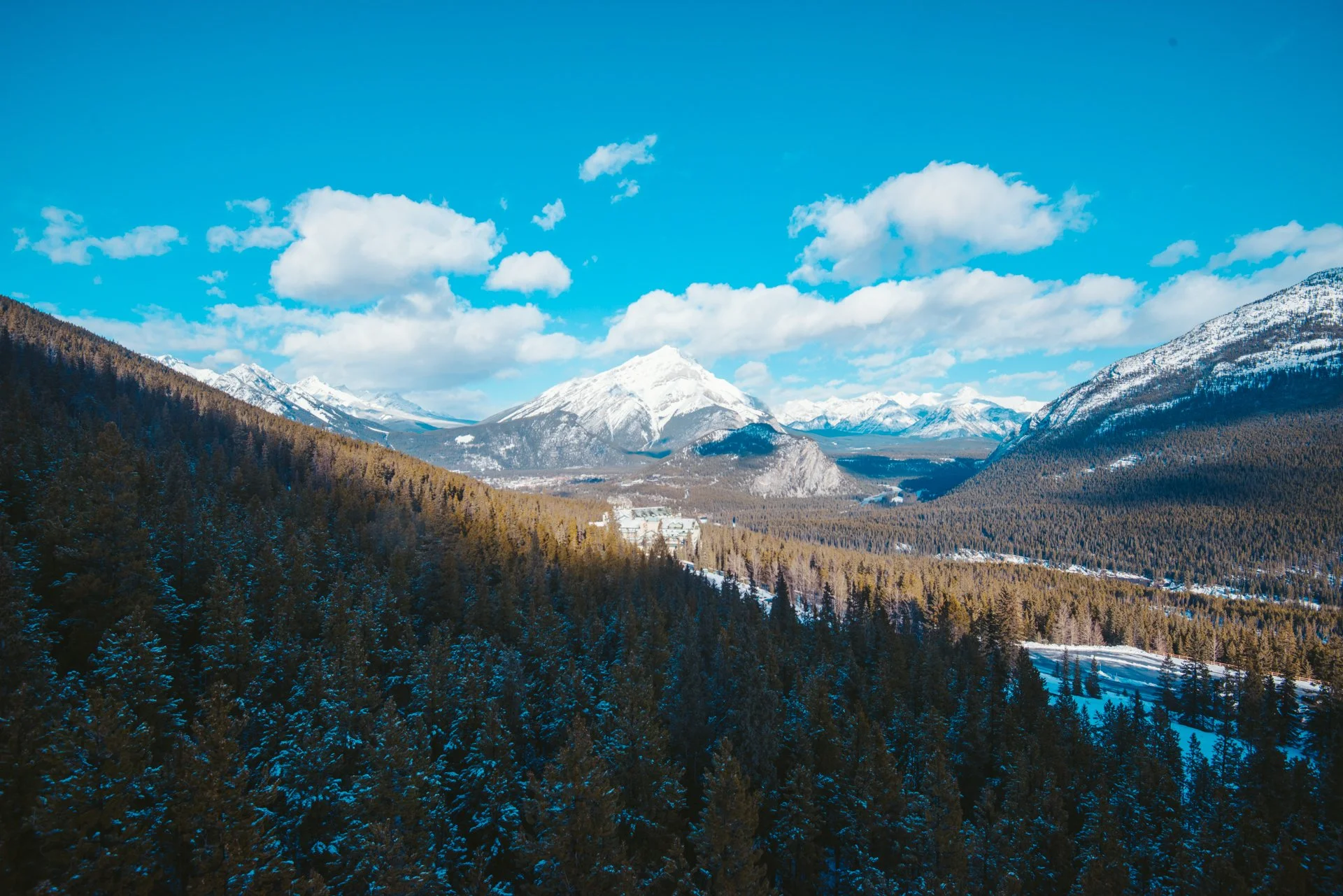
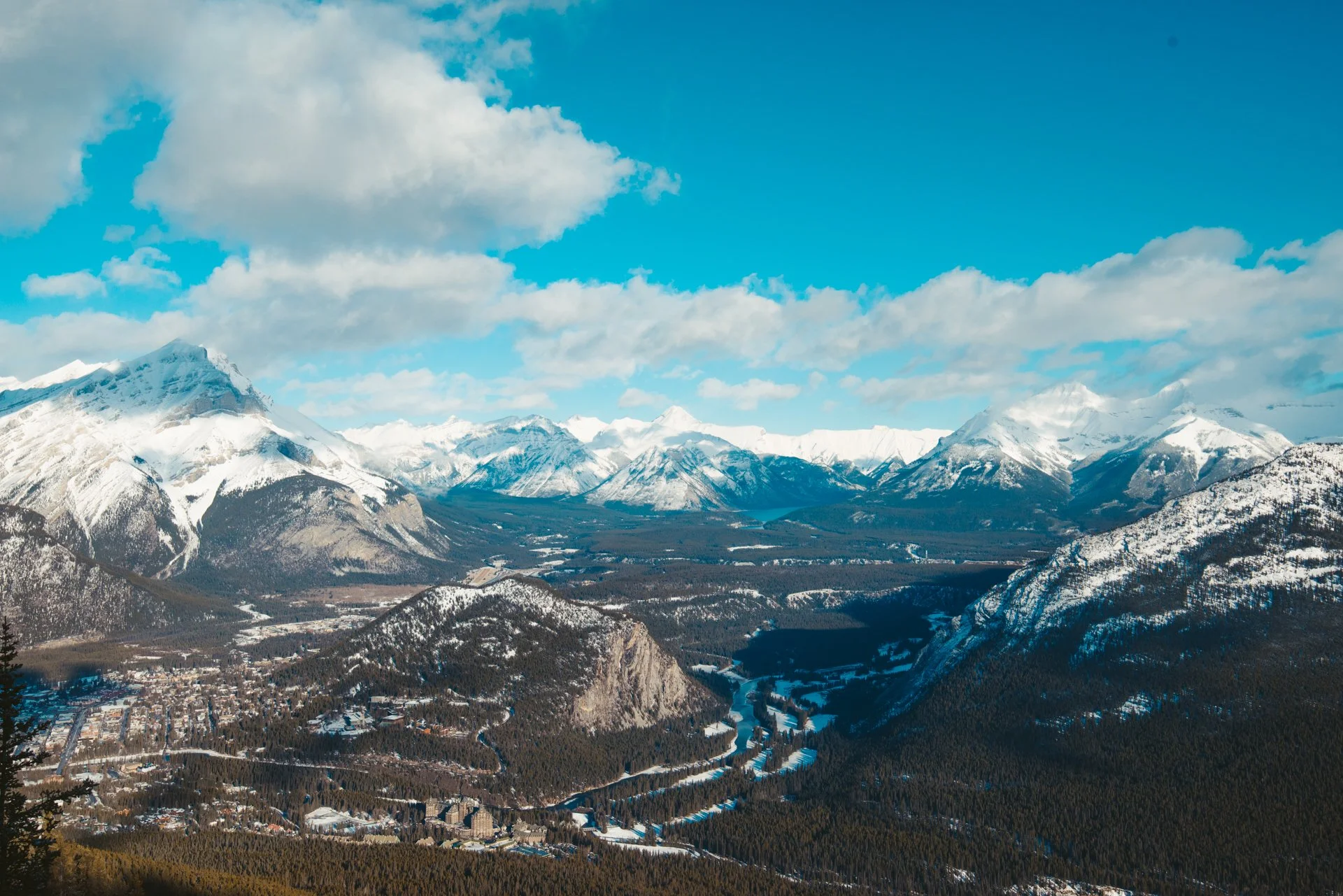
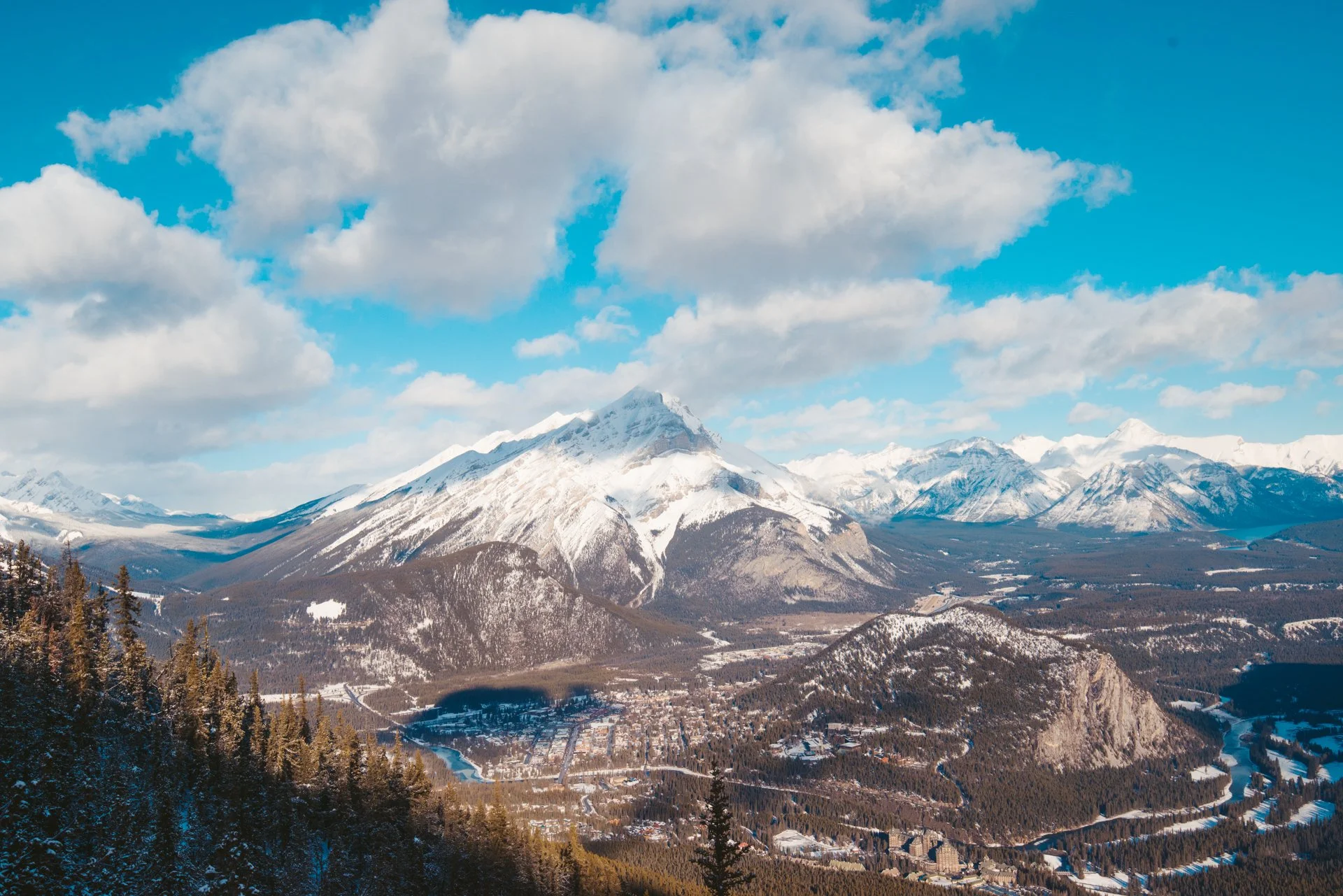
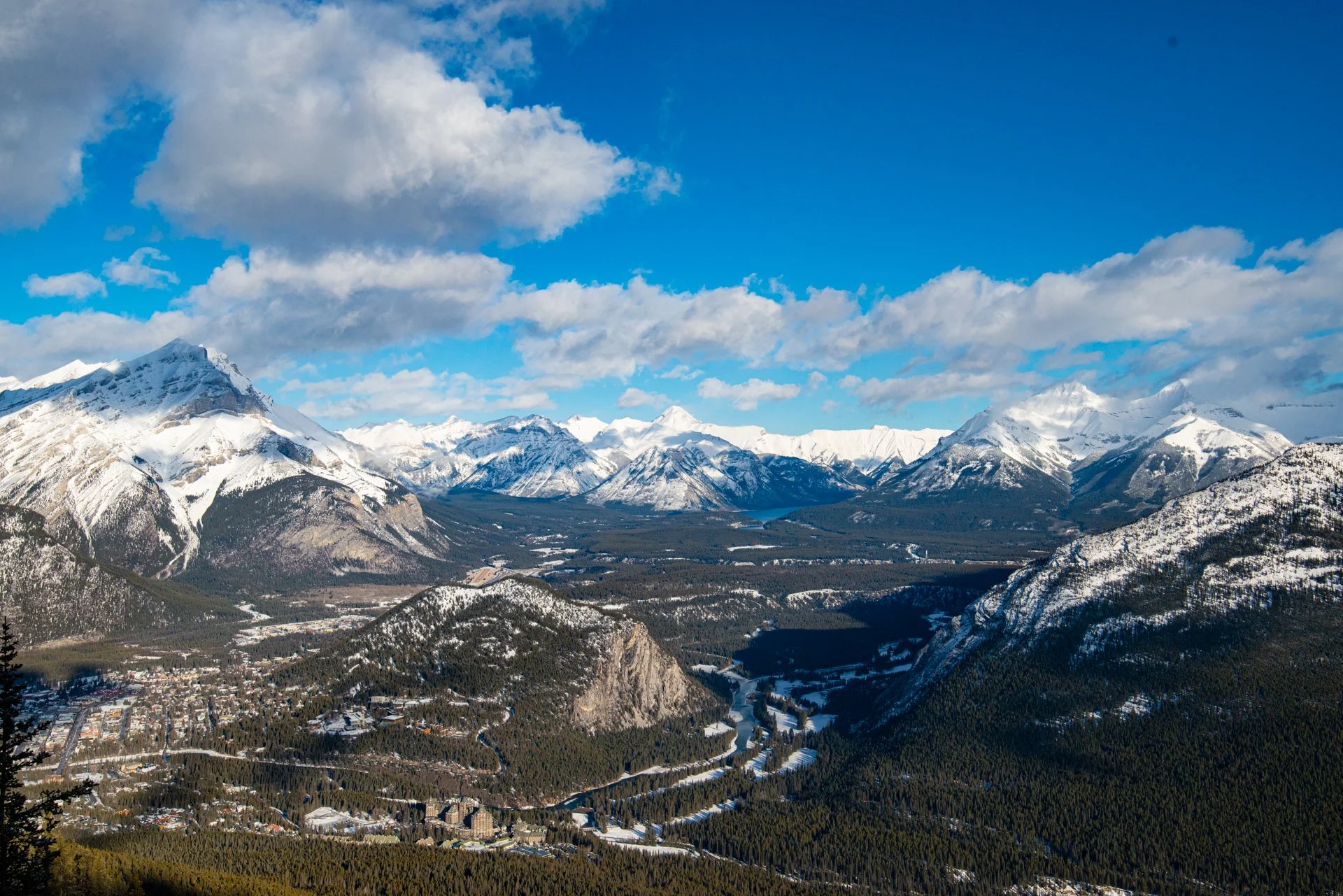
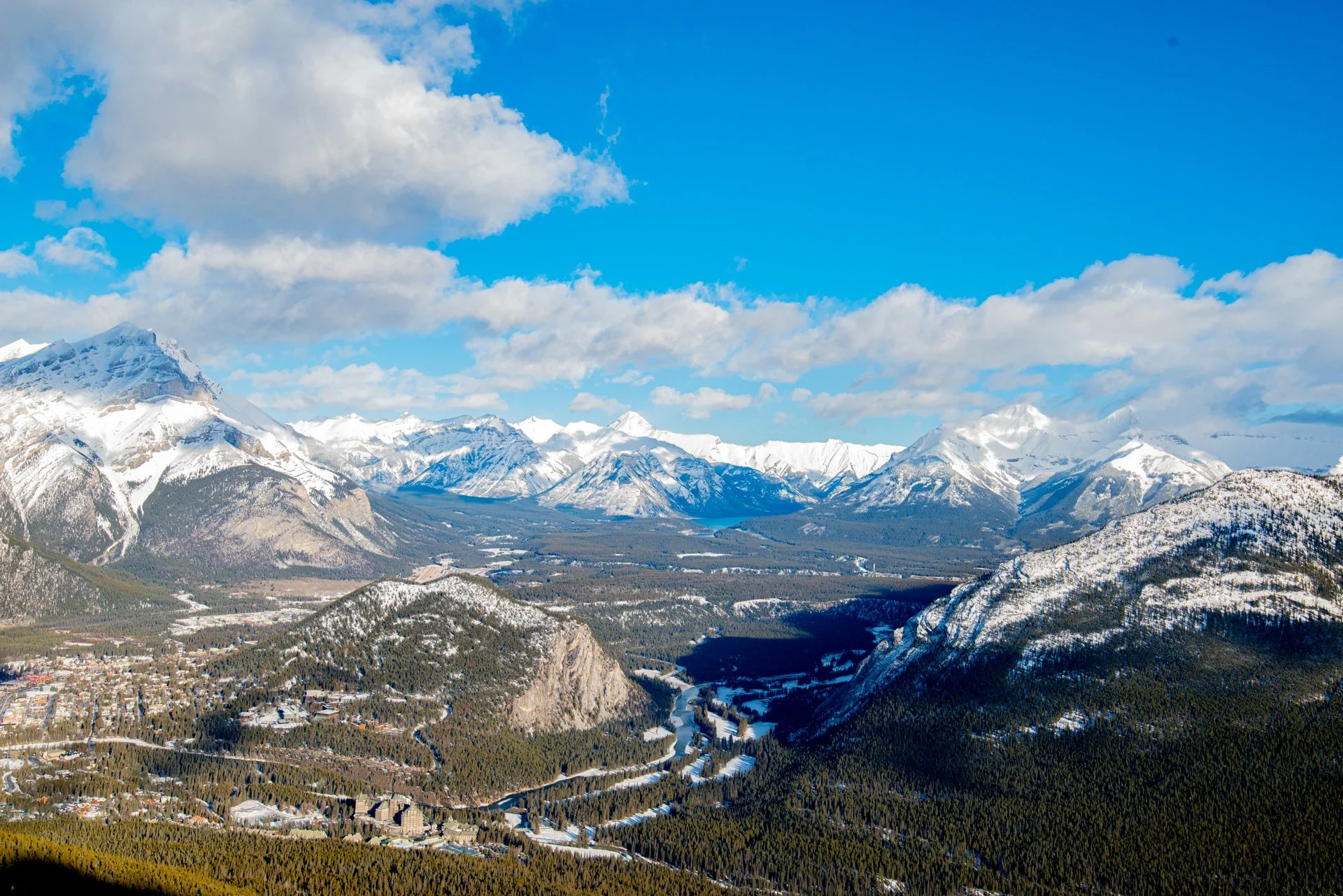
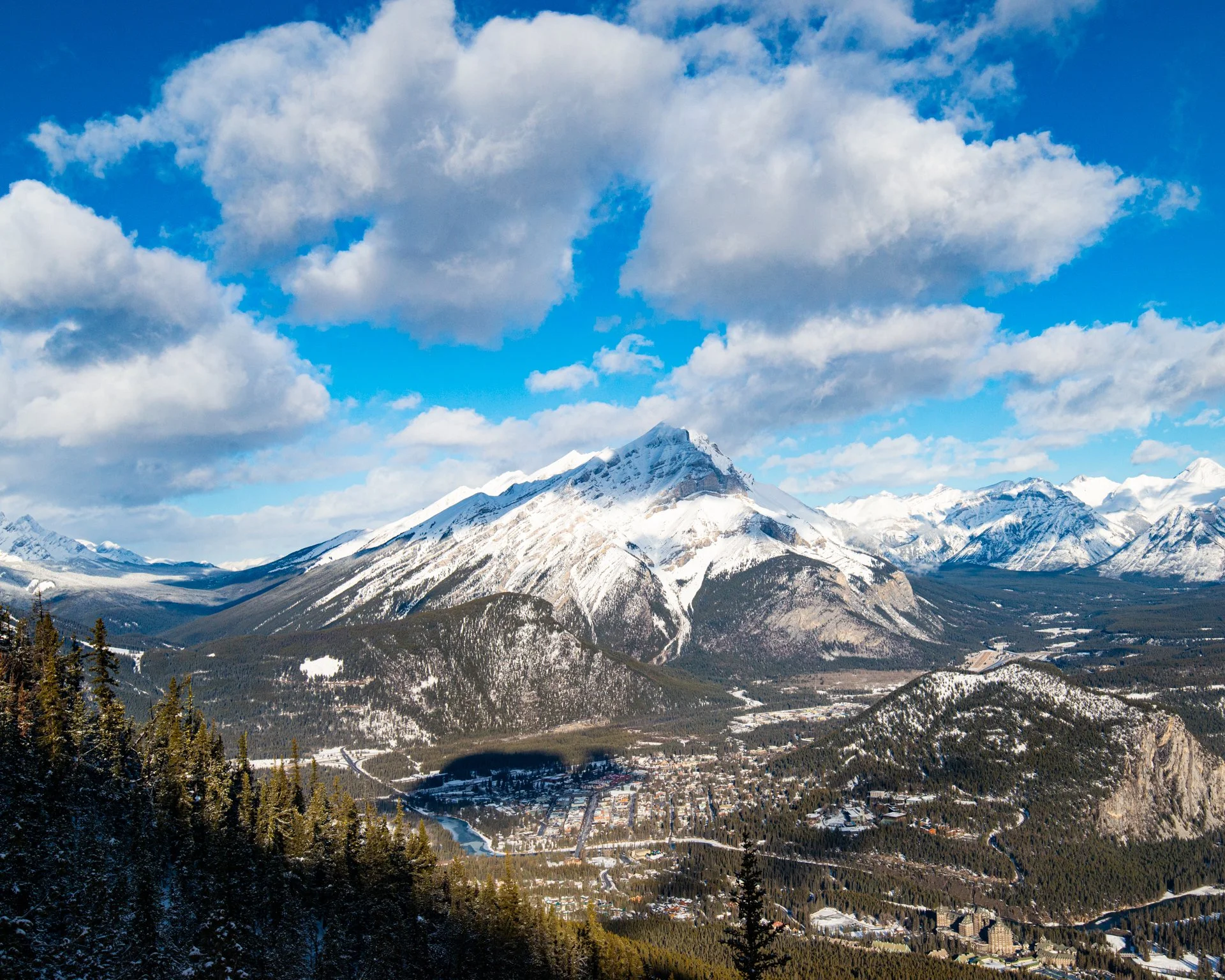
Banff’s modern history began in 1883 during the construction of the Canadian Pacific Railway. Railway workers discovered natural hot springs on the slopes of Sulphur Mountain. Recognizing the tourism potential, the Canadian government set aside the land in 1885, creating Banff National Park—the first national park in Canada and one of the earliest in the world.
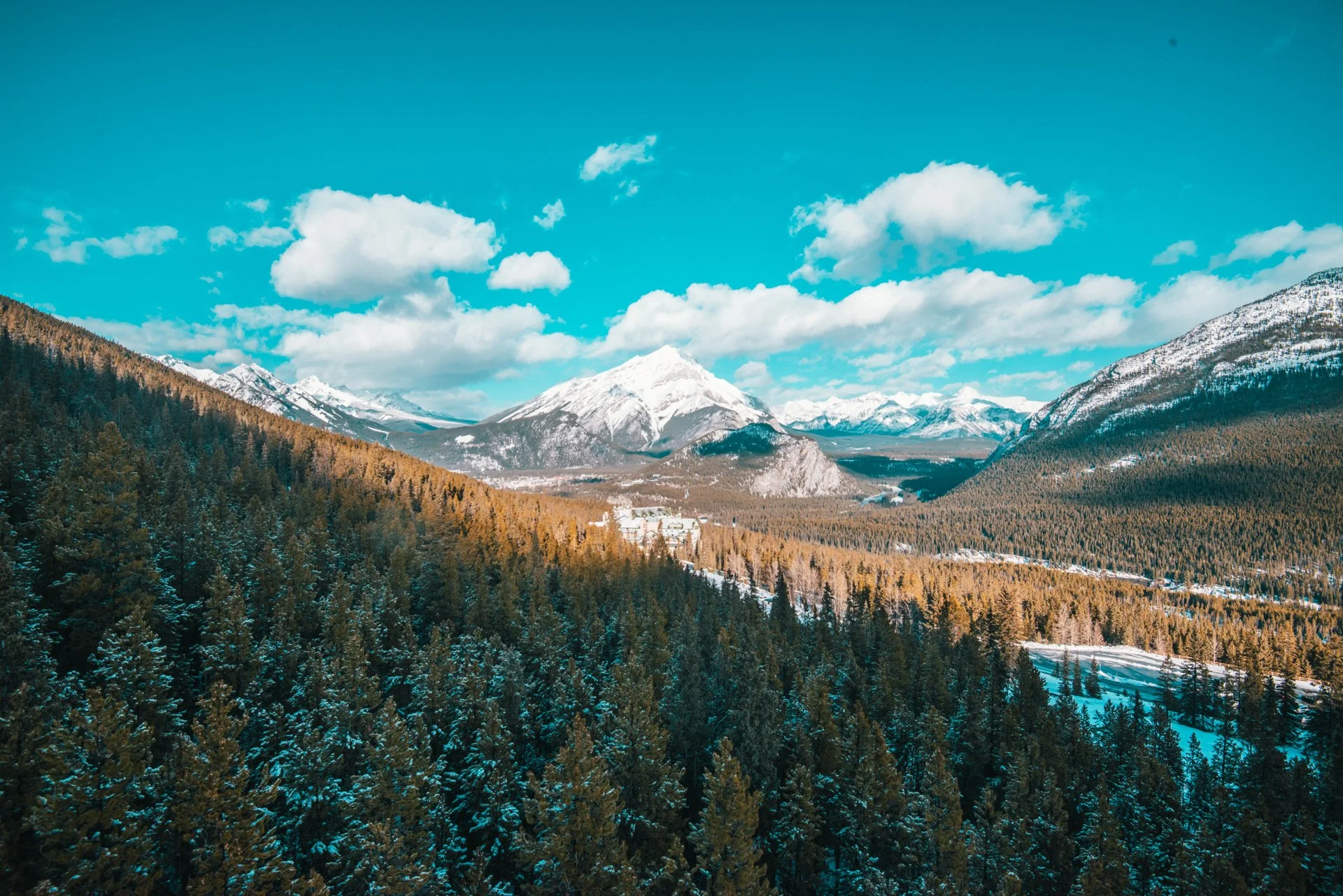
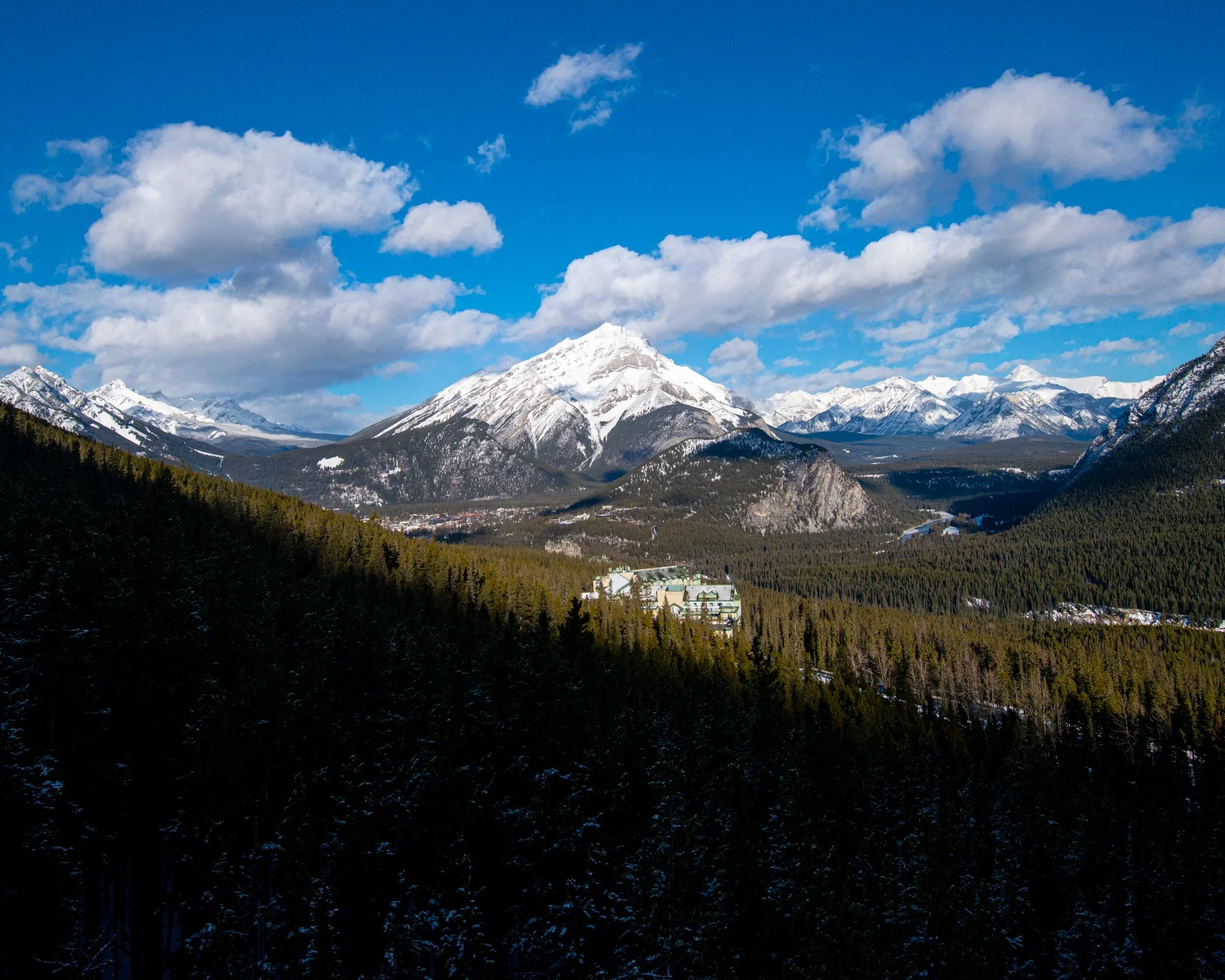
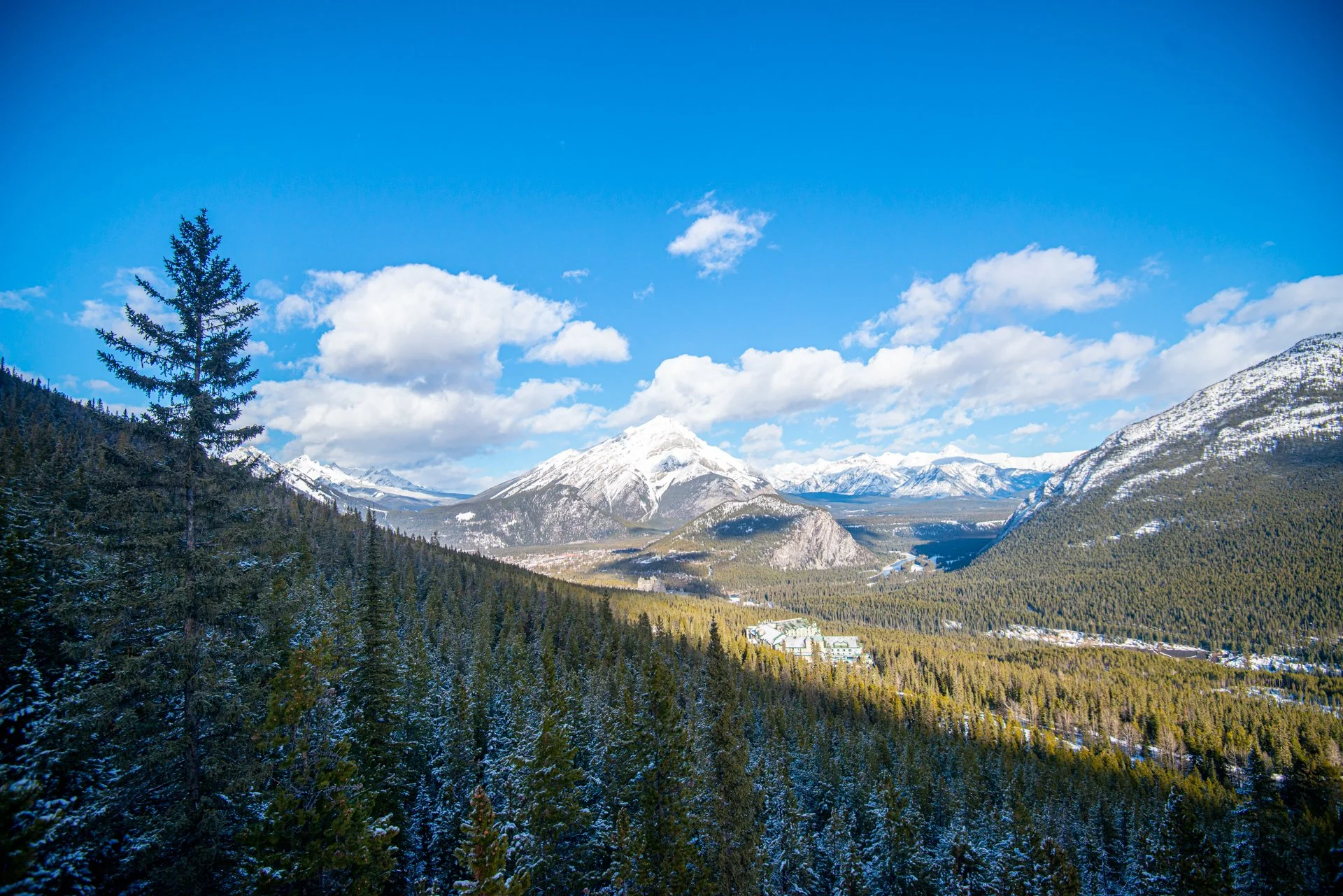
The railway company quickly developed the area as a tourism destination, building grand hotels such as the iconic Fairmont Banff Springs in 1888. Marketed as a luxurious mountain retreat, Banff attracted travelers from around the world who came to experience the Canadian Rockies.
The town of Banff grew alongside the park, becoming a hub for mountaineering, outdoor recreation, and tourism. In the early 20th century, guides from Europe helped establish Banff as a centre for alpine exploration and skiing.
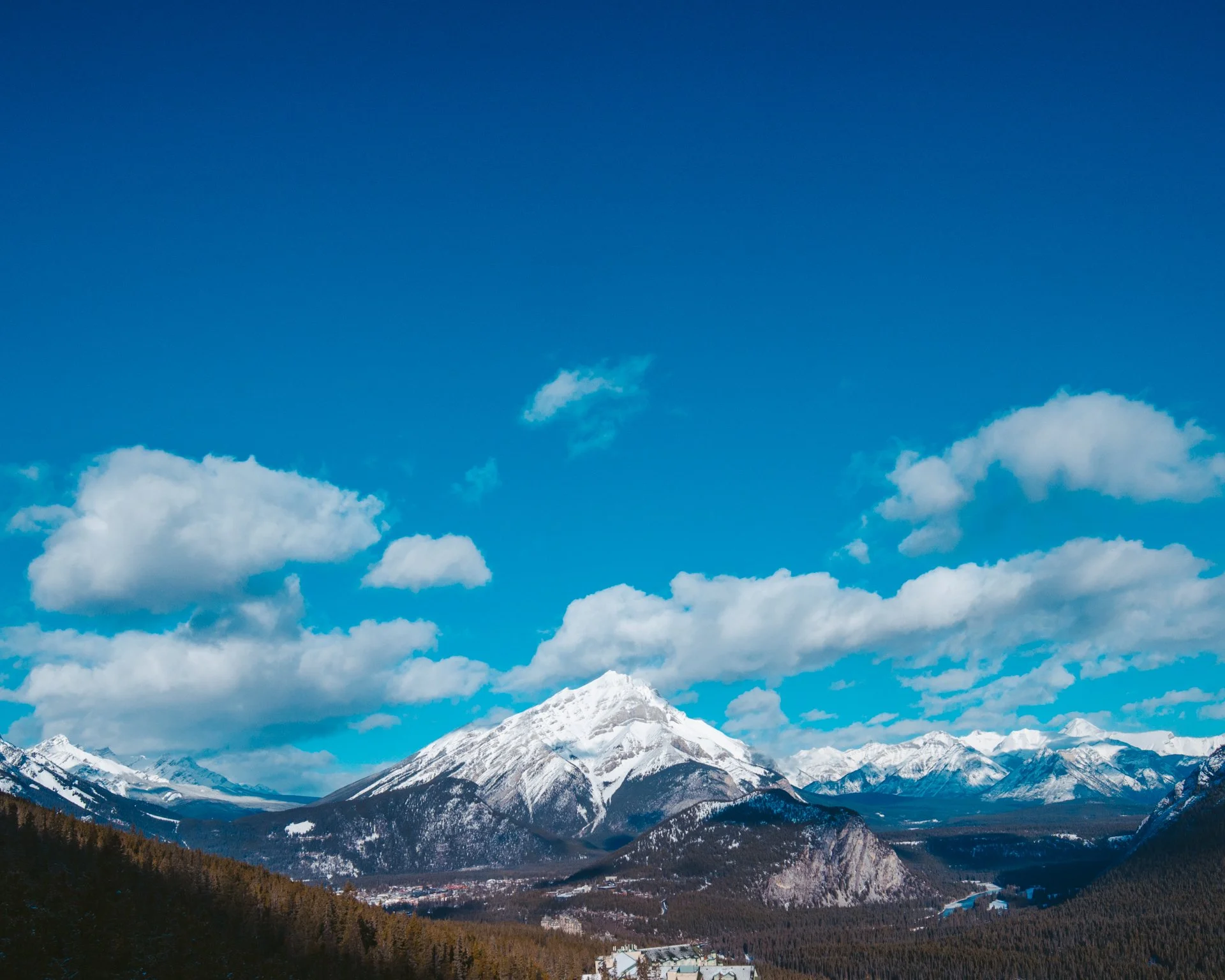
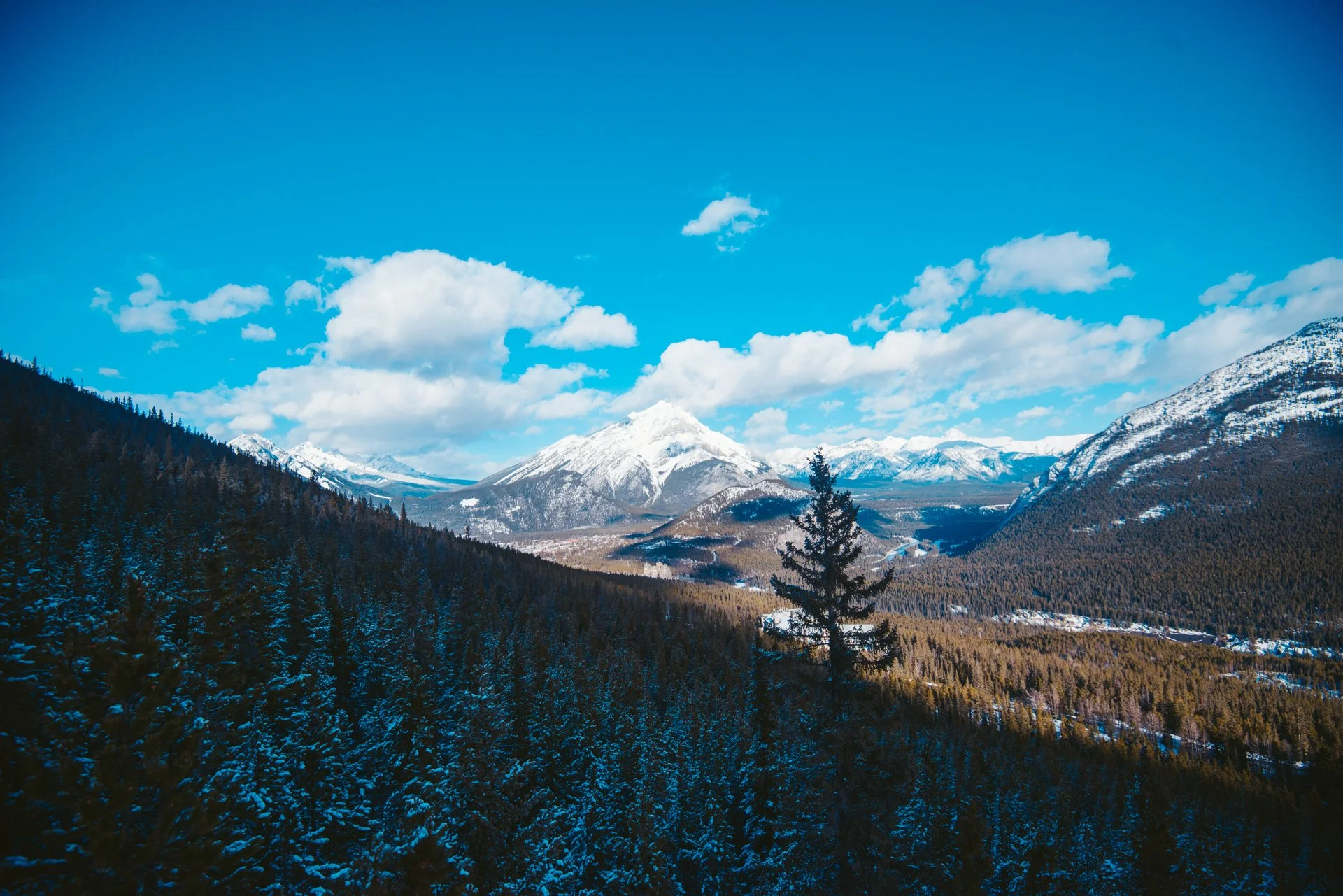
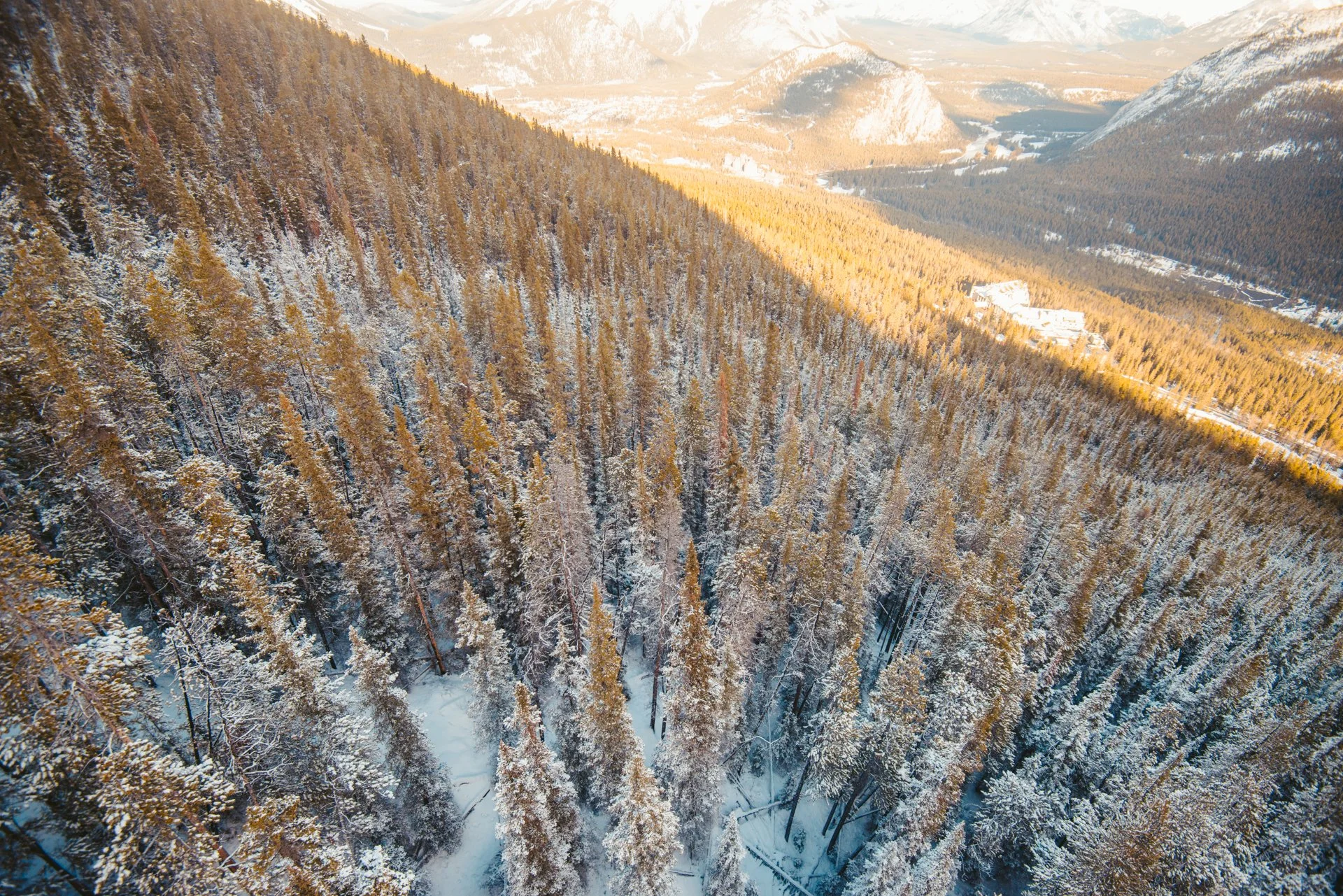
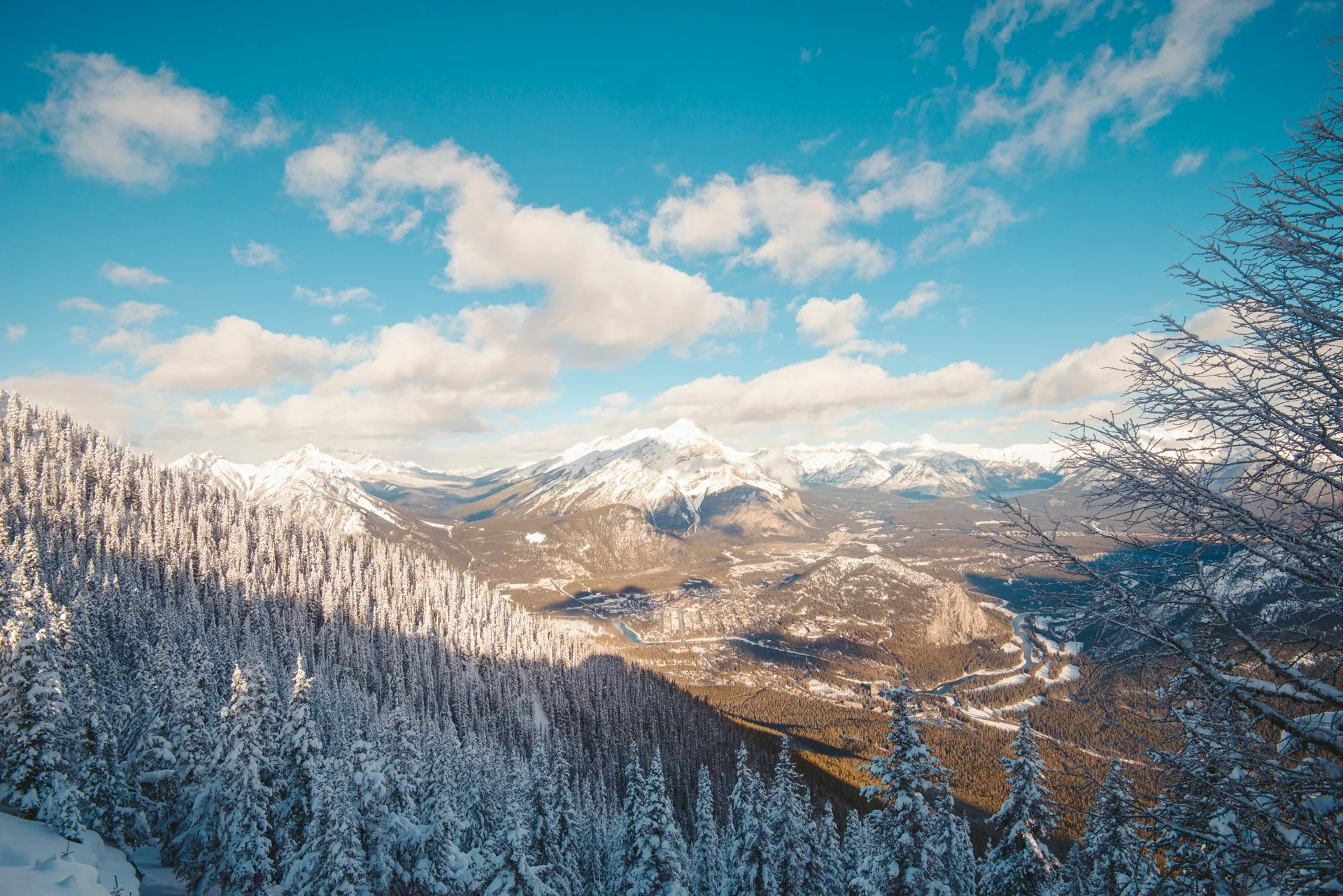
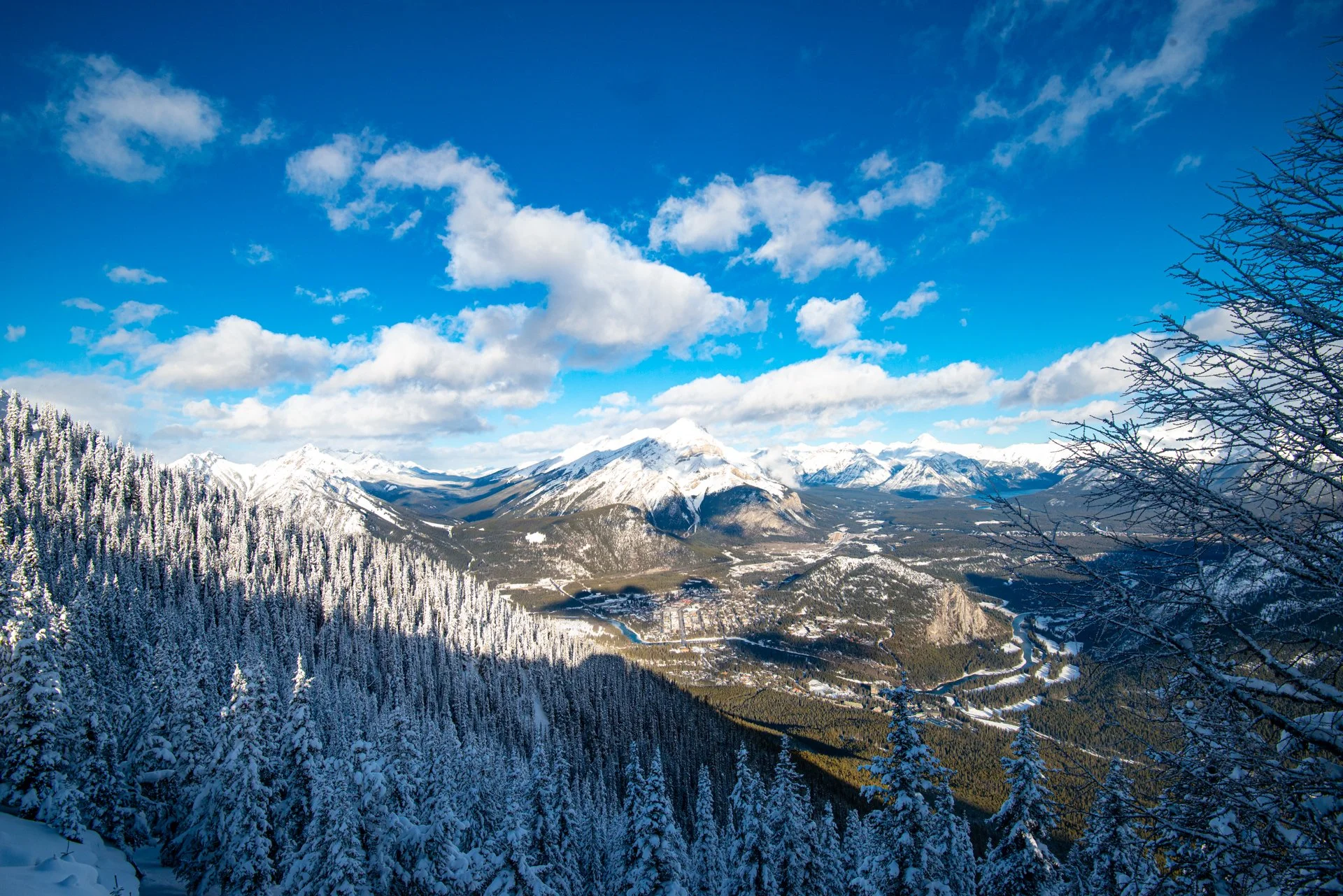
Throughout the 20th century, Banff evolved into one of Canada’s premier tourist destinations, known for its dramatic landscapes, wildlife, and outdoor activities. Today, the town sits within Banff National Park and welcomes millions of visitors each year who come to experience the beauty of the Canadian Rockies.
Banff remains a symbol of Canada’s natural heritage—where conservation, tourism, and mountain culture have shaped a community unlike any other in the country.