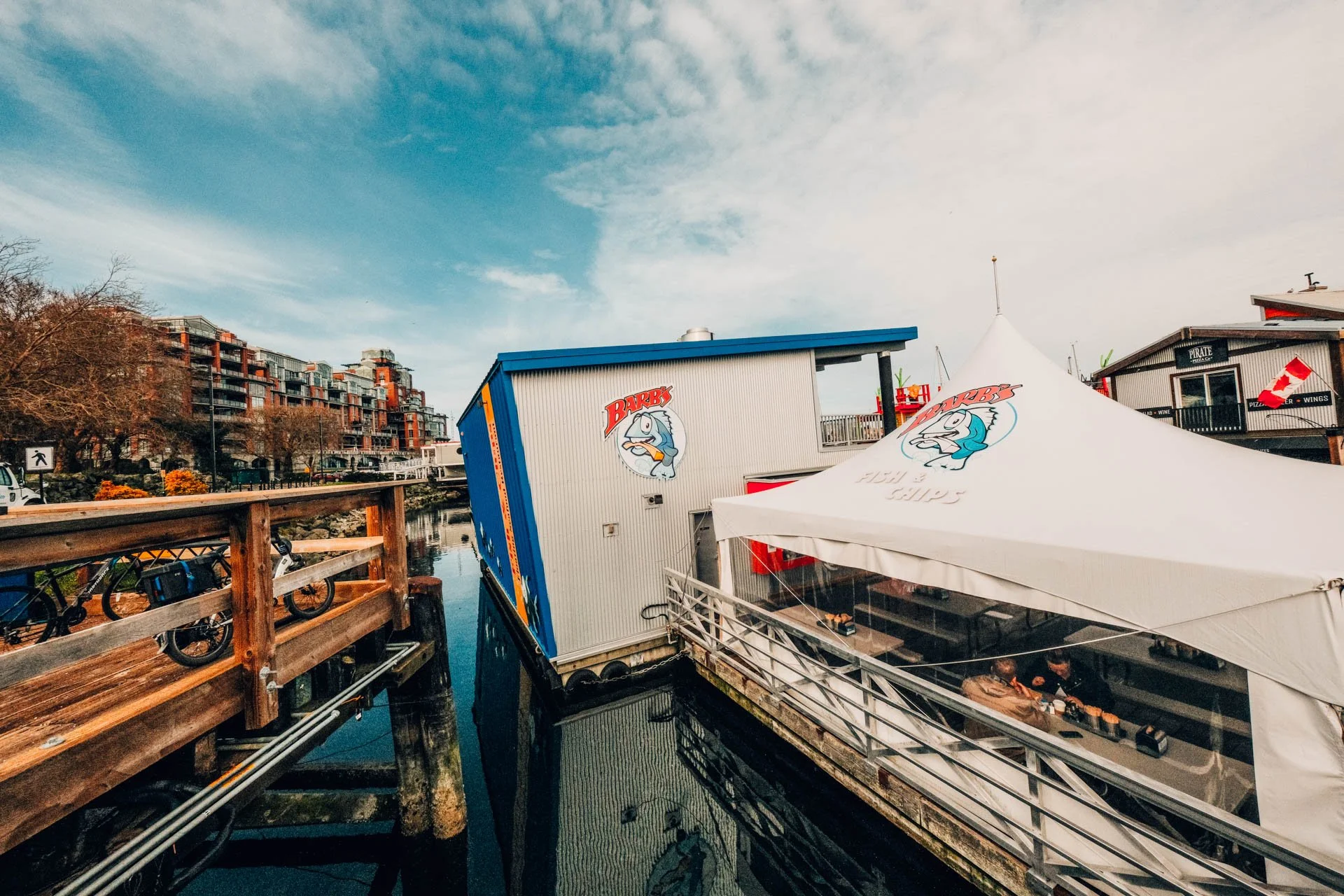
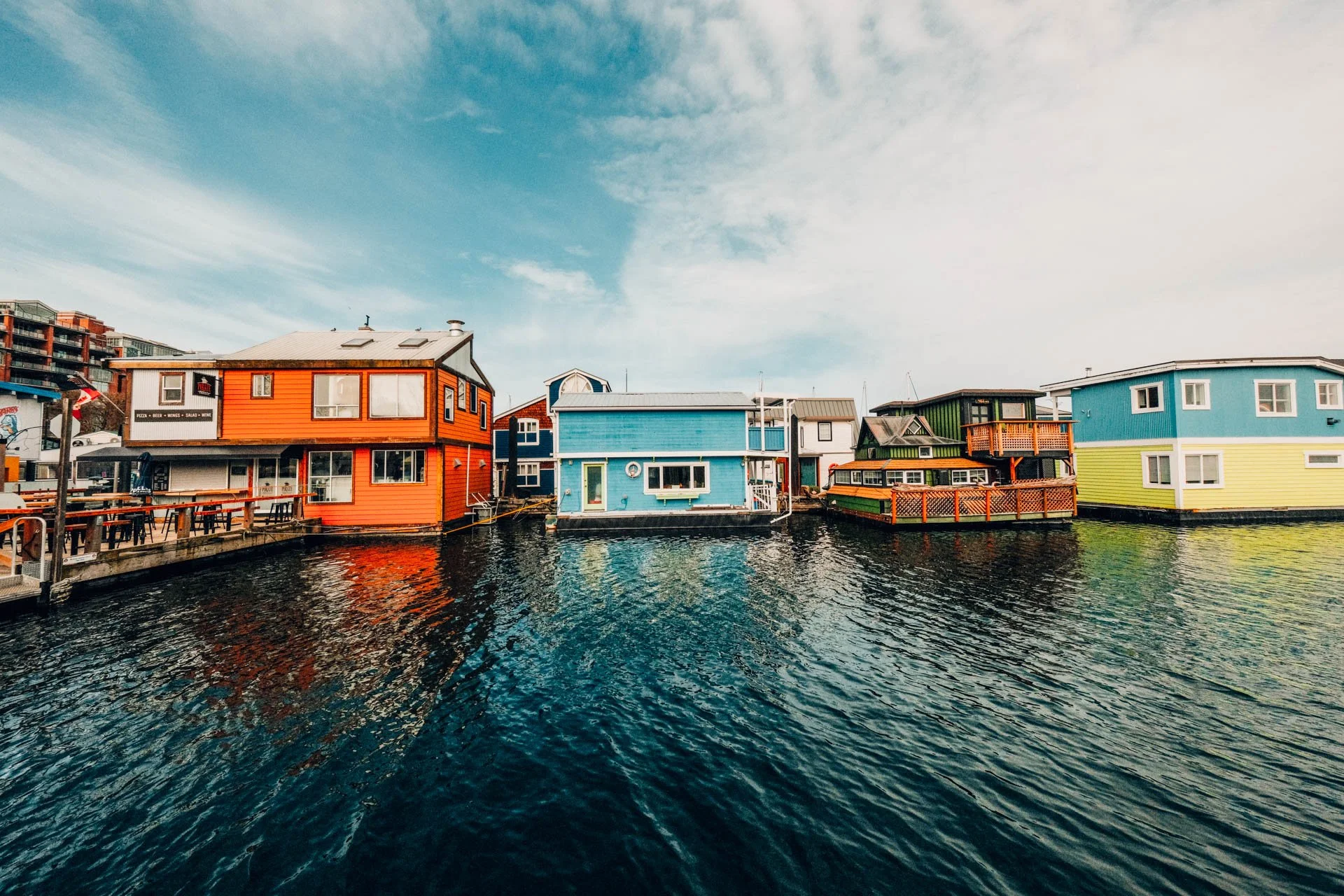
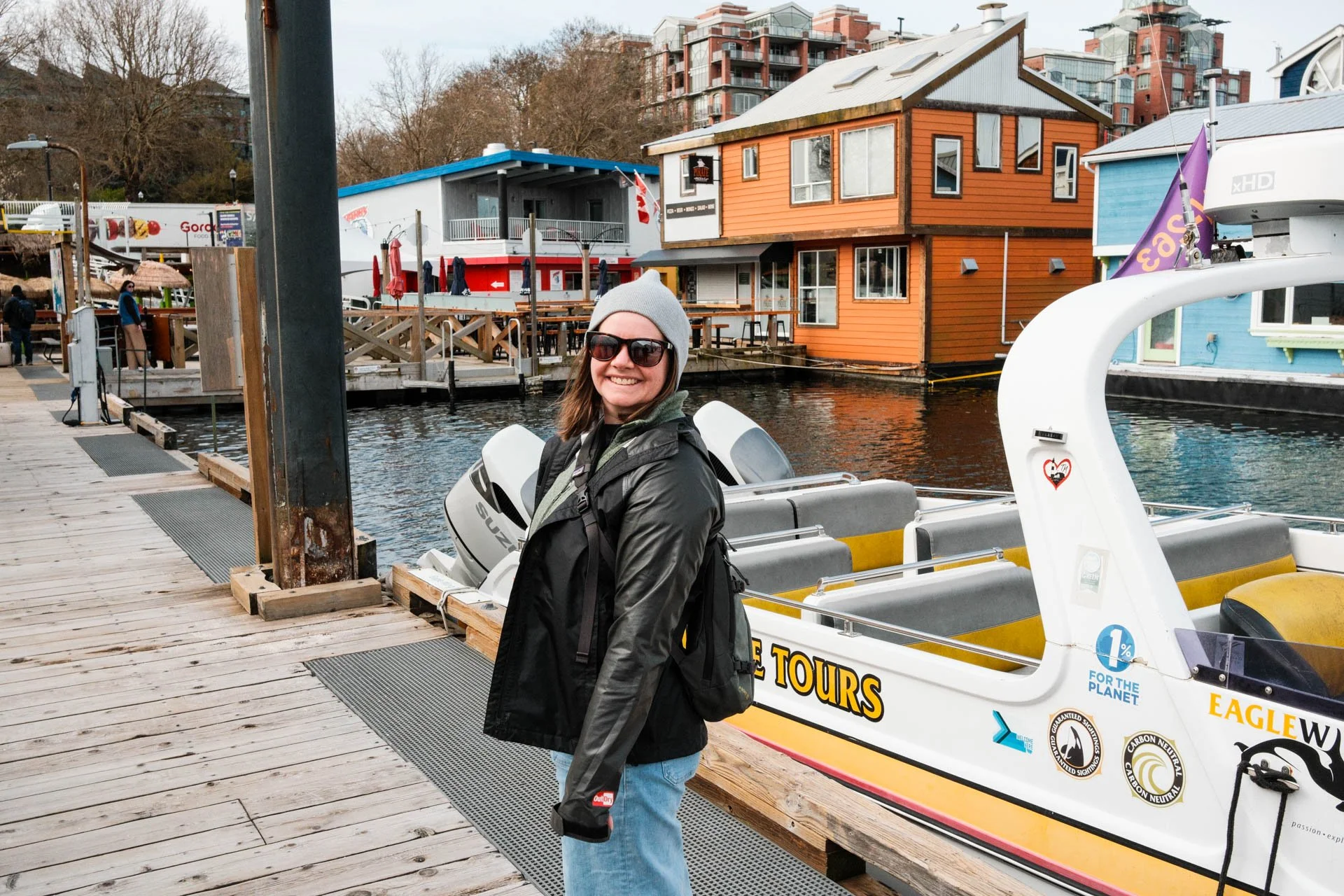
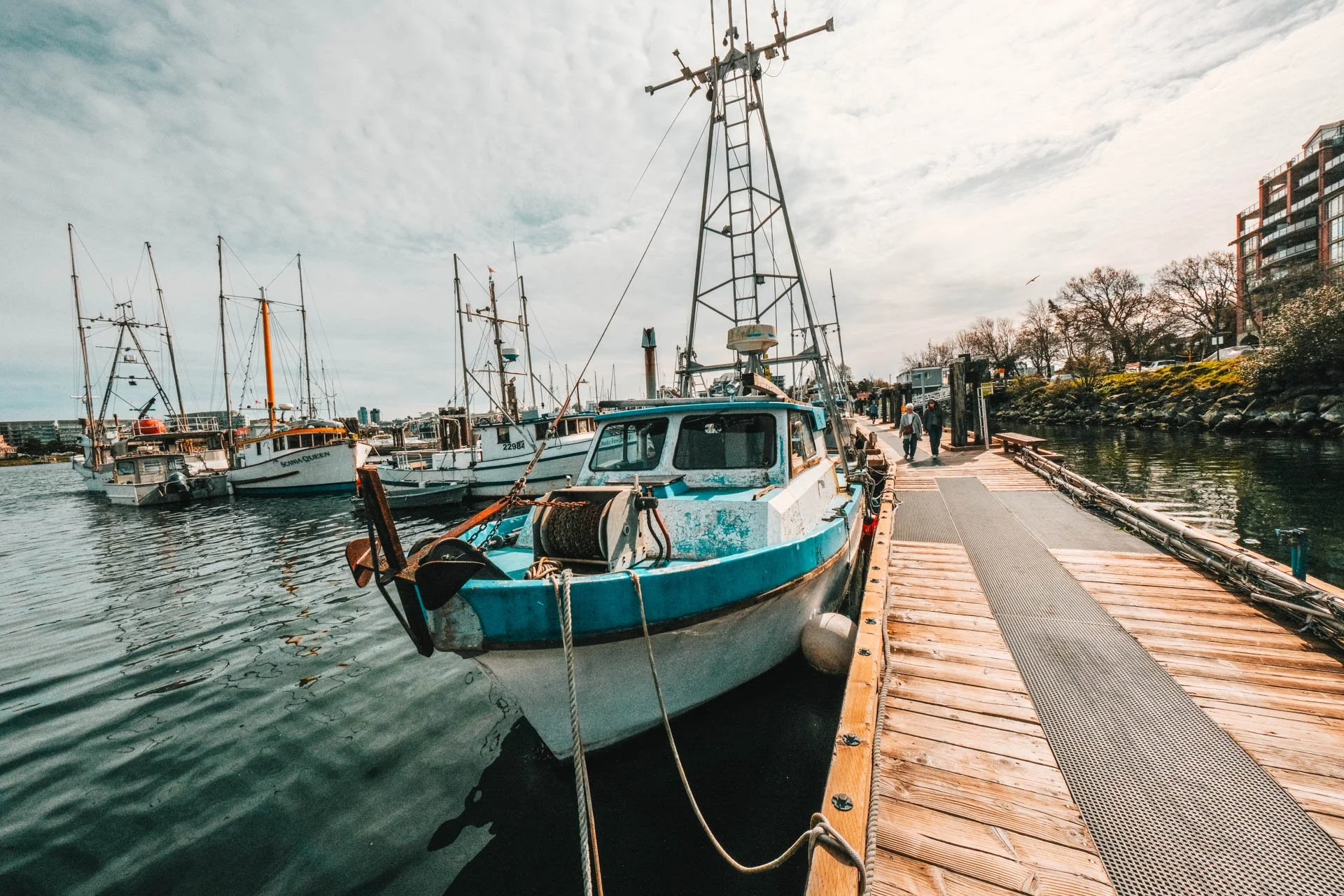
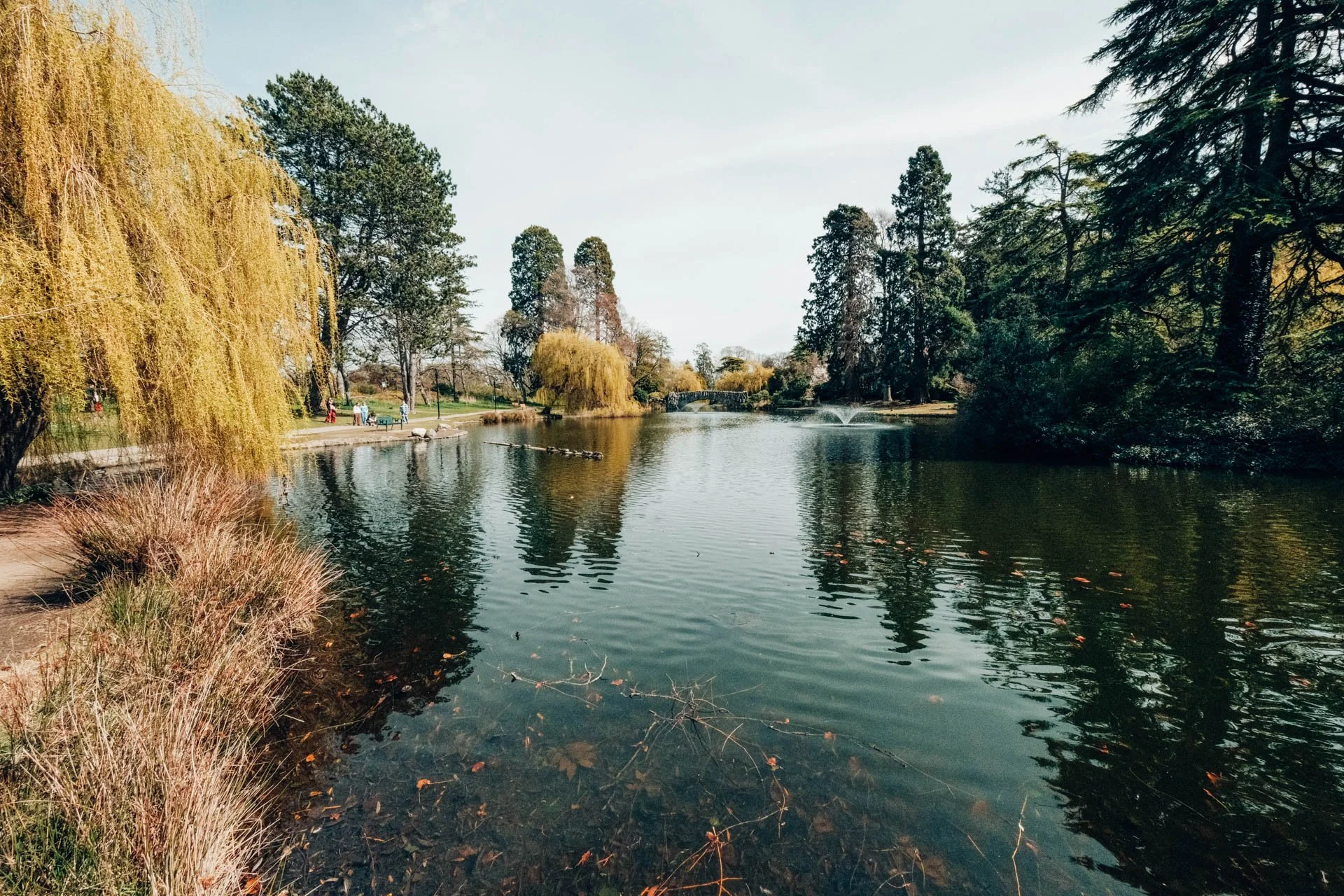
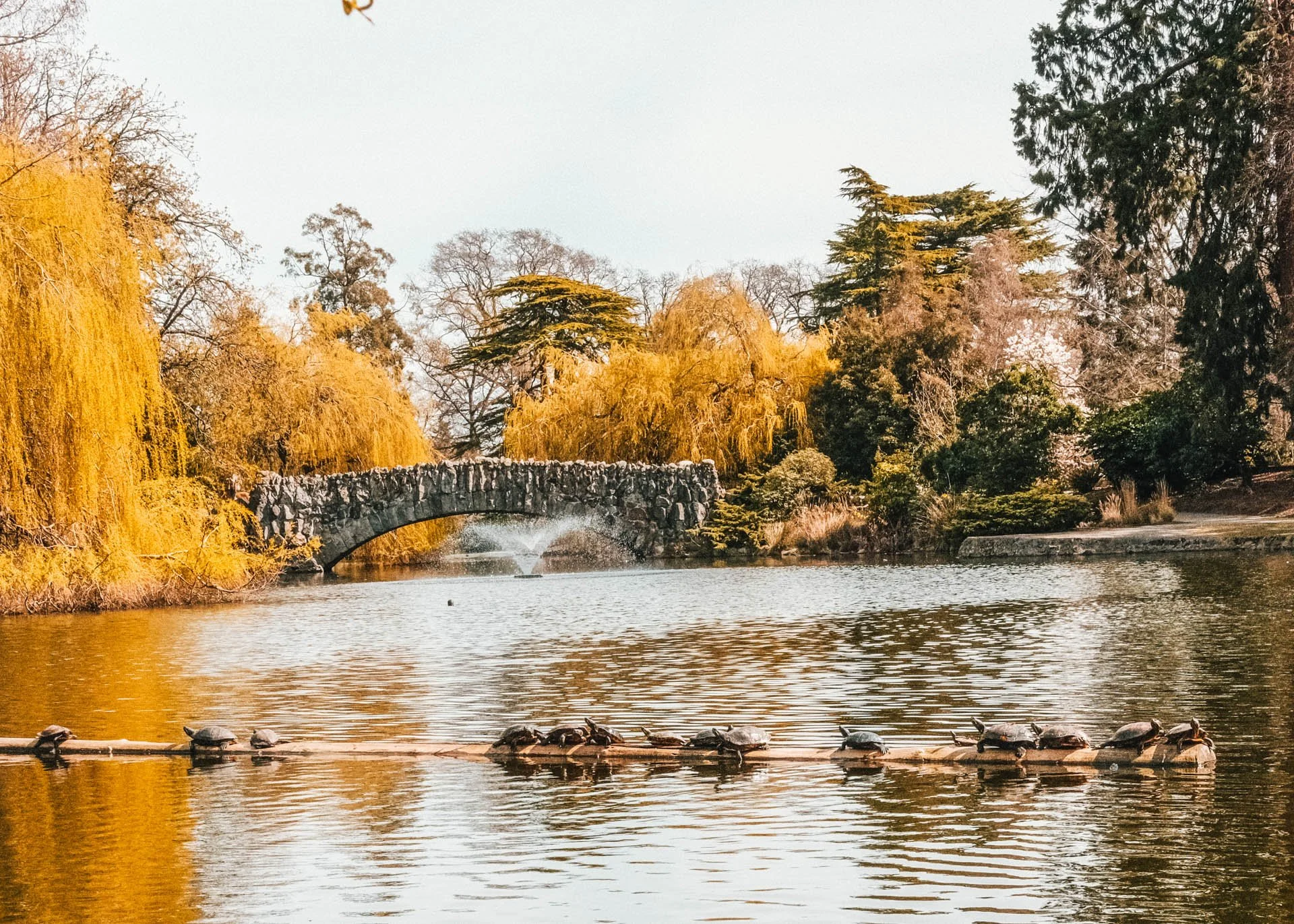
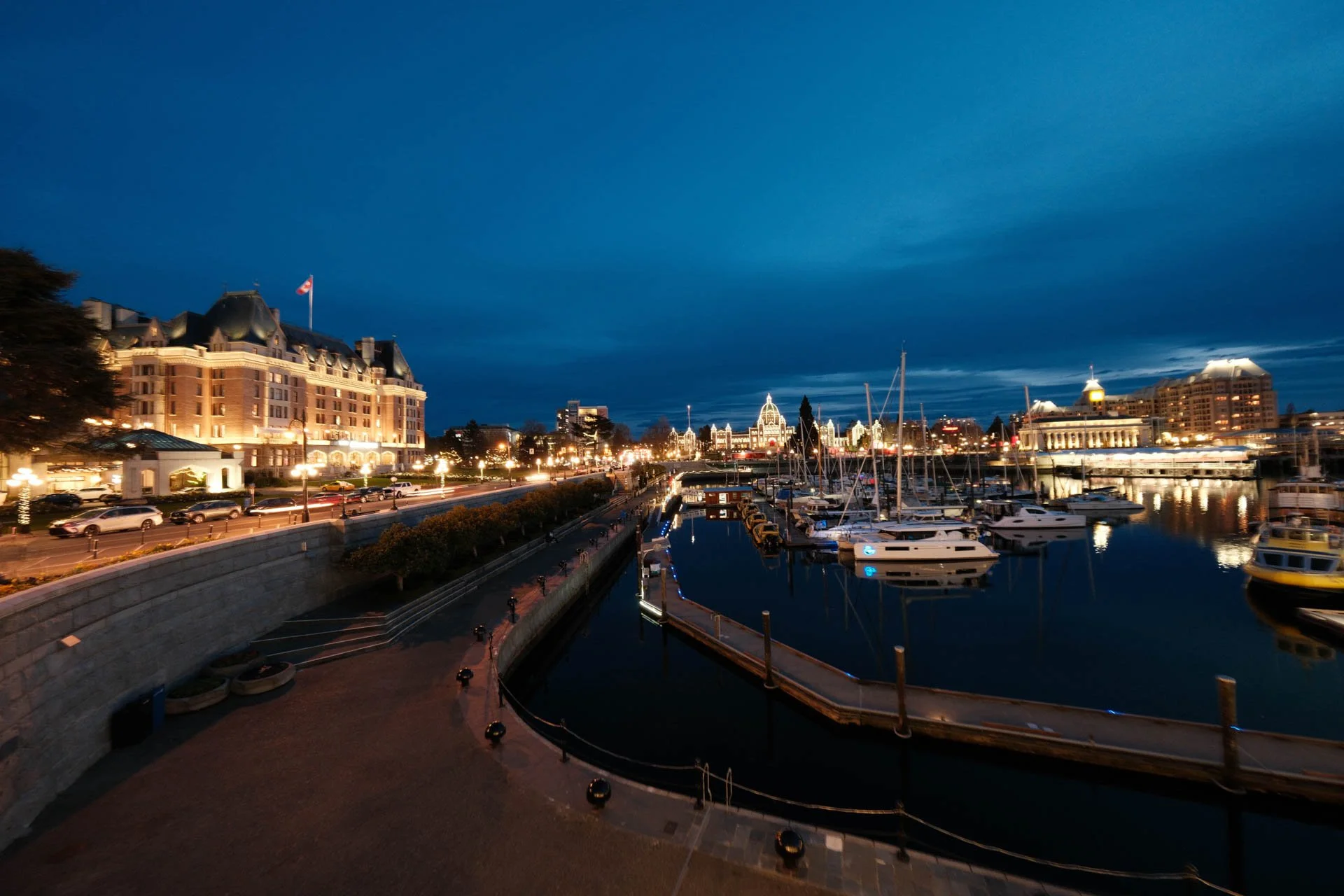
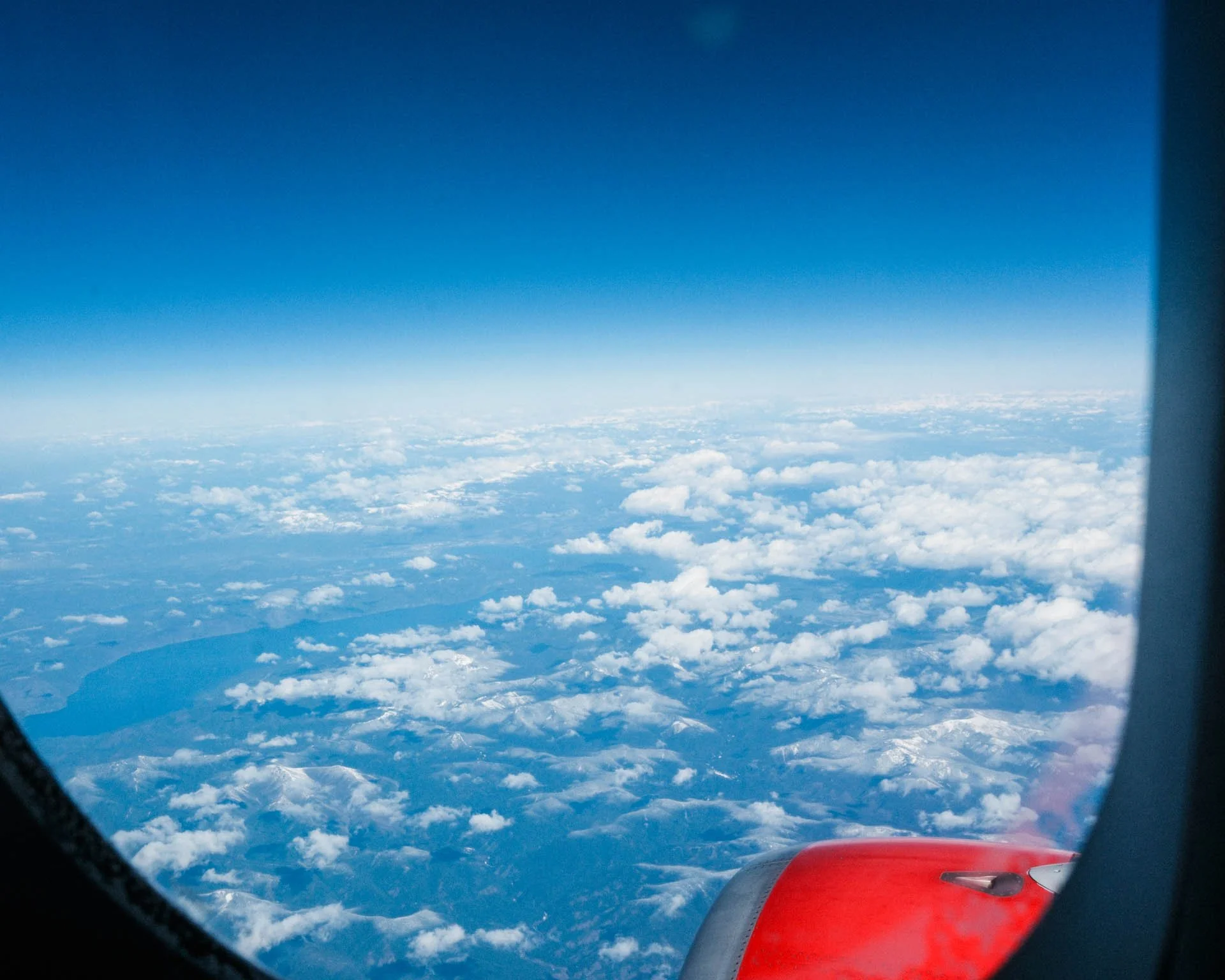
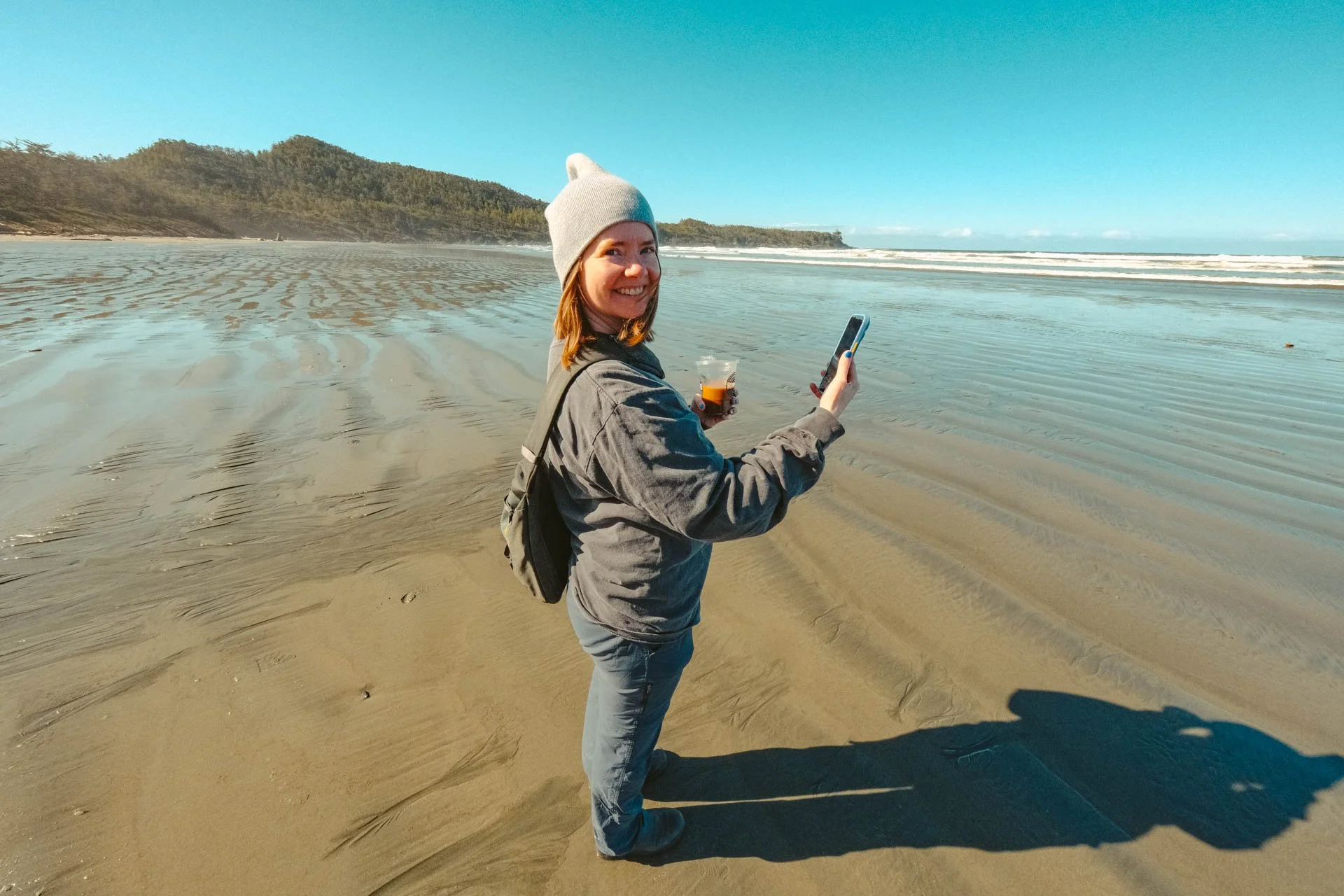
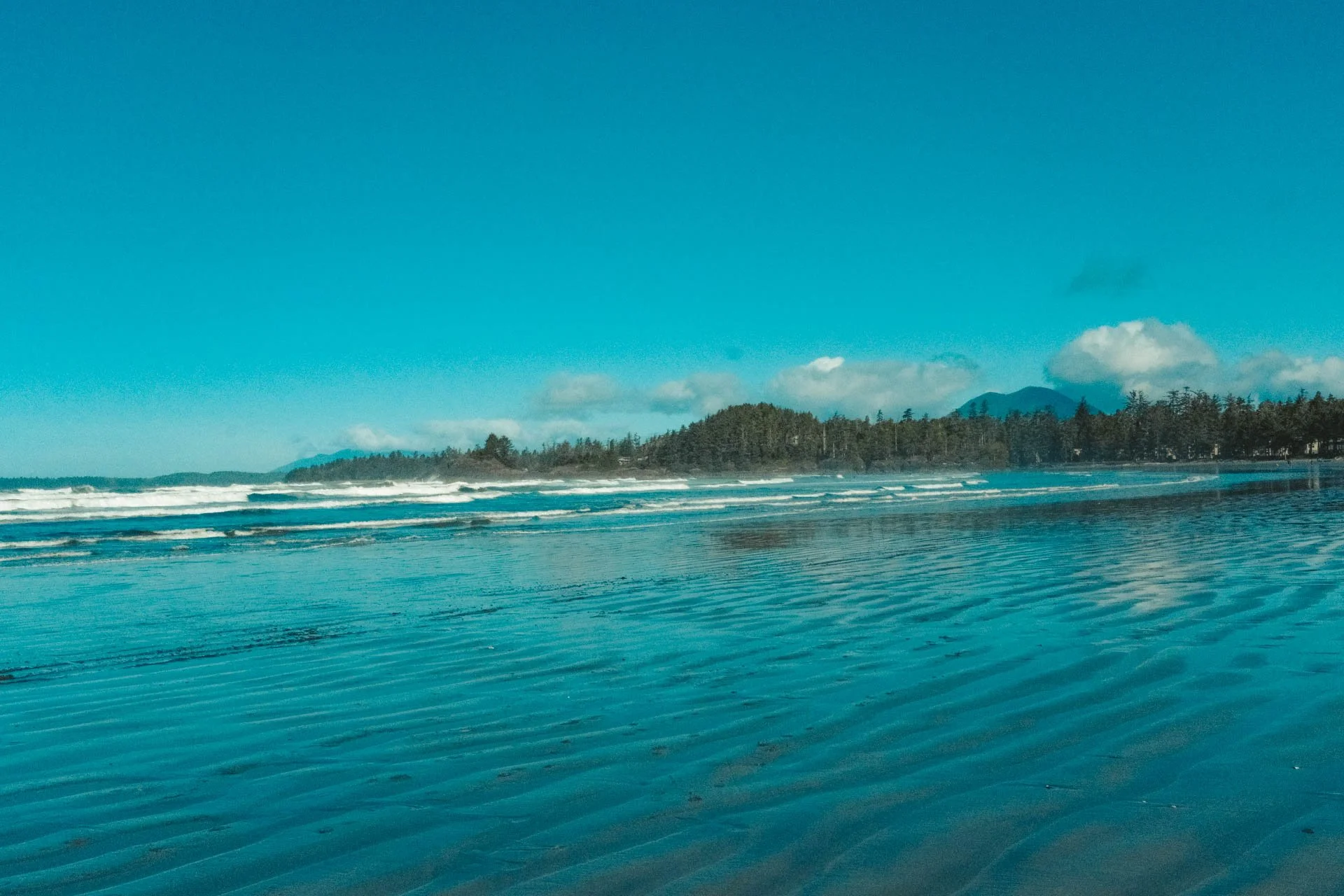
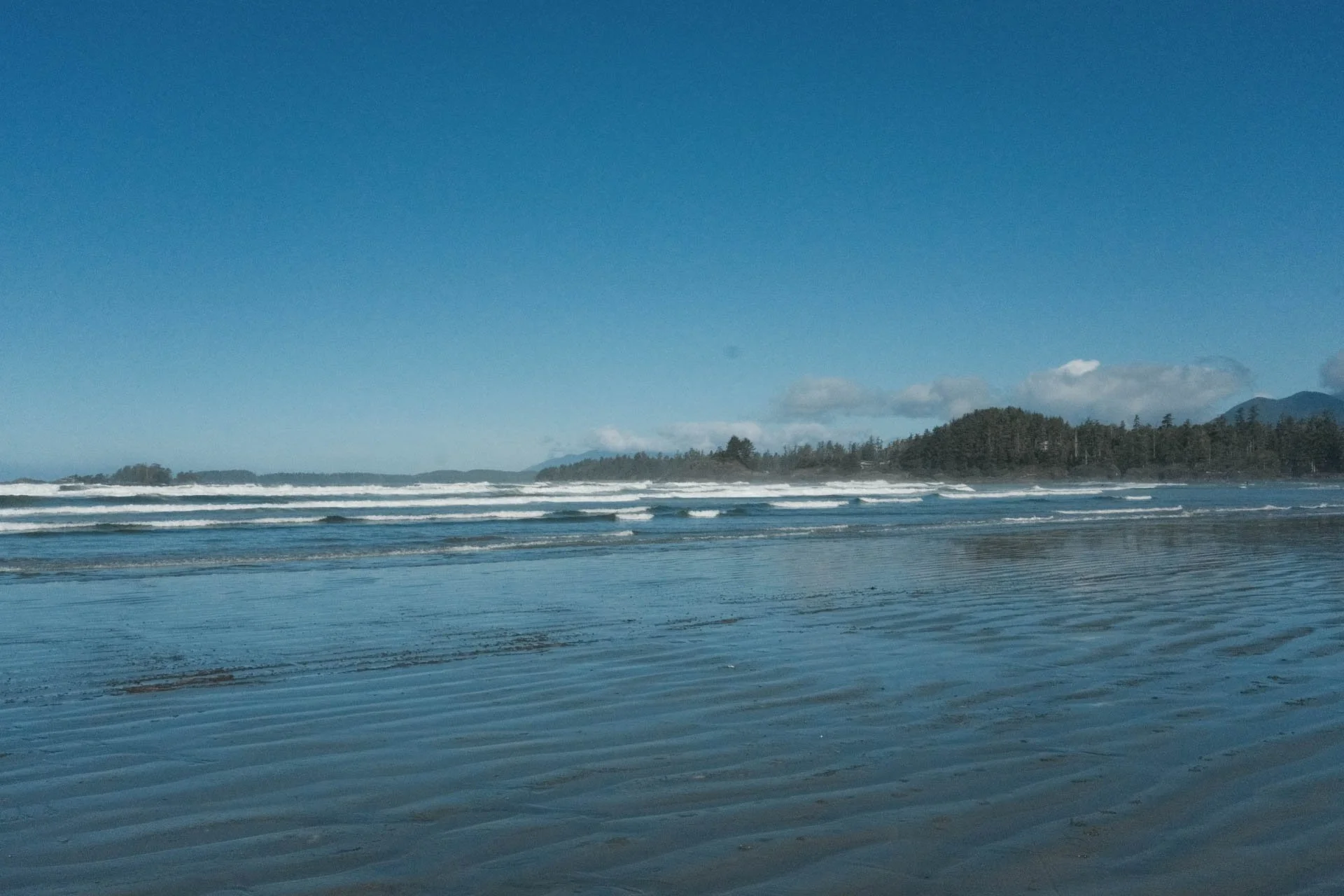
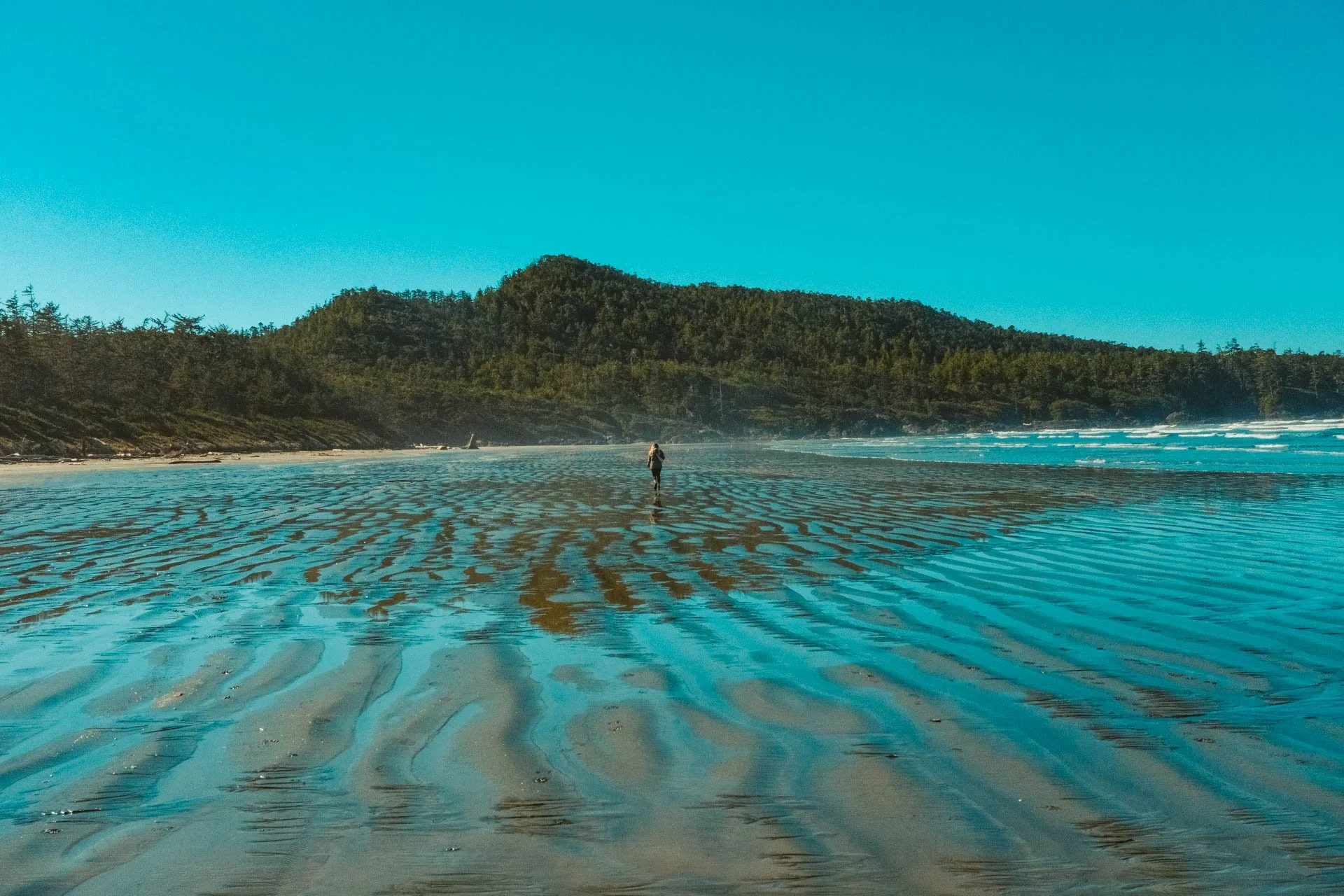
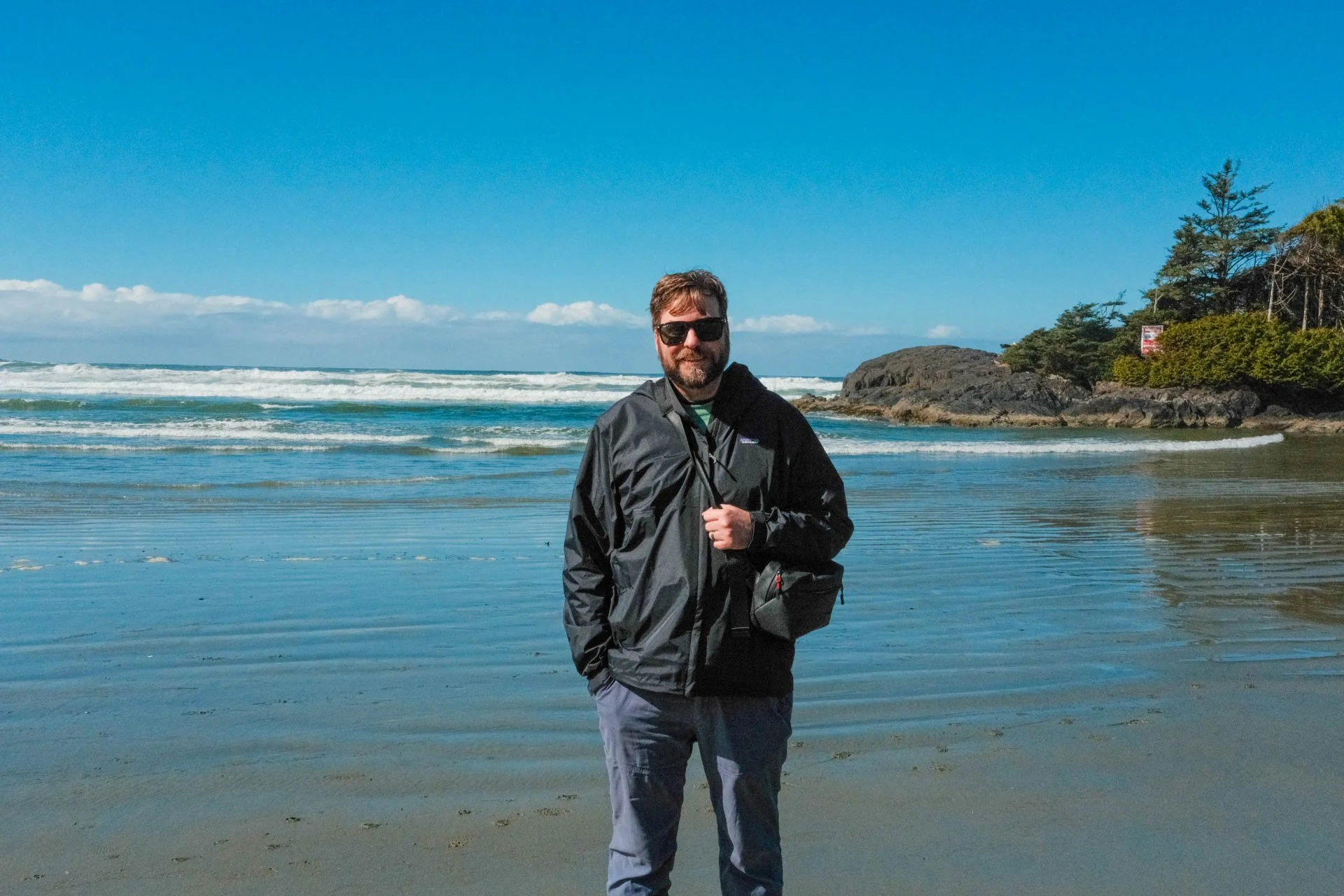
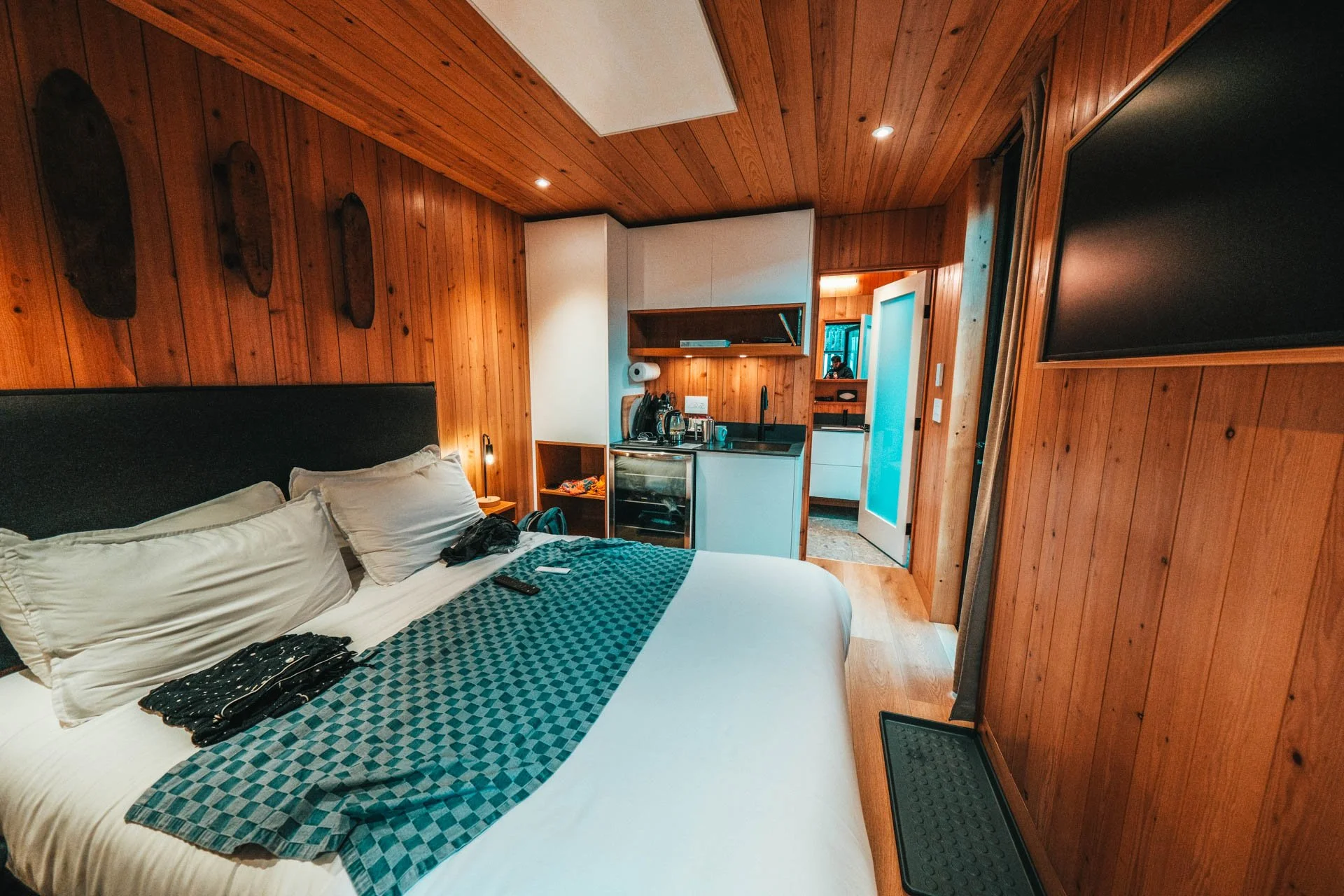
Victoria / Cathedral Grove / Tofino, BC
A Brief History of Victoria
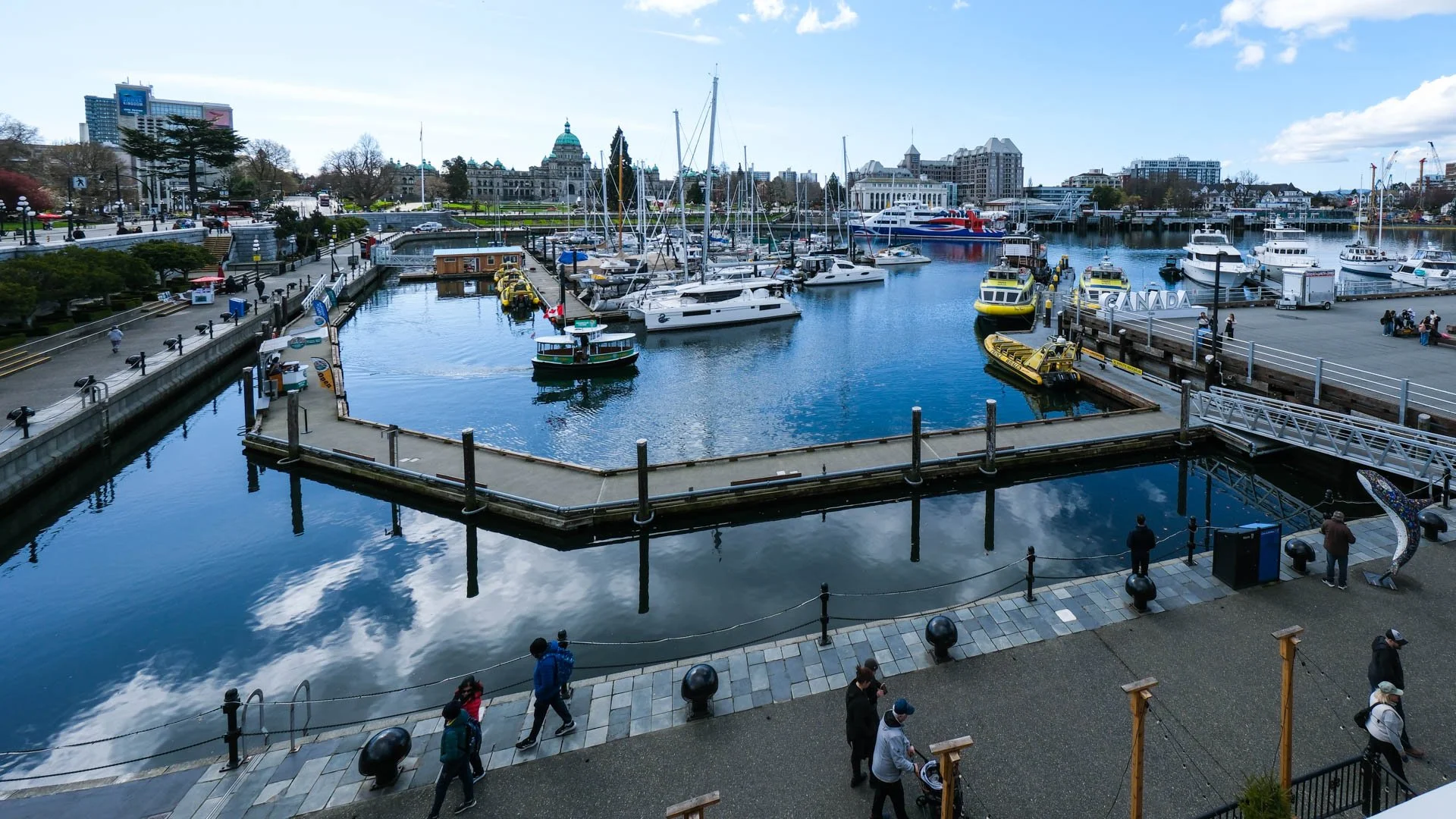
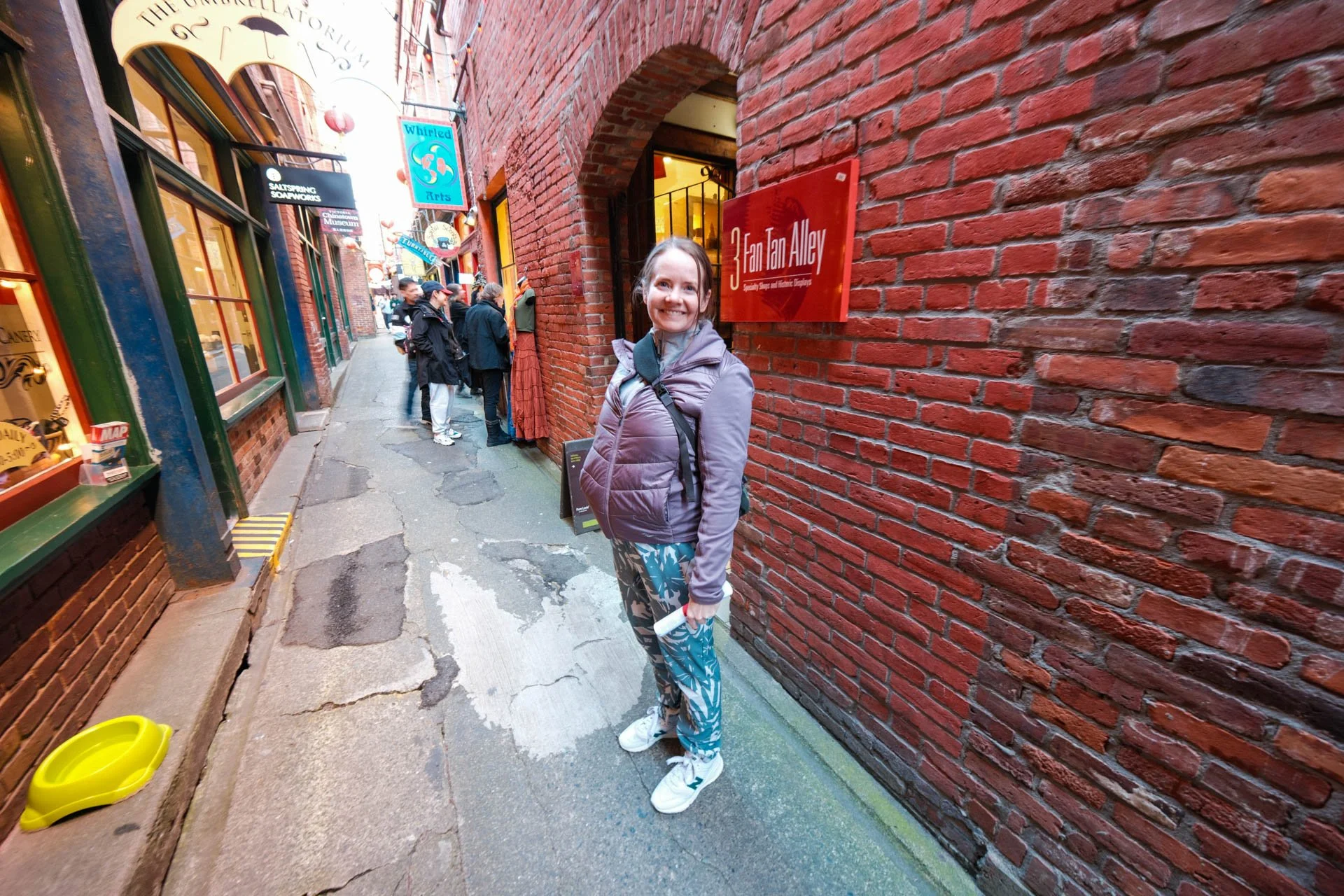
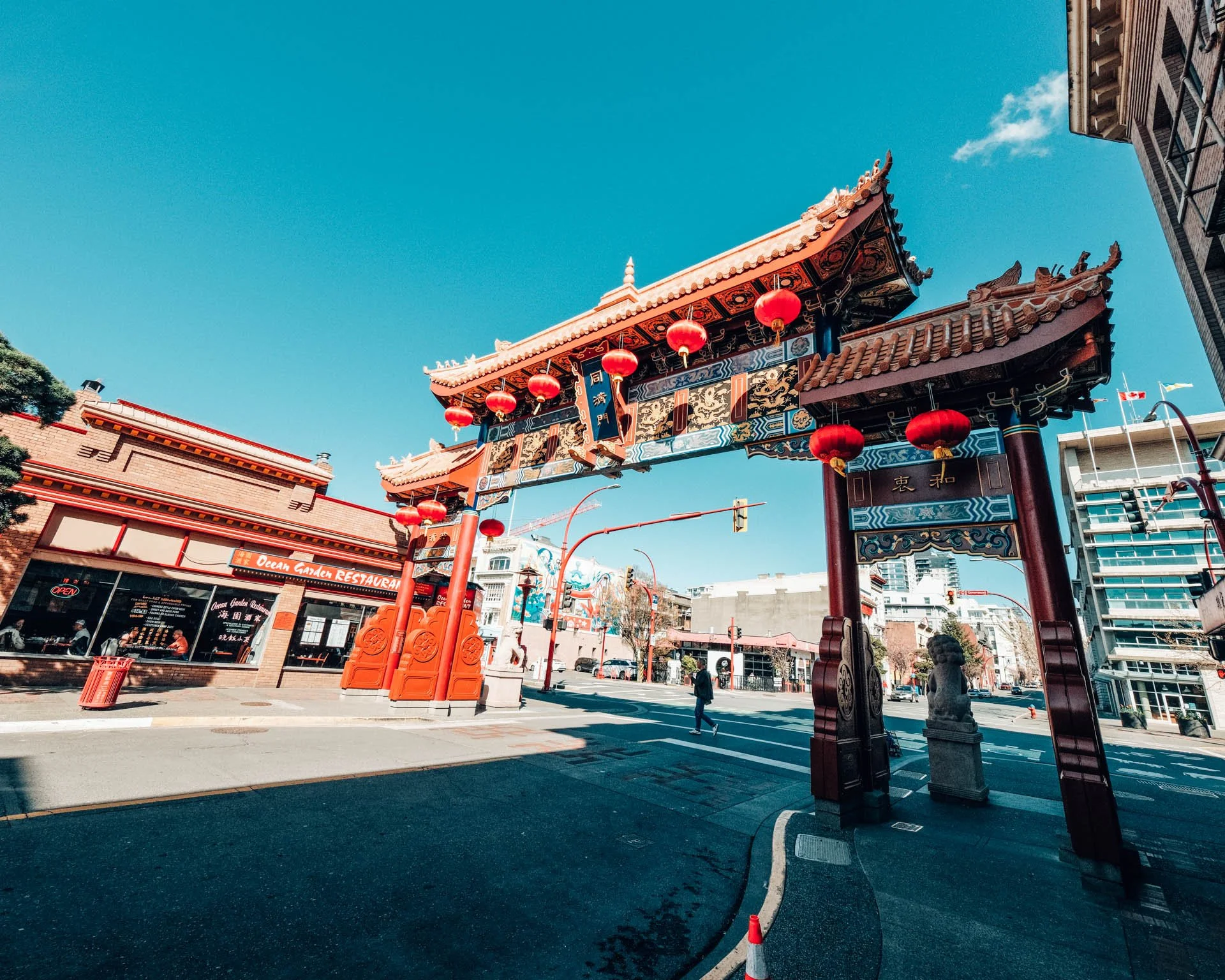
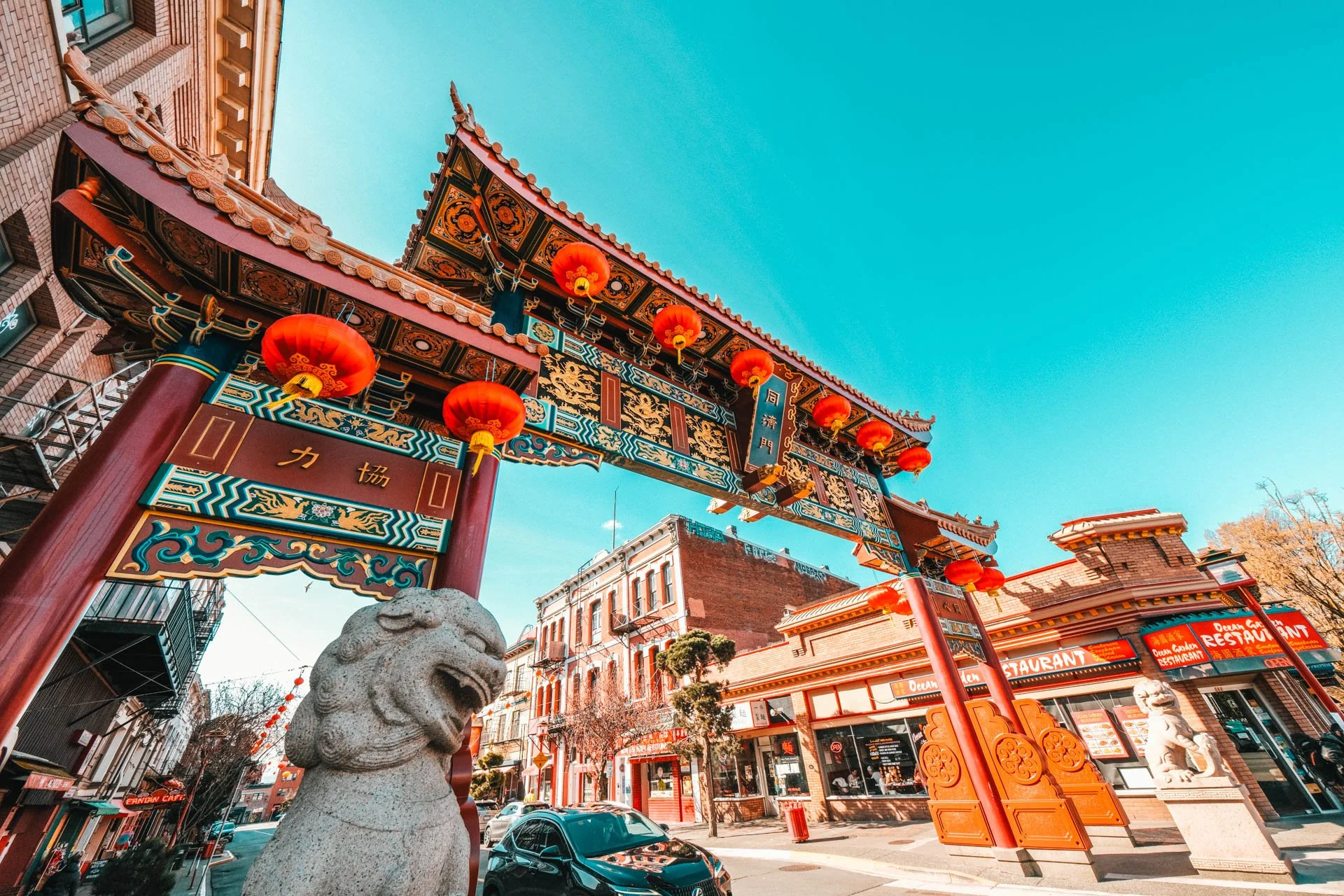
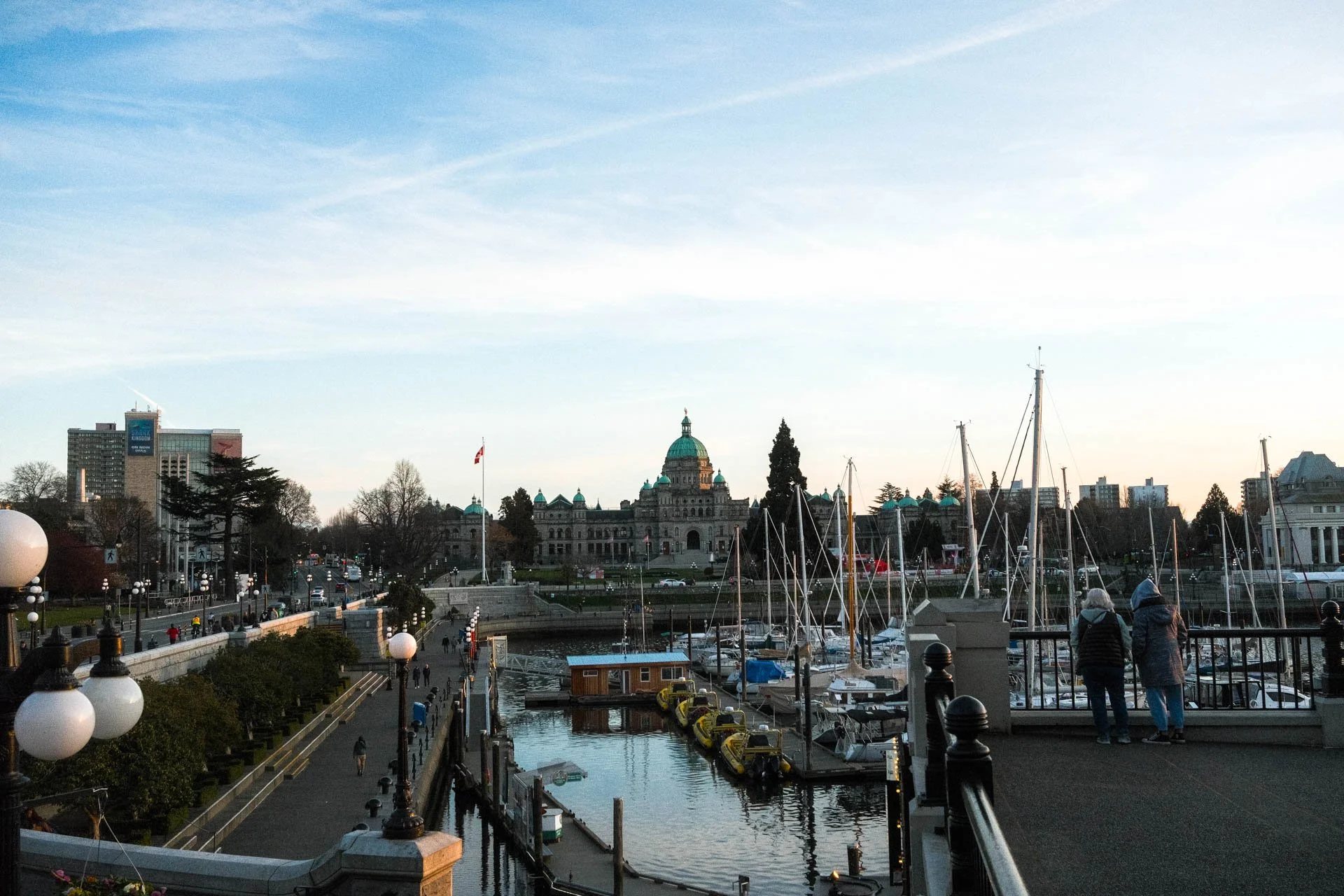
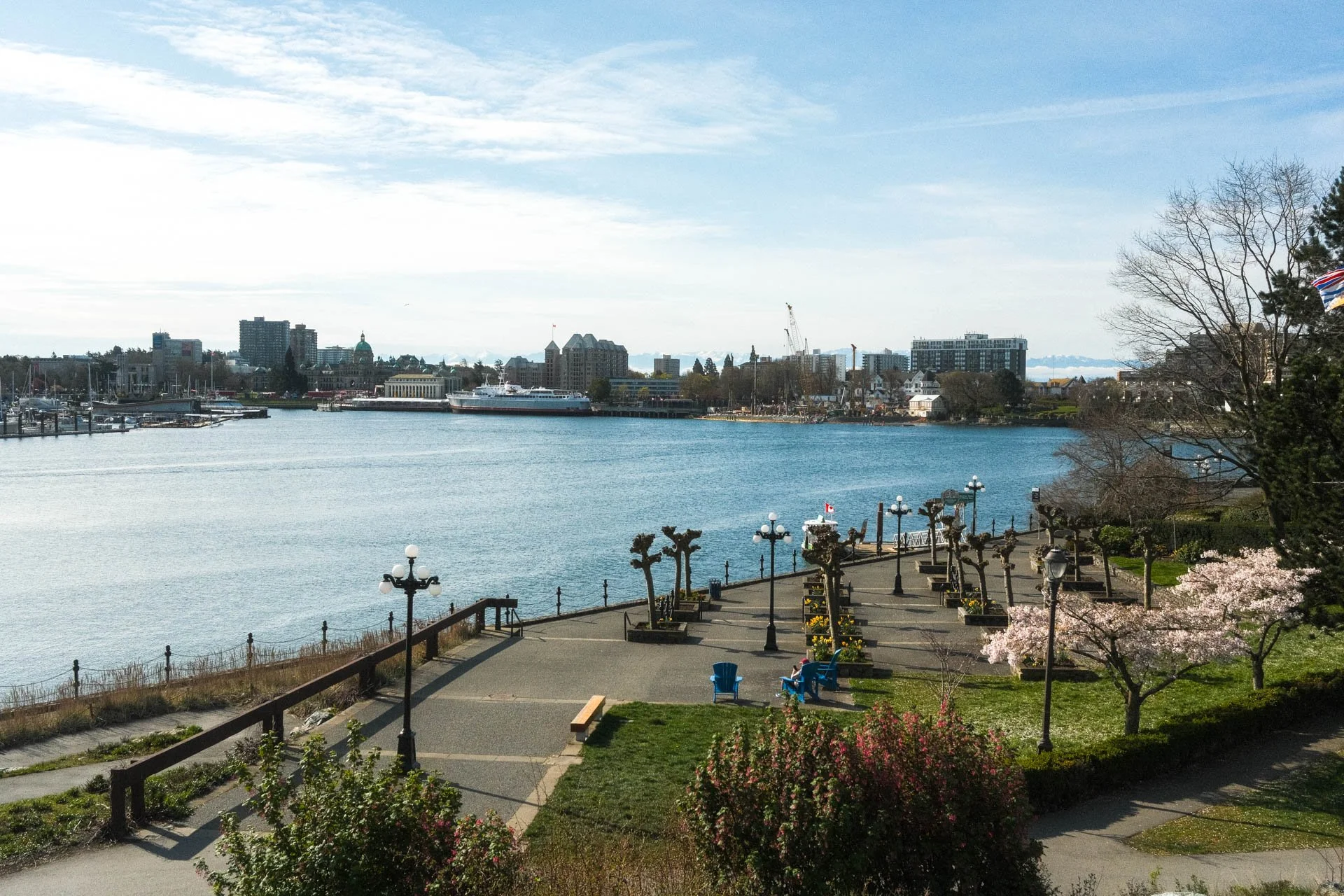
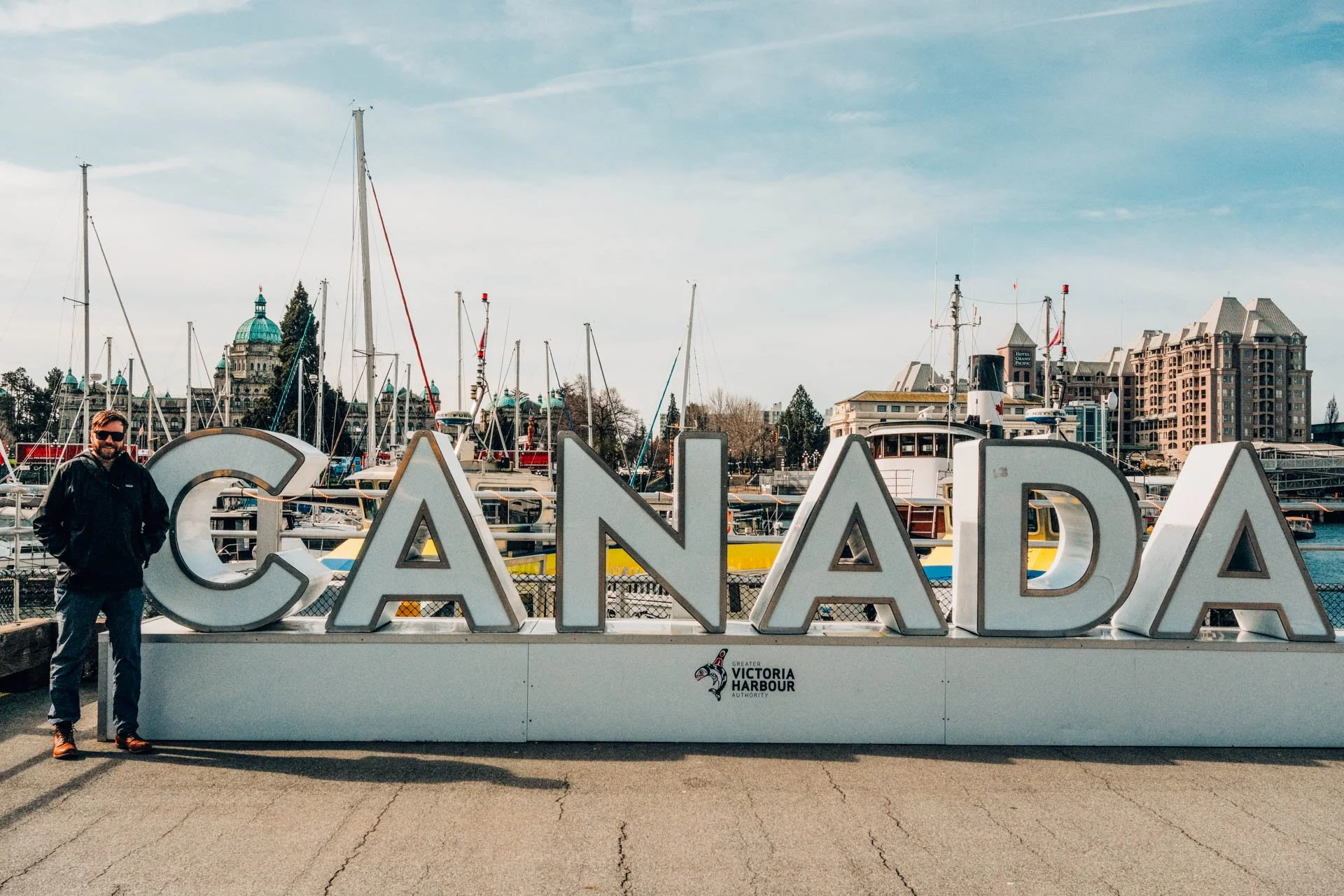
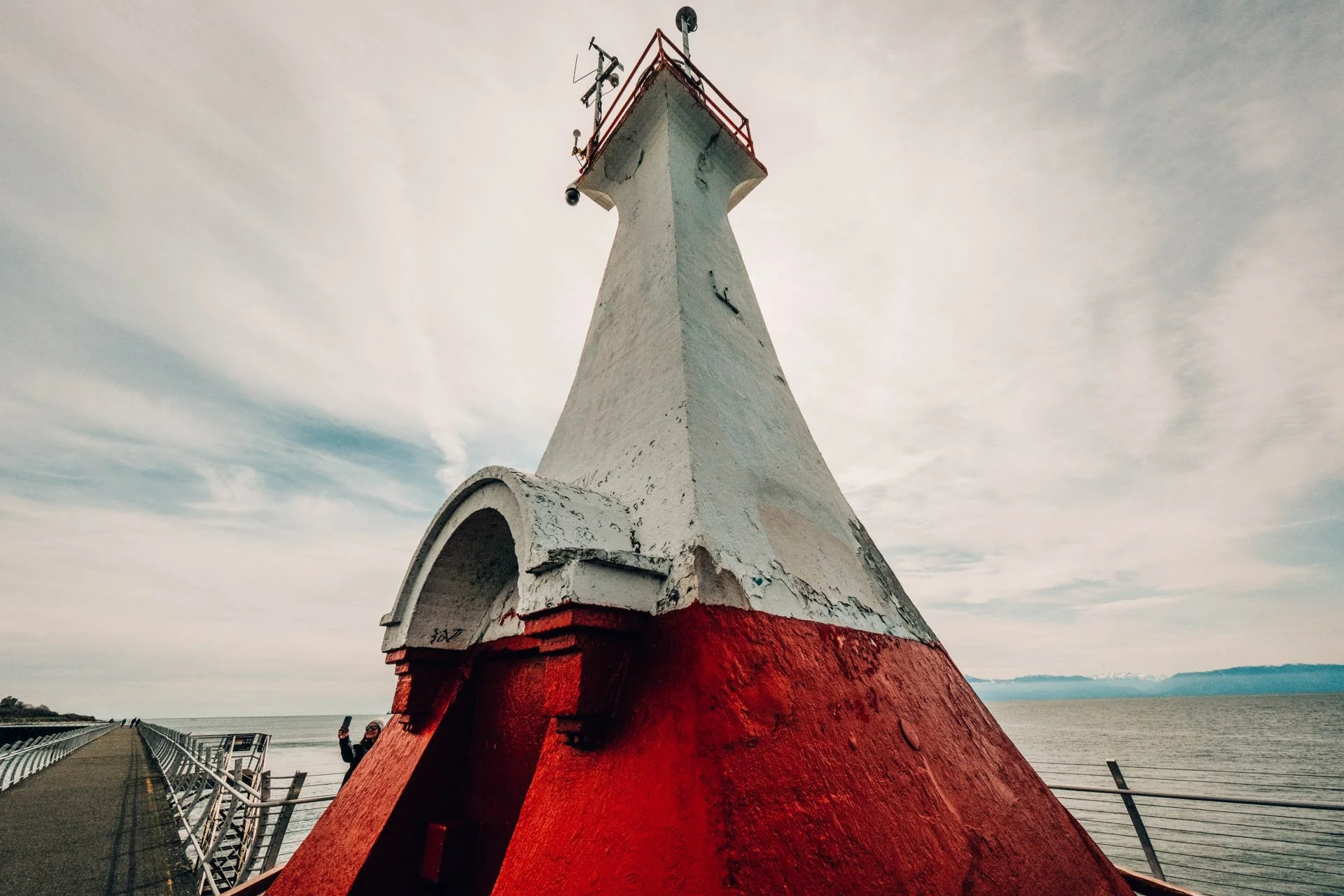
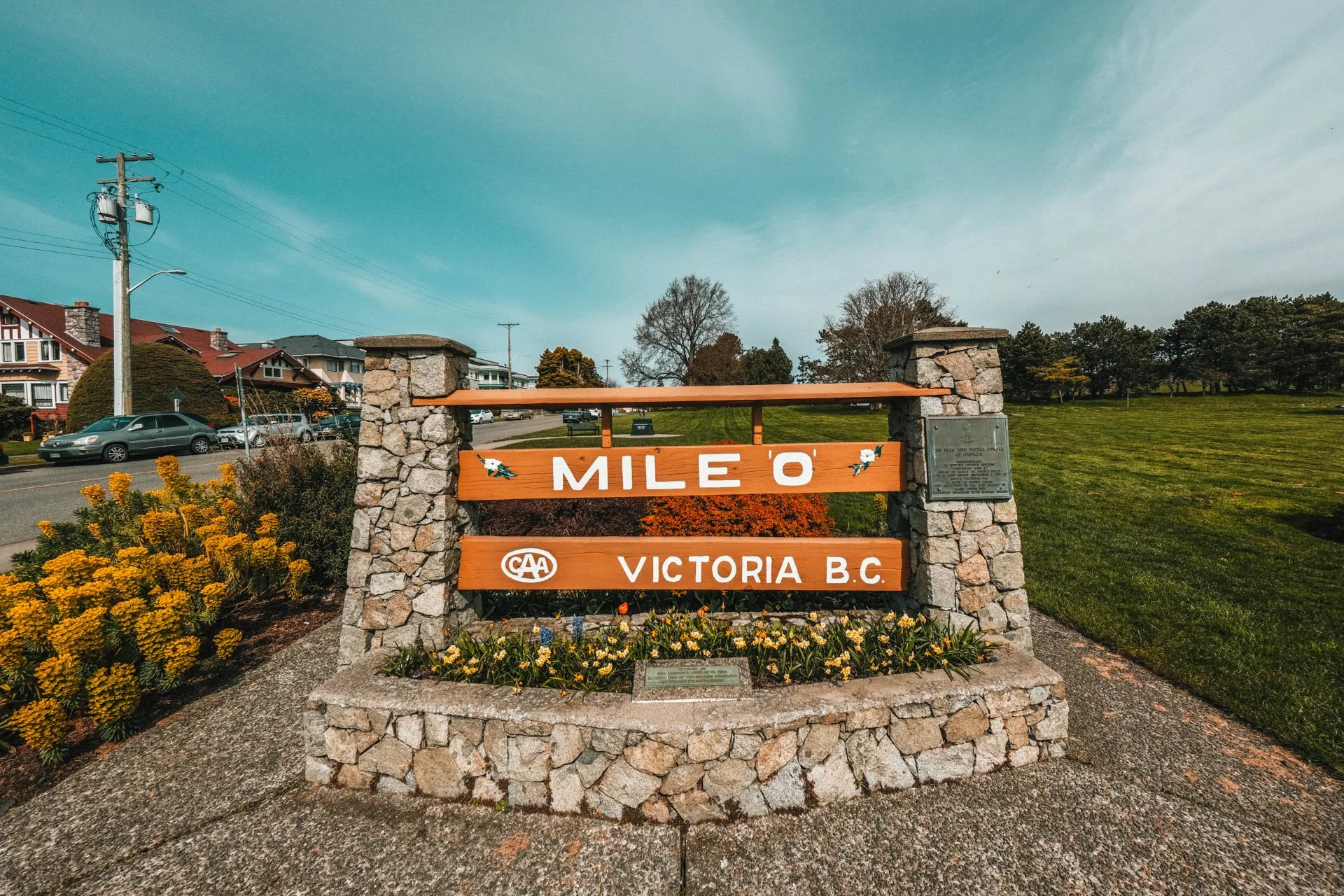
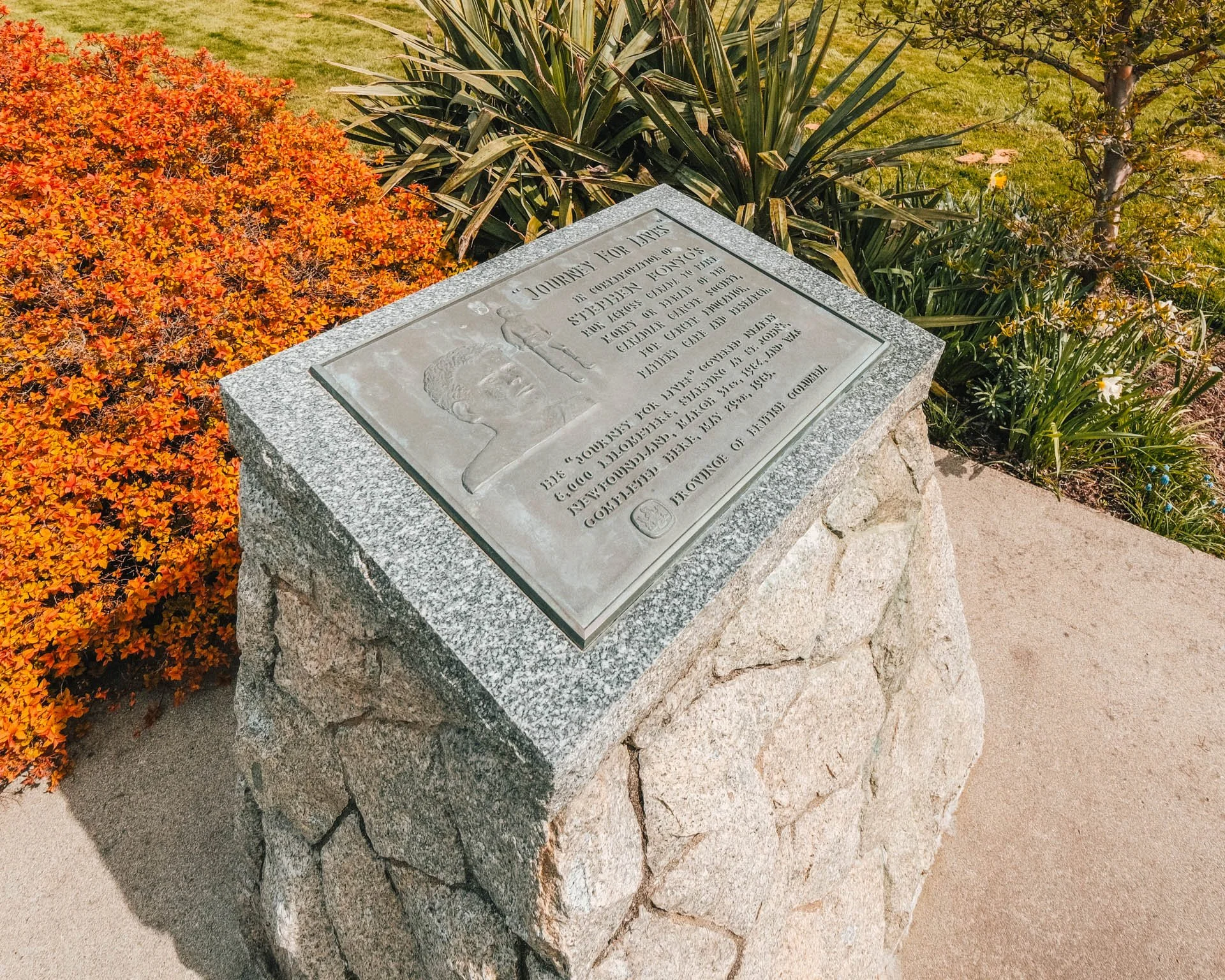
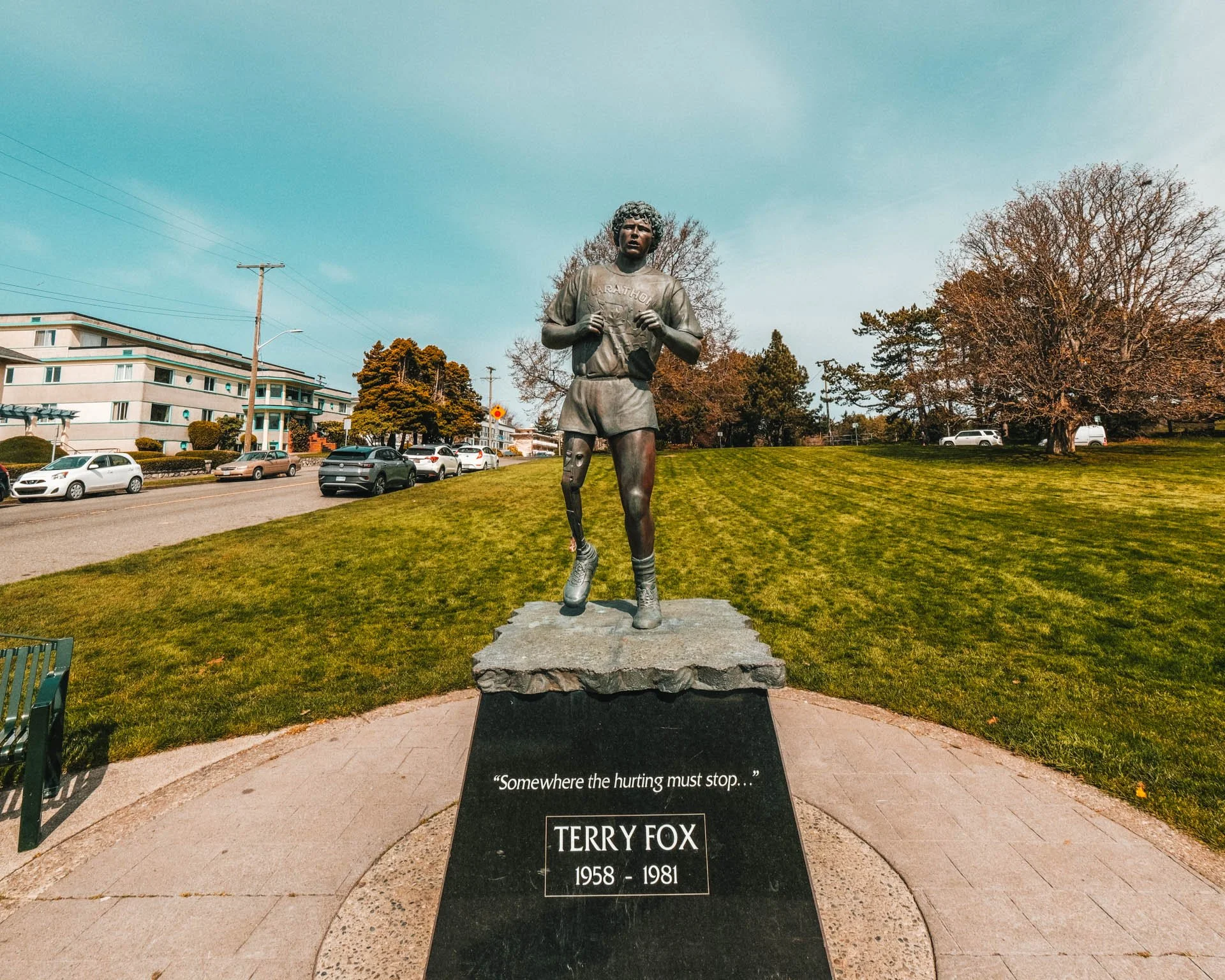
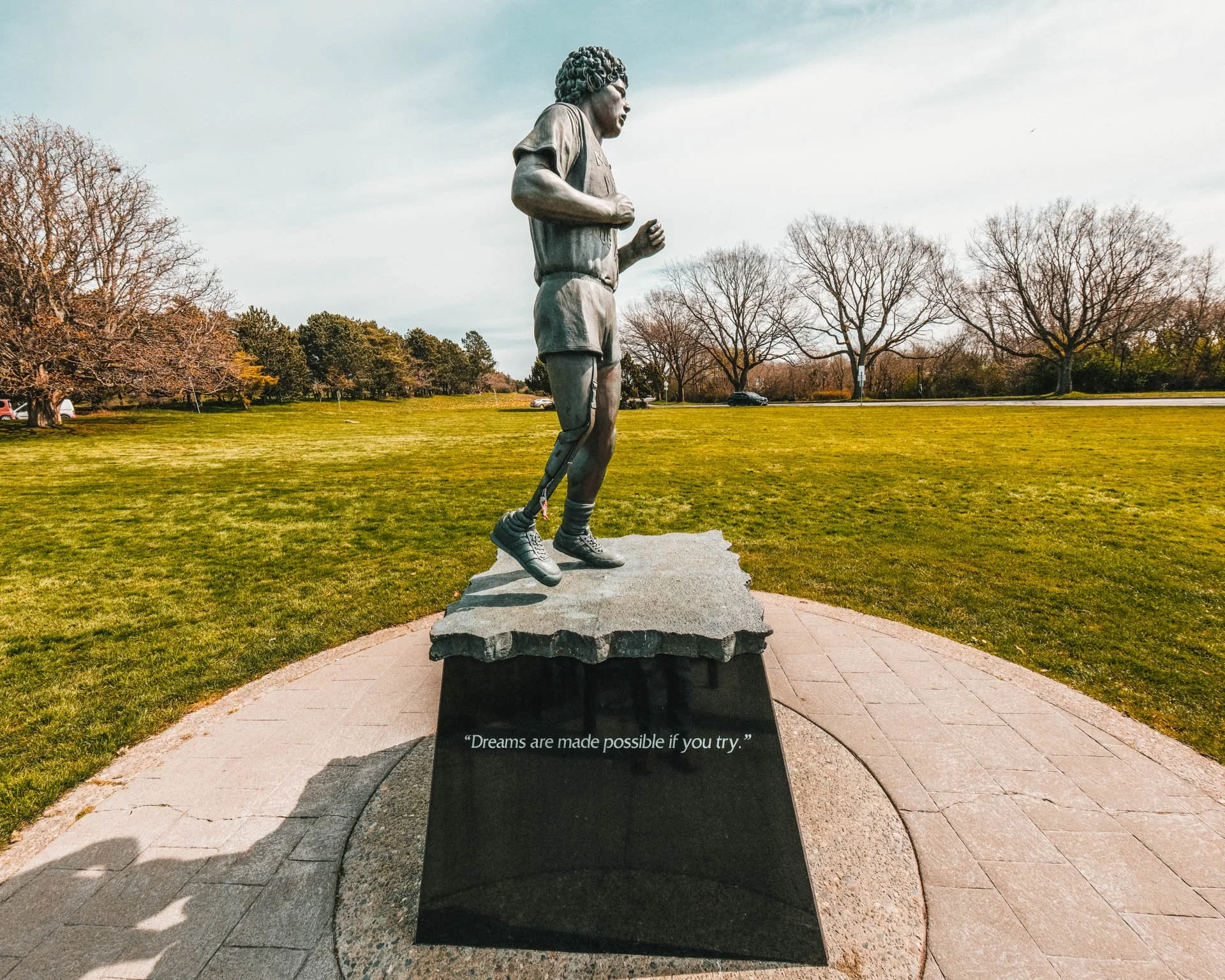
Long before it became the capital of British Columbia, the area around Victoria was home to the Lekwungen (Songhees and Esquimalt Nations), who lived along the coast and relied on the rich marine environment.
In 1843, the Hudson's Bay Company established a trading post called Fort Victoria, led by James Douglas. The settlement grew rapidly during the Fraser Canyon Gold Rush, as Victoria became a key supply hub for prospectors heading to the mainland.
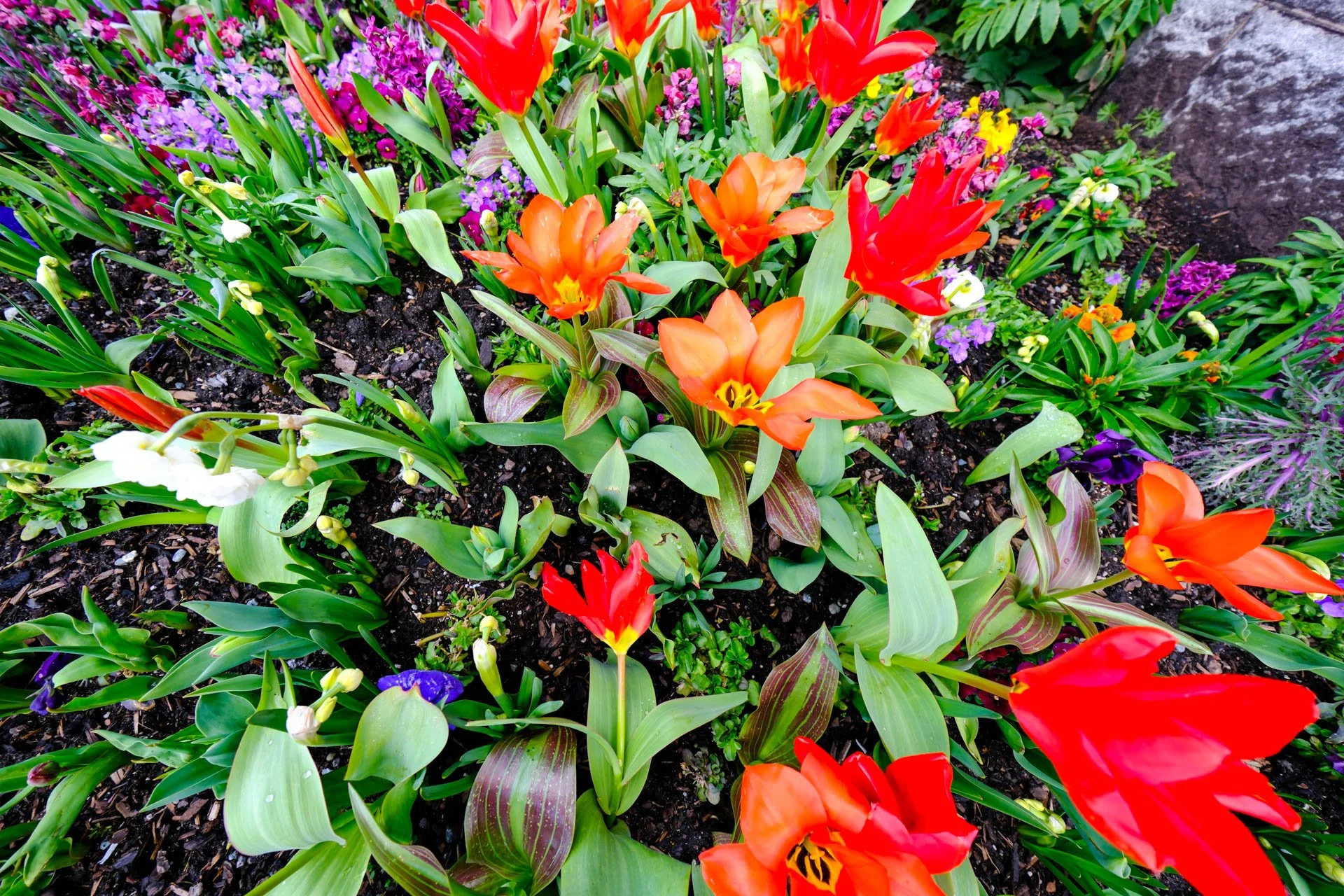
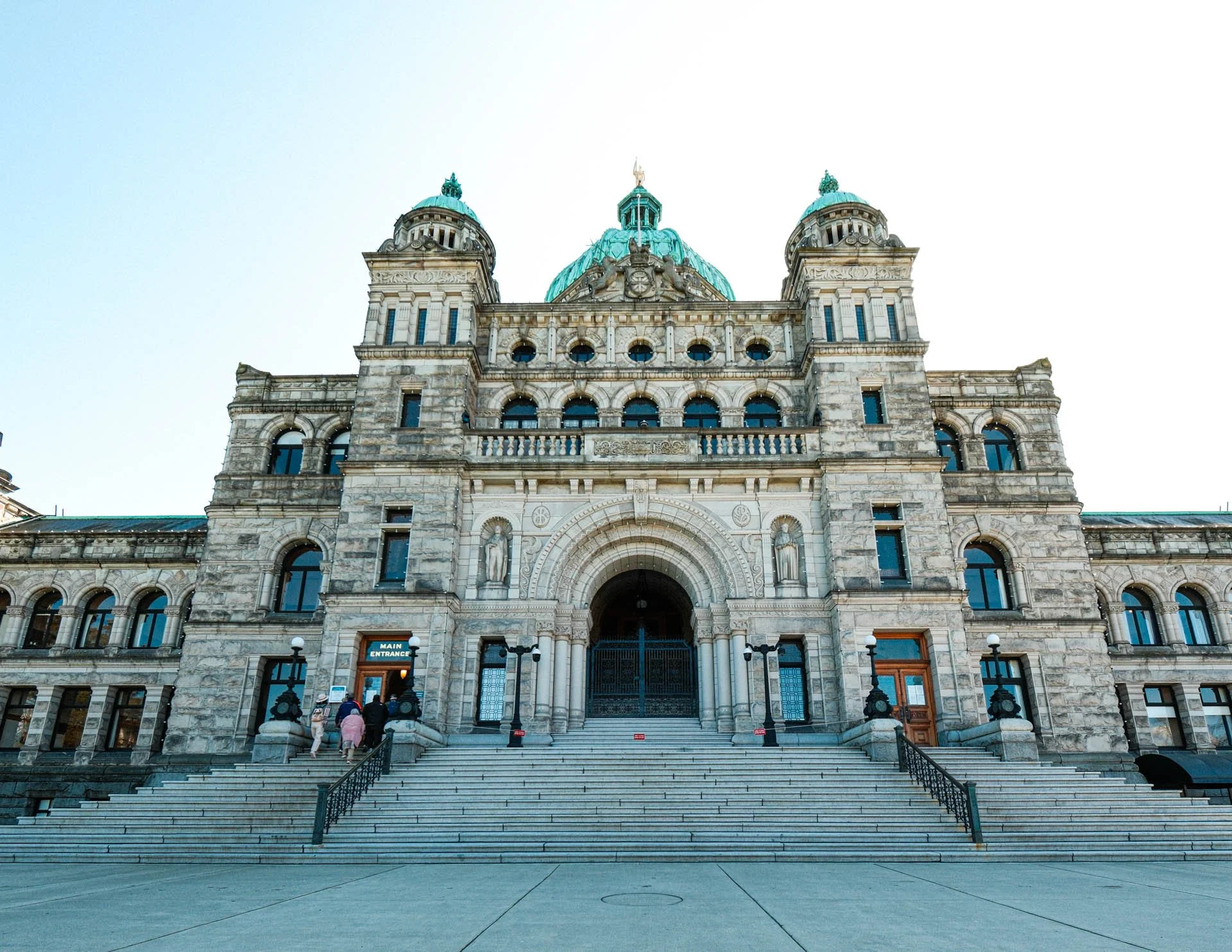
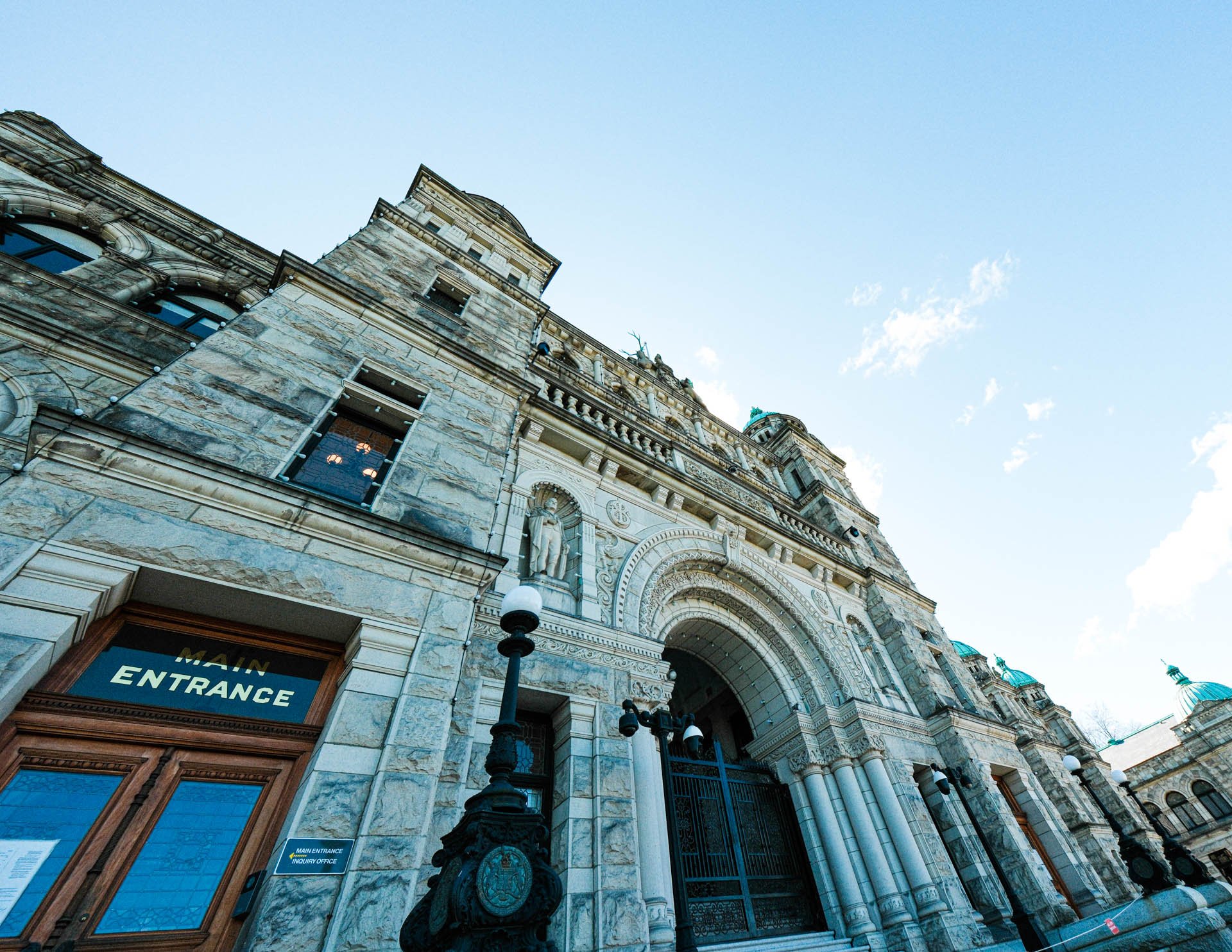
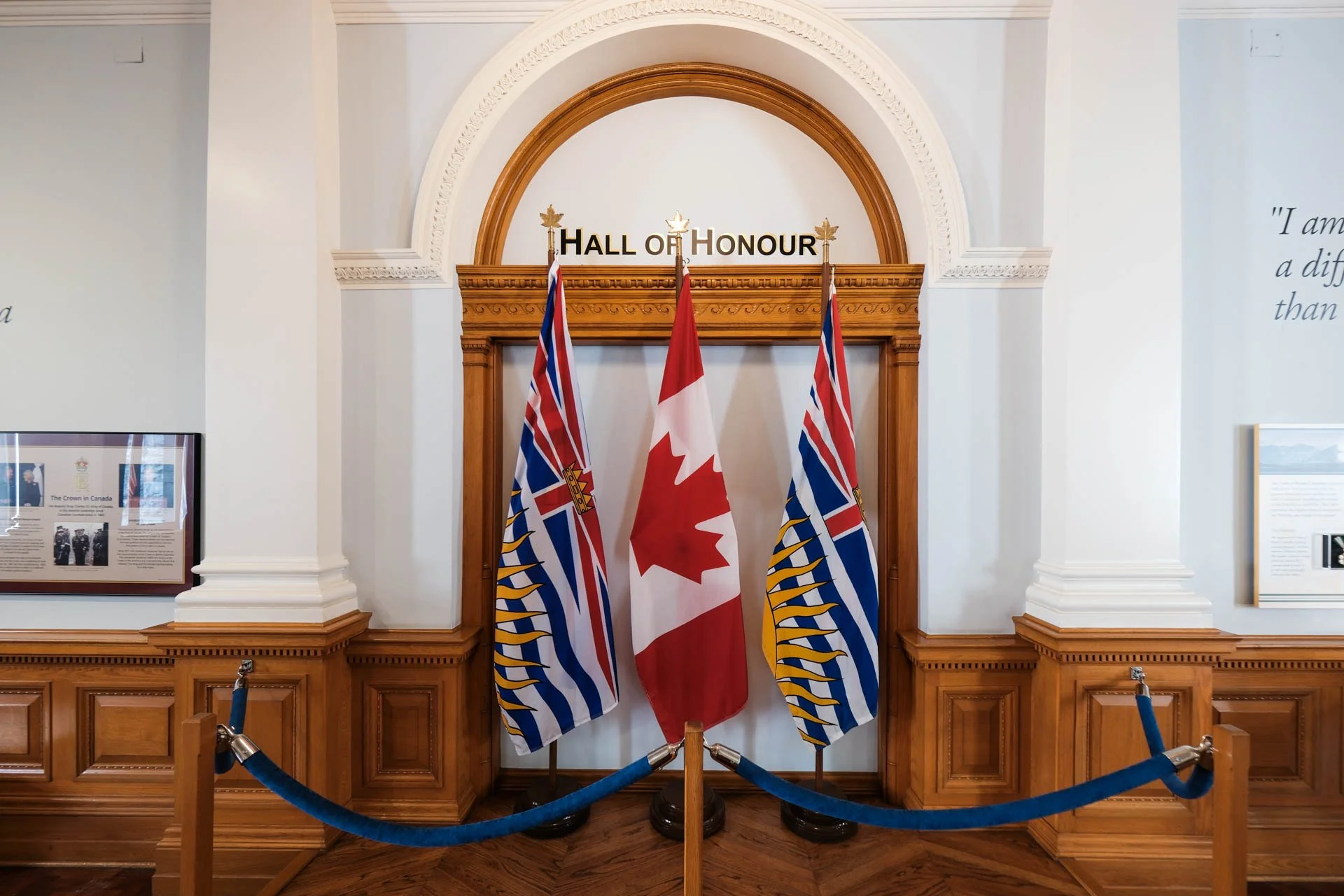
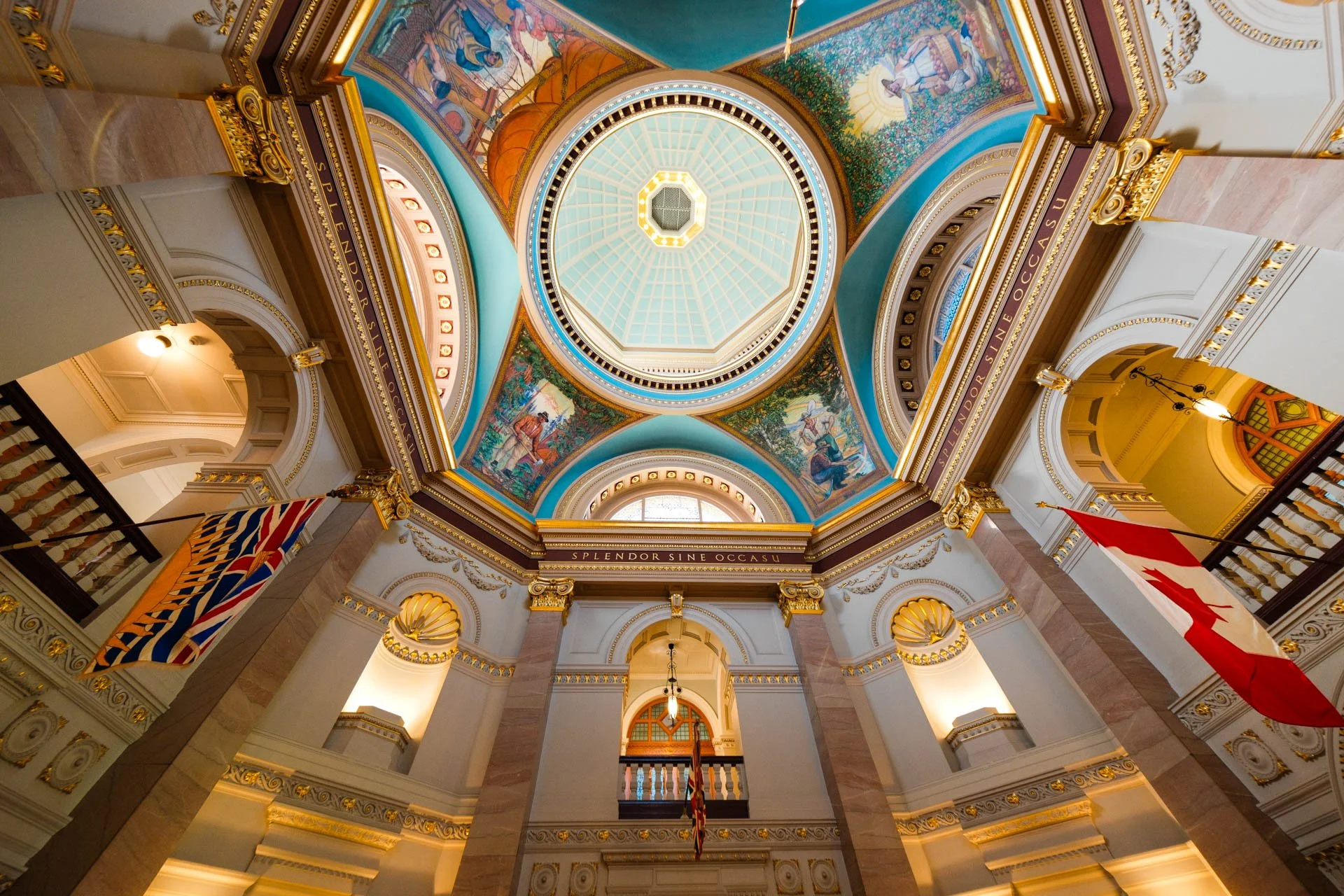
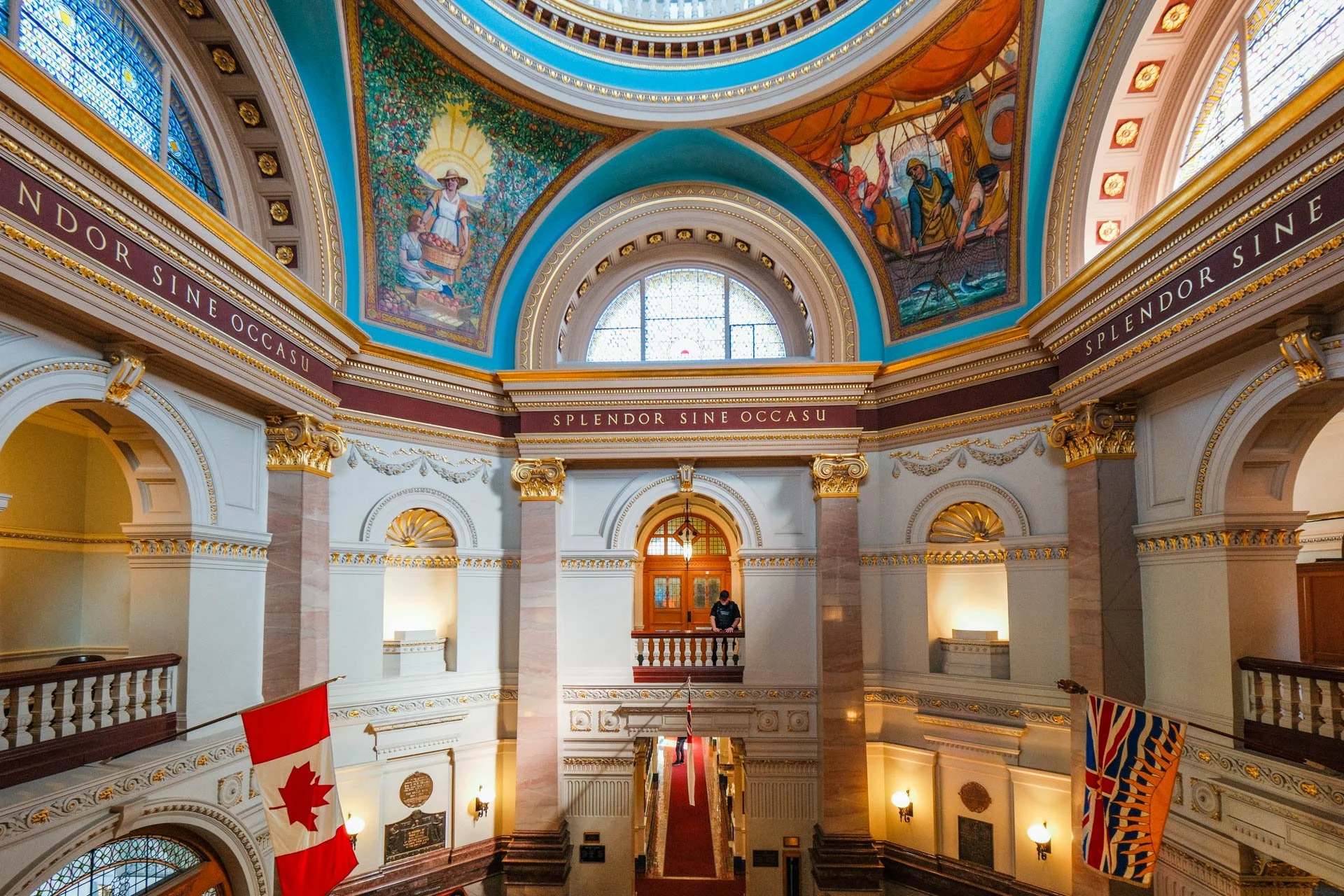
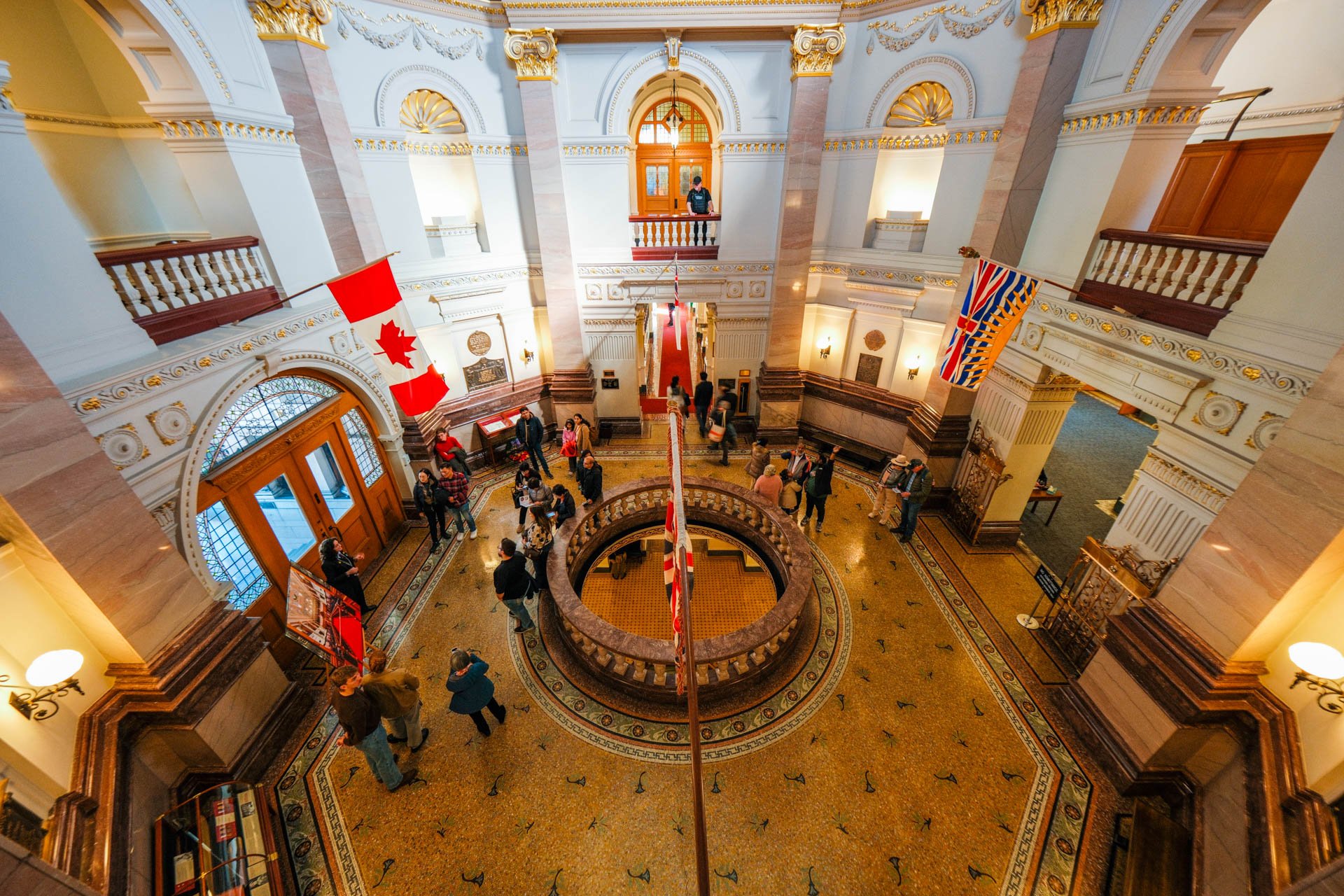
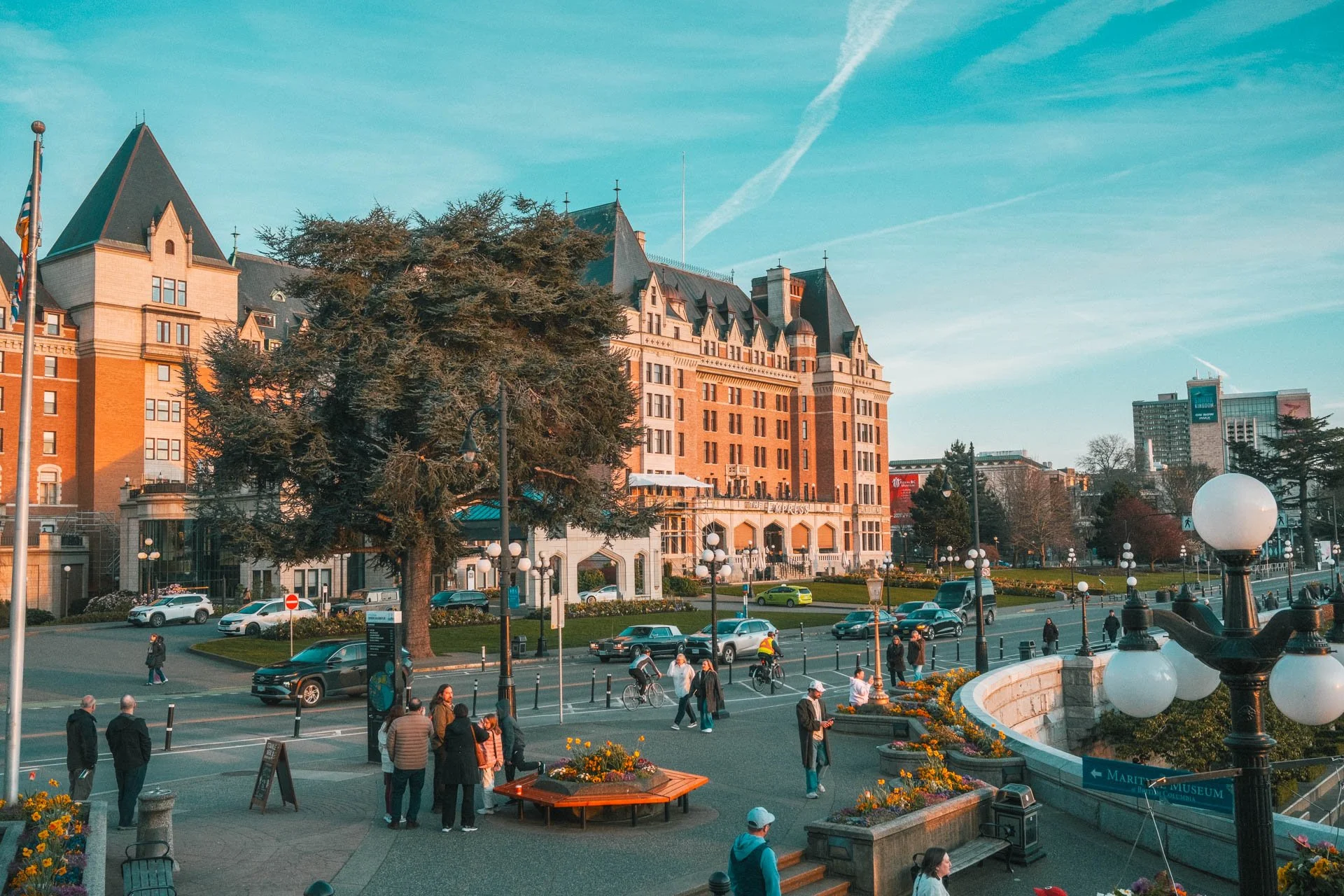
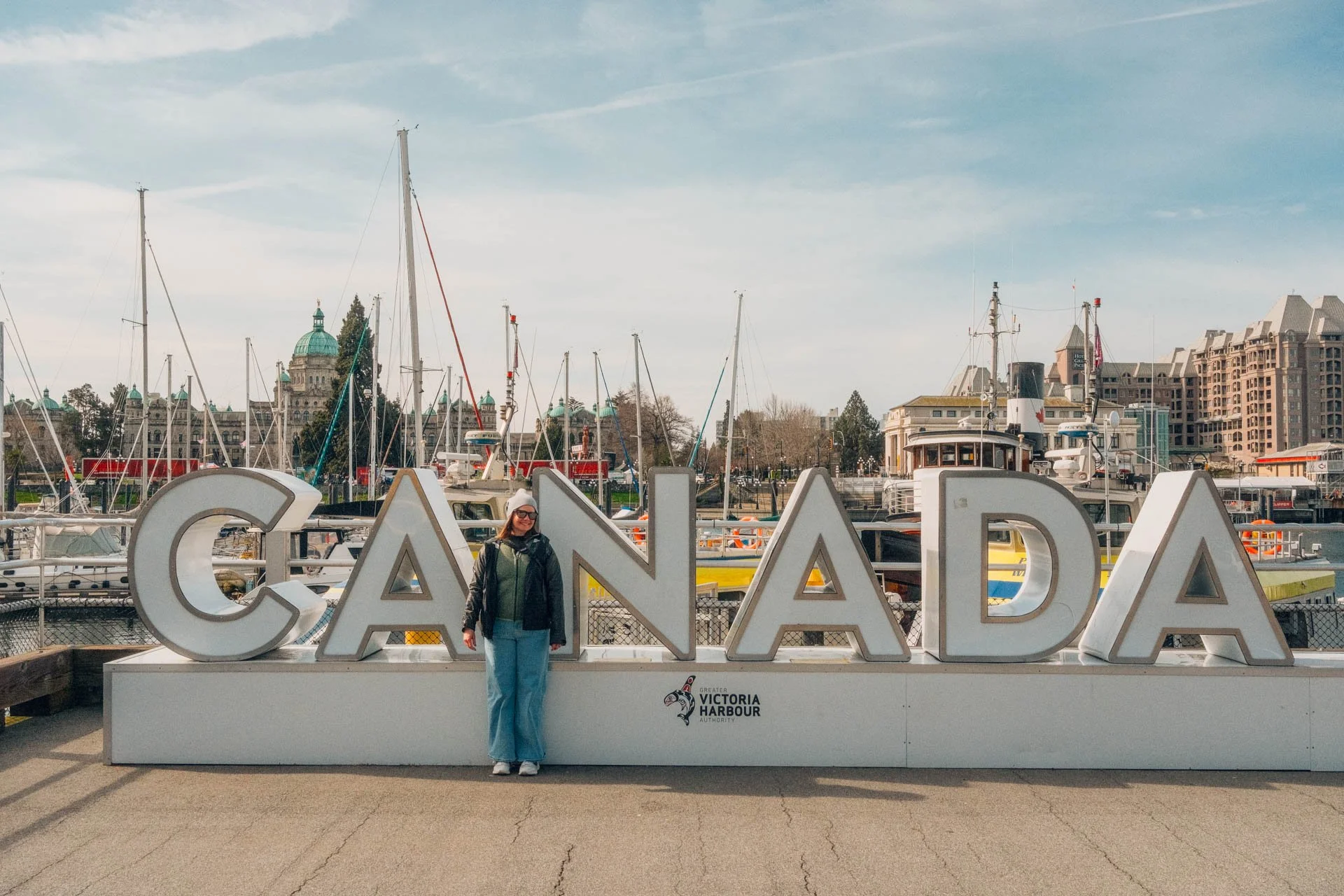
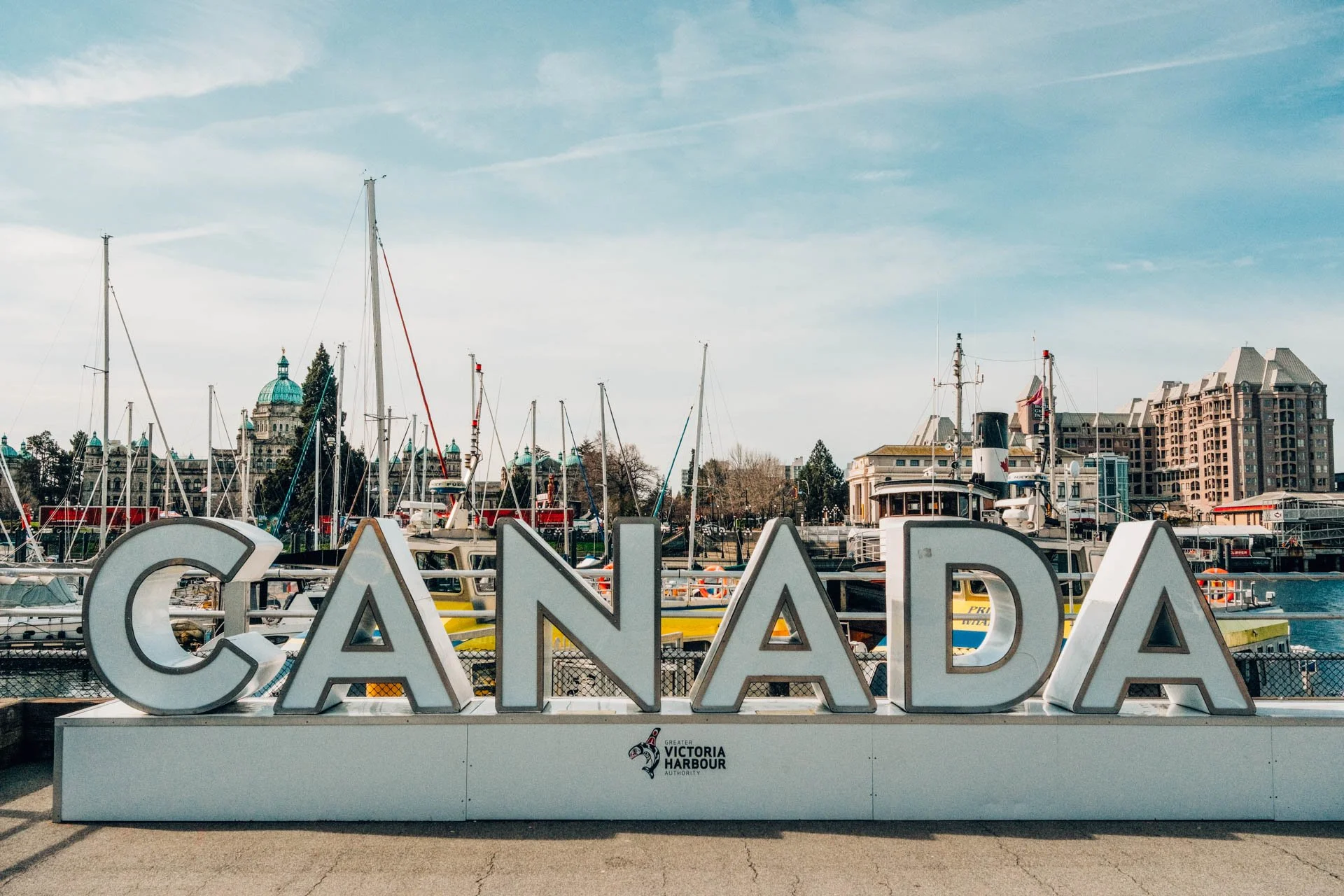
Victoria was named after Queen Victoria and became the capital of the colony of Vancouver Island, later remaining the capital when British Columbia joined Canada in 1871. Known for its British character, gardens, and coastal setting, the city developed into a political and cultural centre rather than an industrial one.
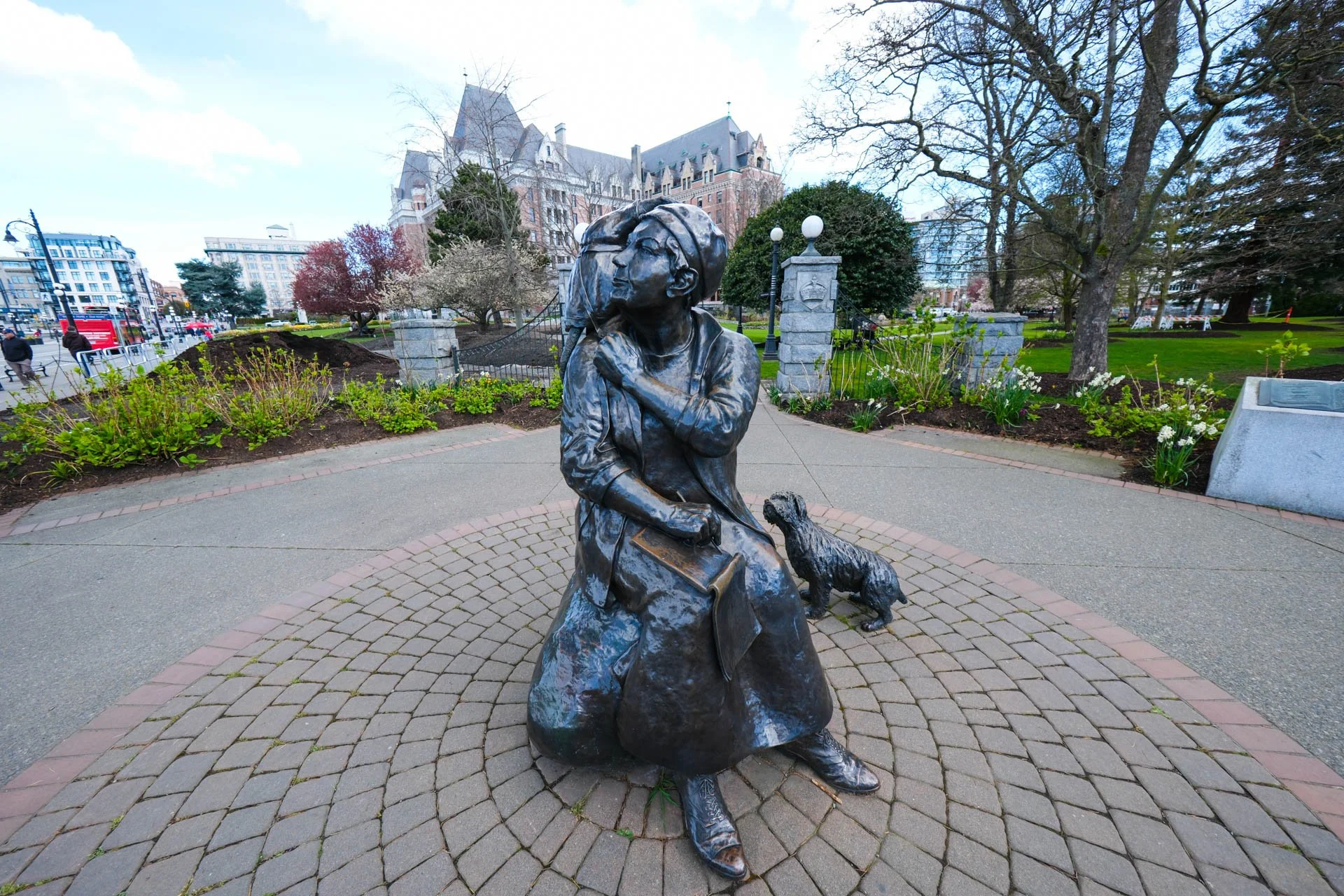
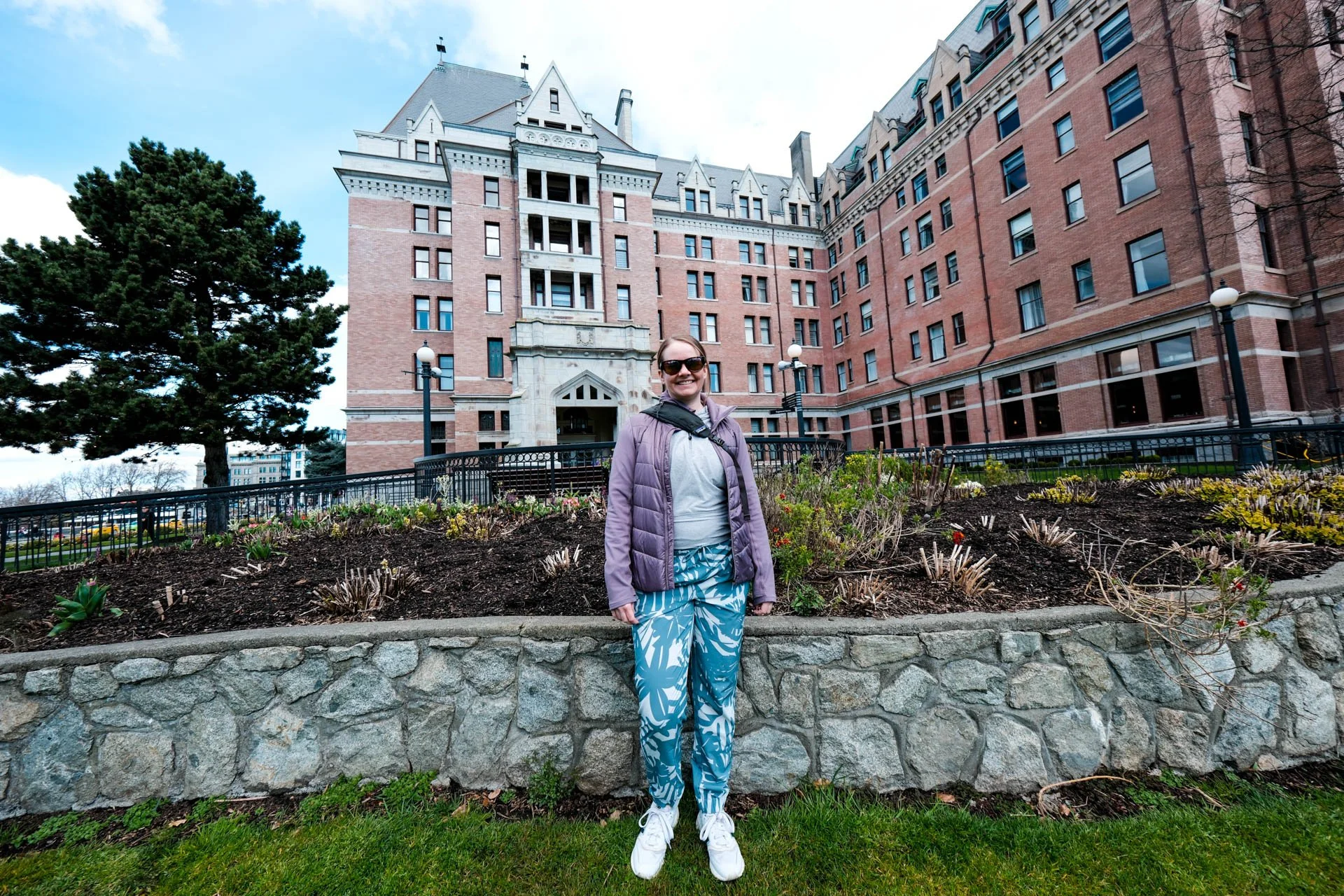
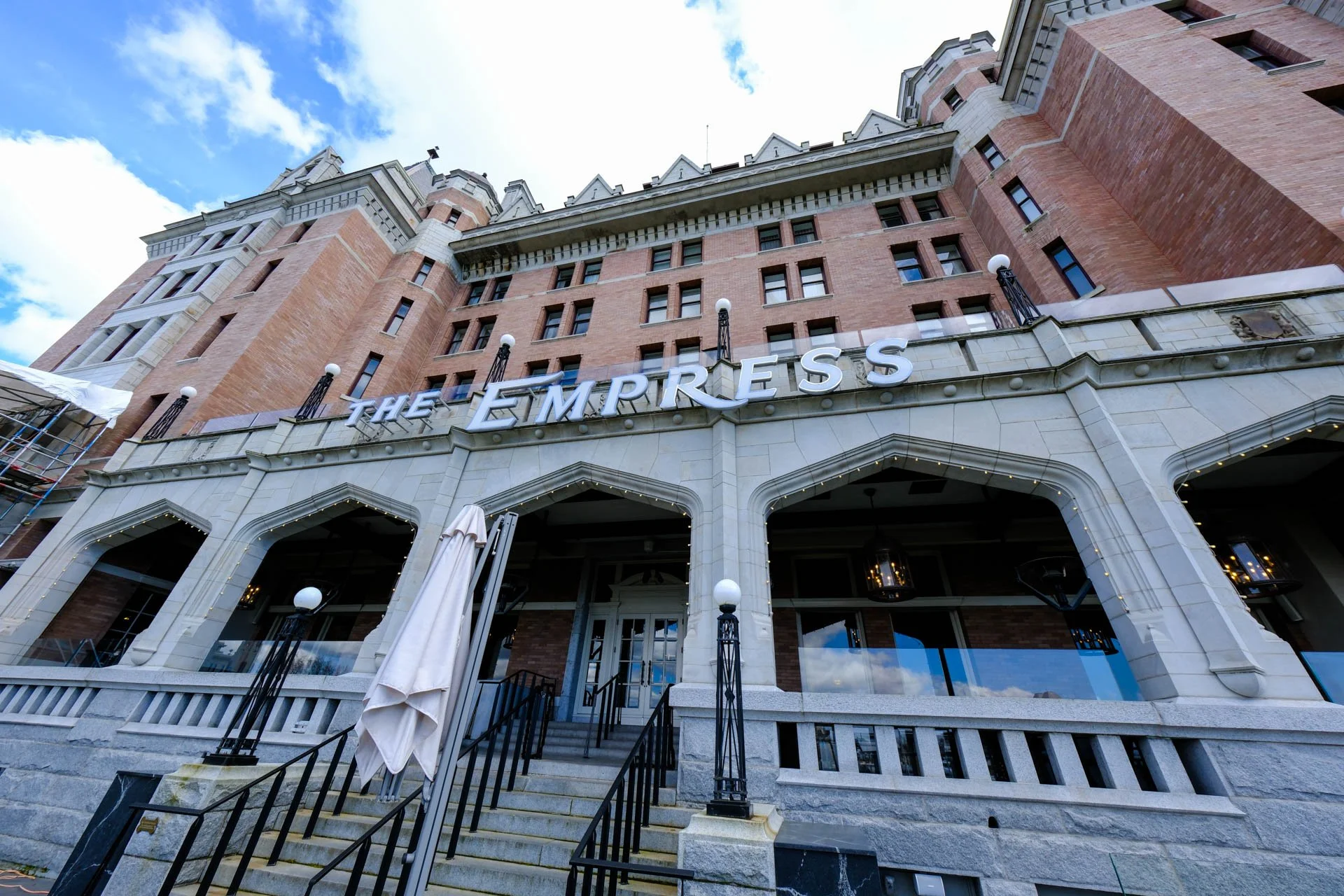
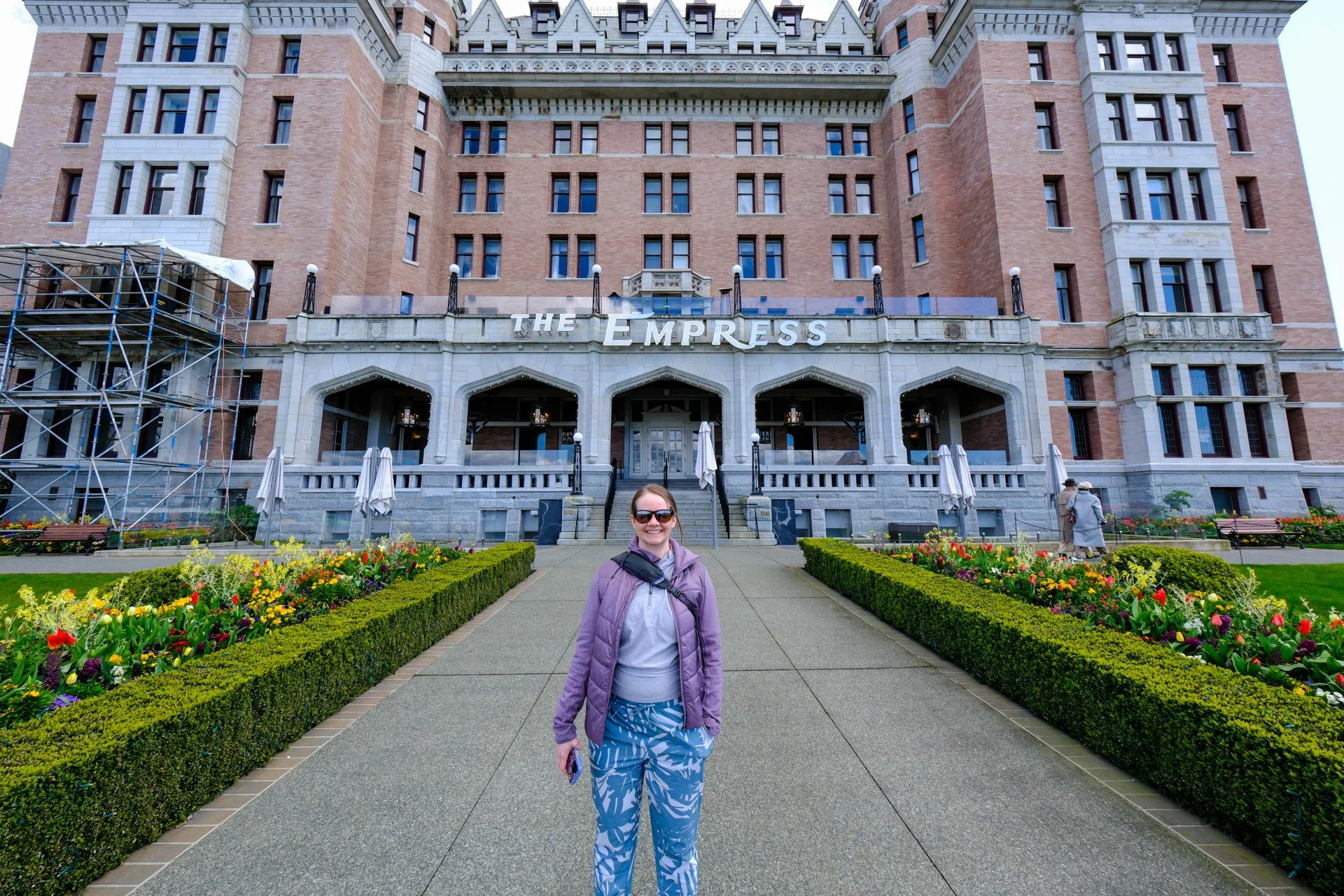
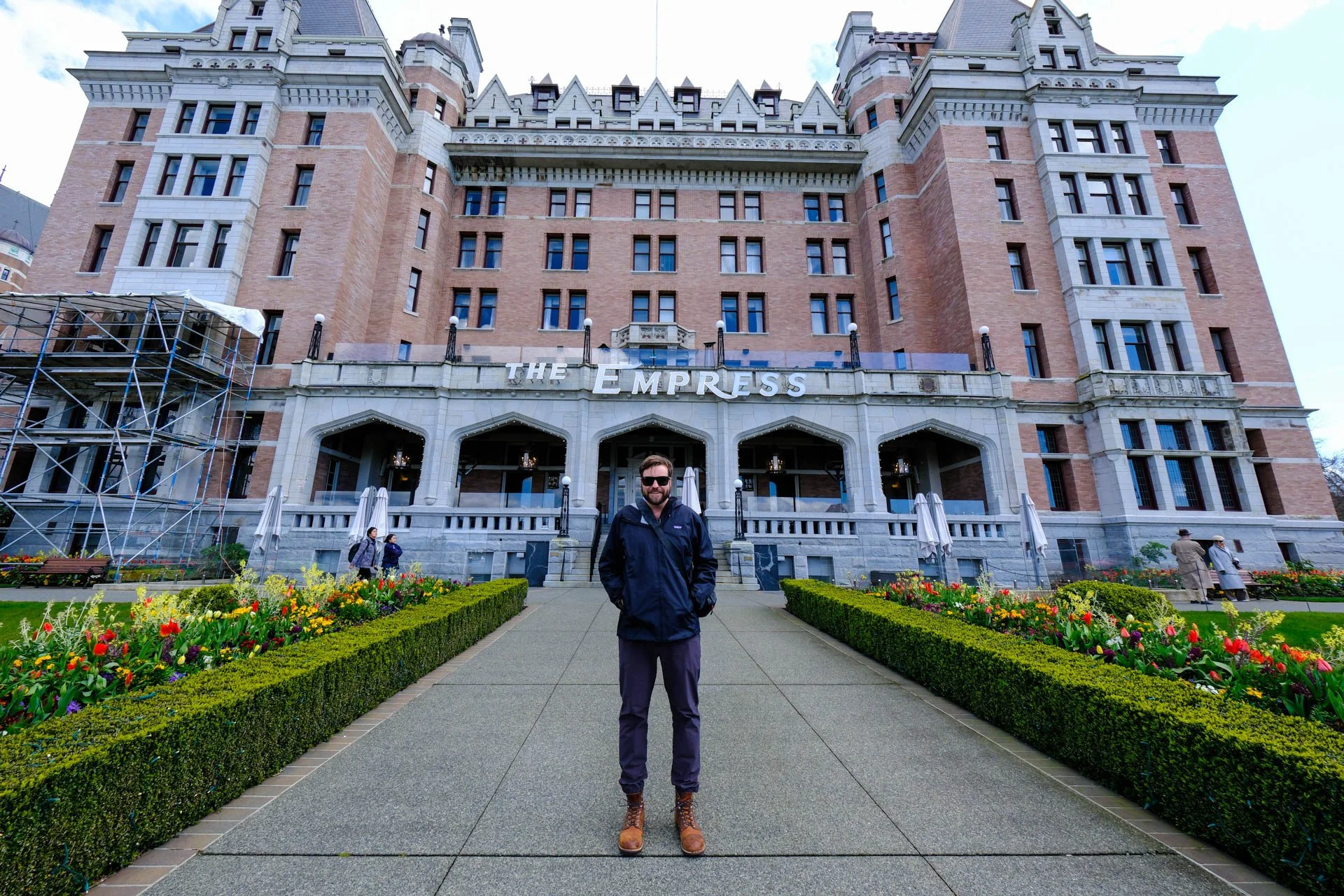
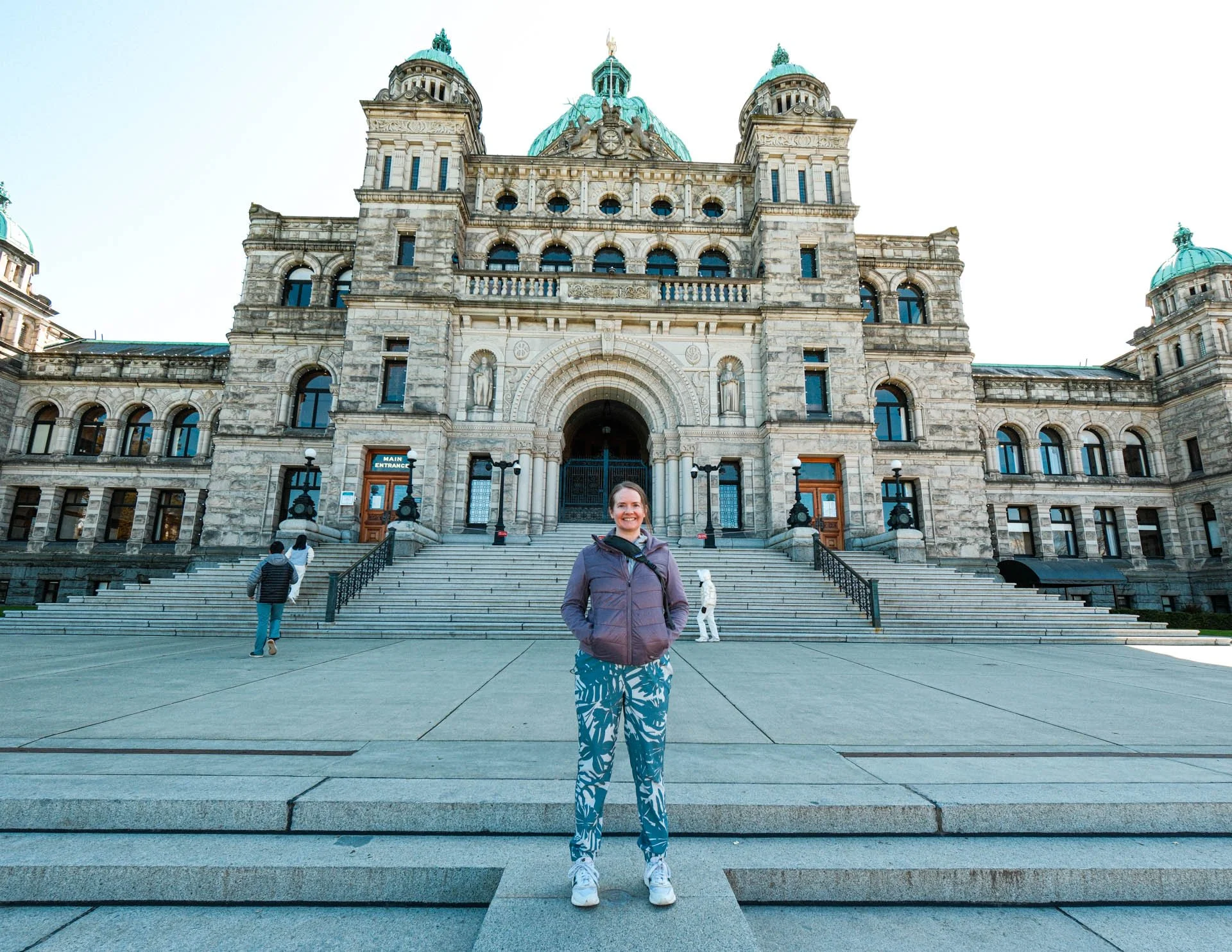
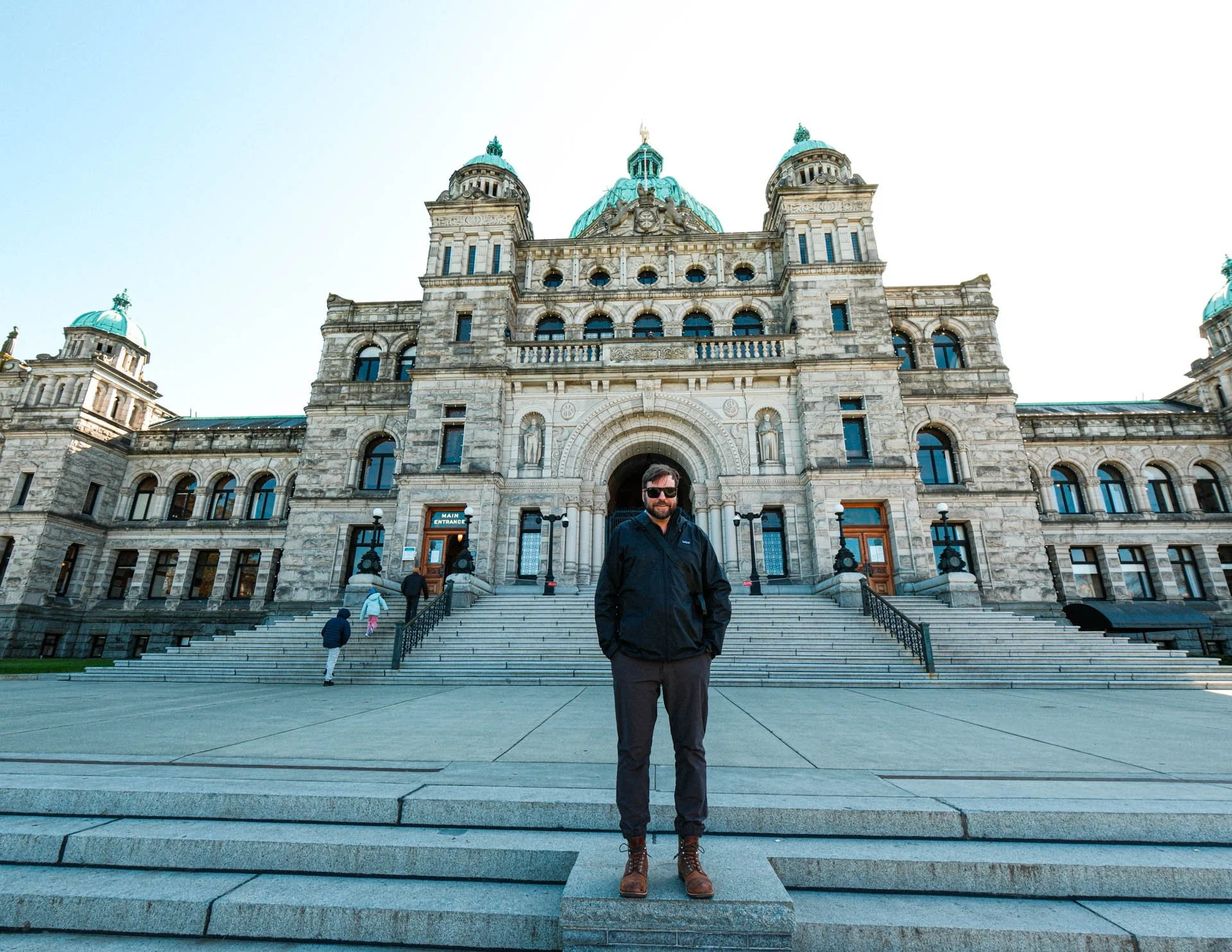
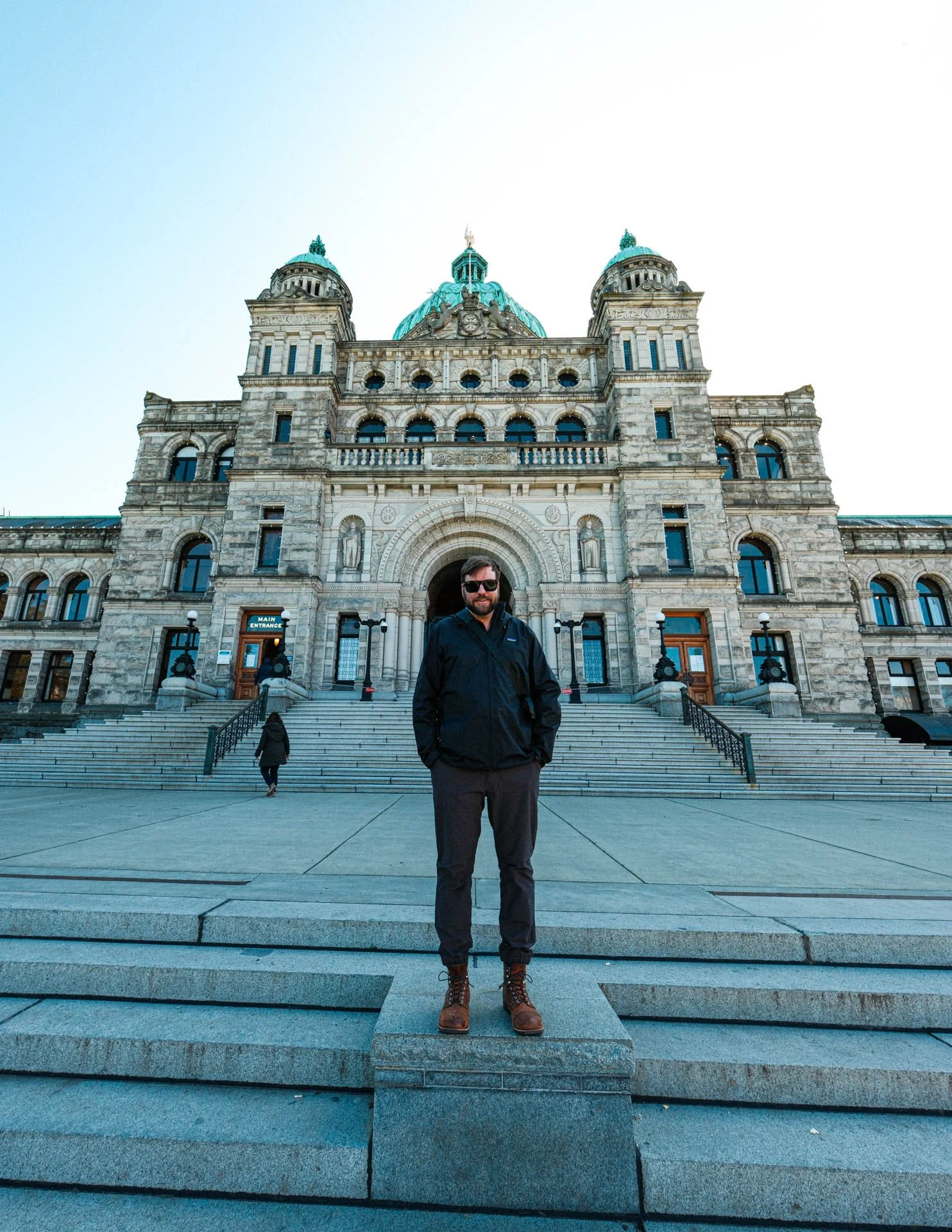
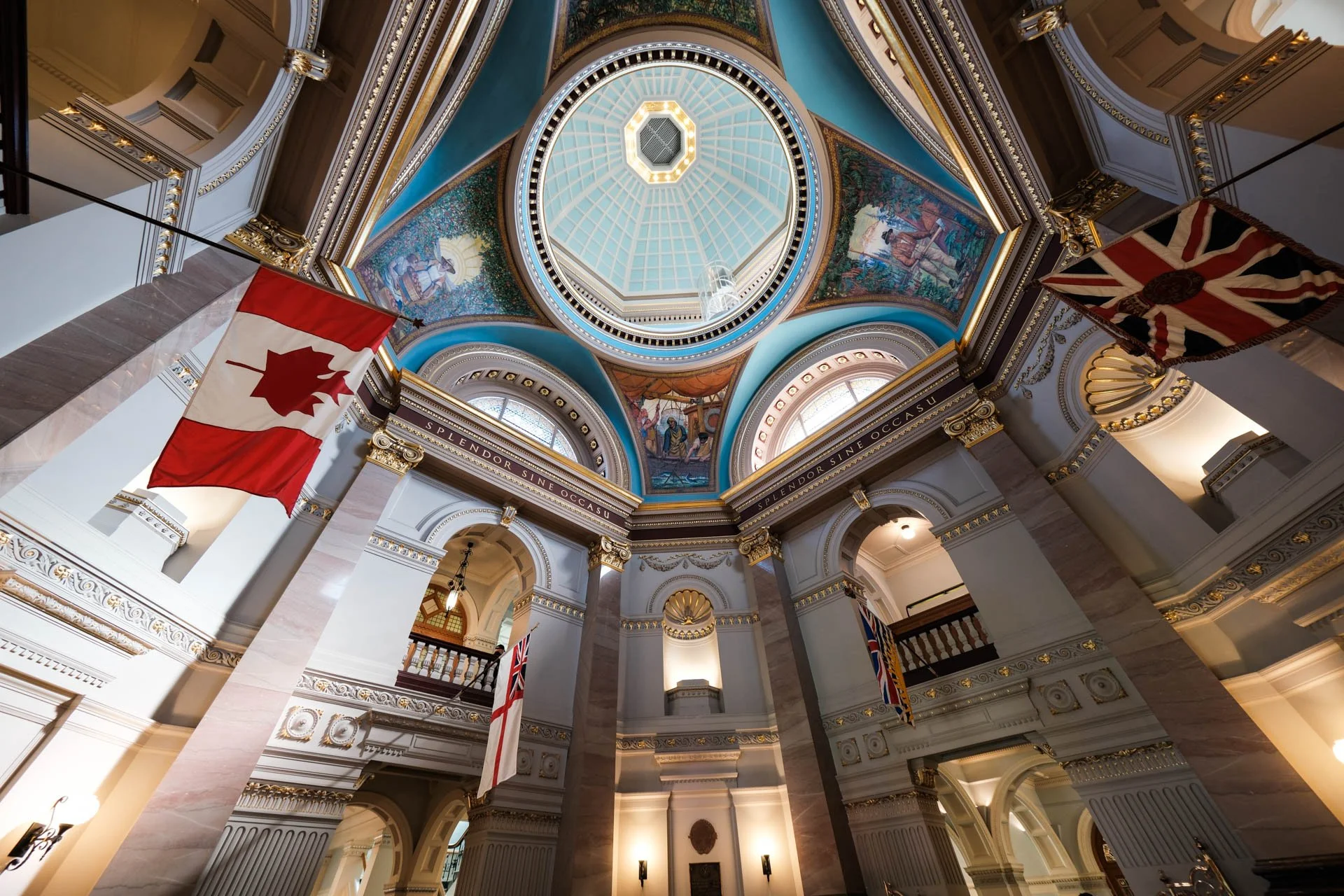
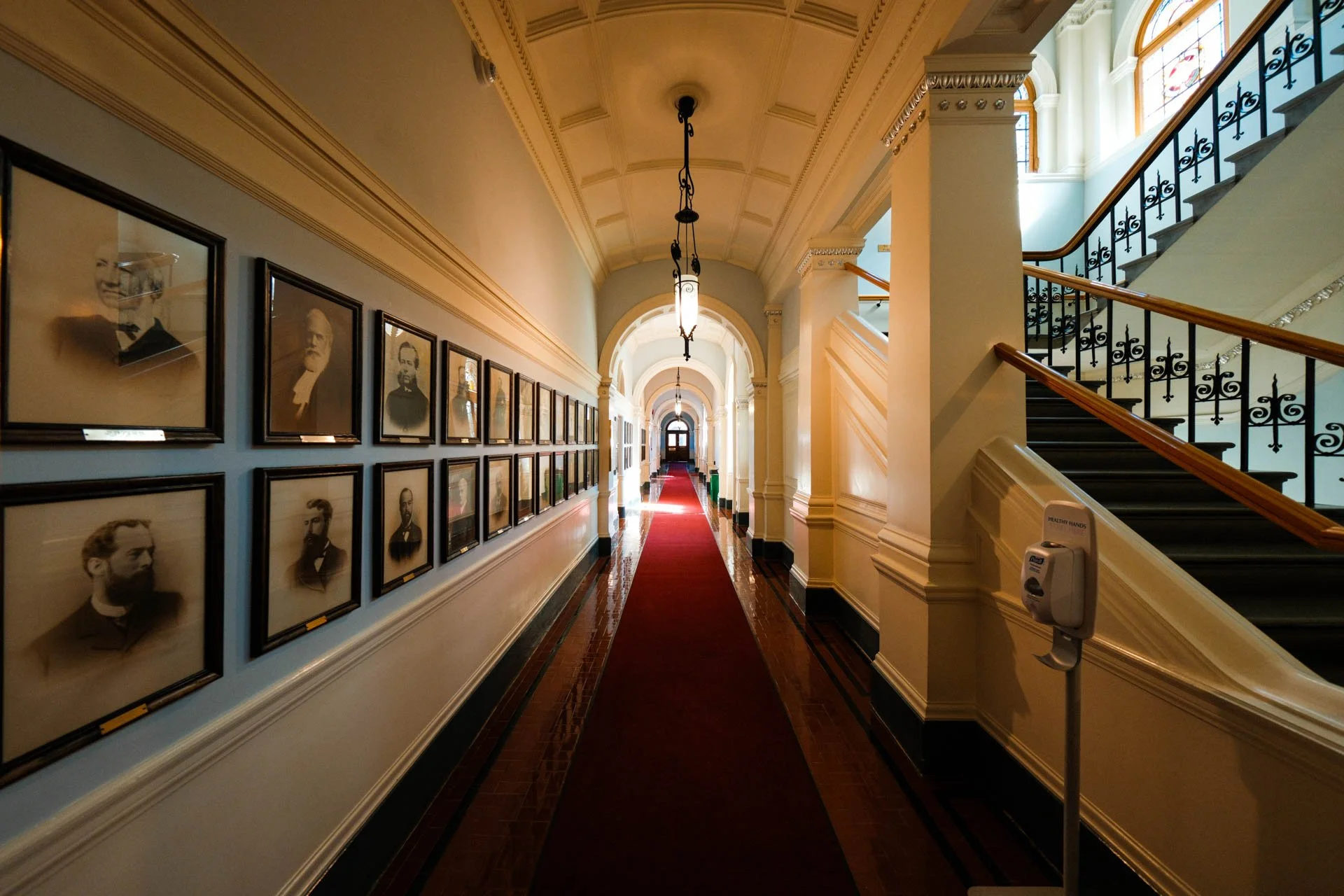
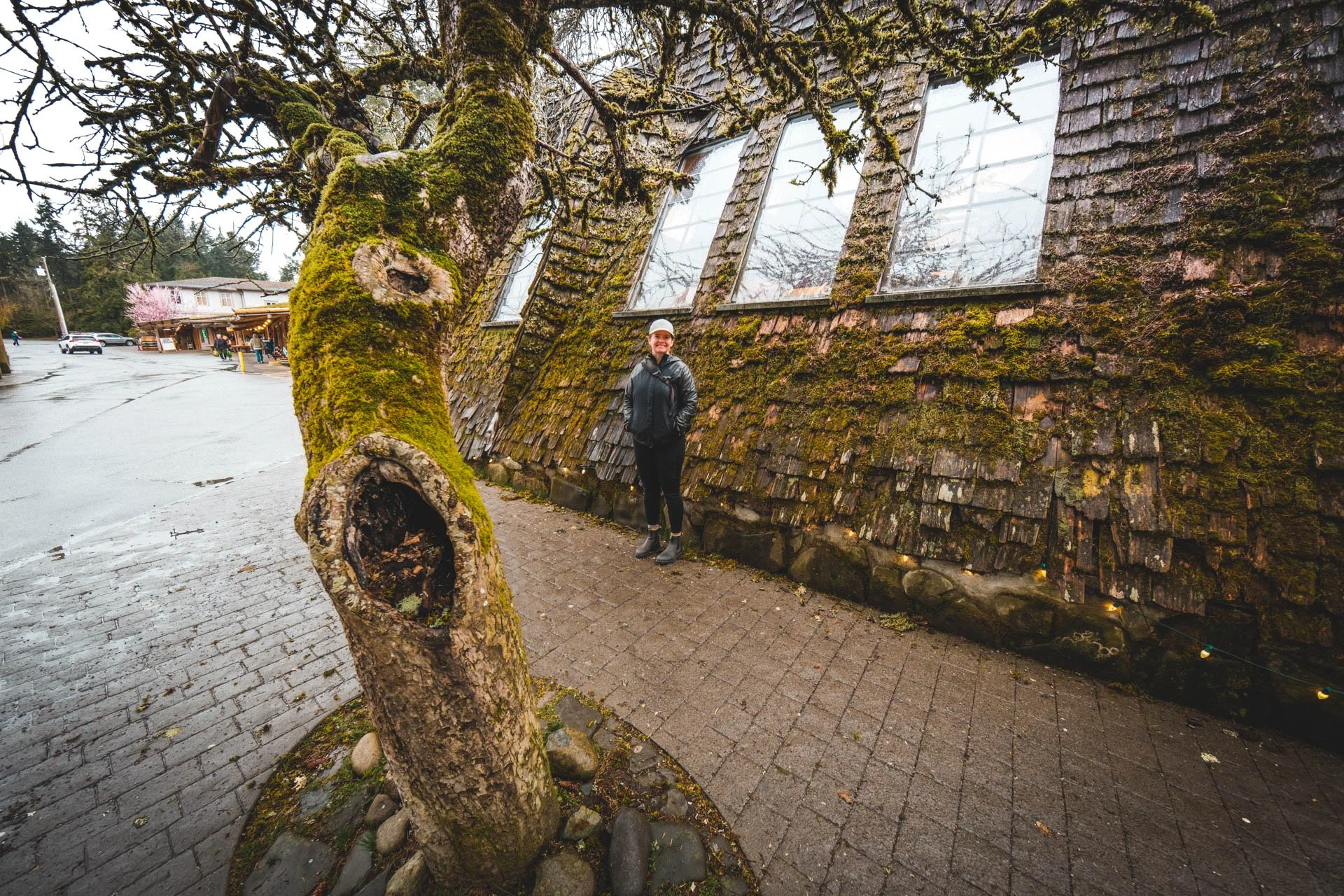
Today, Victoria is celebrated for its historic architecture, mild climate, and blend of British and West Coast influences—often feeling more like a coastal European city than a typical Canadian capital.
A Brief History of Cathedral Grove
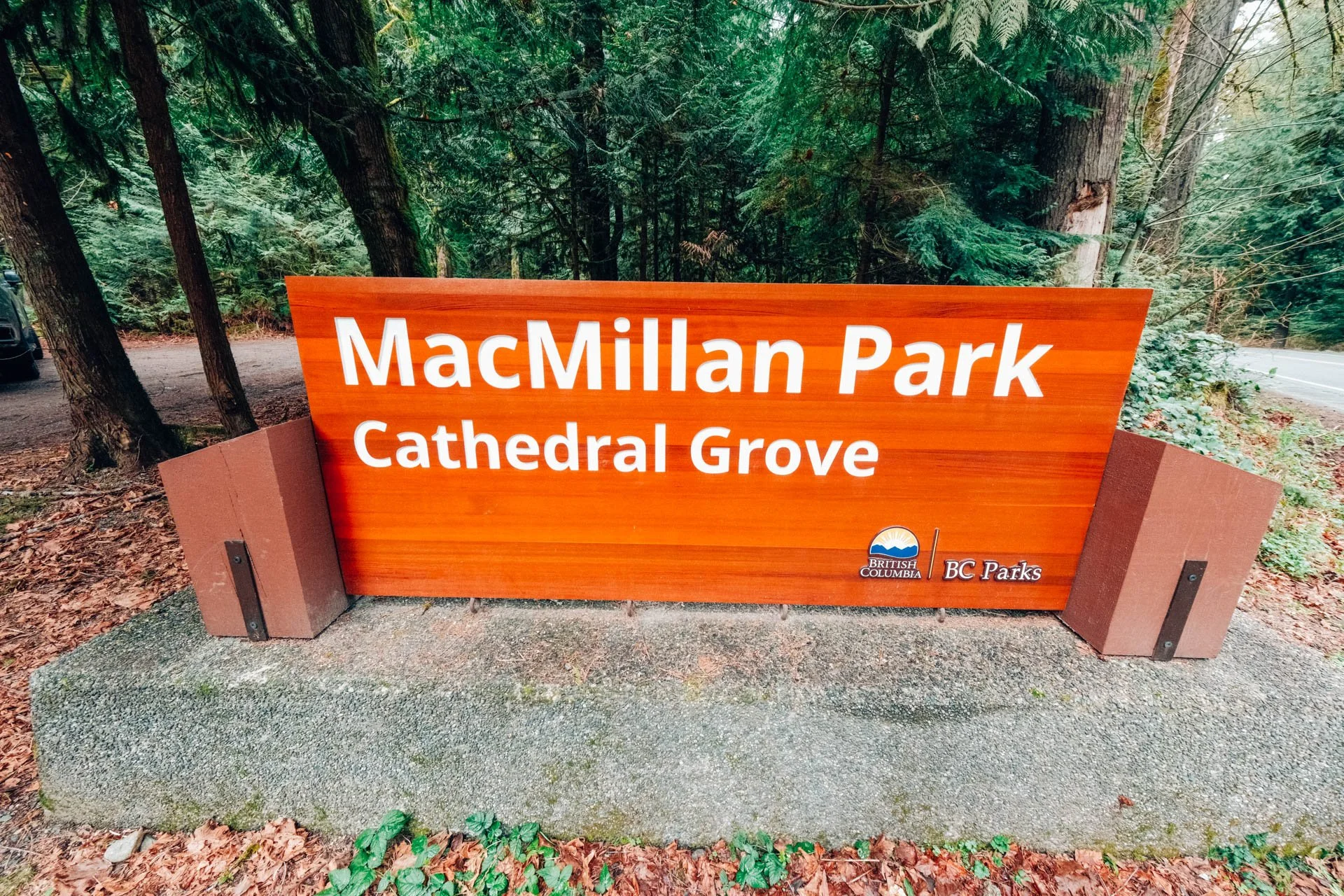
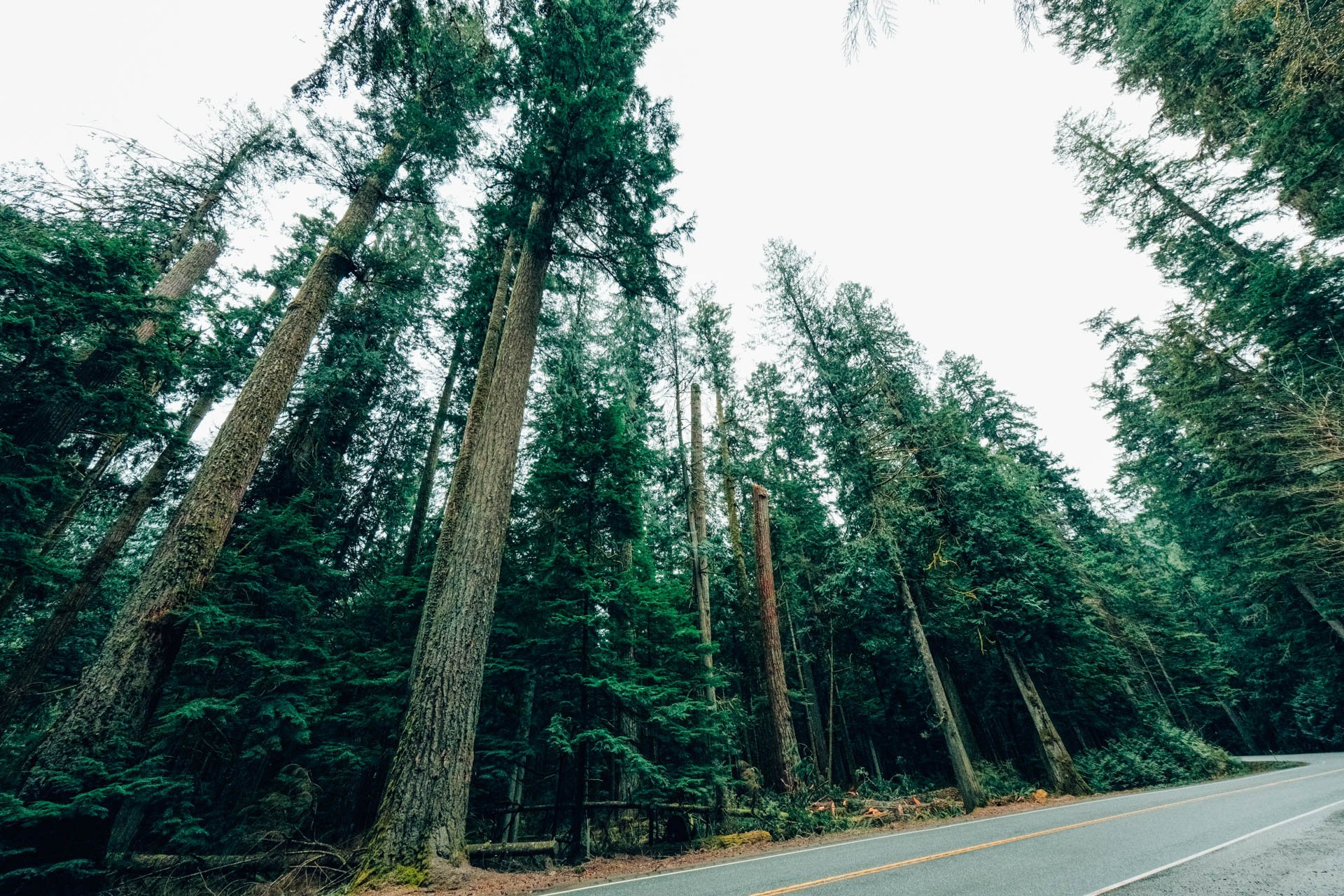
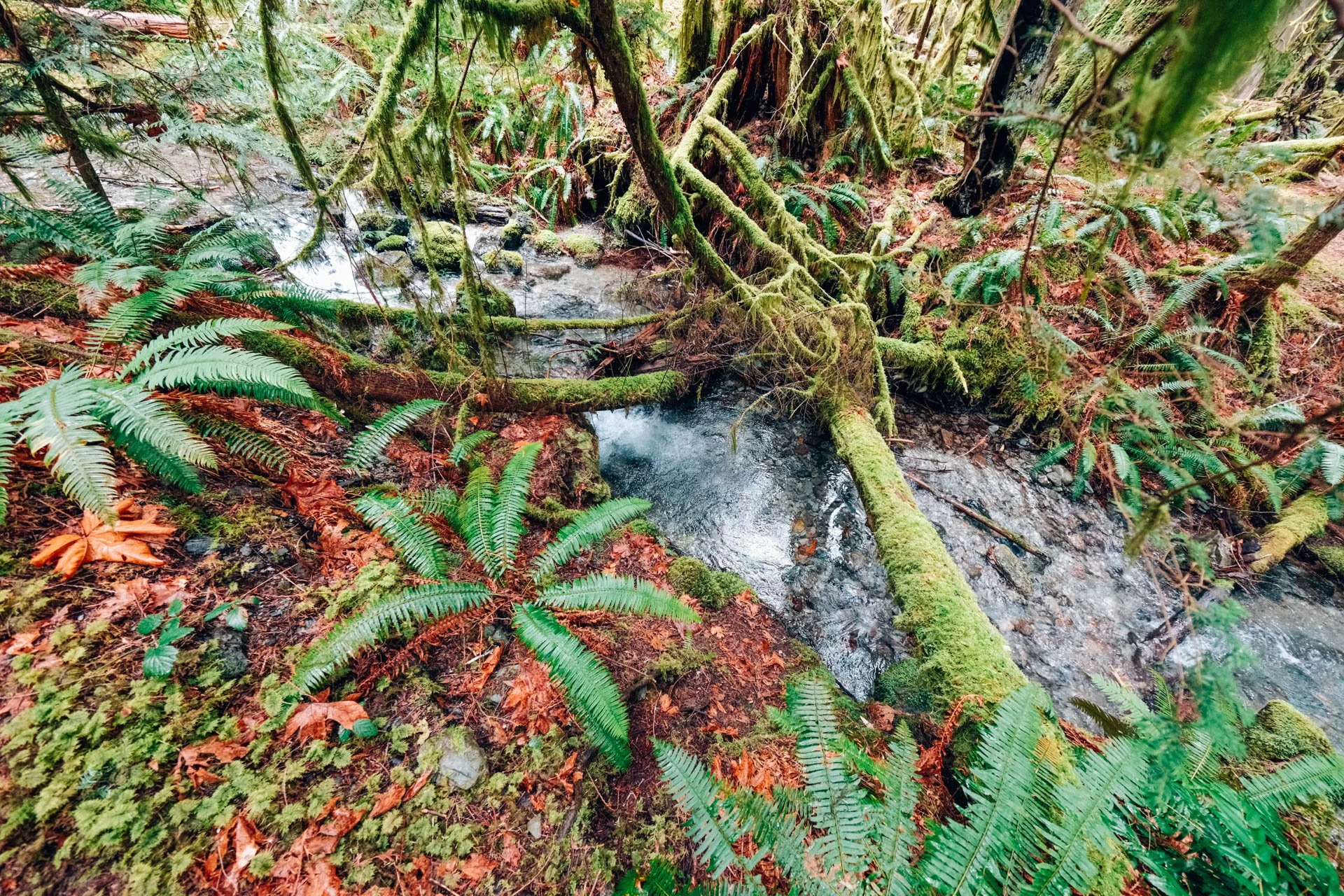
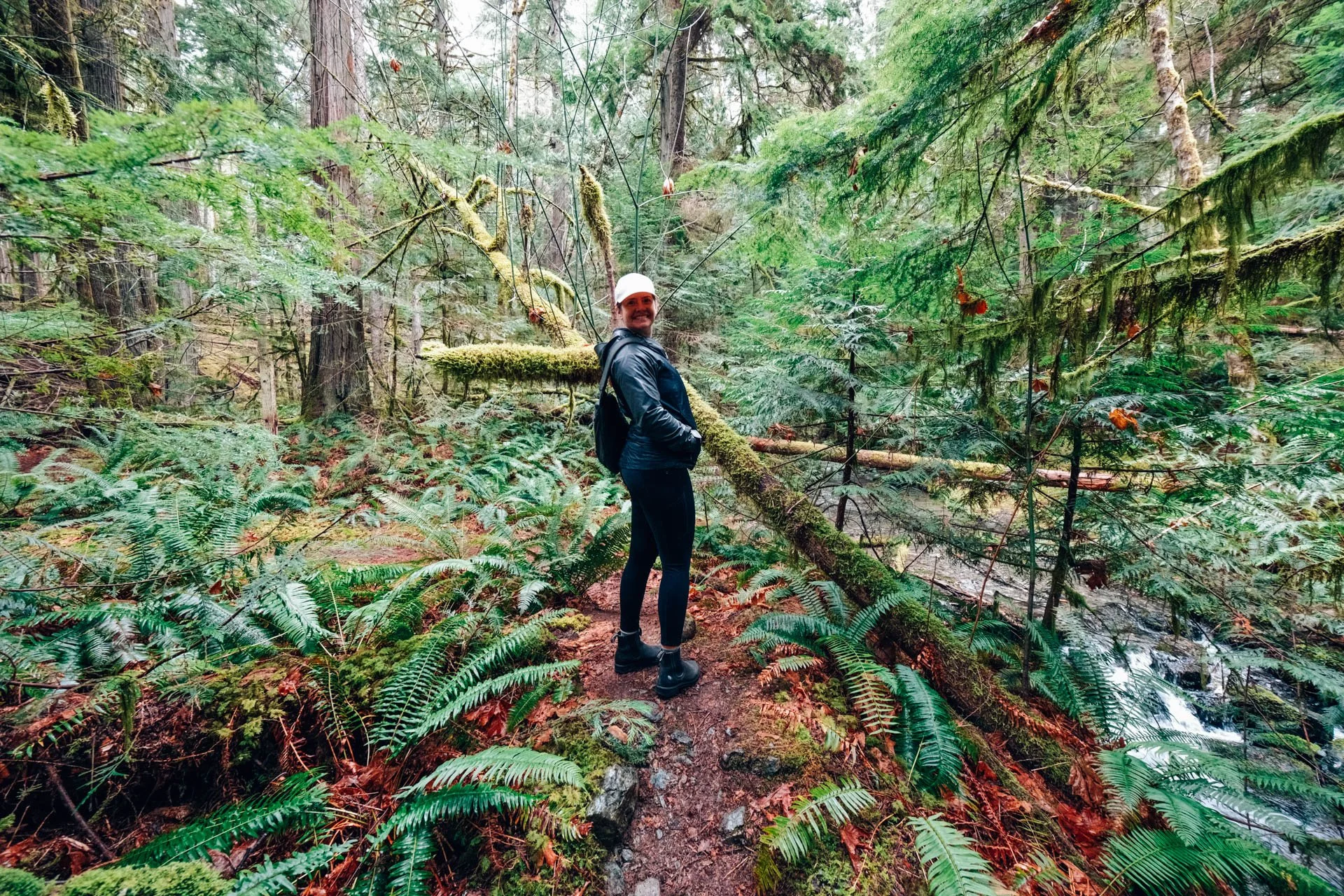
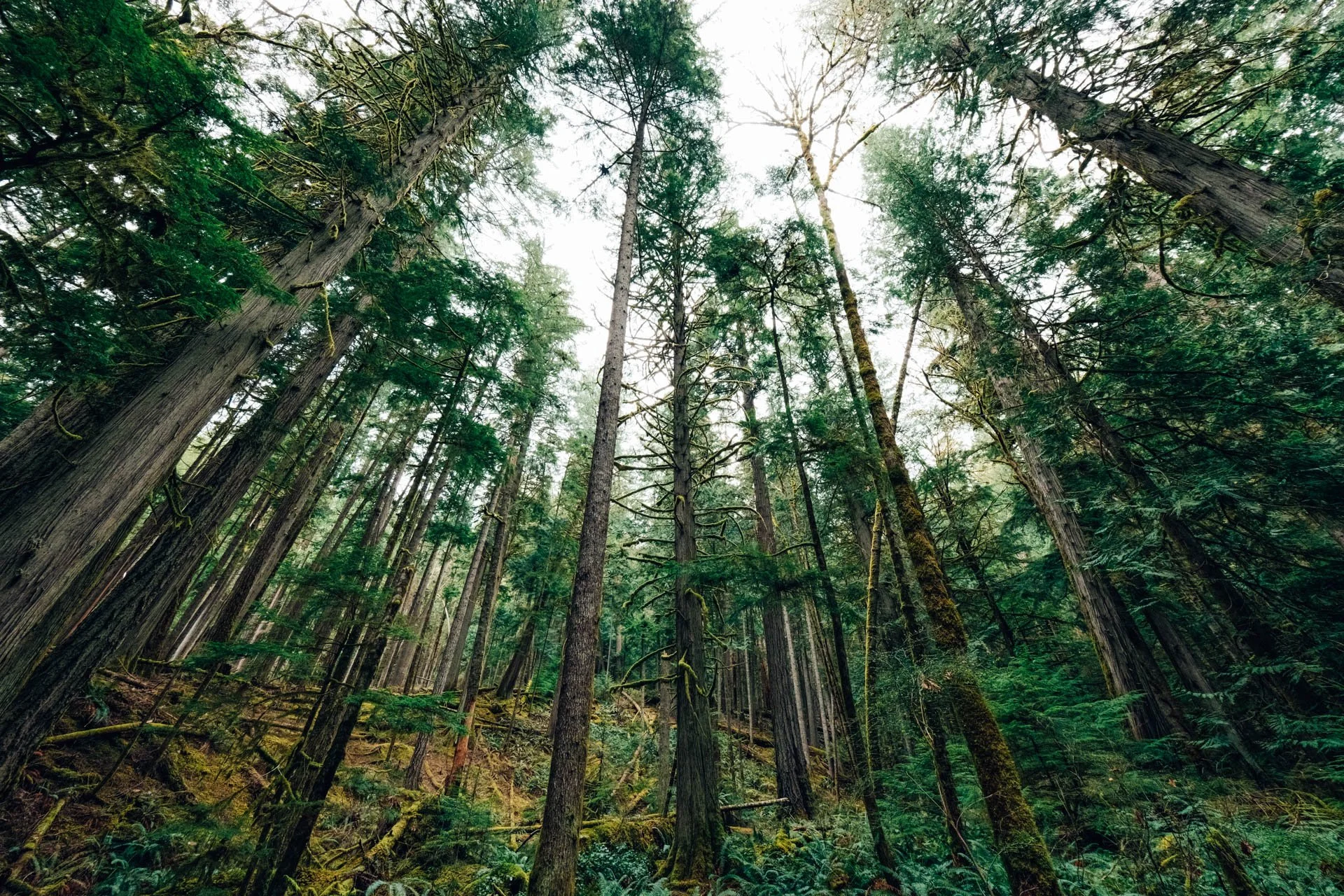
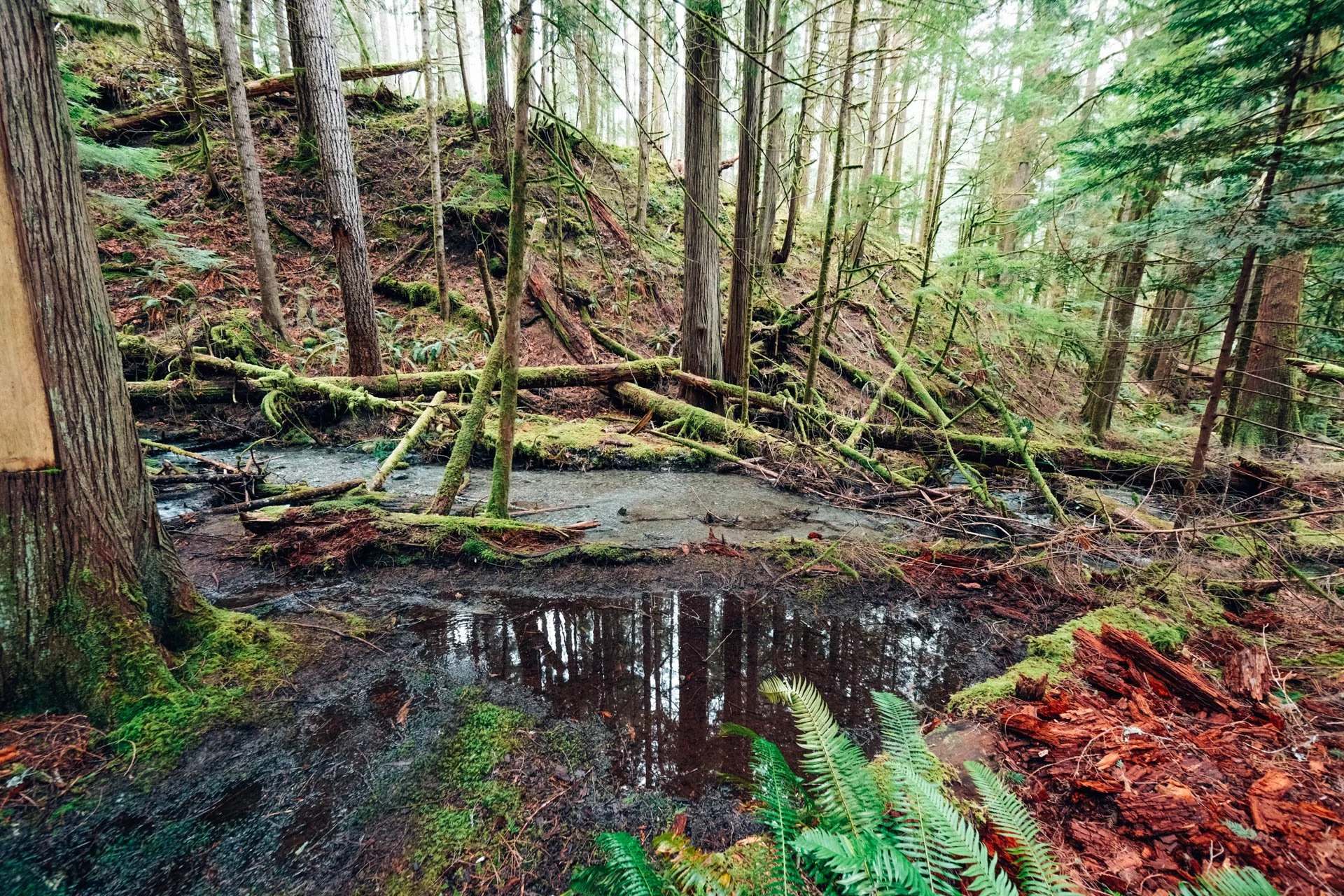
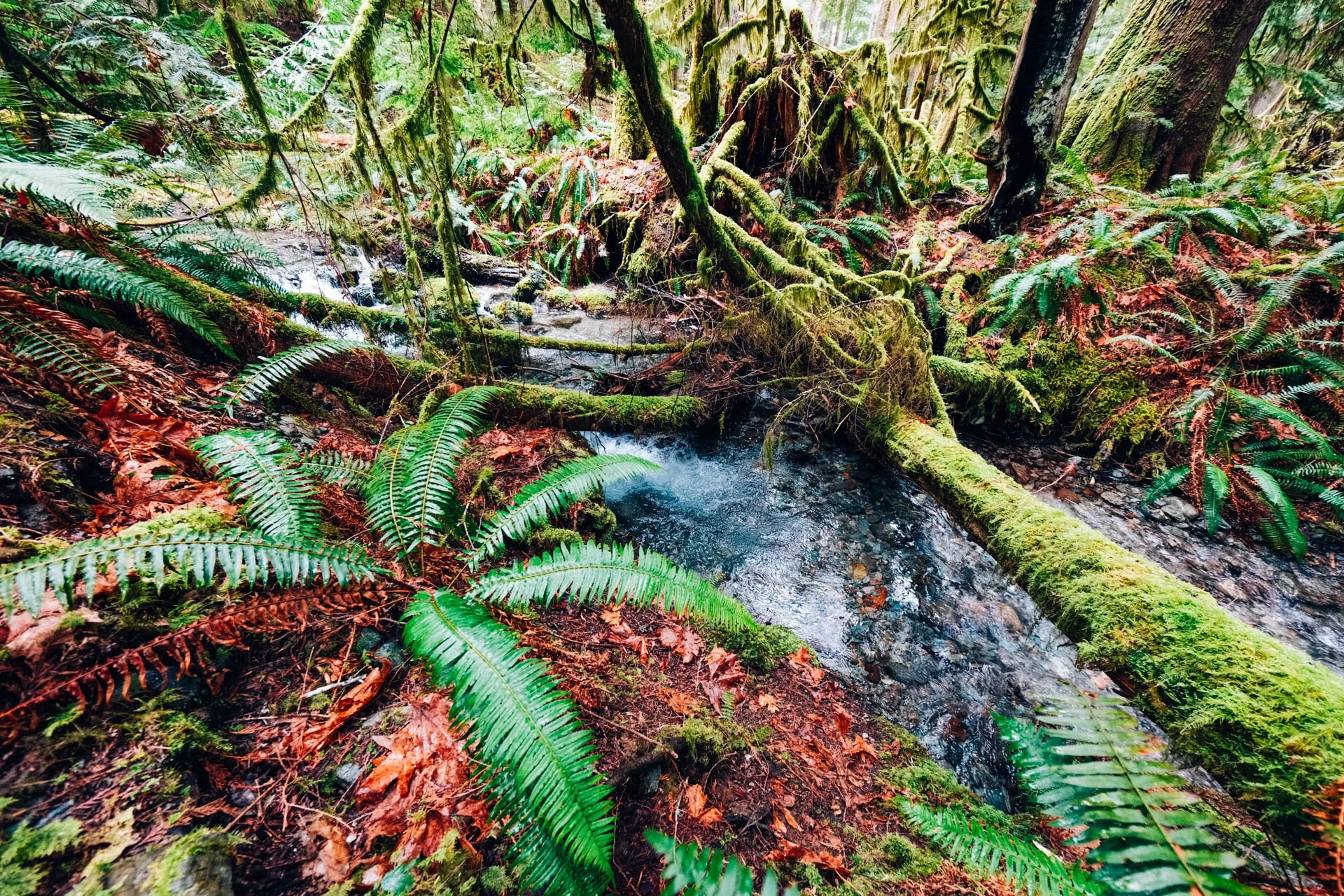
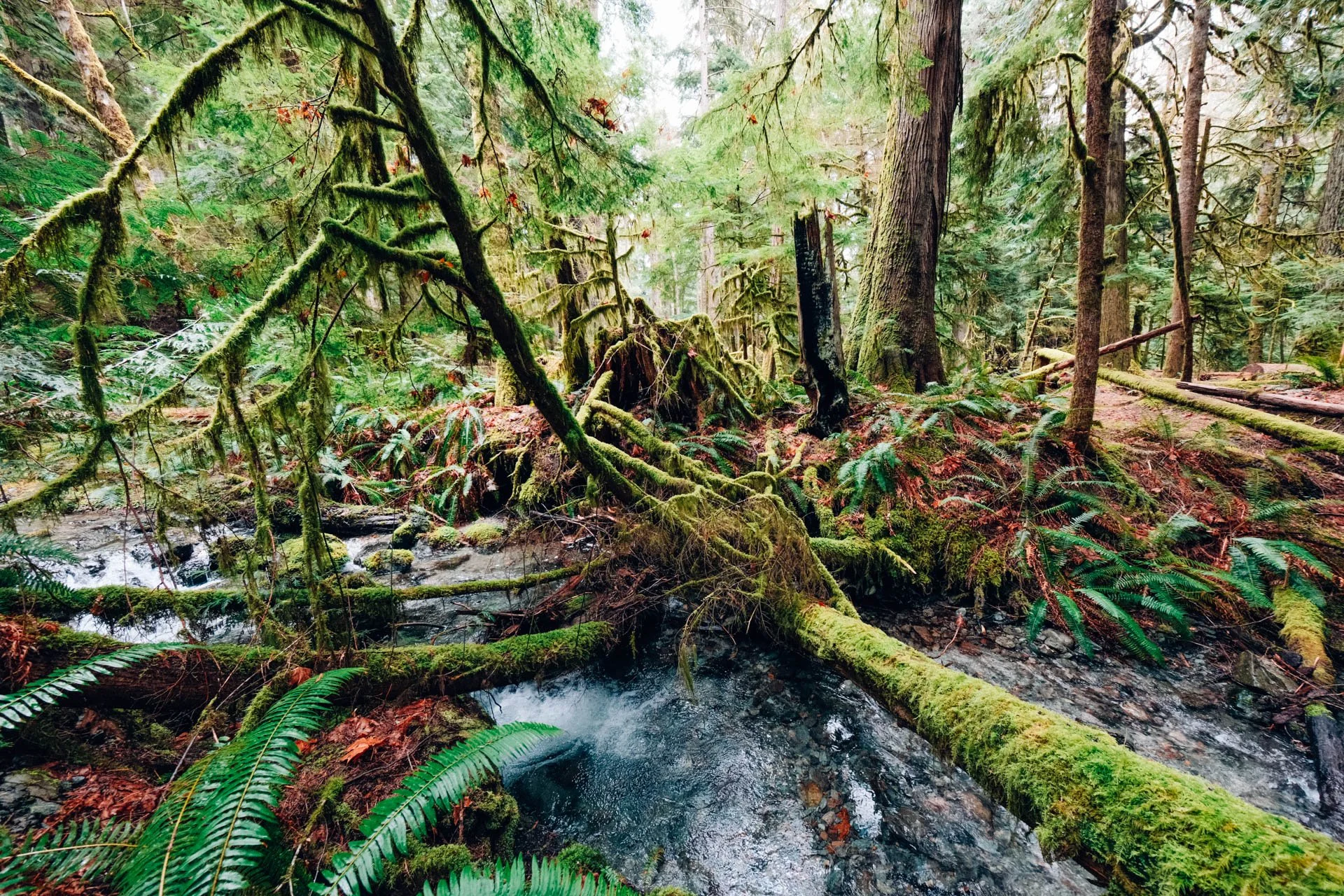
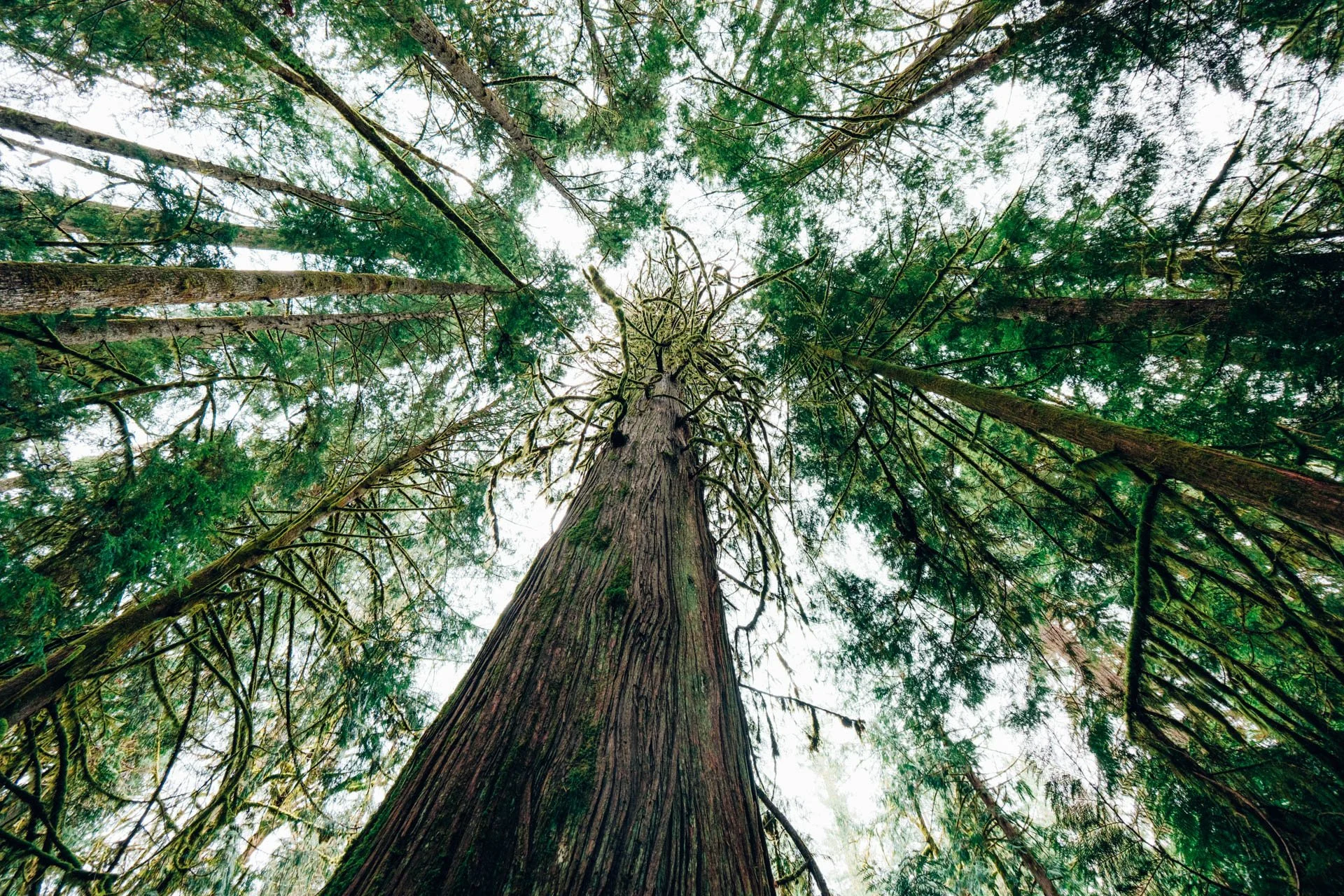
Located within MacMillan Provincial Park, Cathedral Grove is one of the most famous old-growth forests in Canada. For thousands of years, these forests were part of the traditional territory of Indigenous peoples, including the Snaw-naw-as First Nation.
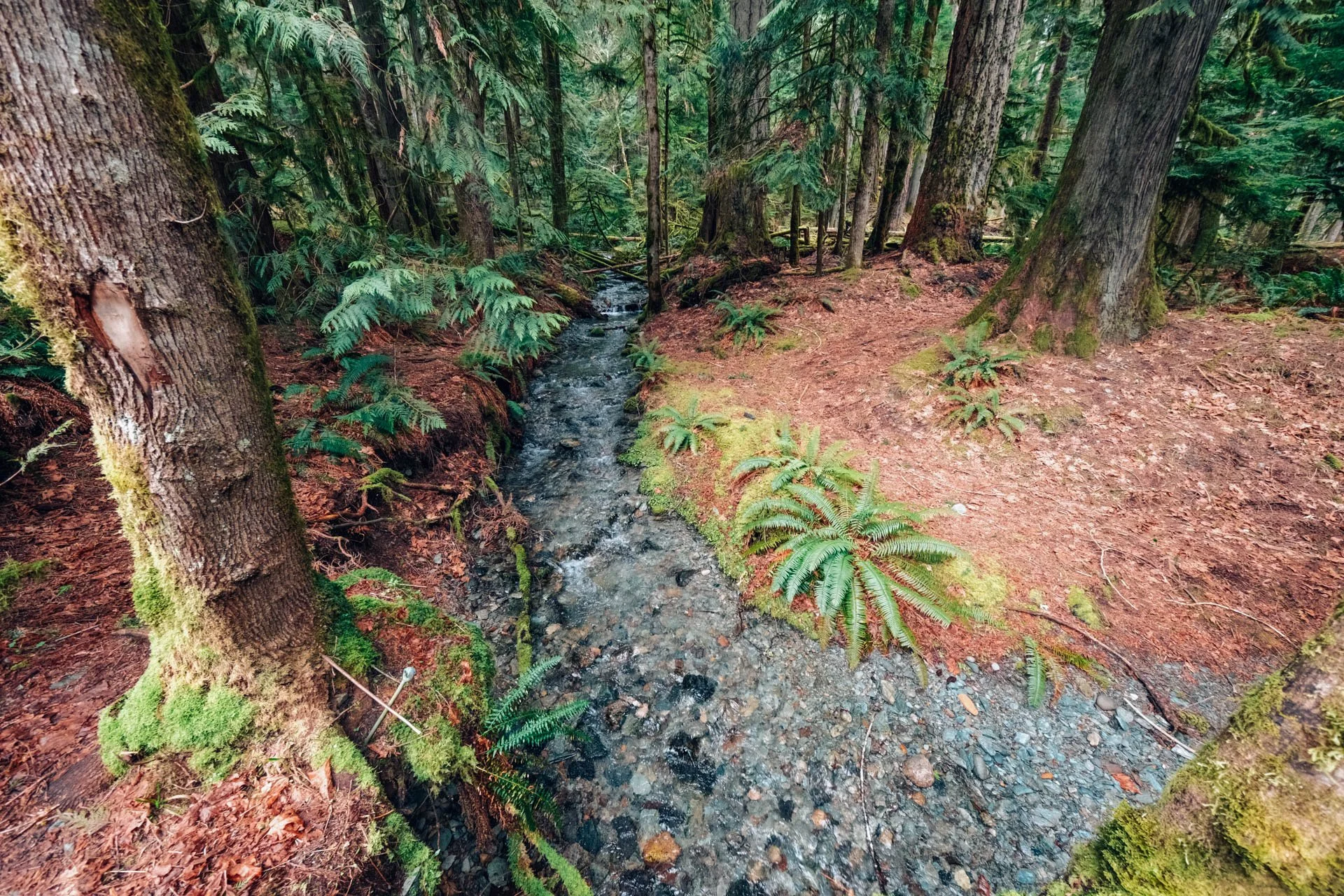
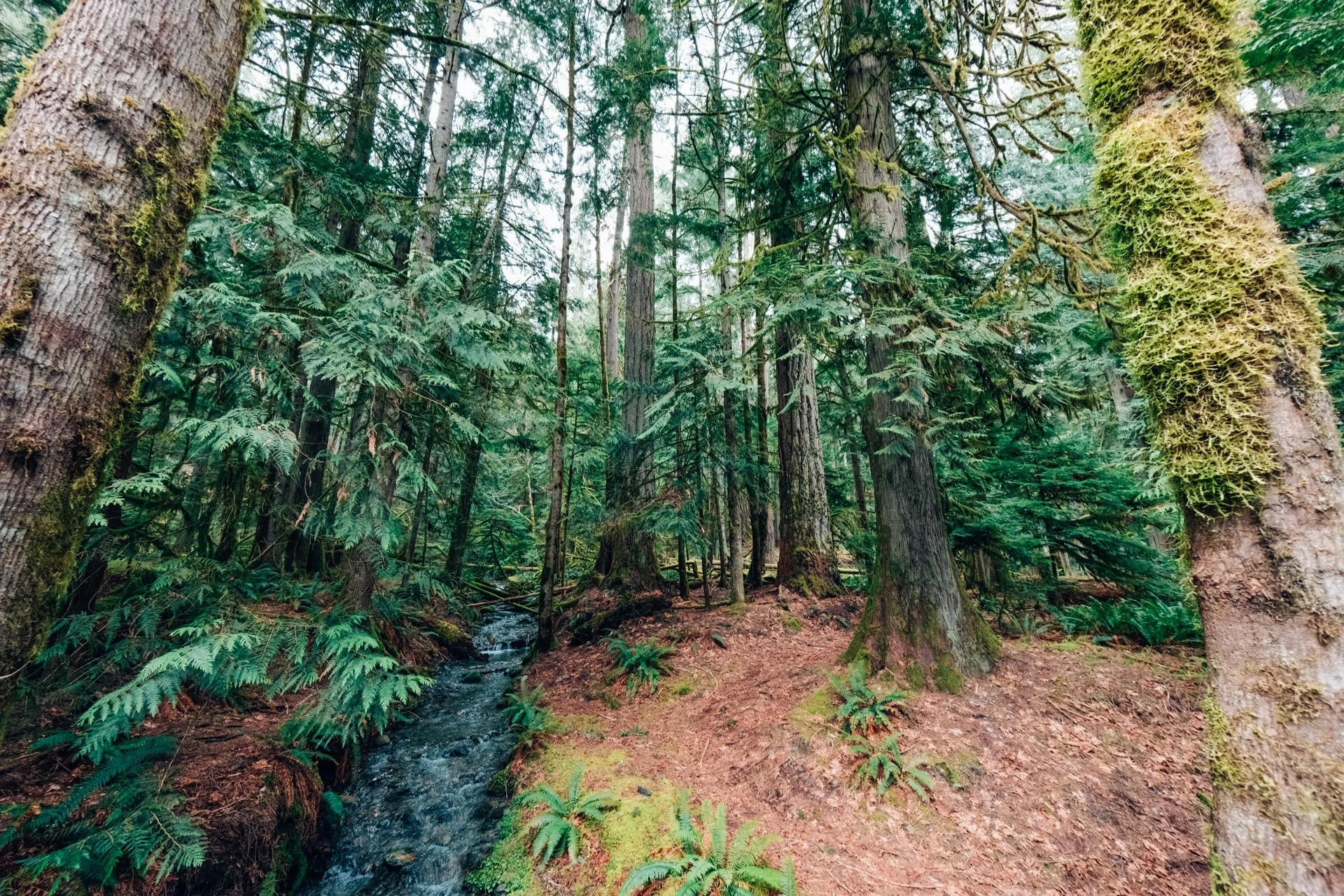
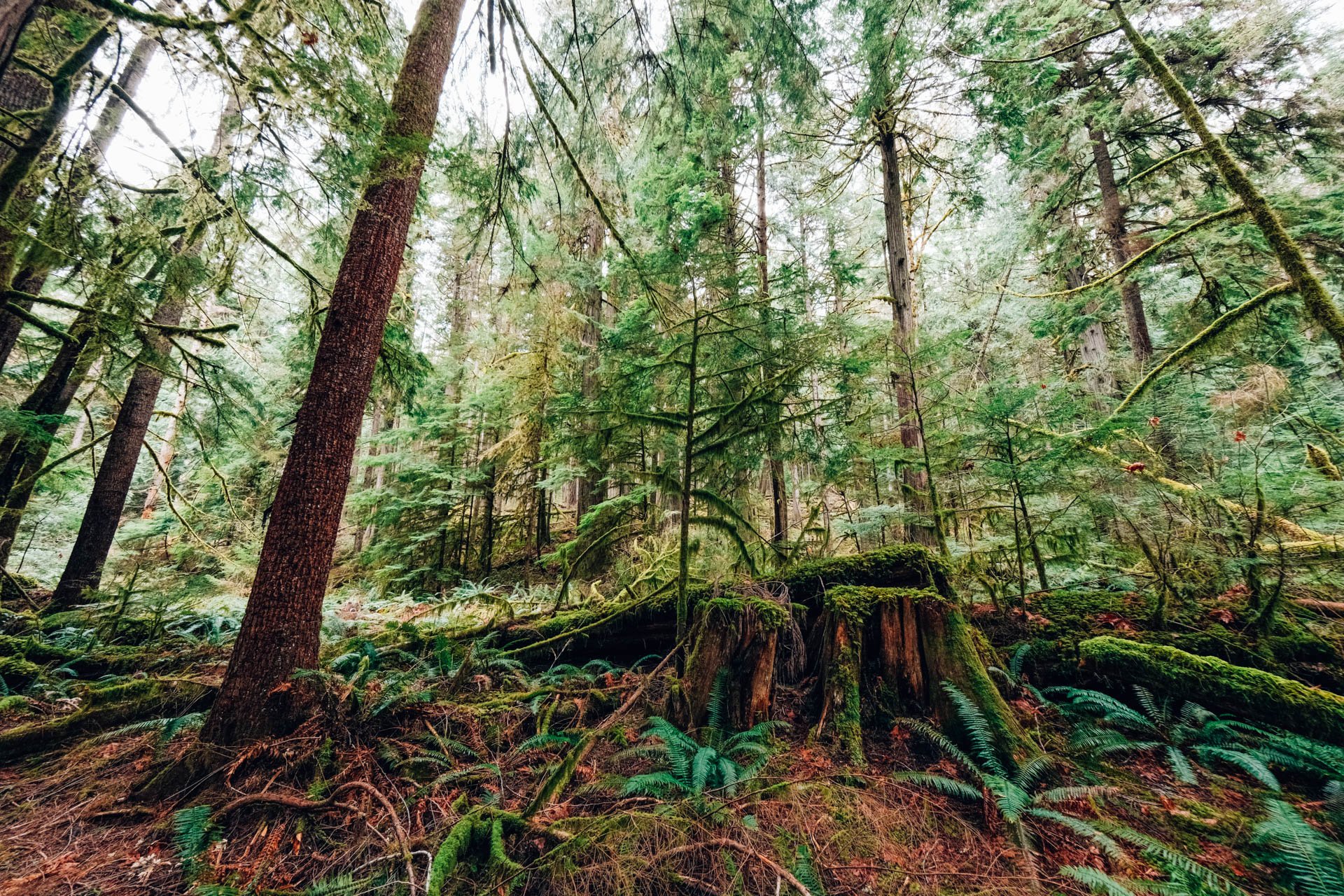
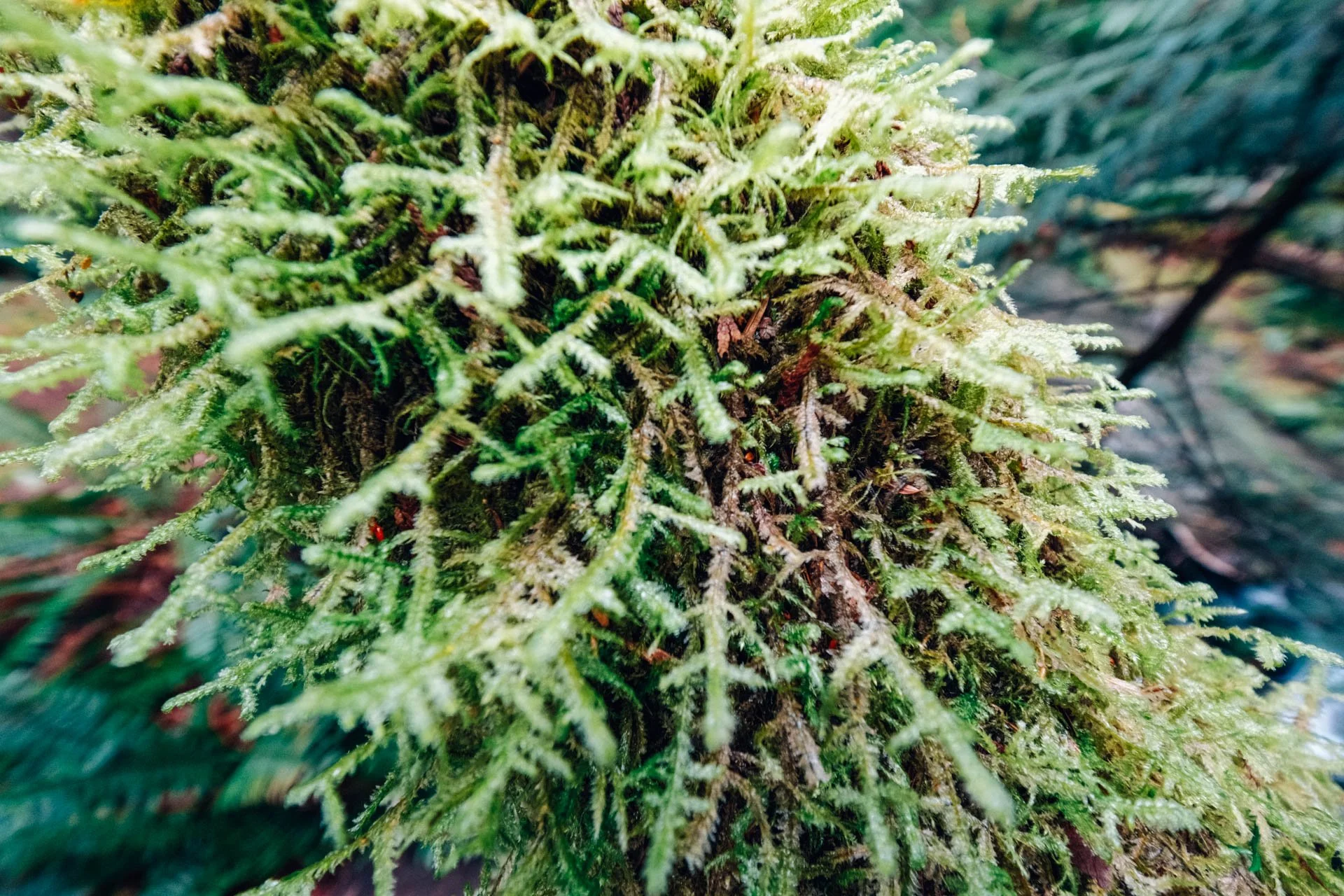
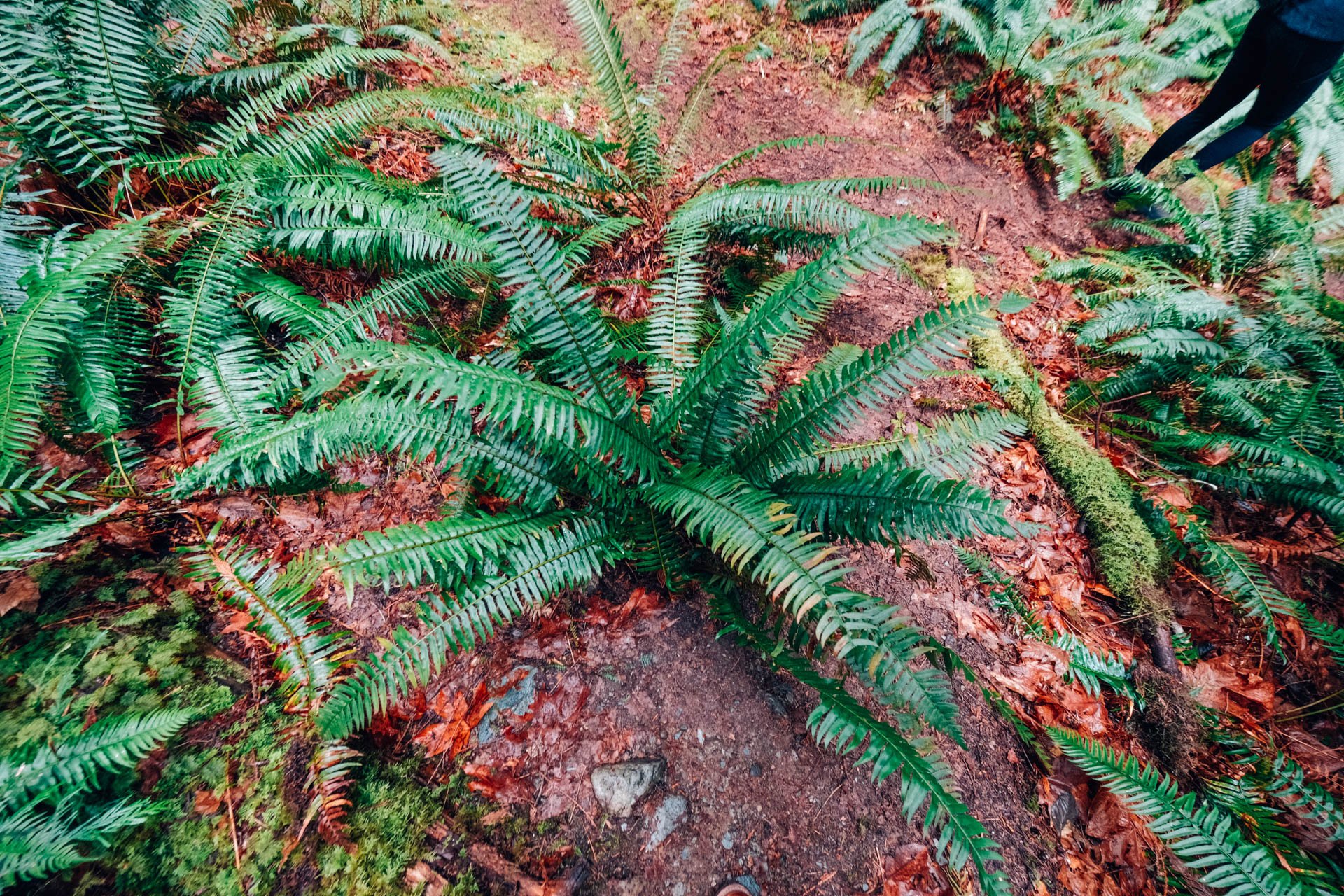
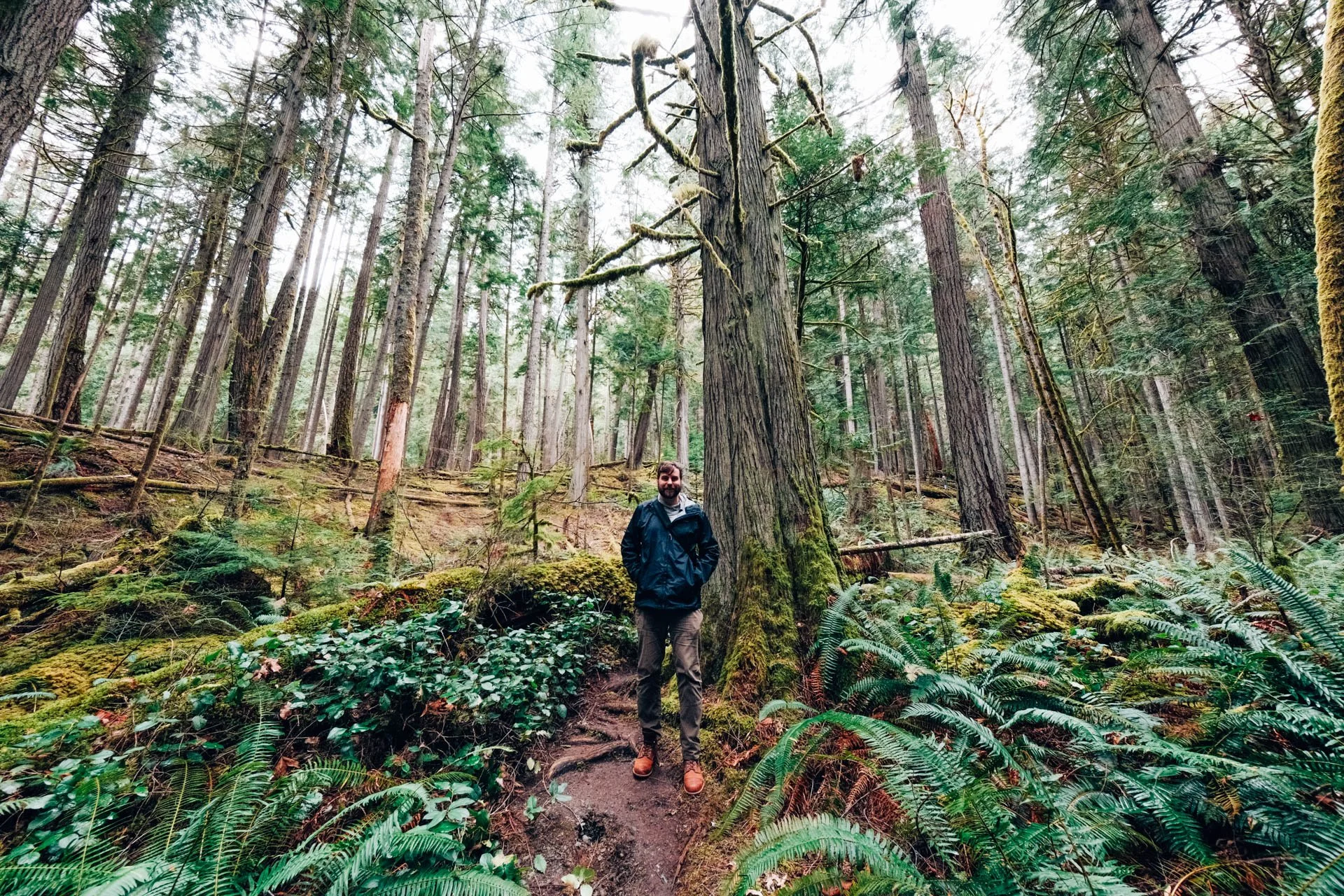
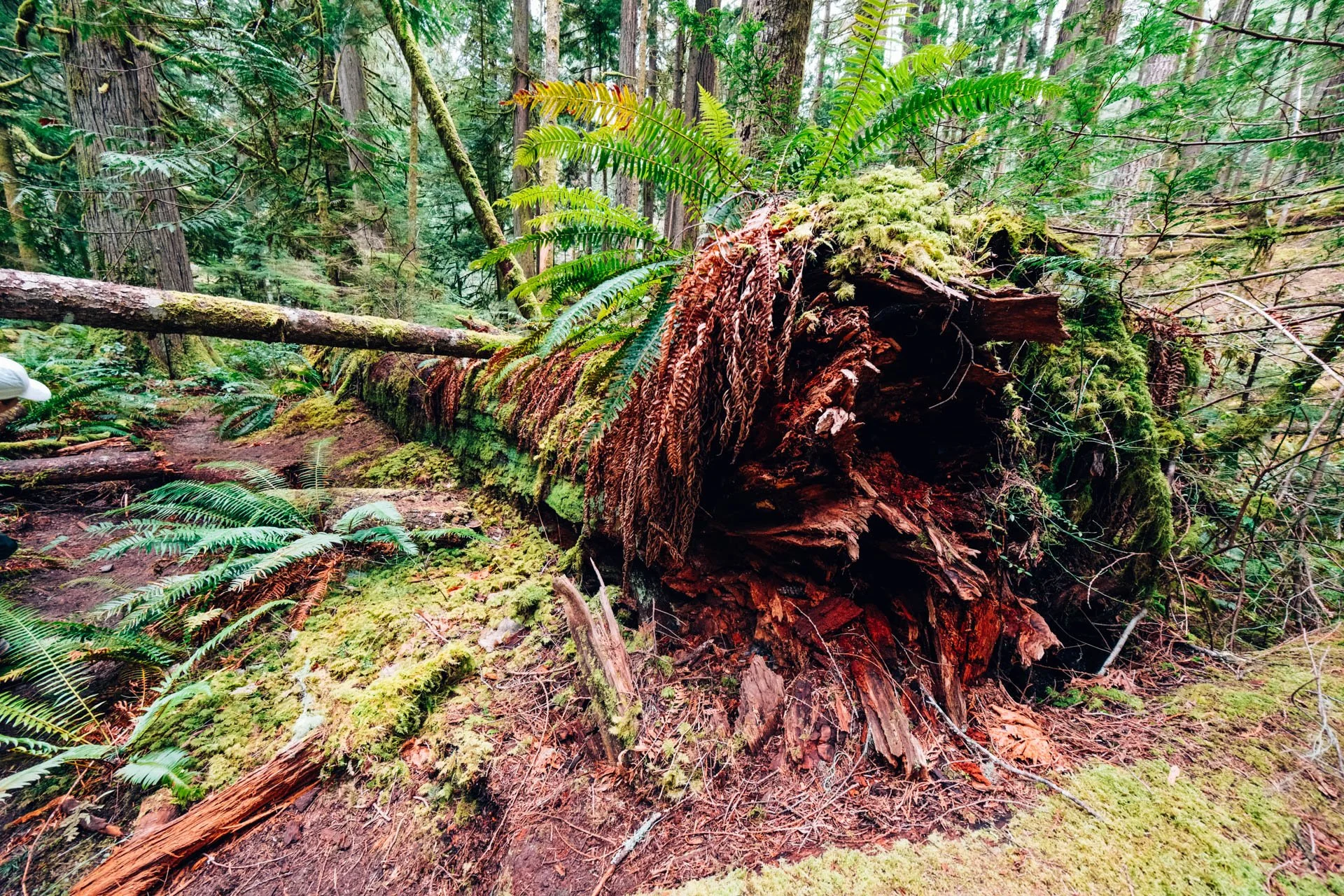
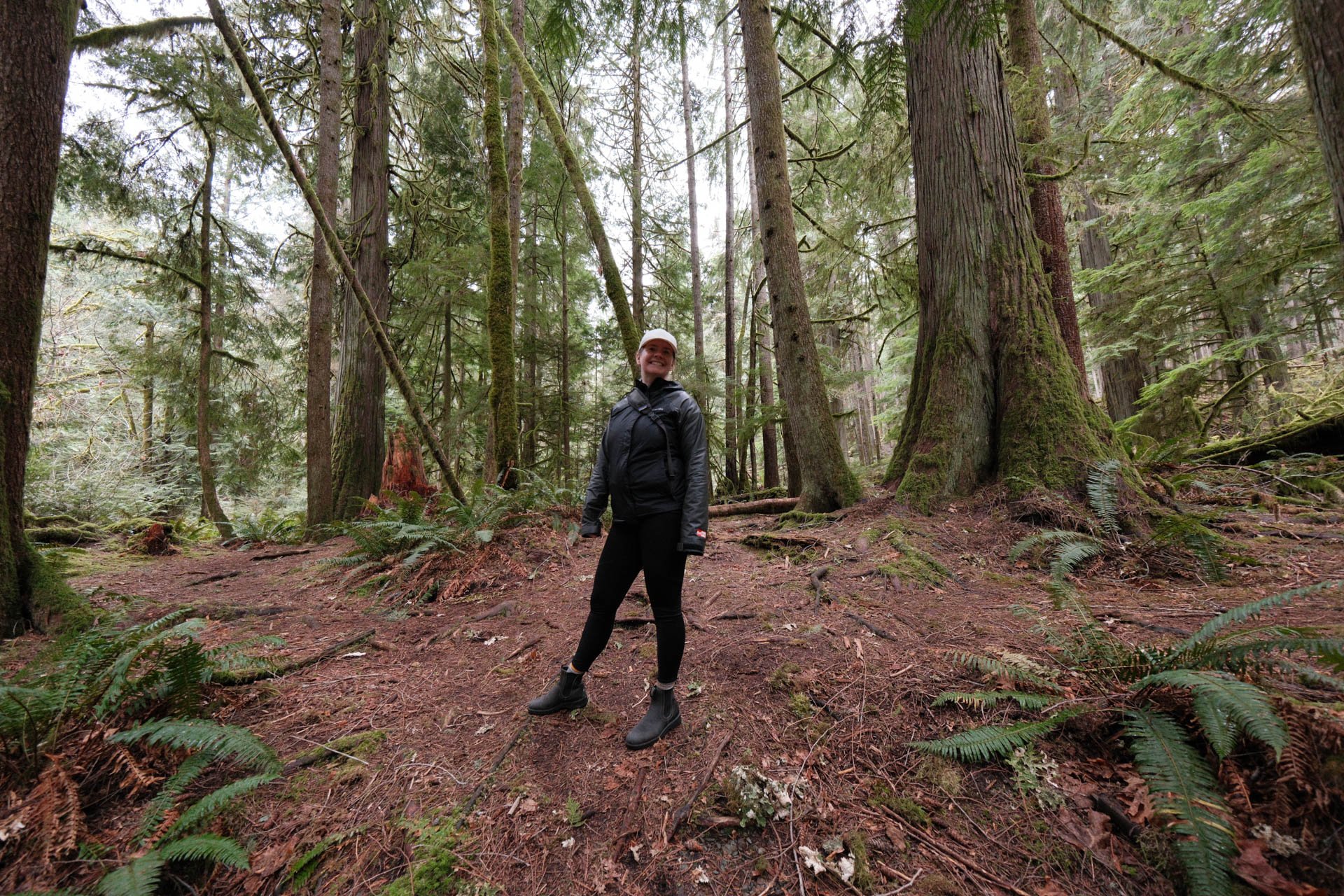
The grove is home to massive Douglas fir and red cedar trees, some over 800 years old. In the early 20th century, much of Vancouver Island’s old-growth forest was heavily logged, but Cathedral Grove was preserved thanks to early conservation efforts and public advocacy—making it one of the few accessible remnants of these ancient ecosystems.
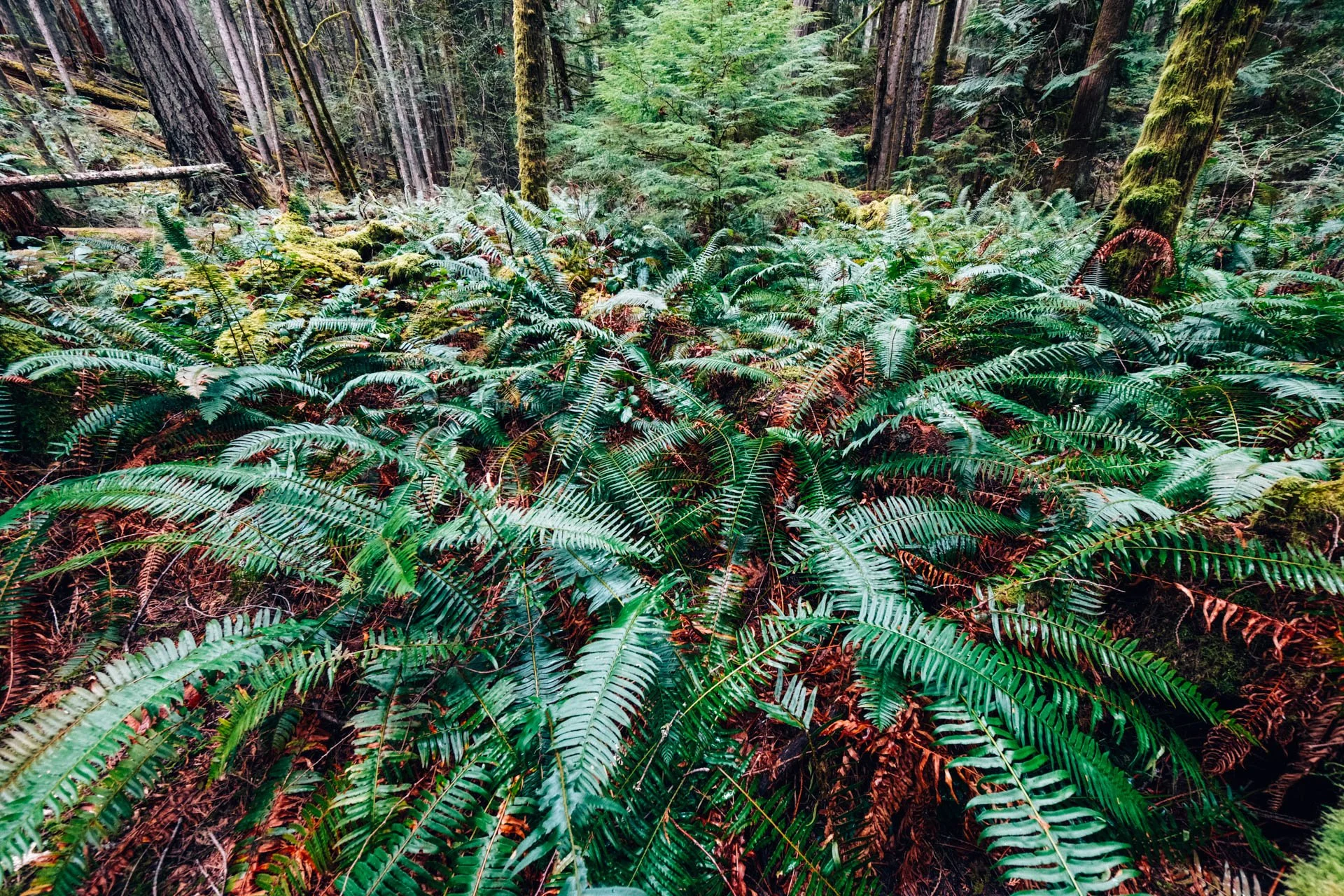
Today, it stands as a powerful reminder of the scale and age of coastal rainforests on the West Coast, with towering trees that feel almost cathedral-like—hence the name.
A Brief History of Tofino
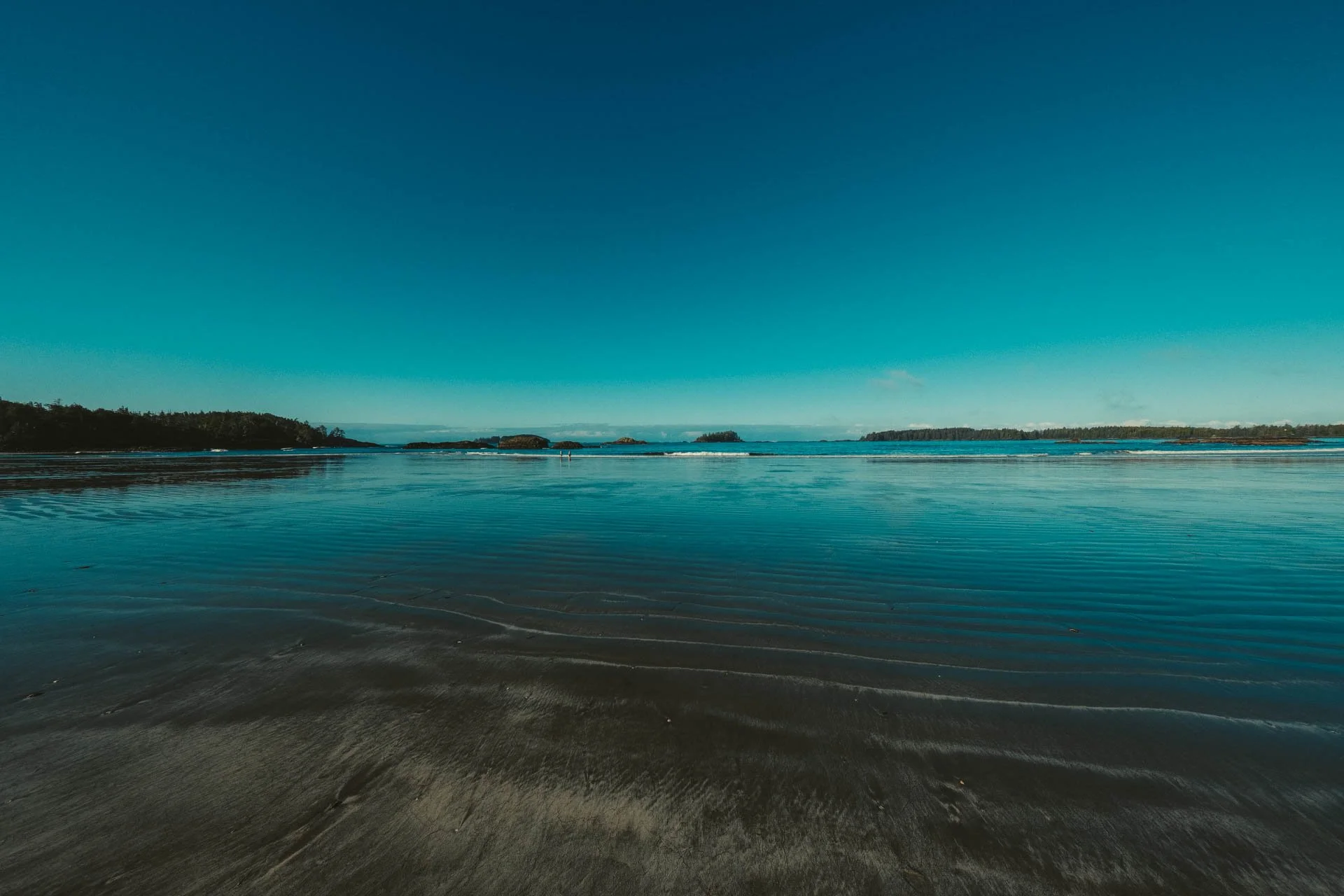
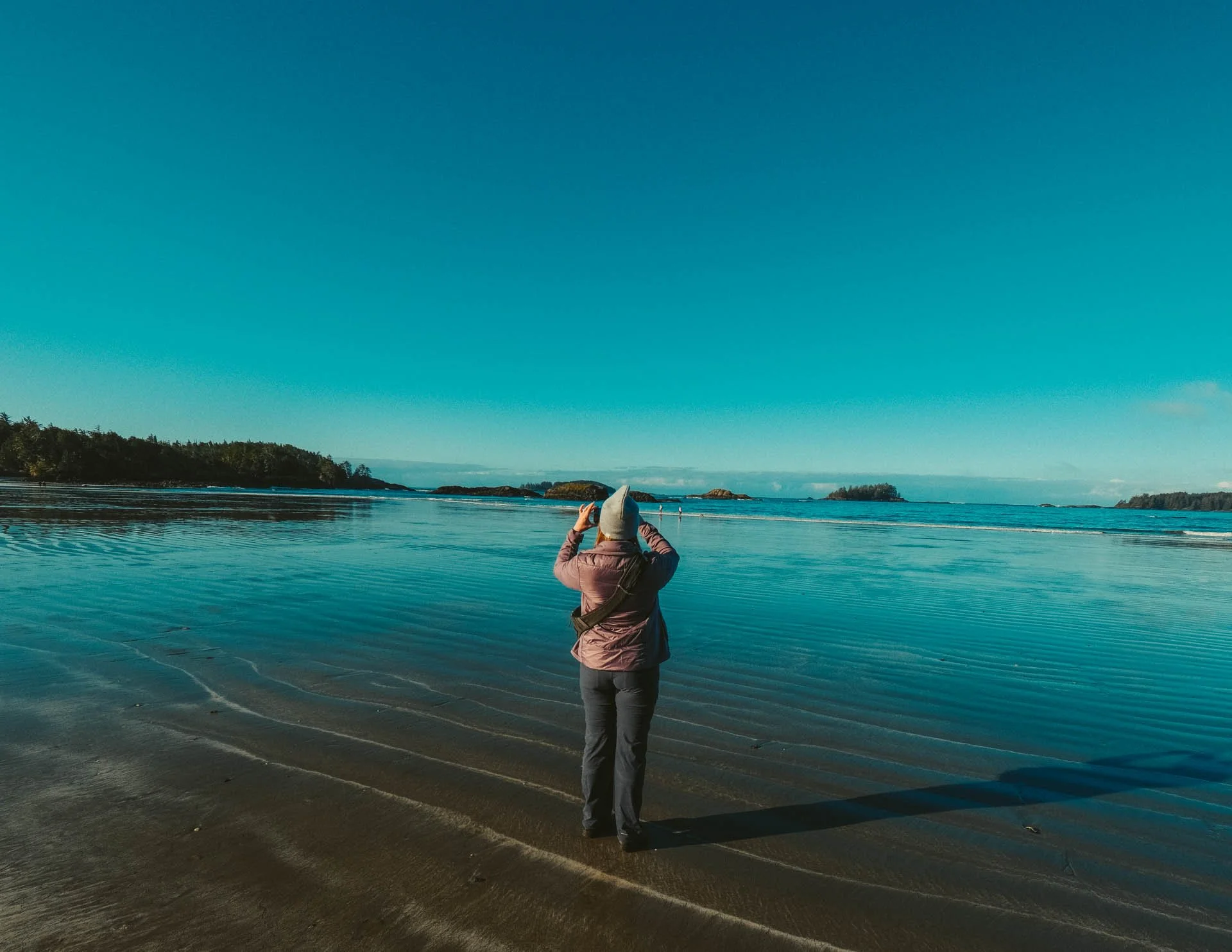
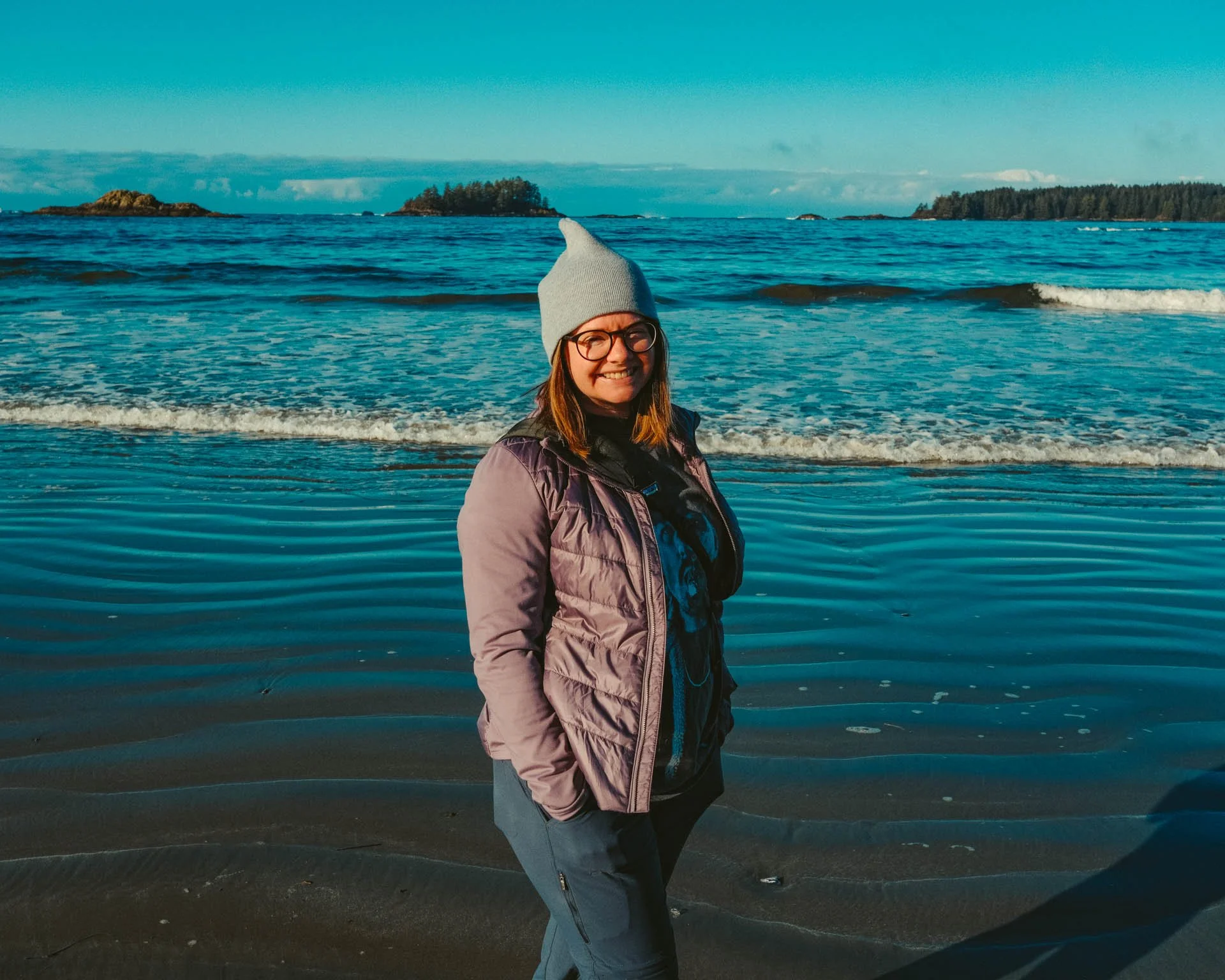
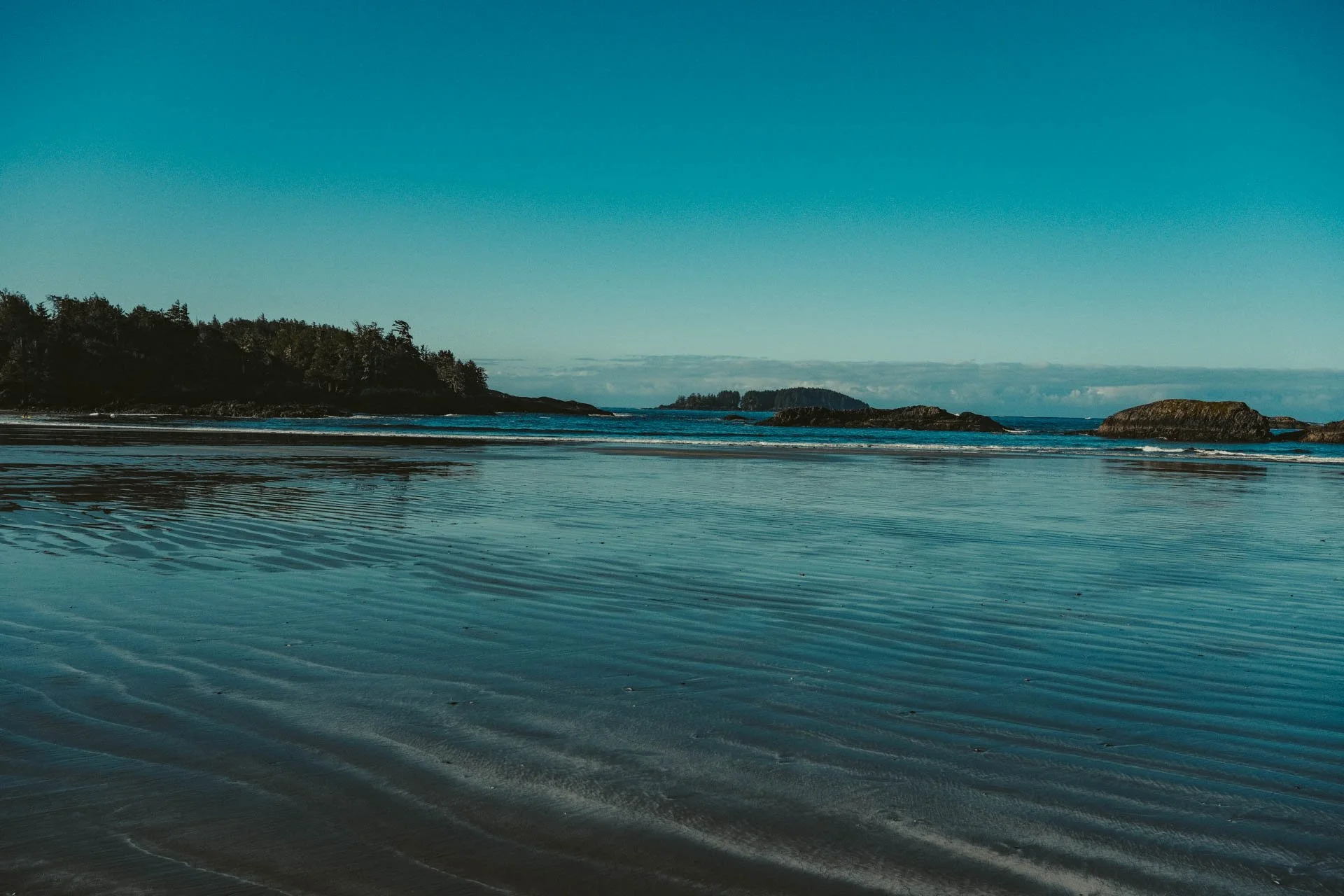
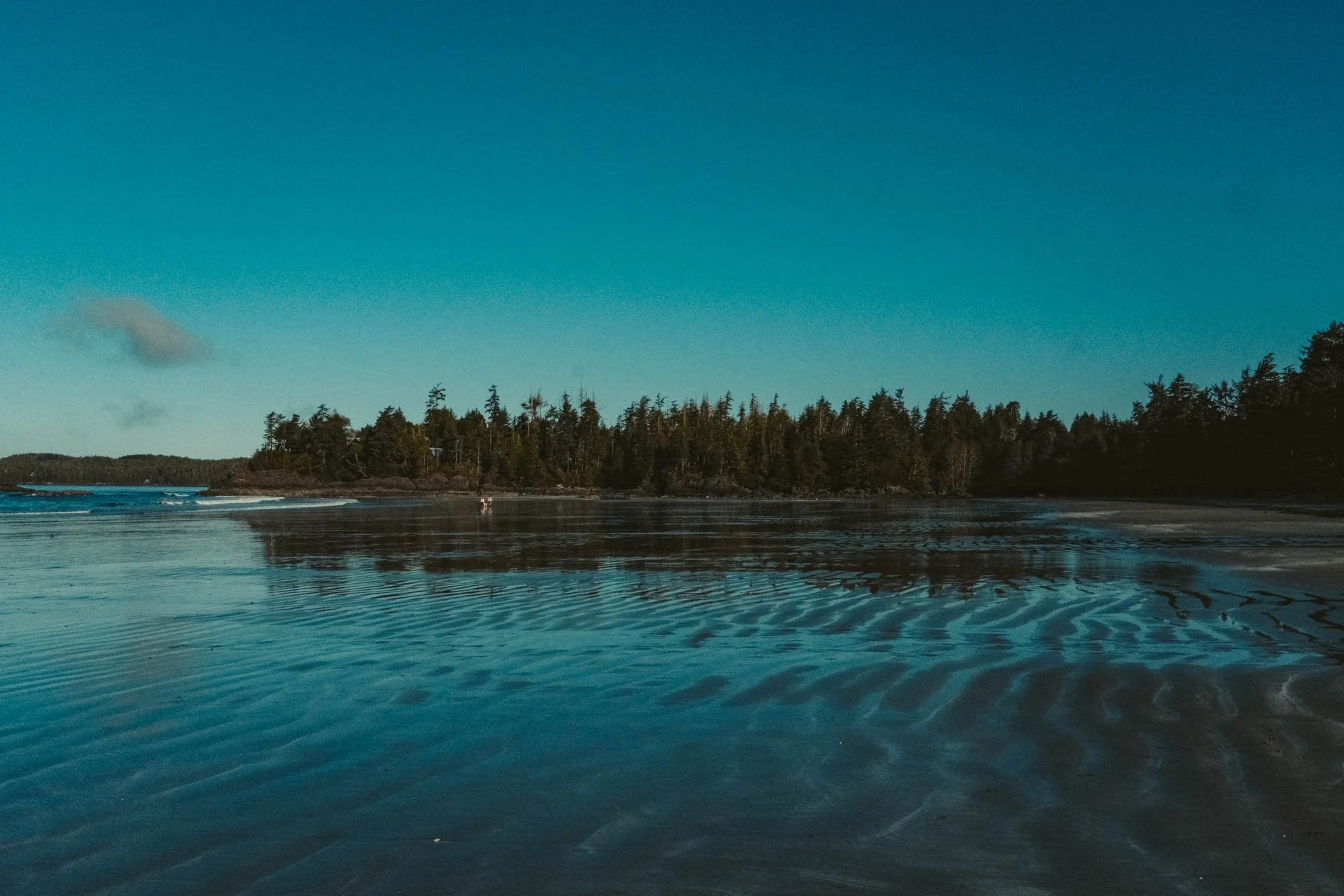
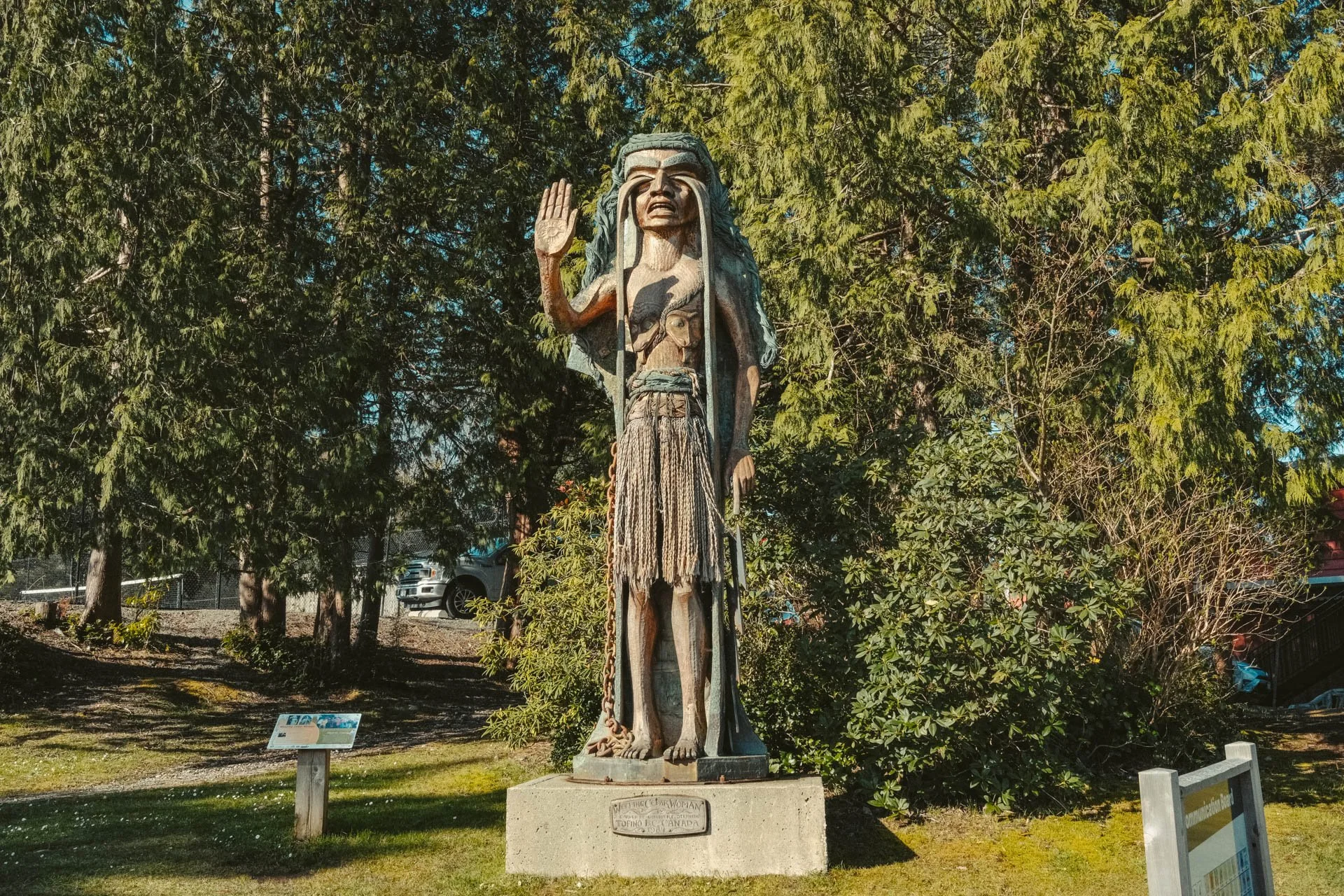
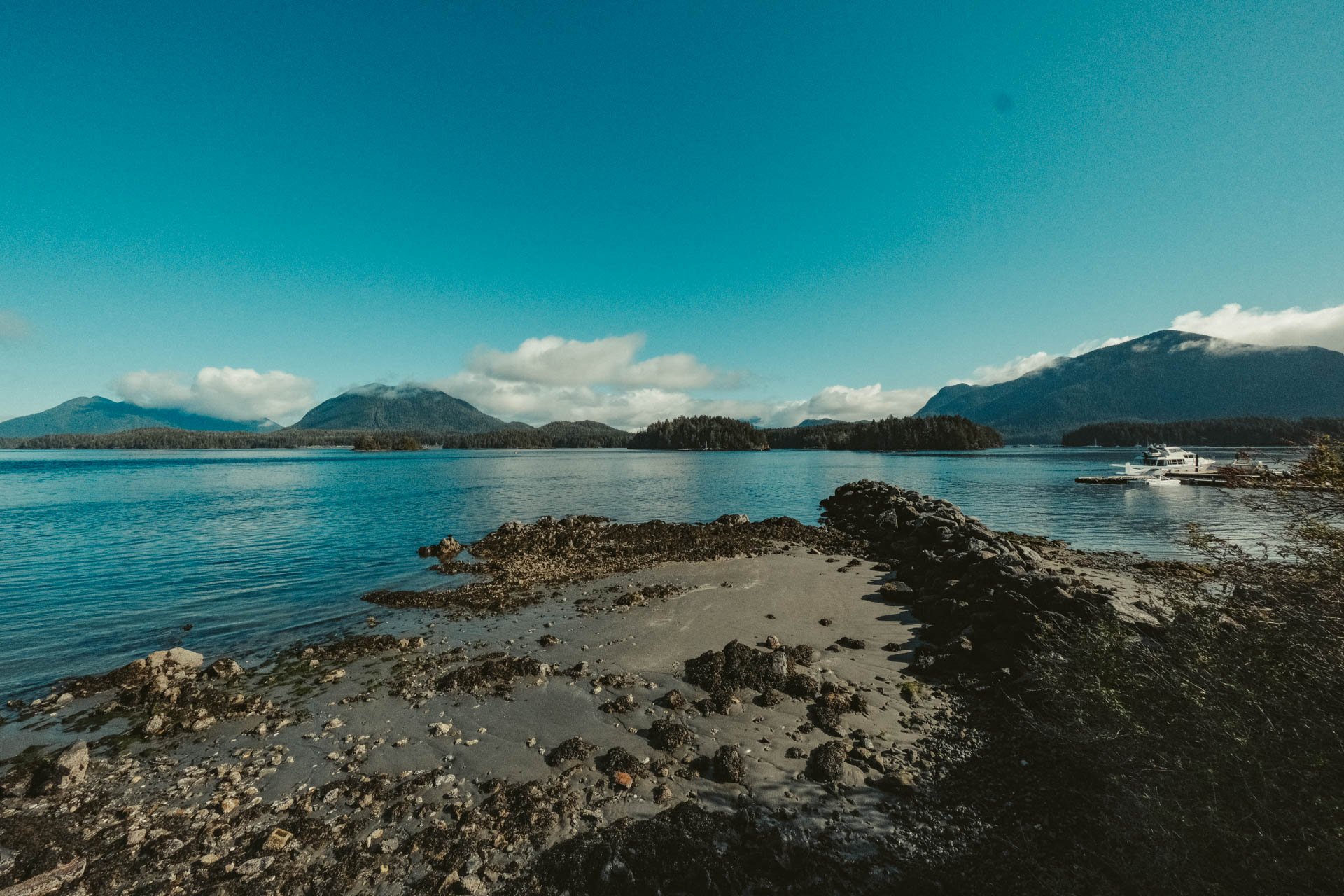
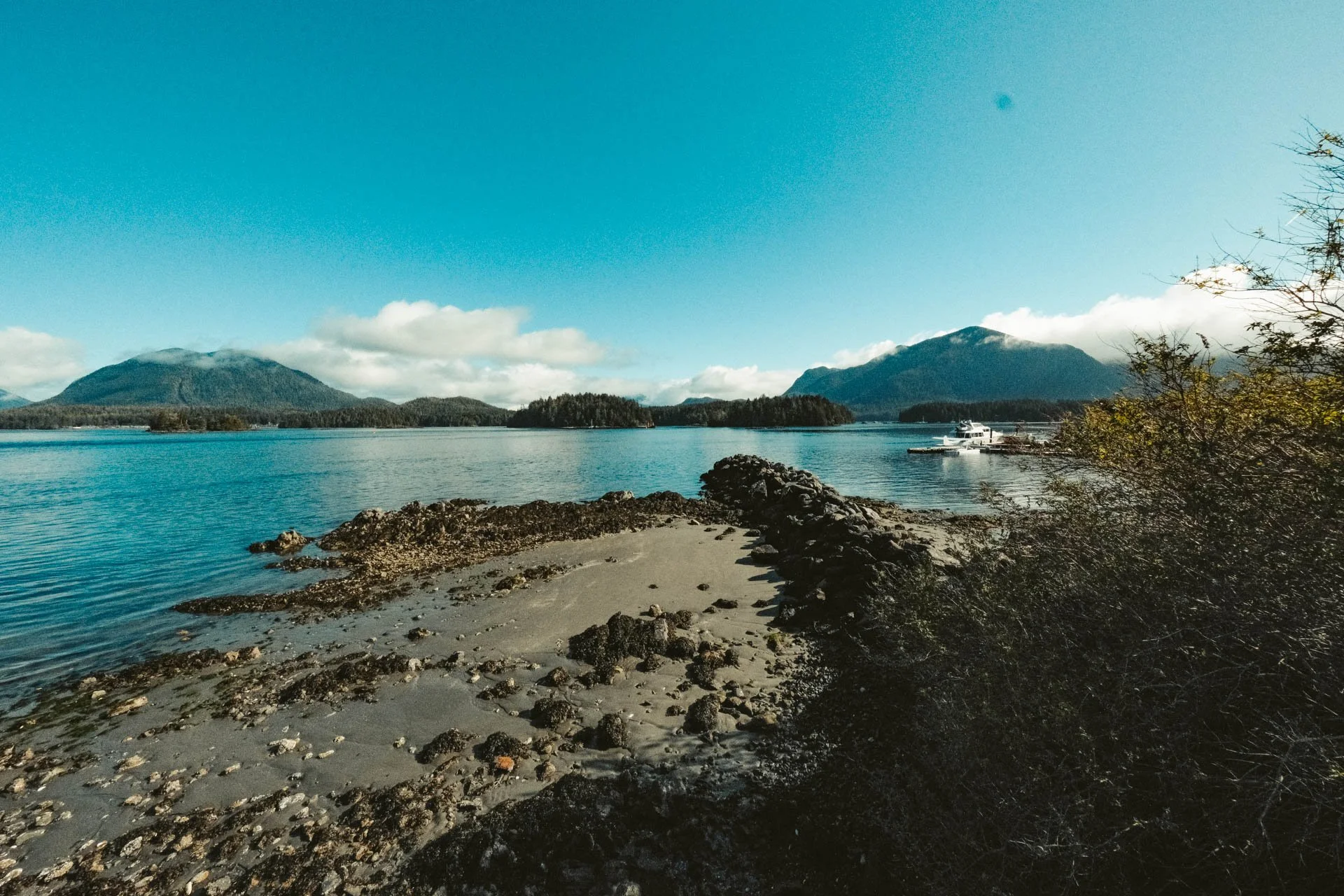
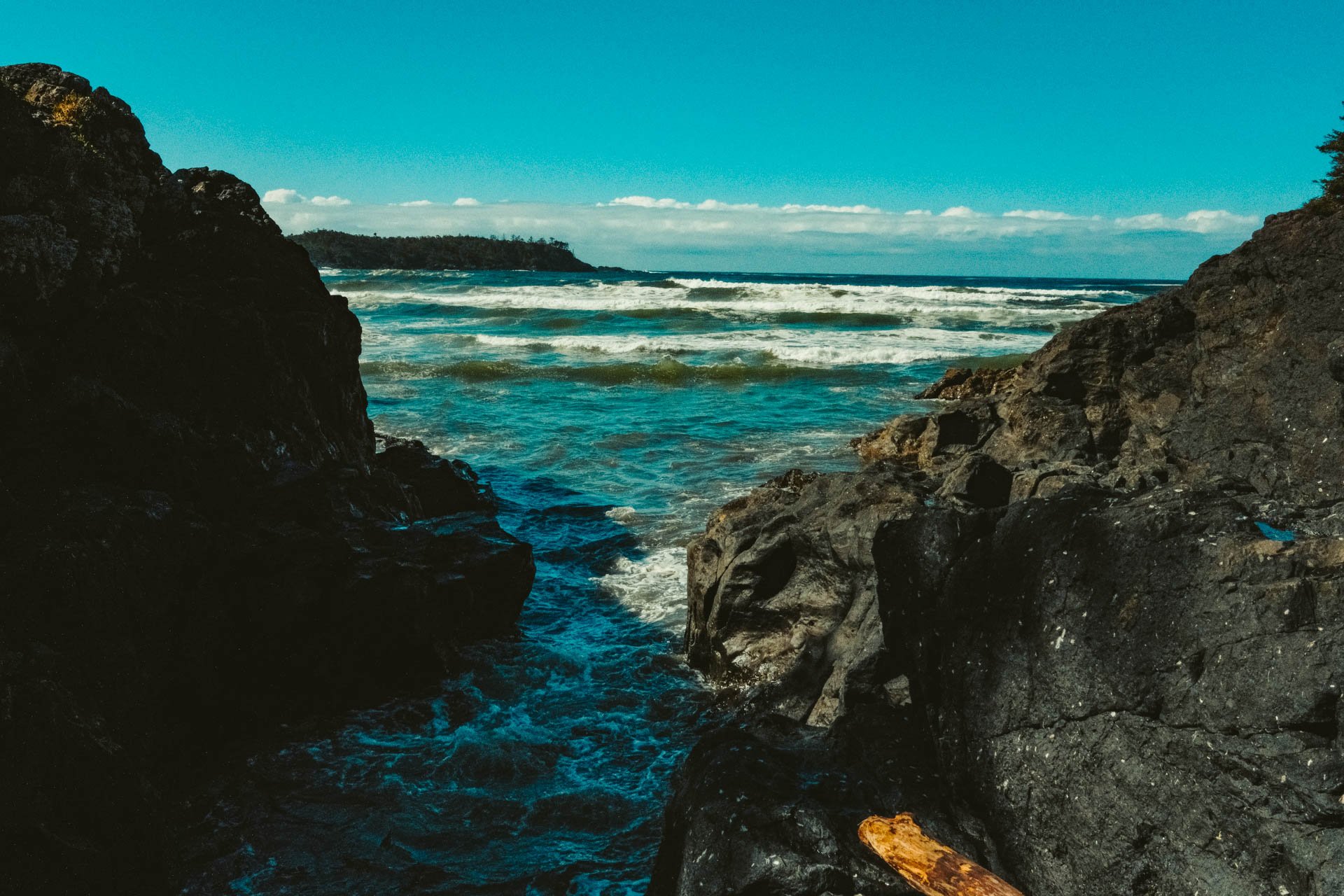
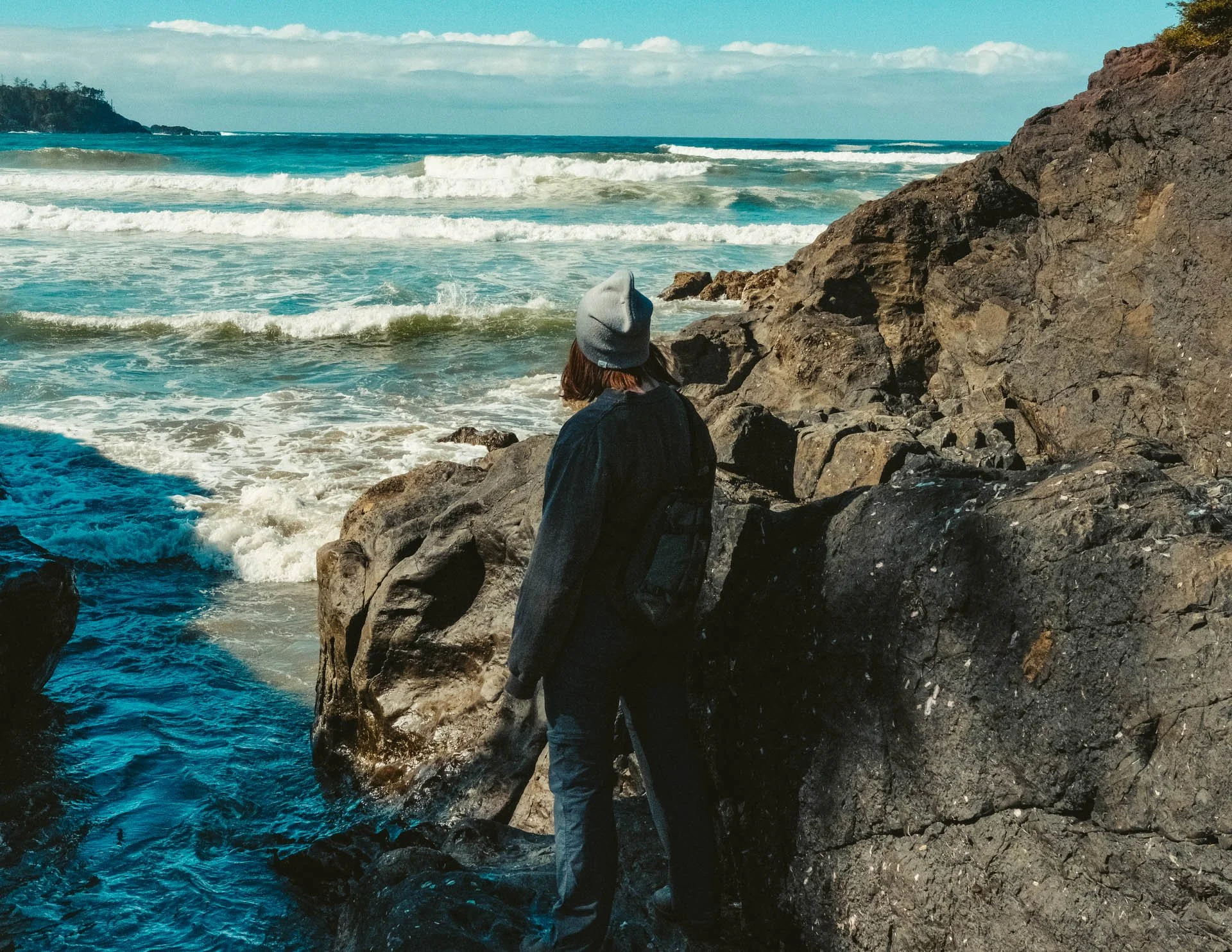
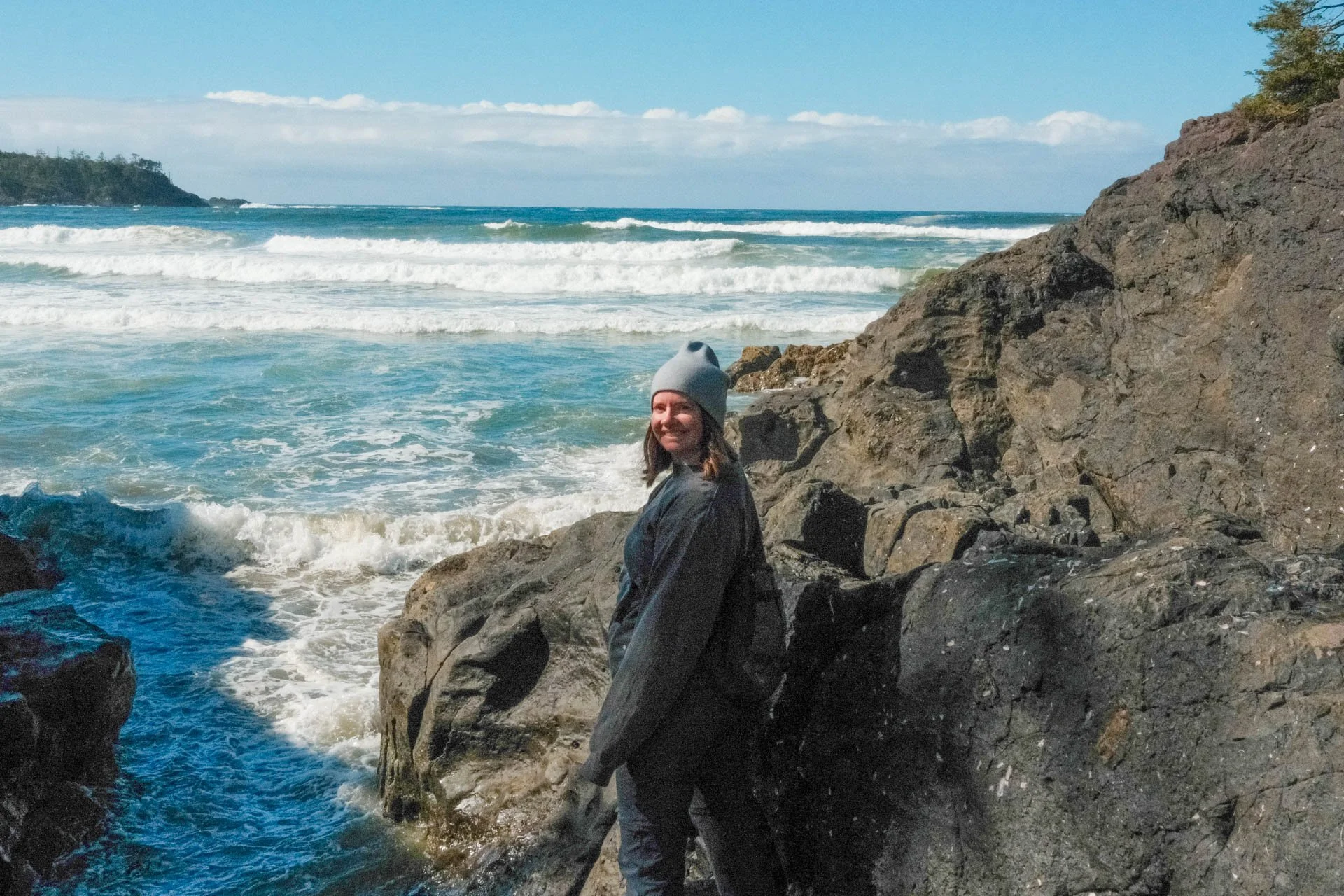
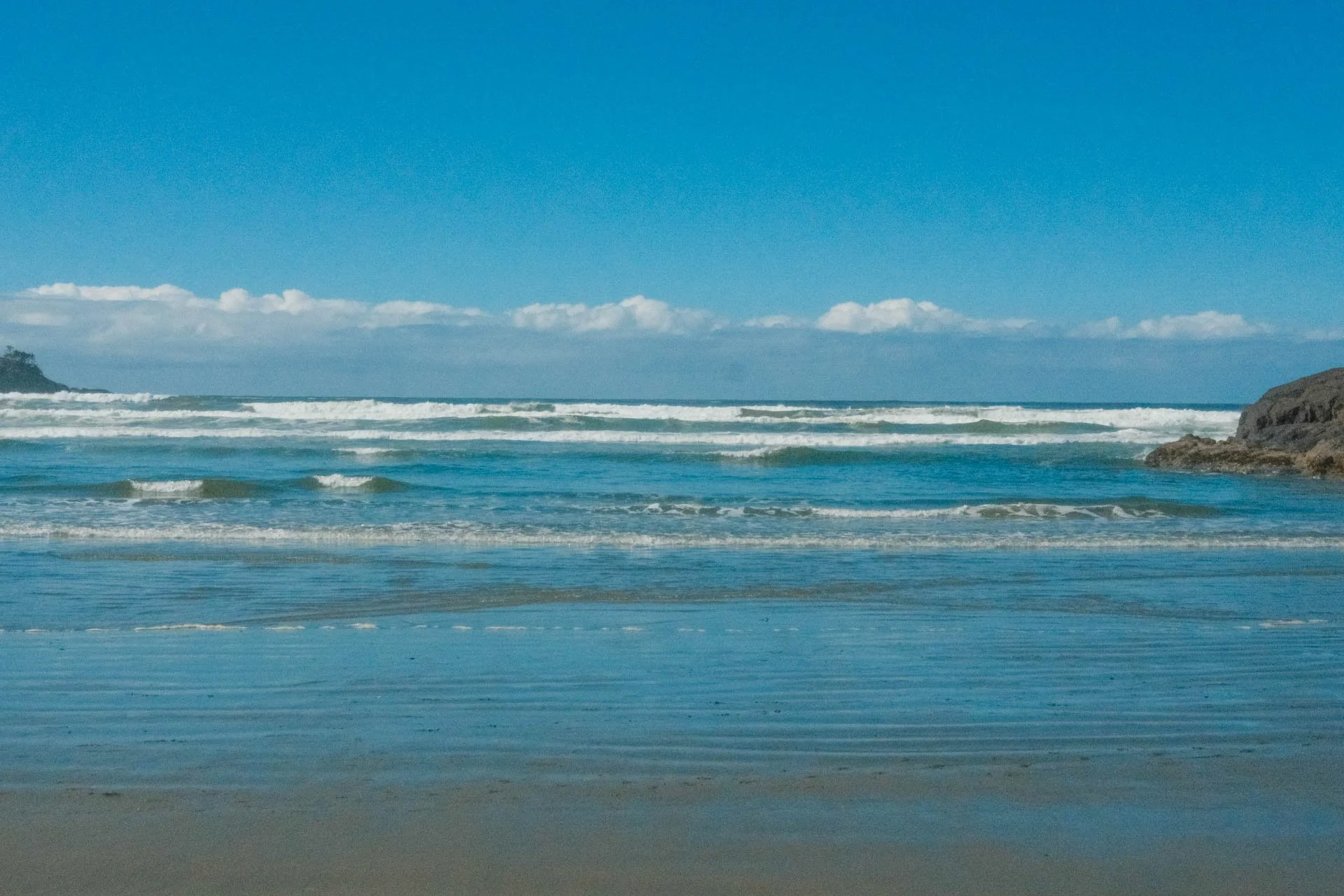
Tofino sits on the west coast of Vancouver Island and has long been part of the traditional territory of the Nuu-chah-nulth, particularly the Tla-o-qui-aht First Nation. The ocean, forests, and tides have shaped life here for thousands of years.
European presence began in the late 18th century during the era of maritime fur trading. The area was later named after Vicente Tofiño. For much of its history, Tofino remained a remote fishing and logging community.
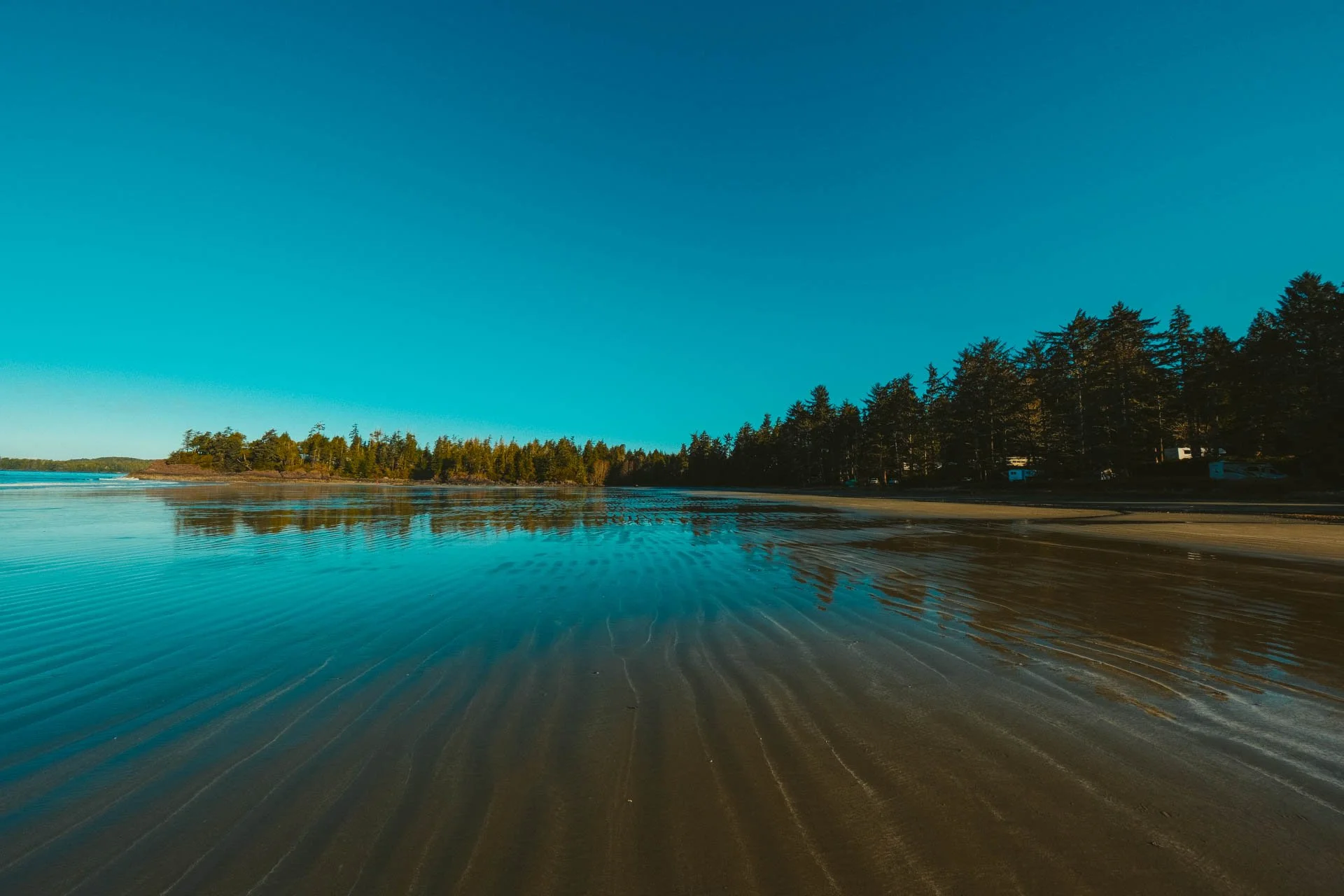
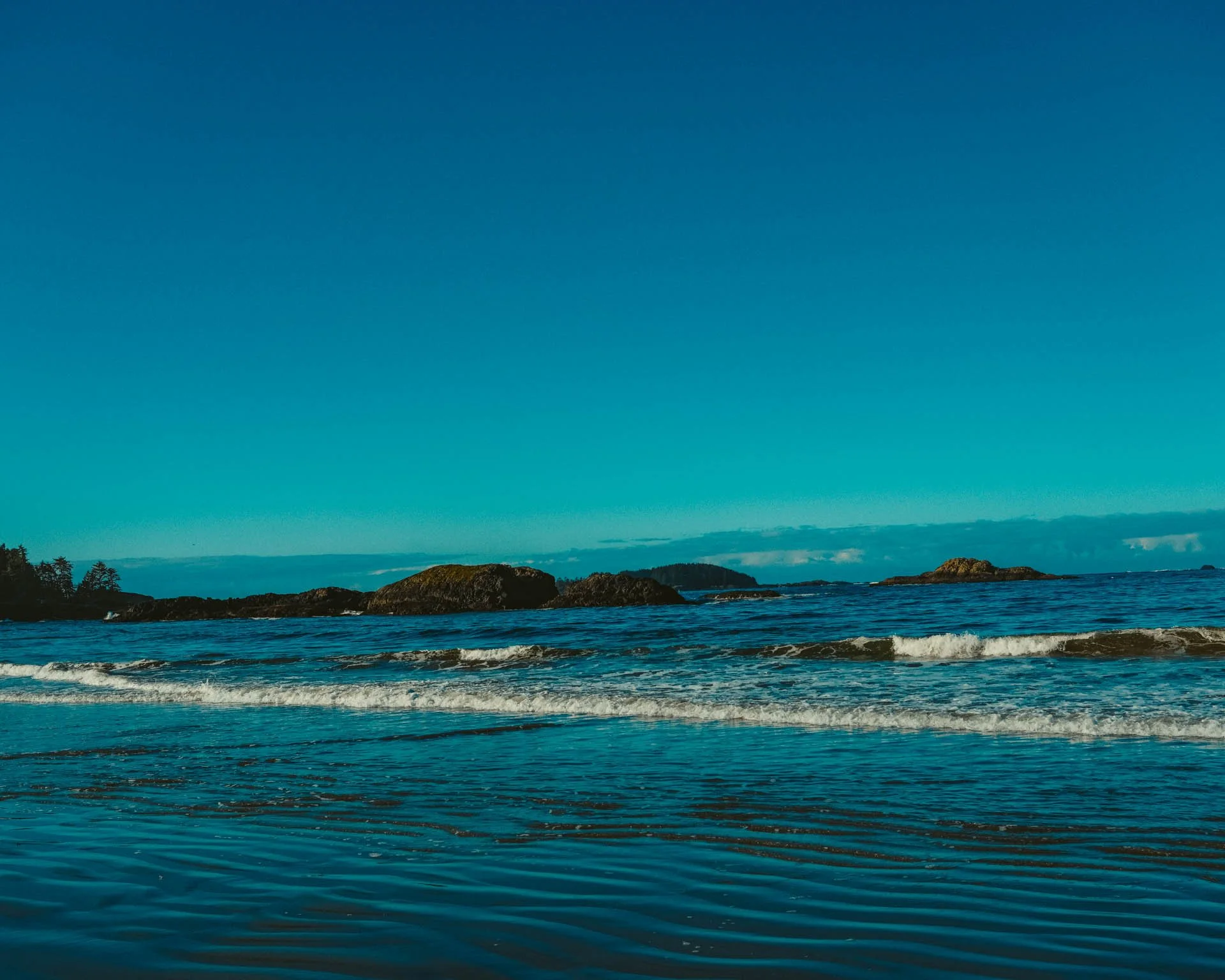
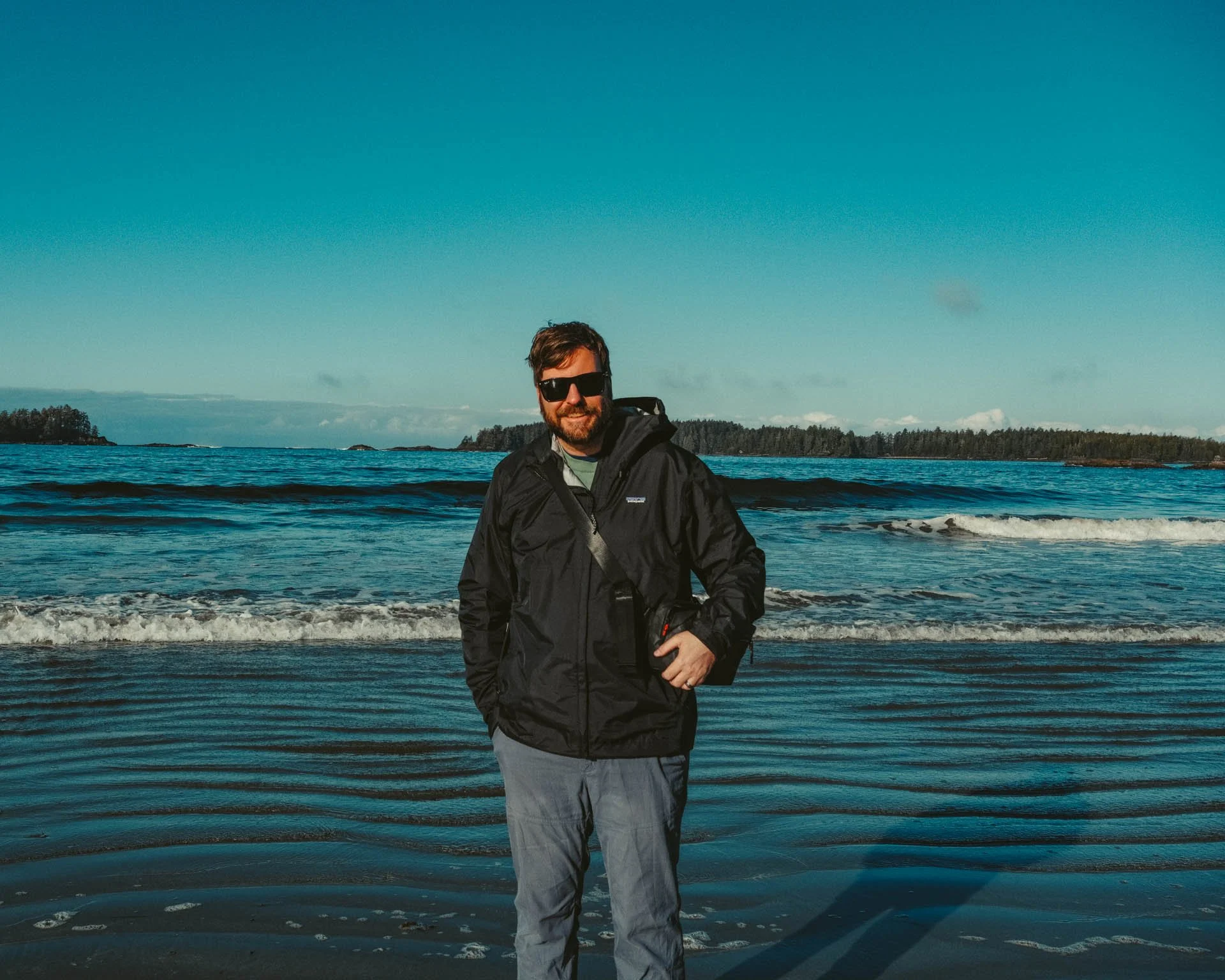
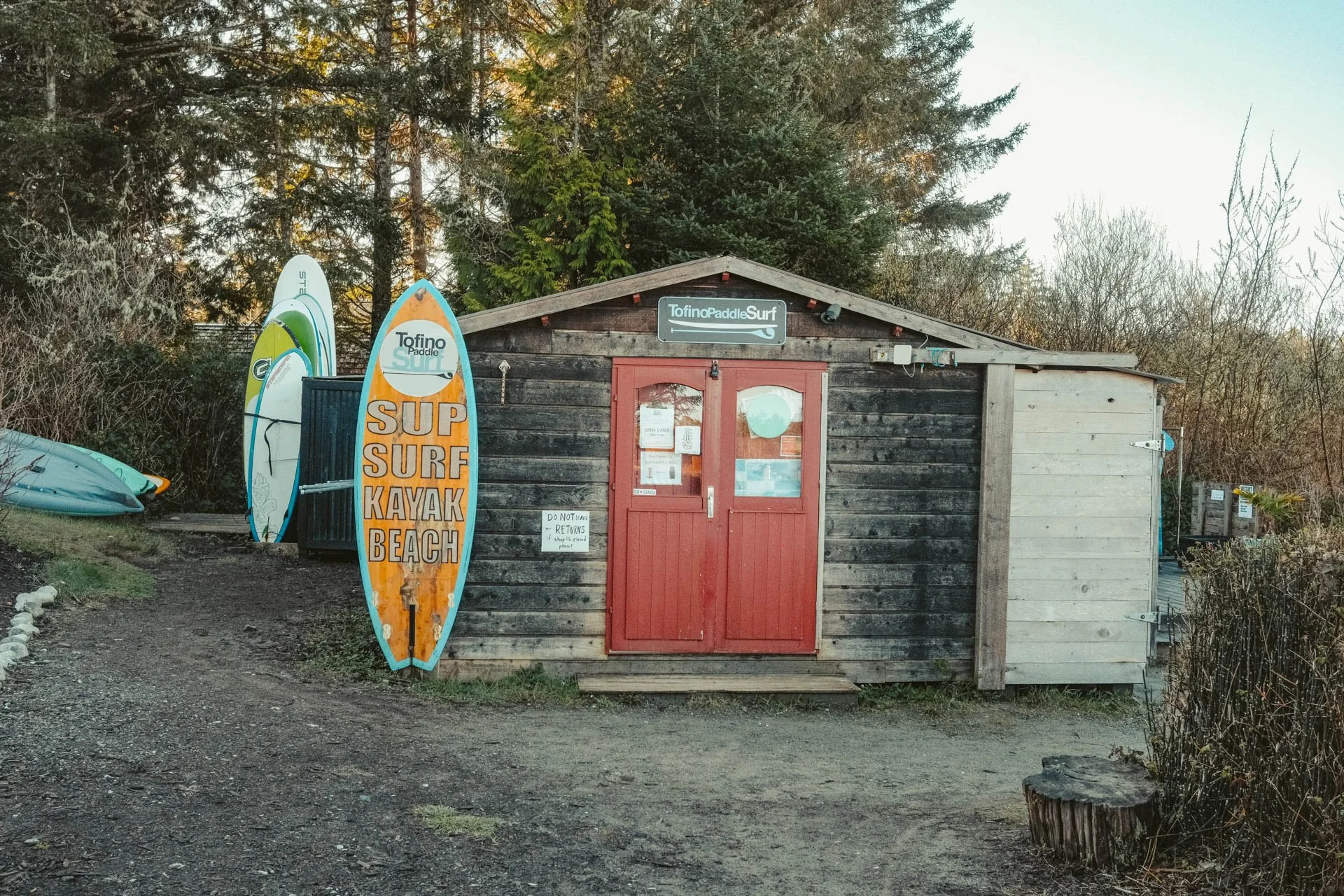
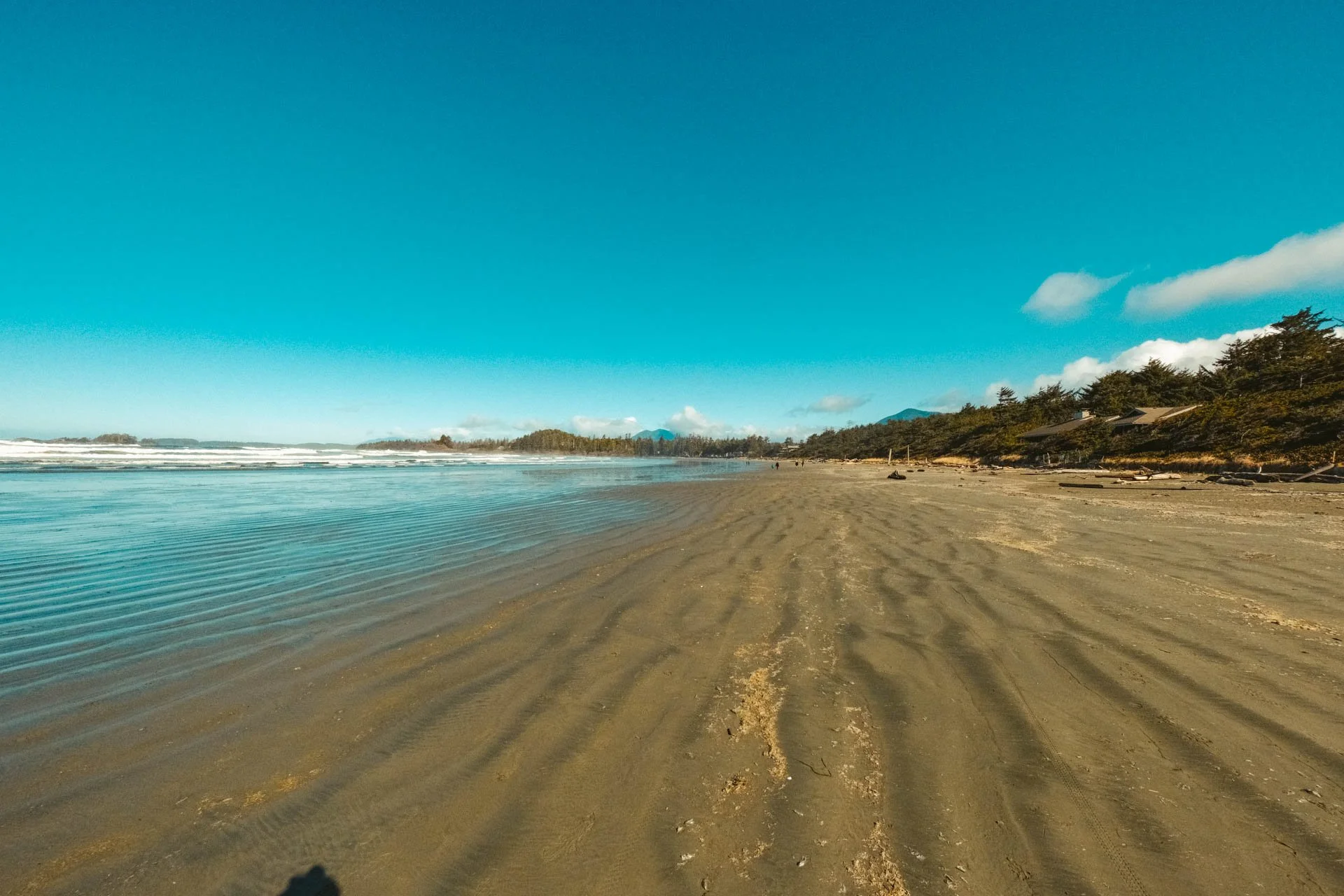
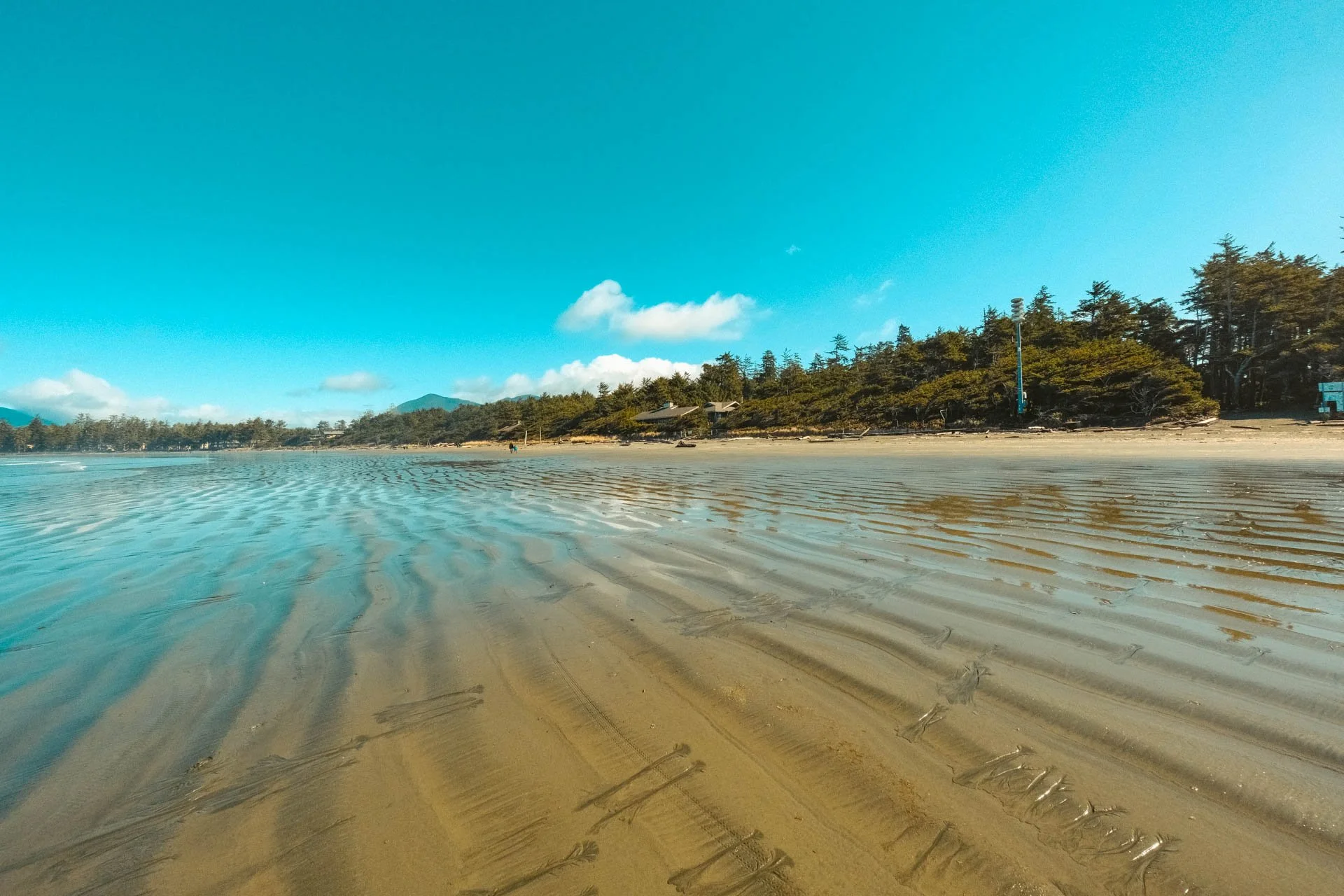
In the late 20th century, Tofino transformed into a world-renowned destination for surfing, eco-tourism, and nature travel. Its location near Pacific Rim National Park Reserve helped protect its rugged coastline, beaches, and temperate rainforest.
Today, Tofino is known for its wild beauty—storm watching in winter, surfing year-round, and a deep connection to the surrounding ocean and forest. It’s one of those places where nature still feels in charge.